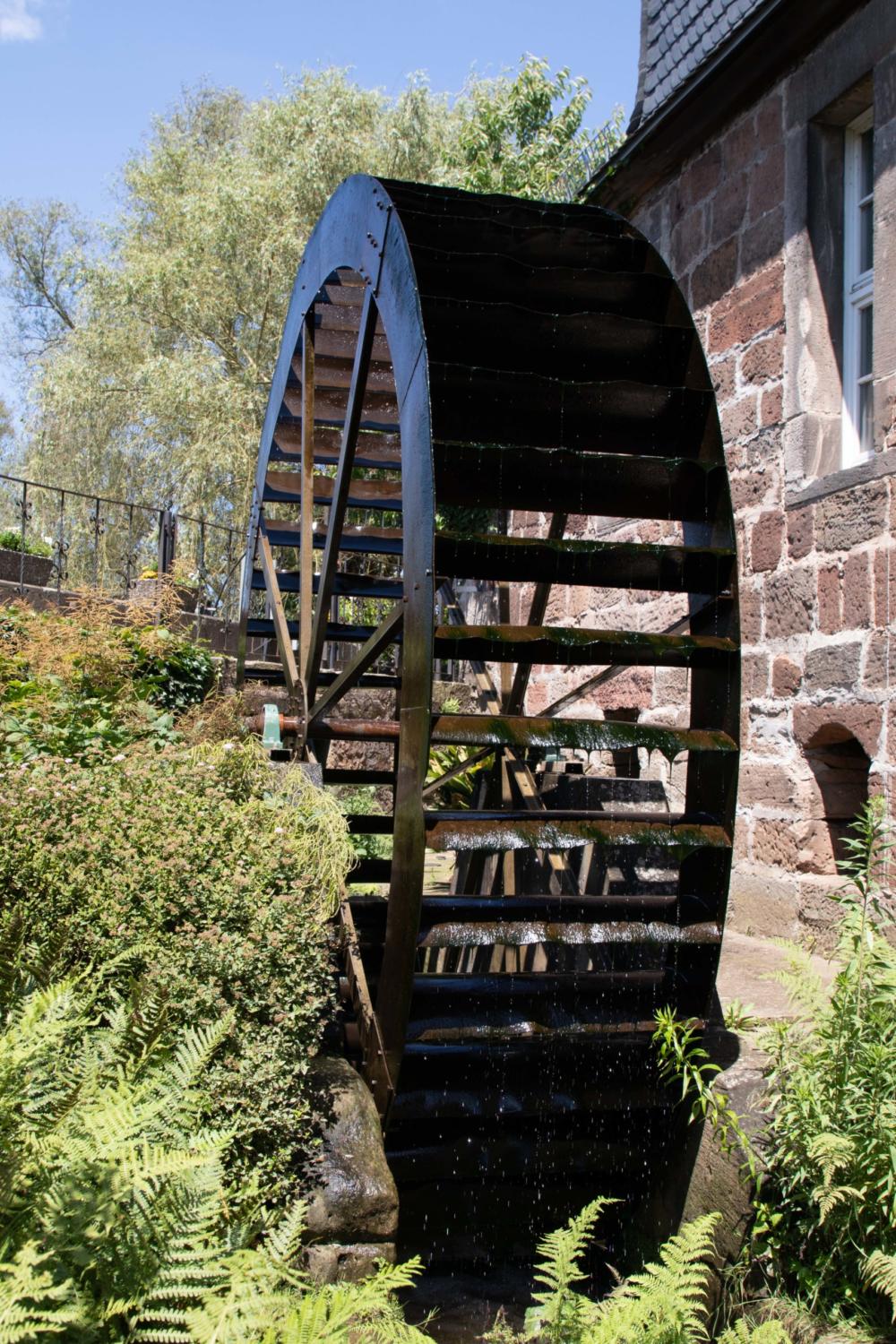
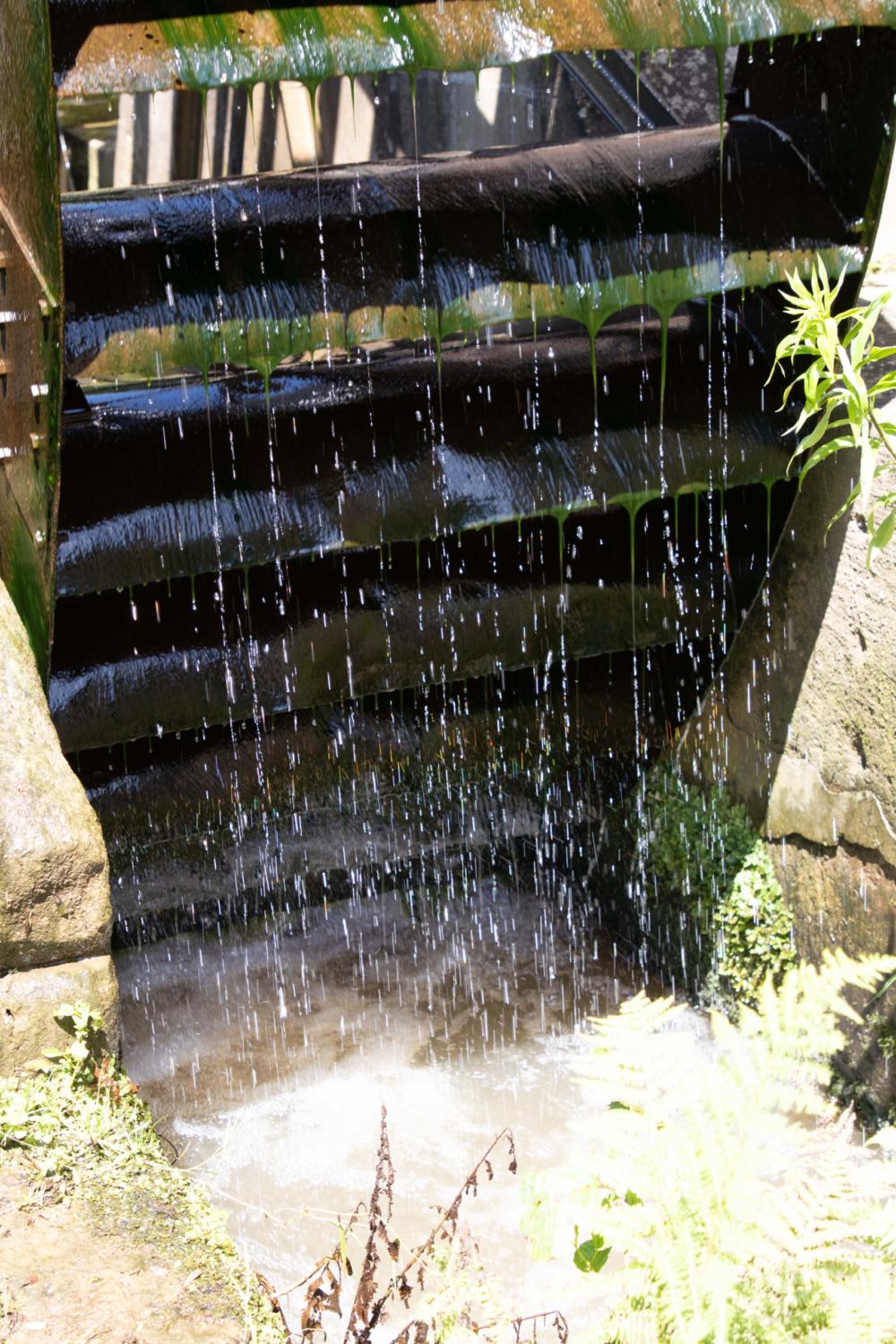
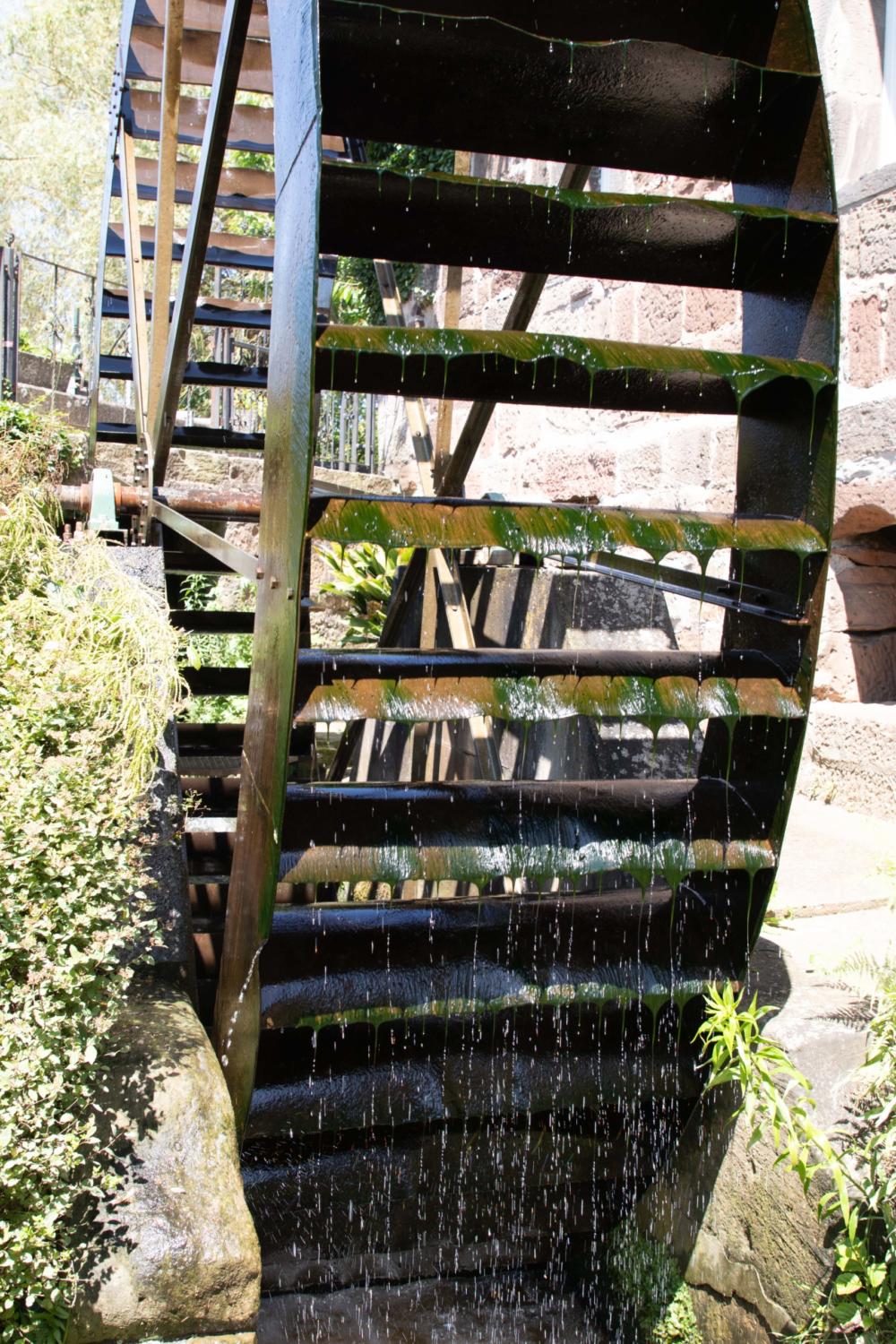
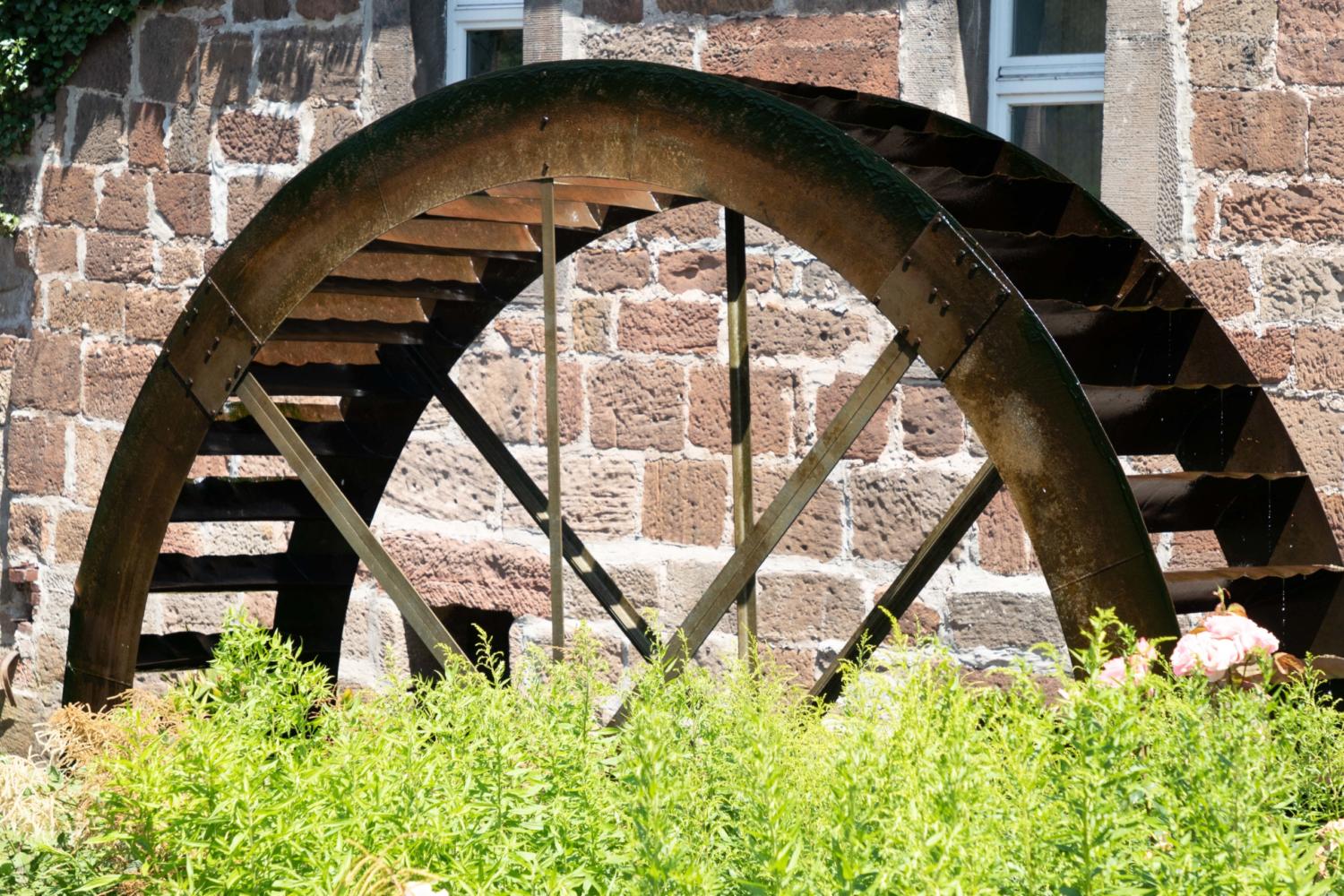
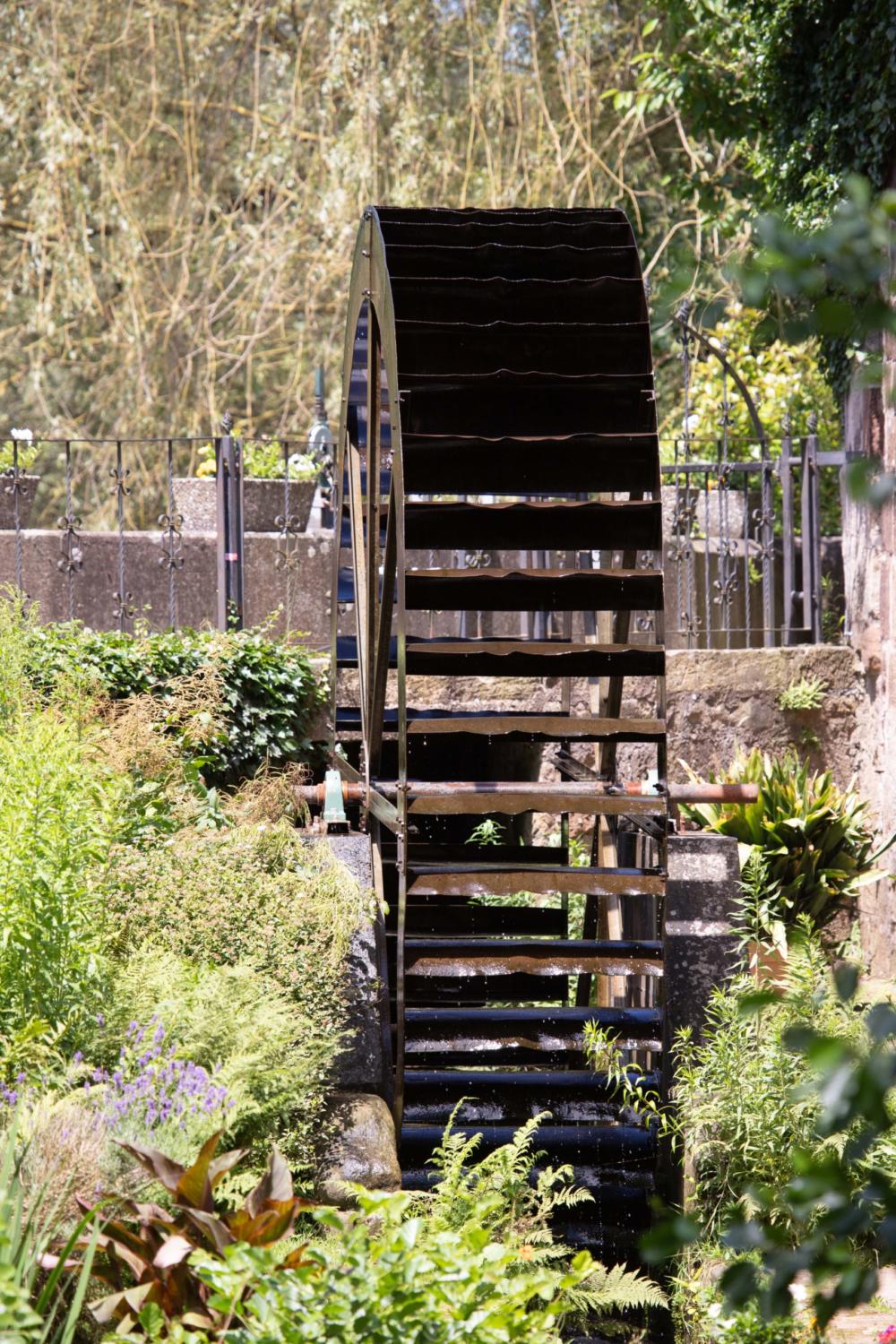
After ten years of “retirement,” the stone mill wheel was set in motion again

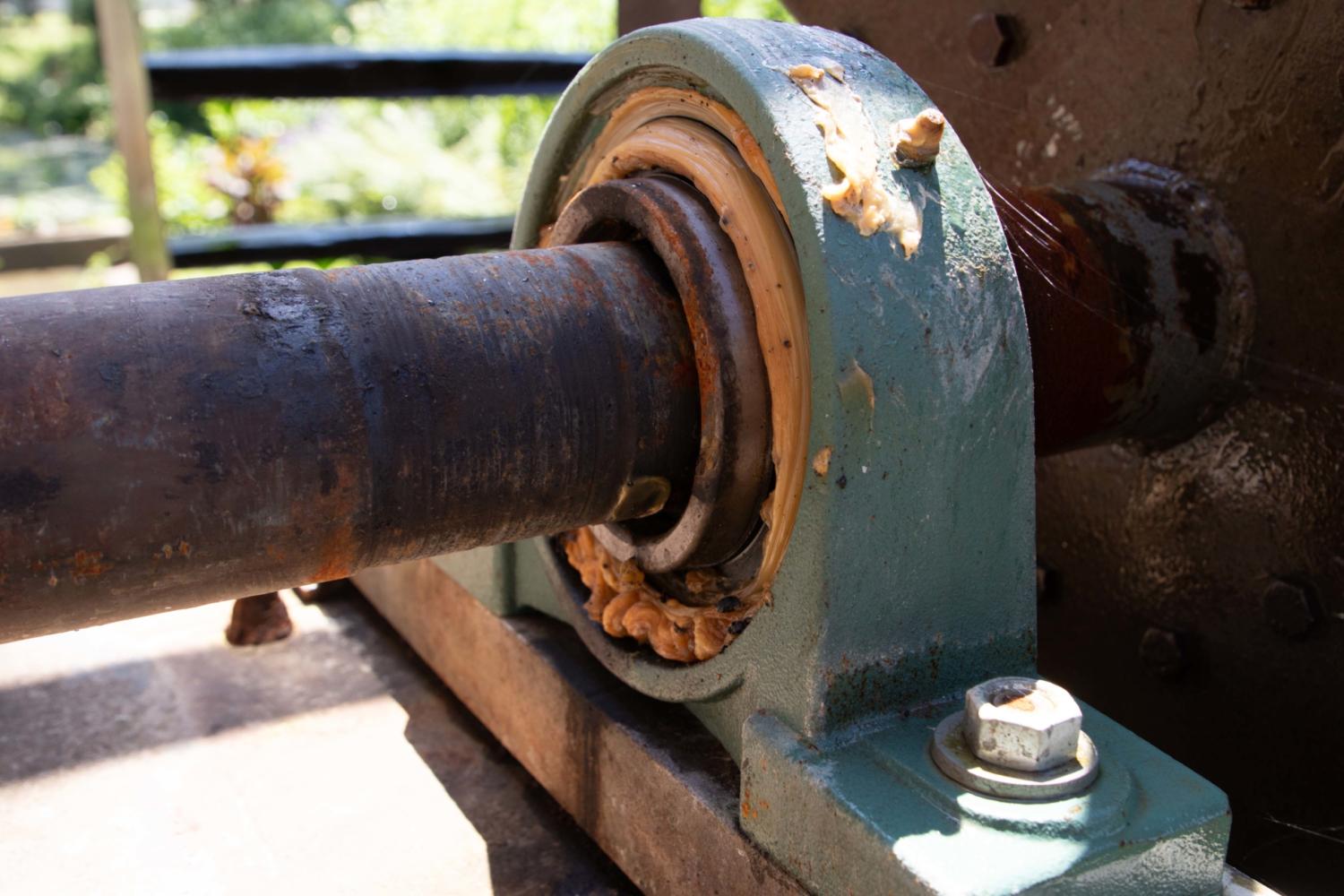
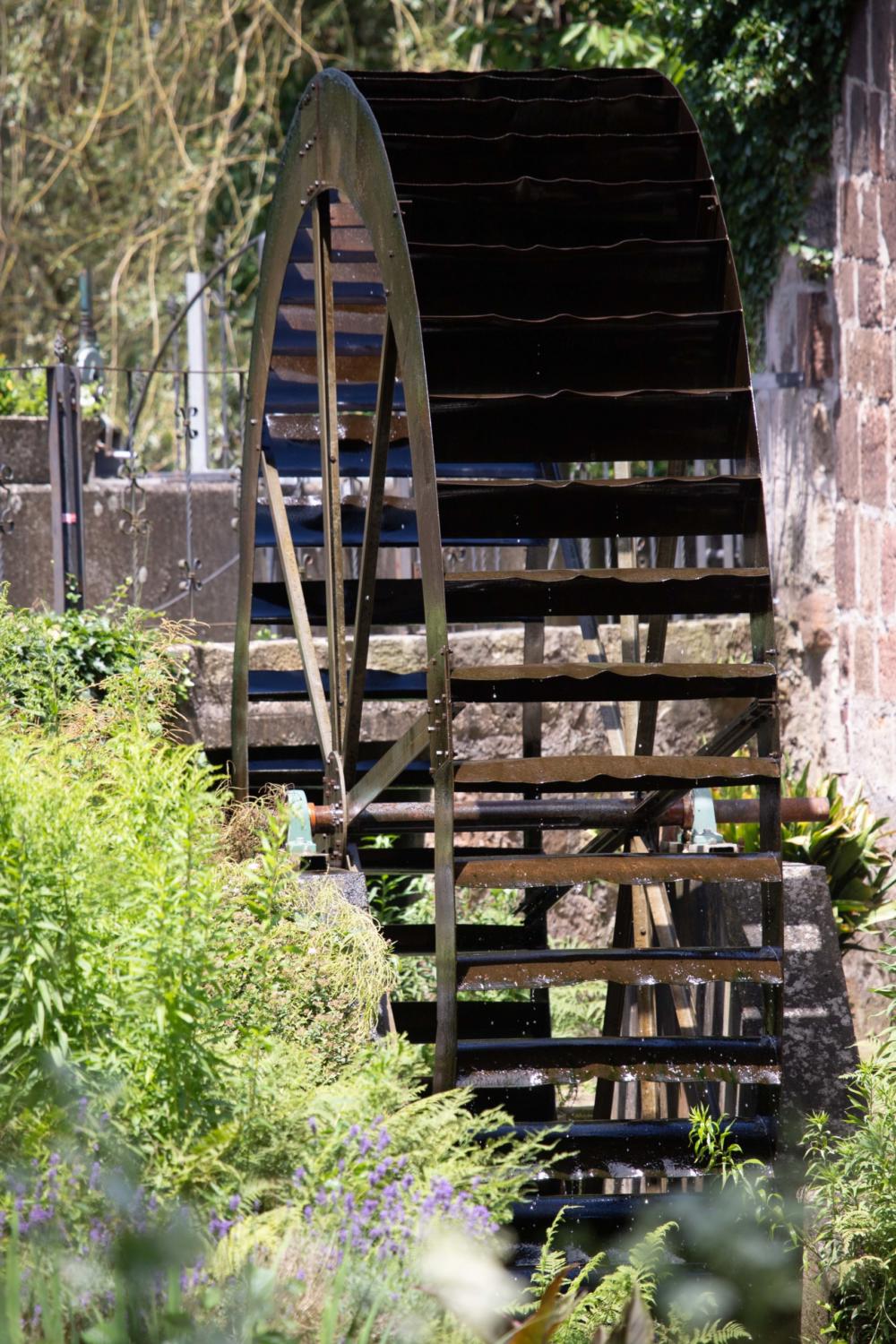
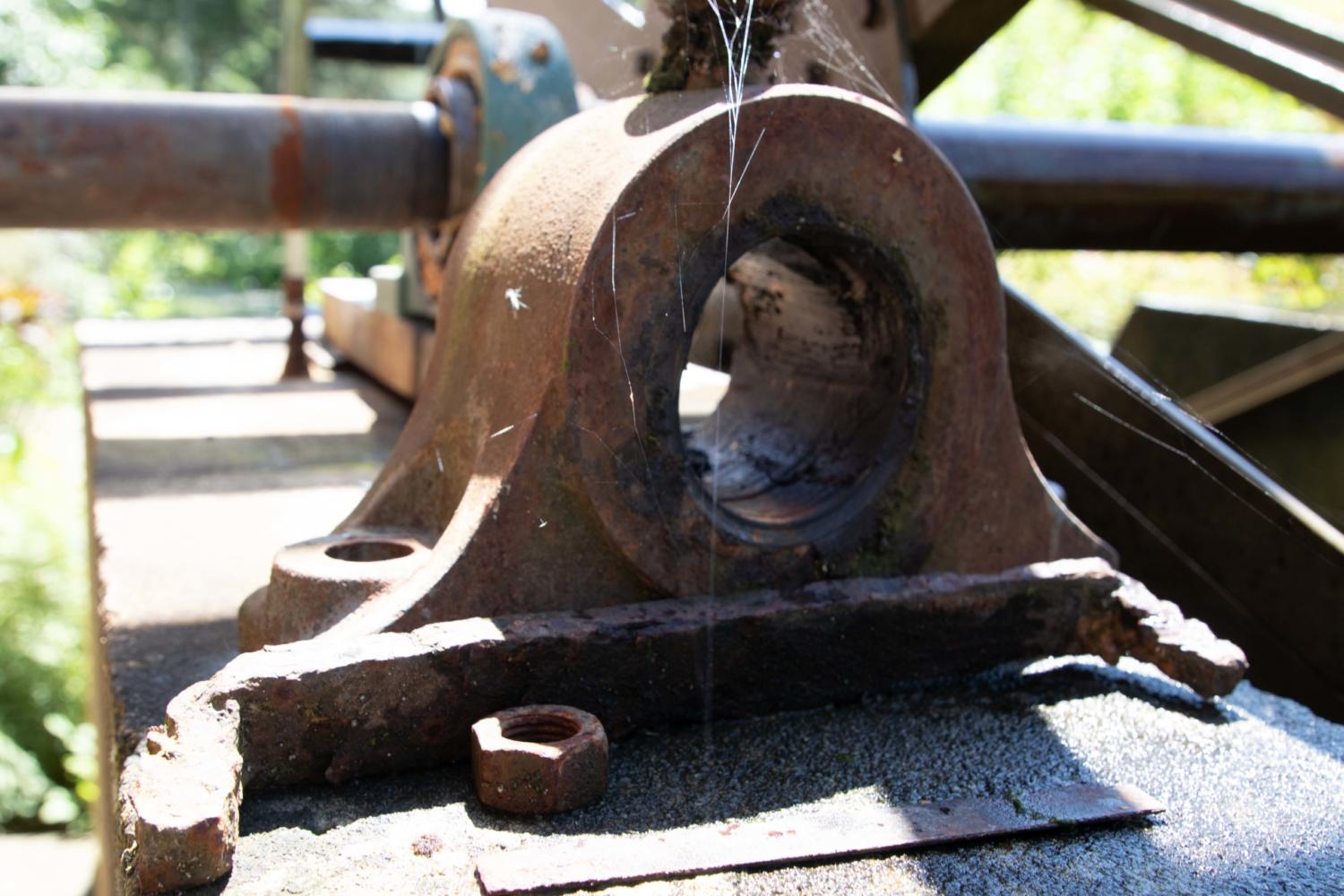
After decades of constant, round-the-clock rotation, the millwheel of the stone mill could no longer hide the signs of wear and tear: Both the left and right bearings had practically disintegrated; they had “worn out.” The worst part of this situation was the terrible squeaking that constantly echoed through the neighborhood. Ten years ago, a decision was finally made: We’ll block the millwheel; we’ll shut it down.

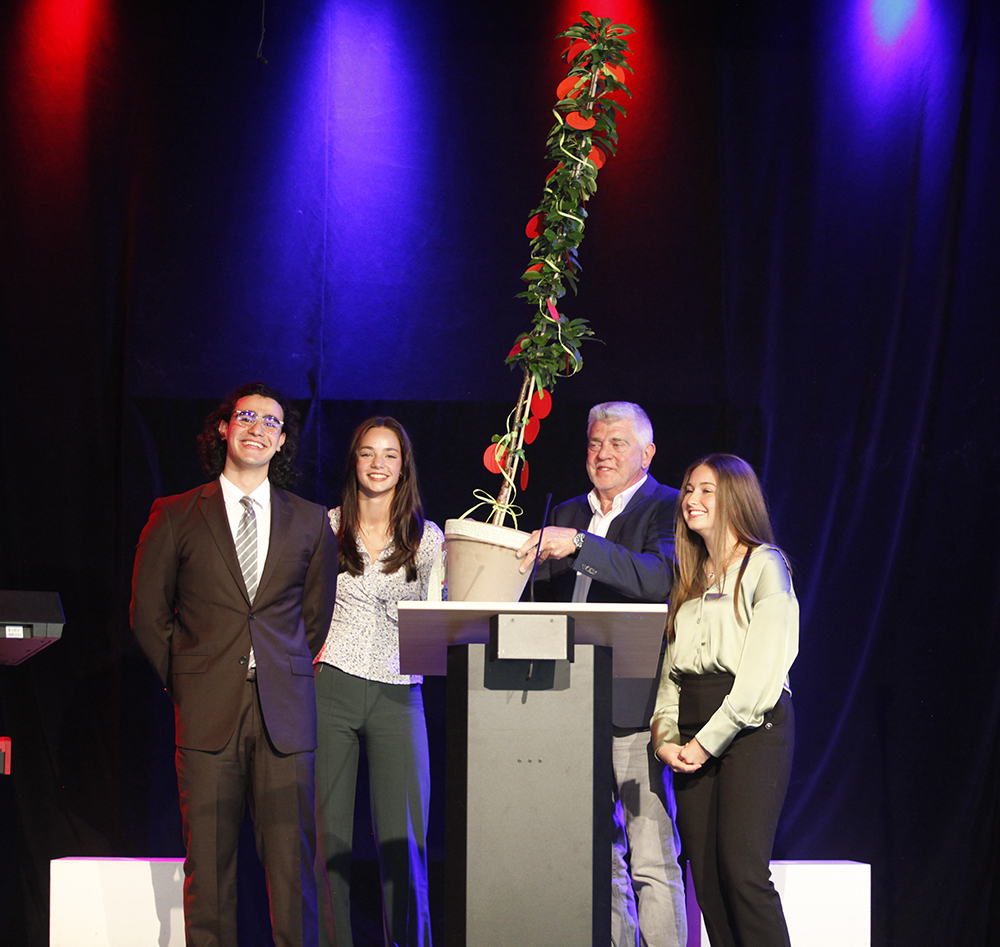
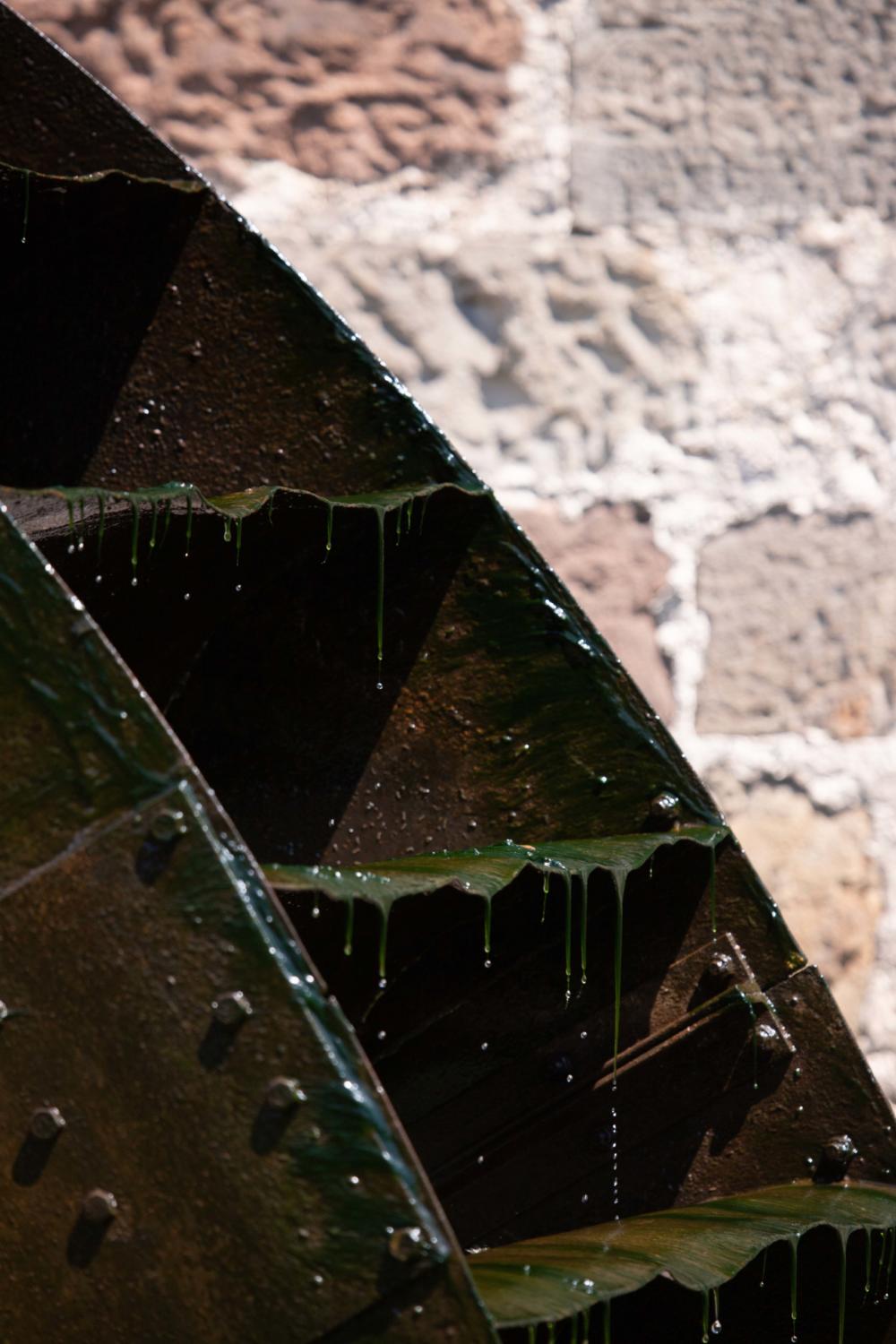
No matter how bustling the activity on the Steinmühle grounds became from then on, its millwheel—the actual symbol featured in the school and boarding school’s logo—stood still. Every now and then, voices were raised calling for the millwheel to be brought back to life. At first, to no avail.

A few months ago, a change began to take shape. At that time, Principal Björn Gemmer also suggested that people please take care of the traditional millwheel. With the upcoming anniversary, the time seemed right to take this step: “Steinmühle Moves” and “Steinmühle Runs” were the slogans used in recent promotional campaigns. — But the millwheel—was that supposed to stay put?

“We got to work on it,” recalls Till Buurman, referring to the challenging undertaking that could only be accomplished as a team. The mill wheel had to be lifted out using a hydraulic tool from the auto body repair trade, the kind normally used to straighten dented cars. Once it was jacked up, the old bearings were removed and new ones installed. The wheel was then put back in place—a meticulous process that required strength, patience, and skill.

That makes the excitement over the revitalized landmark all the greater across the entire Steinmühlen campus. And it’s not just the school administration and management who are thrilled to see things in motion everywhere—in the school and the boarding school—and even when looking at the mill building.


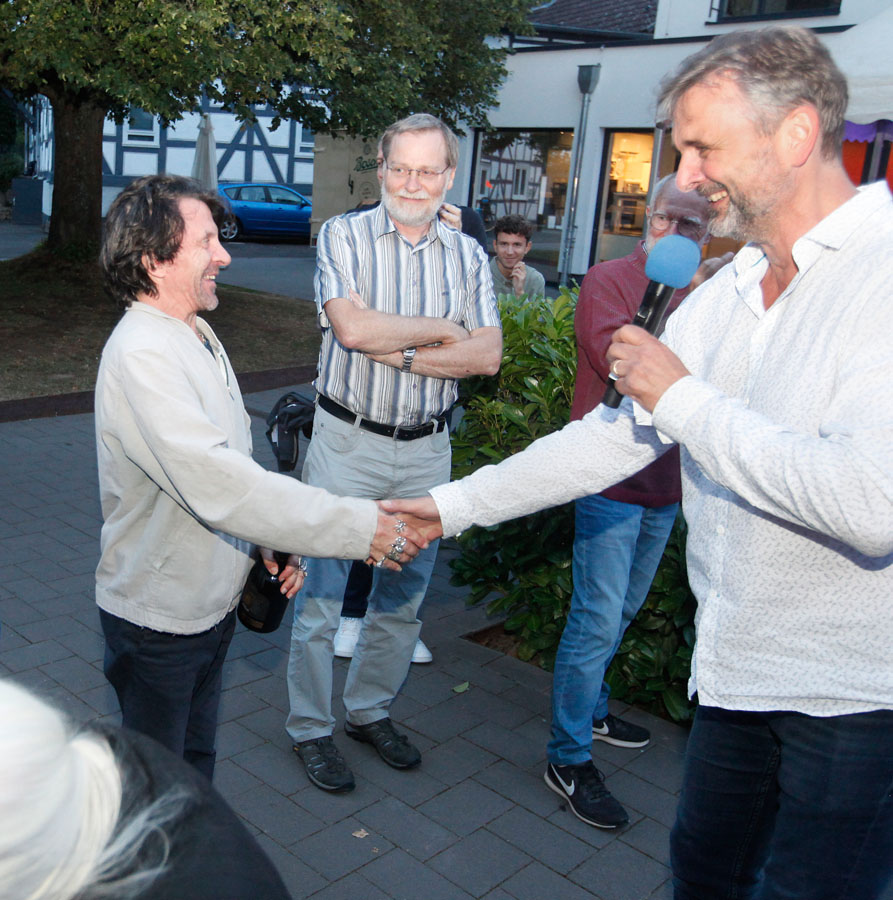
Willi Stehling? The one who teaches the wind instrument class…? The one from the ski course…? The one who writes books…? The one who gives lectures? The one who taught geography…? The one from the 5th-grade choir…? The one who taught swimming…? The one who works as a tour guide?

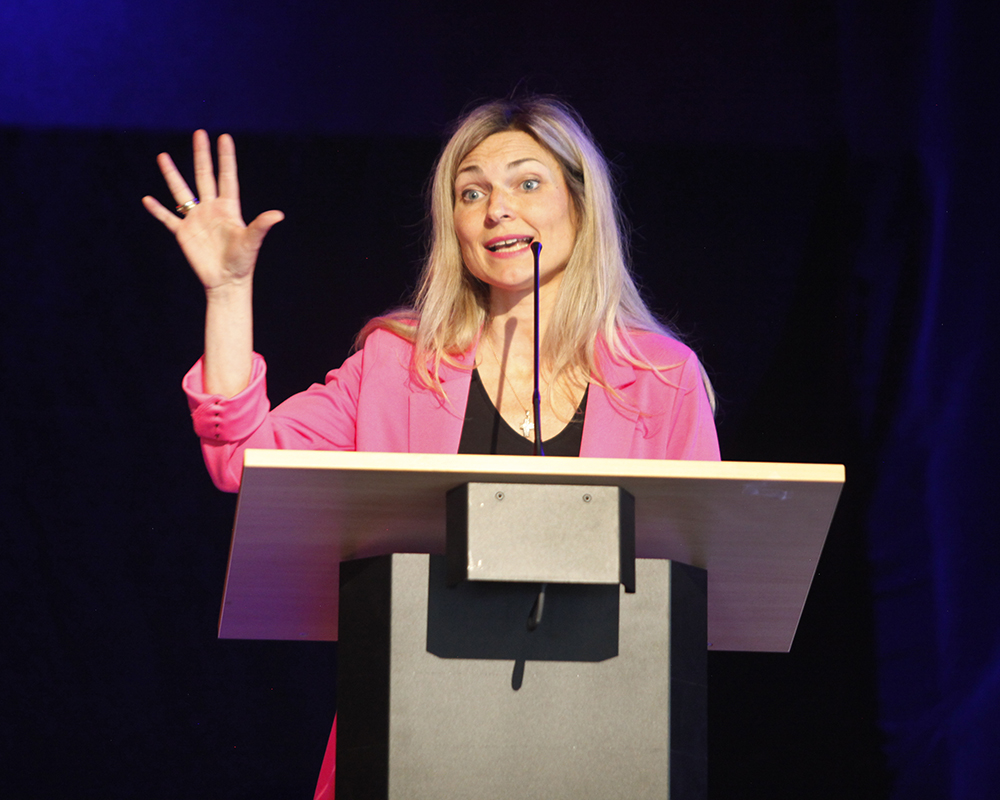
– That’s all correct. The versatile retired teacher returns to the Steinmühle regularly—to have coffee with other alumni, but also to give lectures. History is what fascinates him, and to share the history of Marburg and take people on a journey into the past of our university town, Stehling also works as a city tour guide. He has already written several books to share his wealth of knowledge, preserve details, and give readers a sense of just how many interesting events have taken place in our historically rich city.

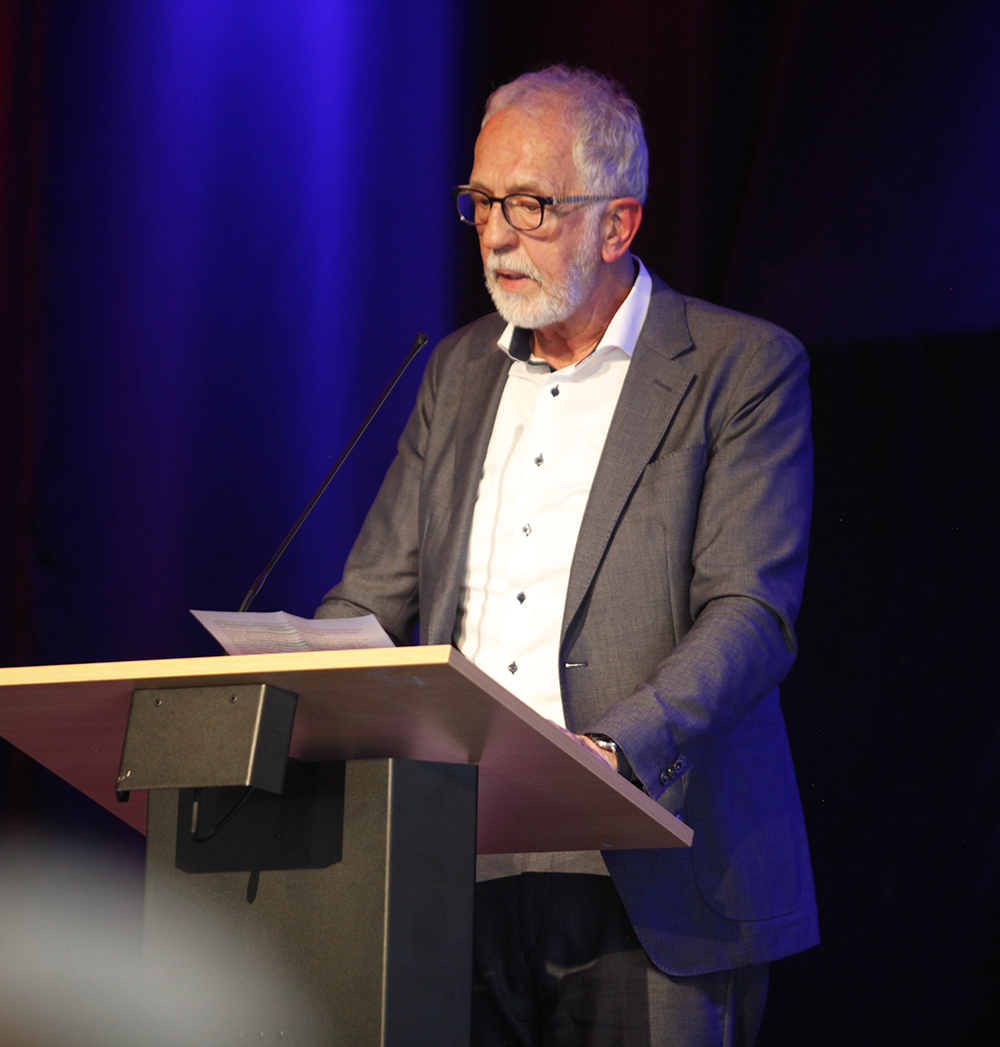
Historian Stehling’s connection to the Steinmühle, his former employer, virtually inevitably led him to compile a chronicle to mark its 75th anniversary. It was obvious that Stehling would put the earliest details of the Steinmühle into words: the history of the Steinmühle building, the origins of the rural school camp, and the prehistory and early history of the school and boarding school.

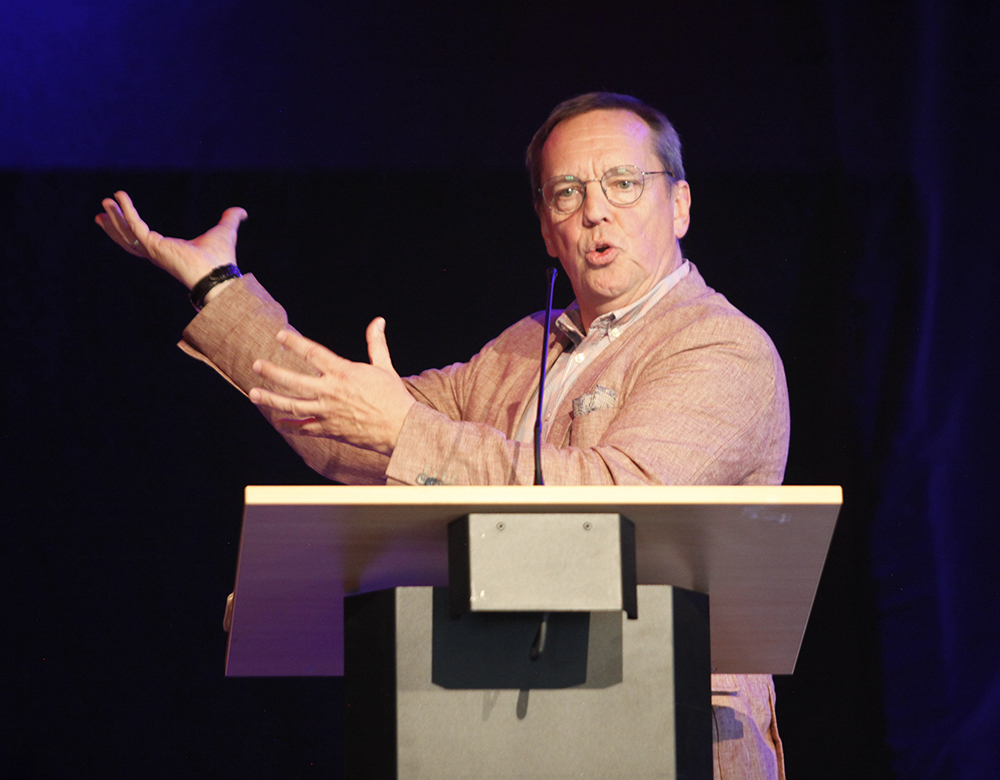
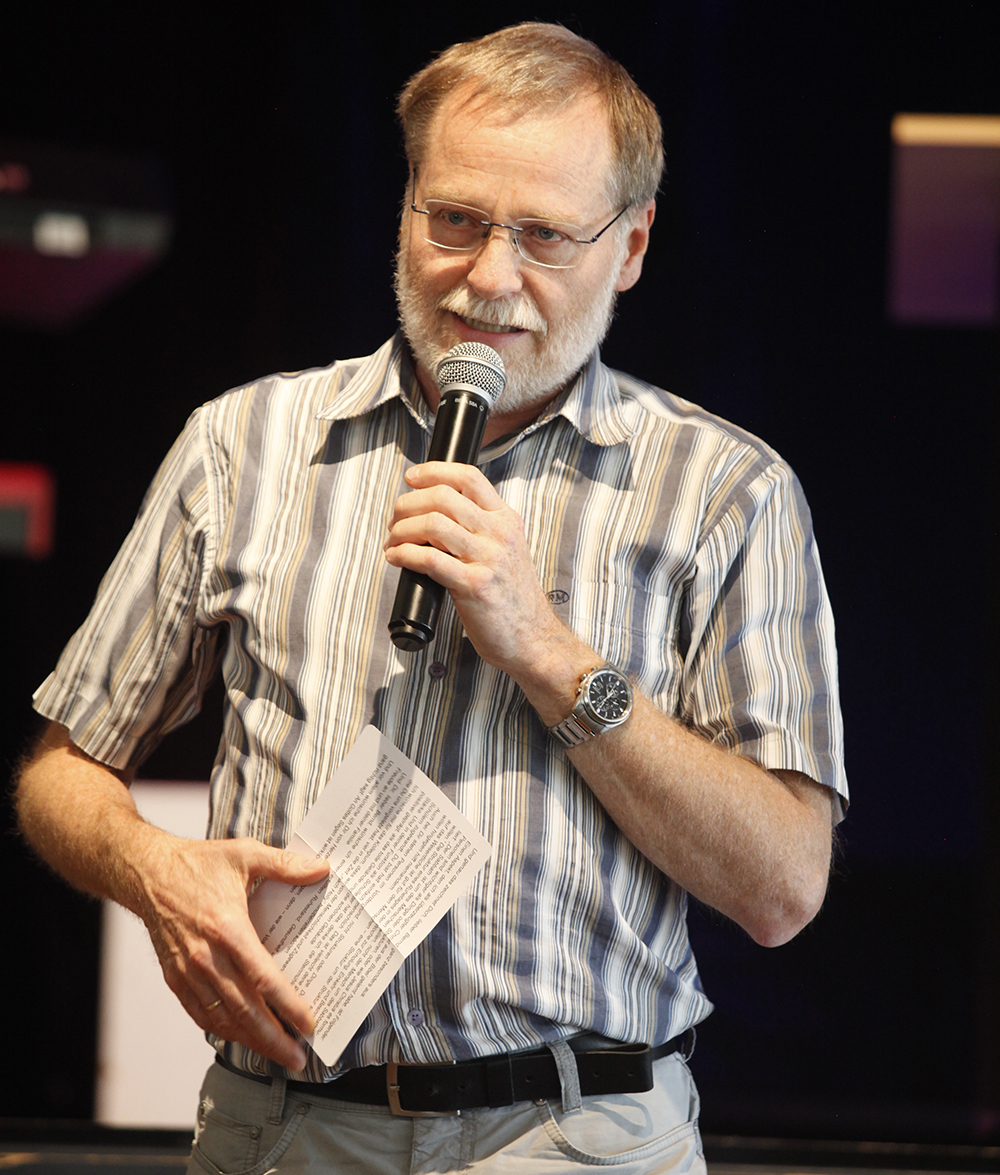
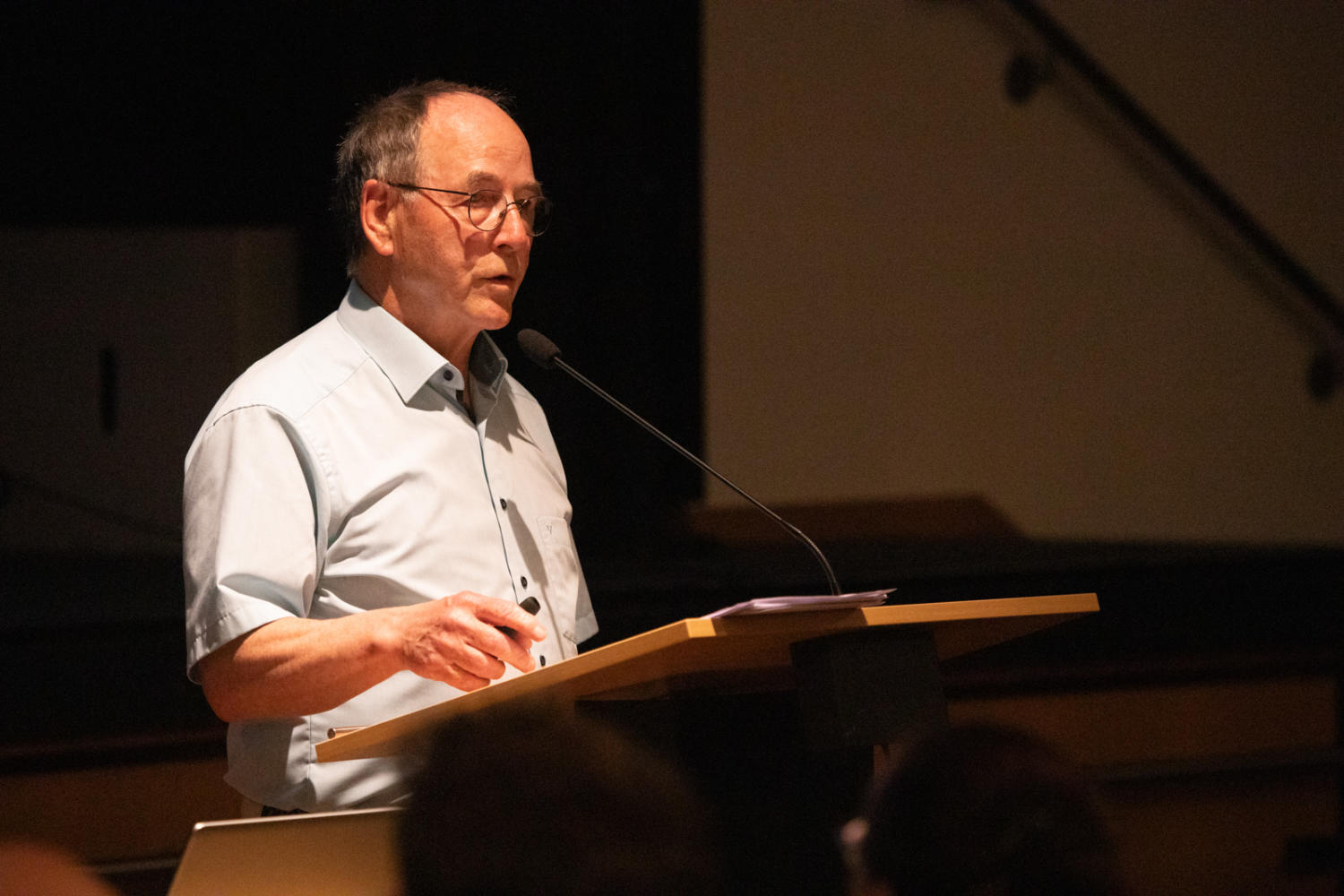
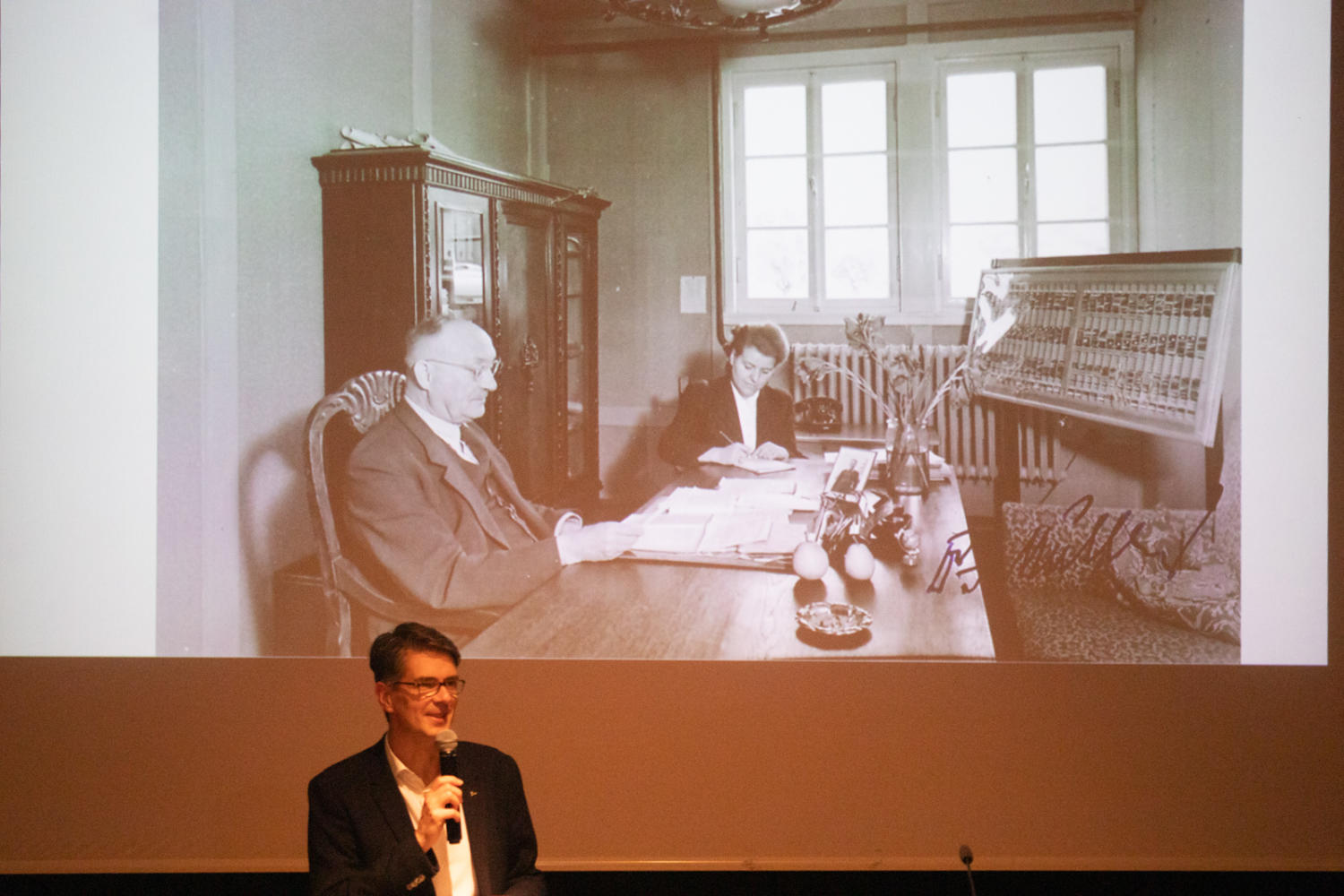
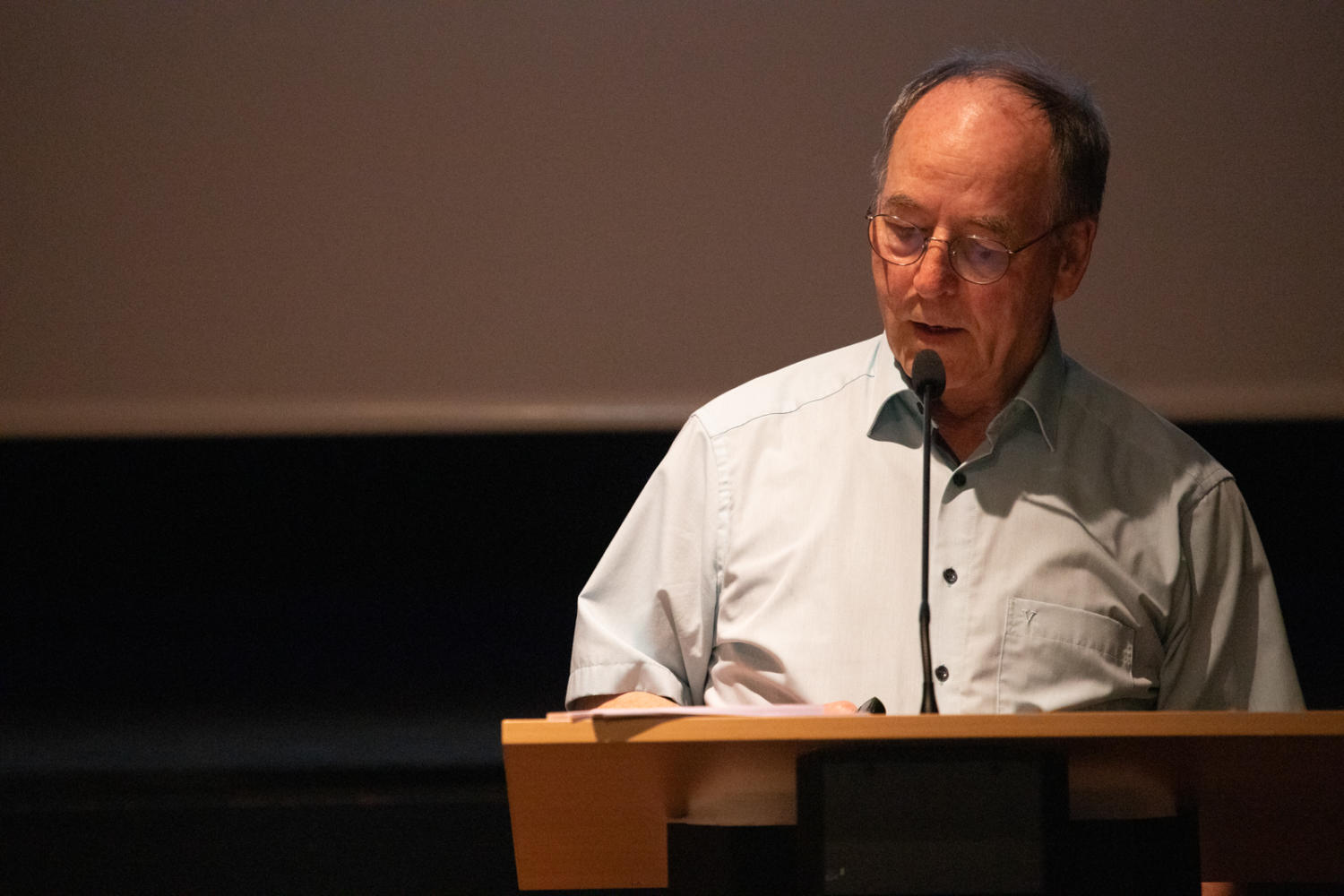
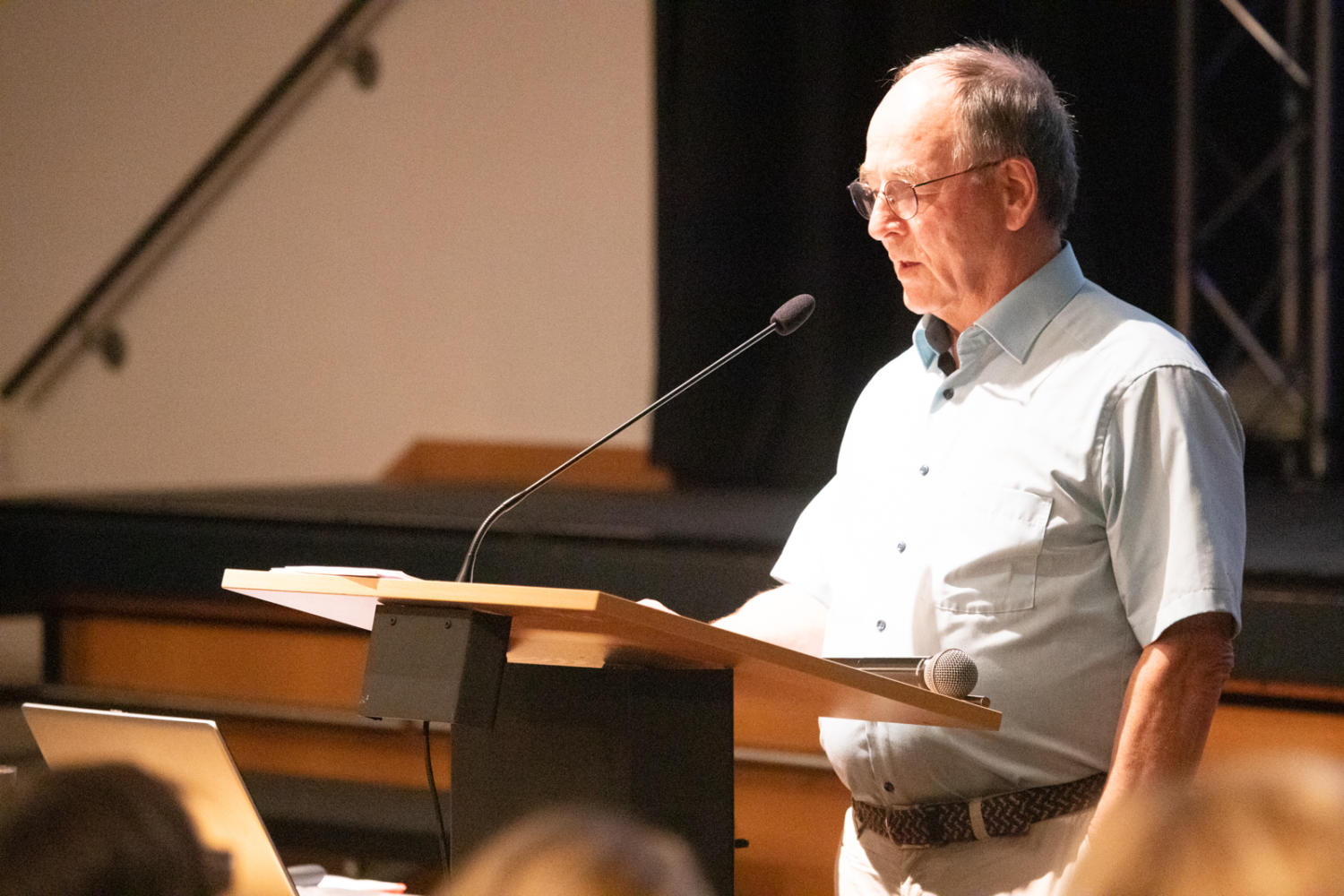
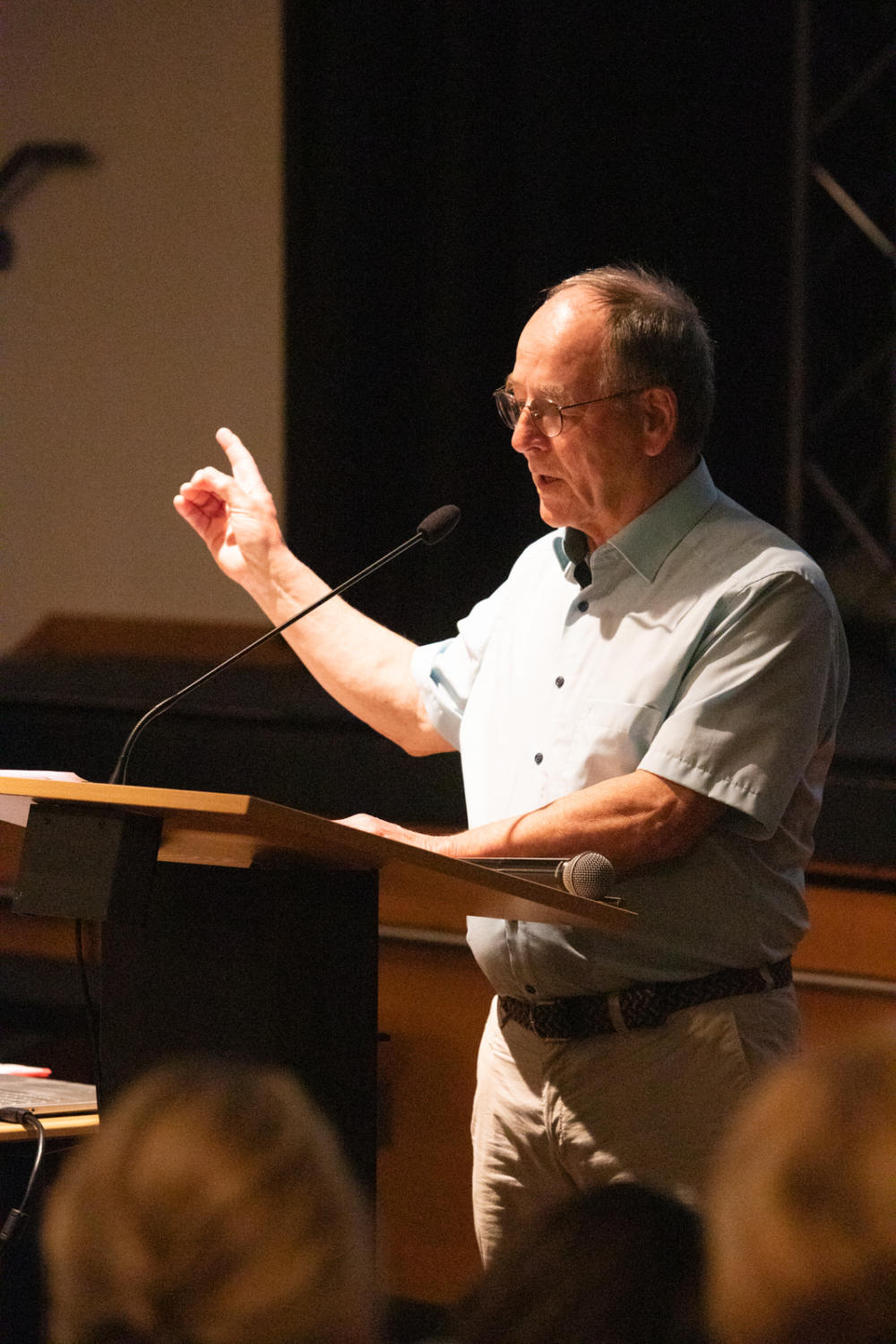
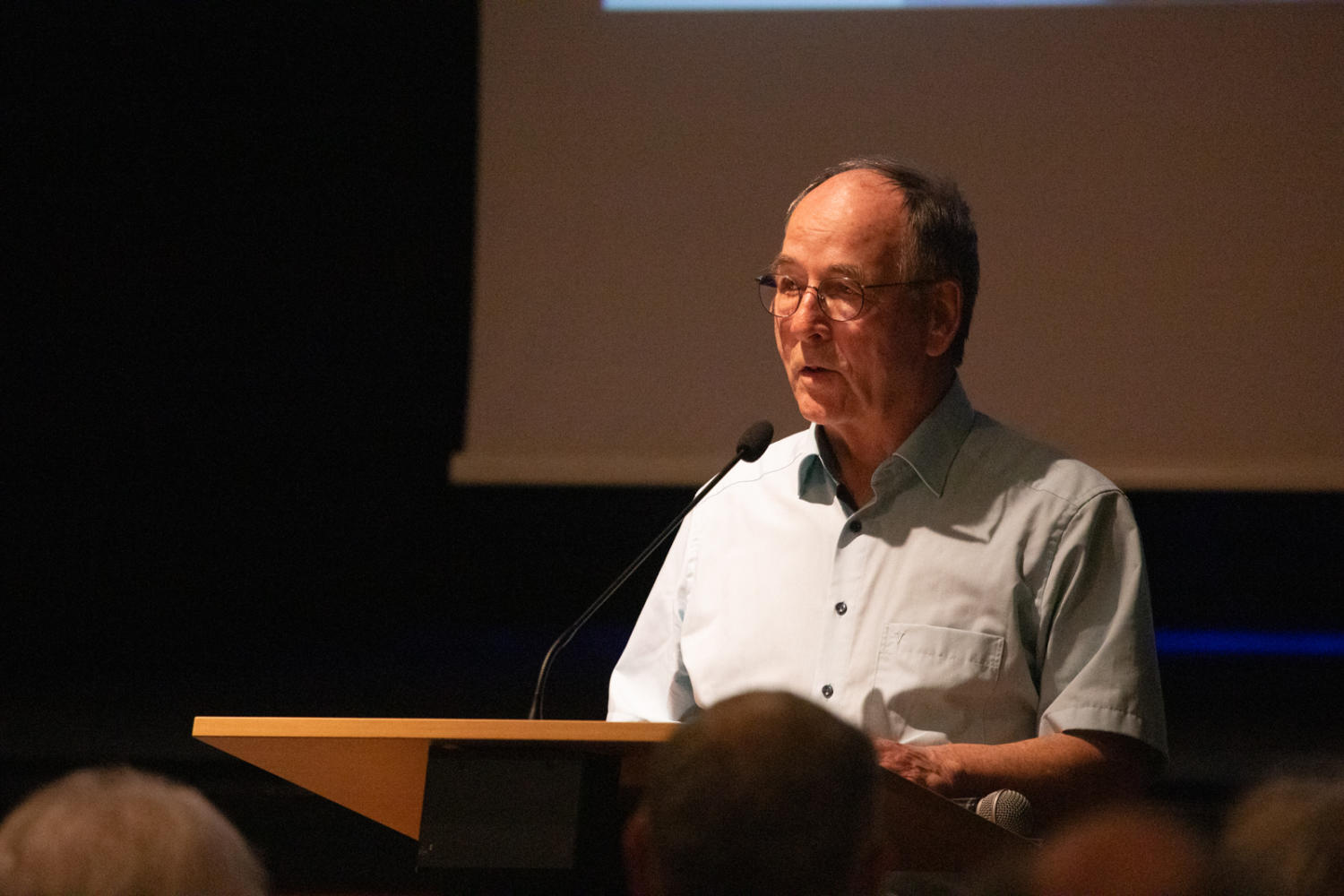
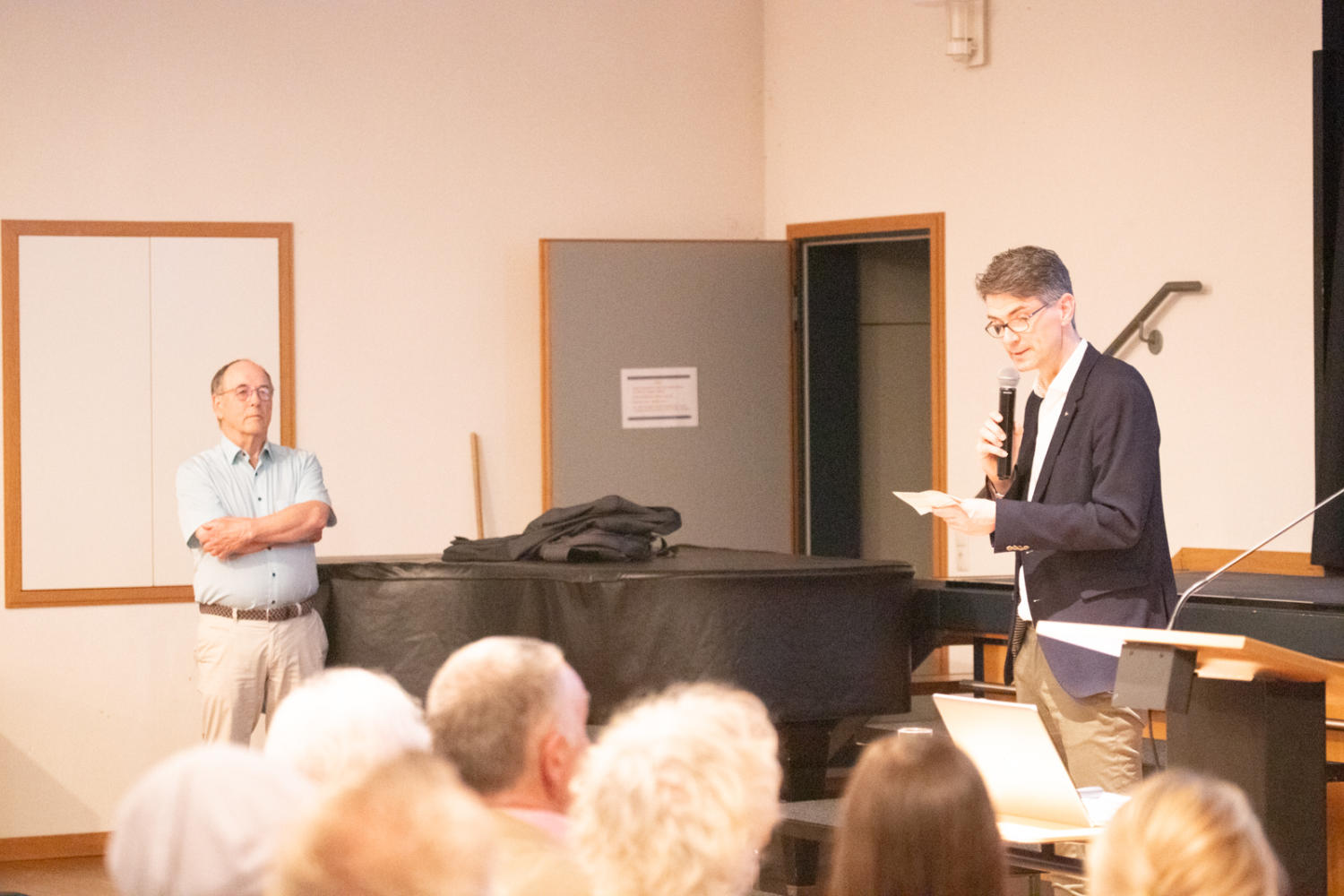
The Steinmühle celebrated its anniversary as a school on May 10, 1049. 75 years and two days later, Willi Stehling stood in the Steinmühle auditorium and gave a lecture on “Dr. Joseph Müller and His Private Schools in Marburg”—a historical retrospective tracing the school’s origins, without which it is difficult to understand Steinmühle.

Founder Joseph Müller and educator Gerhard Buurman were brought together through their activities in the Association of German Private Schools. Buurman invested 40,000 Deutschmarks in Steinmühle, which had 123 students on May 10, 1949. As an independently operated school and boarding school, the then “Landschulheim Steinmühle” received state recognition in 1955. In 1973, the Steinmühle had 226 boarding students—more than ever before and more than ever since.


Excellent research

To compile a work that not only presents facts spanning 75 years but is also an enjoyable read, one needs not only historical research but also archival work done with passion. This was accomplished by Edeltraud Buurman, the wife of Frerich Buurman, the son of Gerhard Buurman. It was a magnificently accomplished—and by no means easy—task that brought to light just how much activity, life, and movement have taken place on the Steinmühlen campus over the past 75 years.


Direction, Organization, Overview

The lead role in conceptualizing this 187-page work was entrusted to the person who already keeps track of everything in day-to-day school life: Principal Björn Gemmer. Alongside Willi Stehling and numerous individual authors, he also contributed a great many pieces to the overall work, ensured the correct sequence and proper alignment of text and photos, and made the layout process run smoothly.

After a busy anniversary season filled with numerous events, the Steinmühle is now taking a summer break before kicking off its “75 plus 1” year.

Currently, the school has a total of 820 students, of whom about 100 live in the boarding school and the rest are day students from the city. There are currently about 1,000 people on campus, including all staff members.

To mark the 75th anniversary of the Steinmühle next year, the school and boarding school have set a milestone: Starting January 1, 2024, both institutions will operate under one roof. To this end, Steinmühle gGmbH—a wholly owned subsidiary of the Steinmühle Marburg School Association (Schulverein Steinmühle Marburg e.V.)—will take over the business operations of Landschulheim Steinmühle GmbH & Co. KG. Dirk Konnertz, who has been managing the school association’s affairs since 2013, will also serve as managing director of the newly founded company.

The Steinmühlen Campus is large: It encompasses far more than just the buildings housing the high school, the international high school, the bilingual elementary school, the daycare center, the Forum, and two sports halls. The gGmbH will become the owner of all the land, the additional school and residential buildings, as well as the cafeteria, riding stable, and hydroelectric power plant.


A Win-Win Outcome After Fair Negotiations

For a year, boarding school director Olaf Bien and school director Dirk Konnertz had been negotiating the planned move in order to work out all the details by mutual agreement. “We deliberately took this time for fair negotiations in order to ultimately reach a win-win solution,” Dirk Konnertz recalls. Both sides are proud of the outcome and this historic step, which was taken shortly before the 75th anniversary of this long-established educational institution.

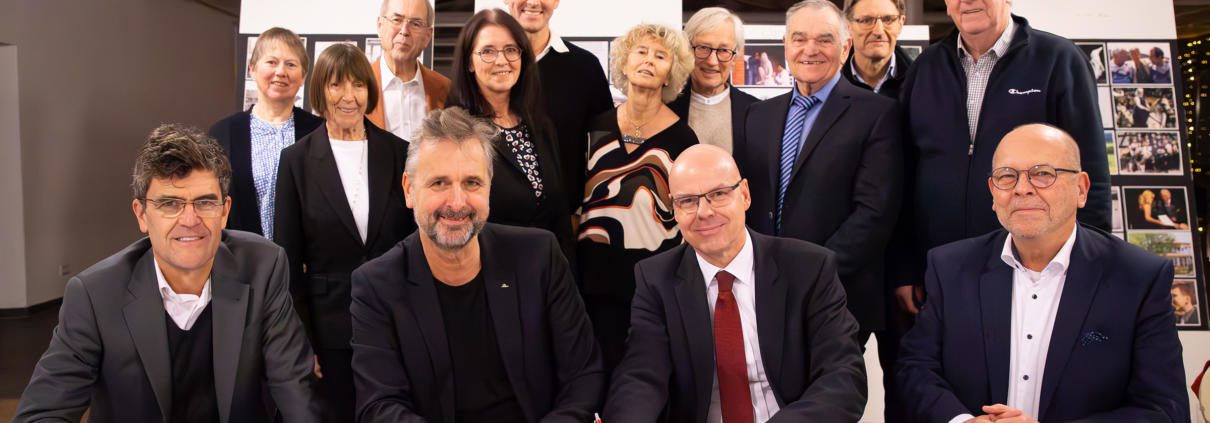
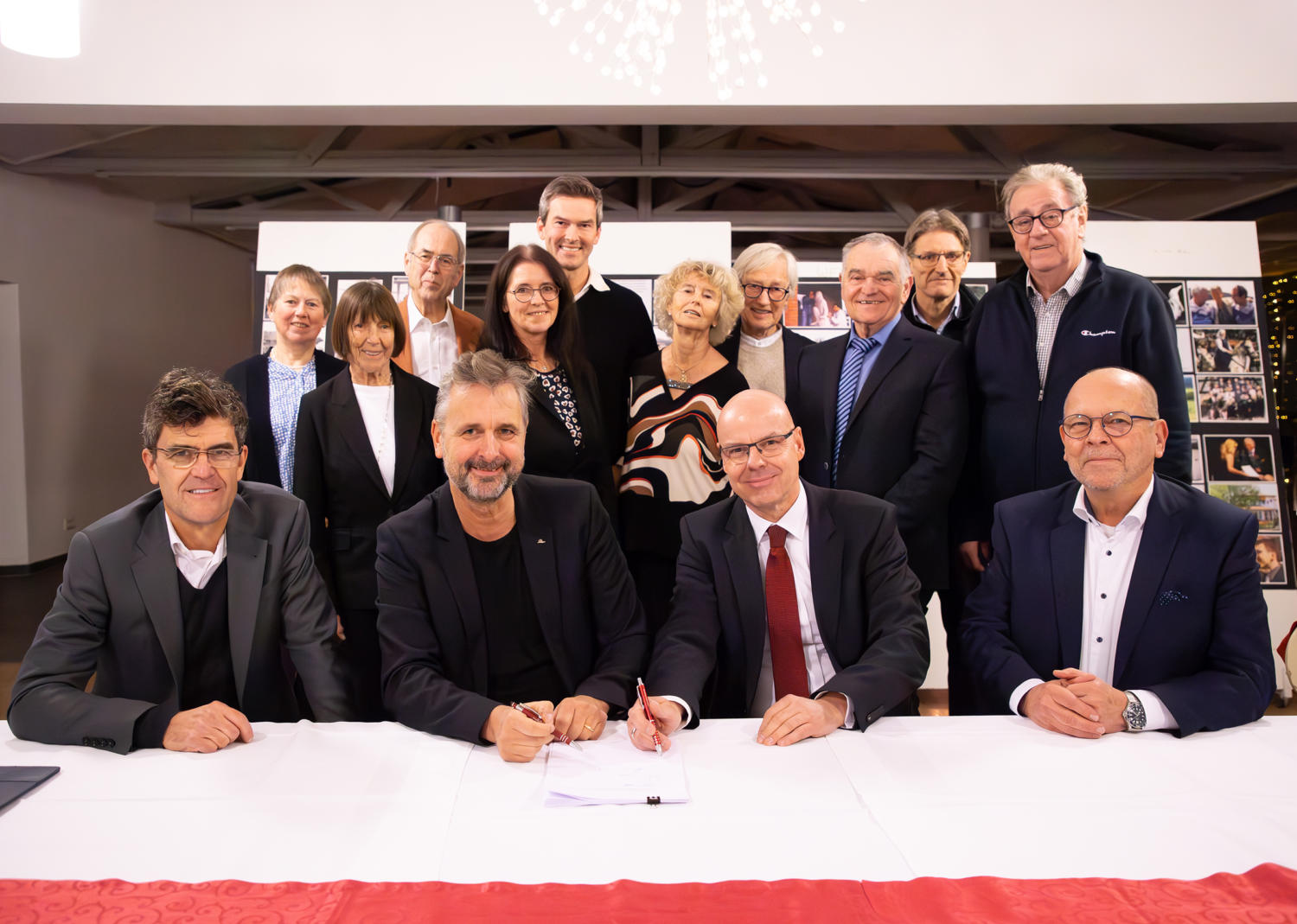
While the anniversary celebrations are scheduled for June 2024, the parties have already toasted the signing of the current agreement: Following a two-hour notarized presentation of the agreement’s contents by Notary Dr. Anton Schmölz, the parties signed the document. The occasion was celebrated with the second and third generations of the Buurman founding family, the board of the school association—Egon Vaupel and Gerhard Müller—senior staff members of the boarding school, and the school administration team led by Principal Björn Gemmer: “The school and the boarding school have always been in agreement regarding their educational goals, which has always allowed us to work well together at the operational level—that is, when it came to the students,” Gemmer recalls, adding: “I have great respect for the Buurman family for selling their family business to secure a positive future for Steinmühle. Emotionally, that certainly wasn’t easy.”

Further development of a modern and internationally oriented educational institution

The creation of the systemic conditions needed to implement our shared educational philosophy even more effectively through meaningful programs and offerings at Steinmühlenweg coincides with a shift in the image of German boarding schools. Located in the heart of Germany and the heart of Hesse, just outside the university city of Marburg and not far from the metropolis of Frankfurt, Steinmühle is one of the talent-oriented, modern, and internationally oriented institutions that, with their exceptionally diverse academic offerings, enable both specialization and personal development in equal measure, and at the end of students’ academic careers send young, cosmopolitan individuals out into society.

Managing Director Dirk Konnertz: “This development—made possible by our dedicated employees—can now advance even further and be secured thanks to the steps we have taken. The transformation of our Steinmühle into a sustainable educational institution for future generations now has a promising foundation.”


The culmination of twelve months of fair negotiations was the signing of the agreement last Friday. Front row, from left: Dr. Anton Schmölz, Dirk Konnertz, Olaf Bien, Dr. Randolf Boetzkes. Back row, from left: Anke Saß, Johanna Buurman-Rogalla, Frerich Buurman, Christiane Buurman, Gerrit Buurman, Gisela Buurman, Friedhelm Faecks, Gerhard Müller, Erwin Löber, Egon Vaupel.


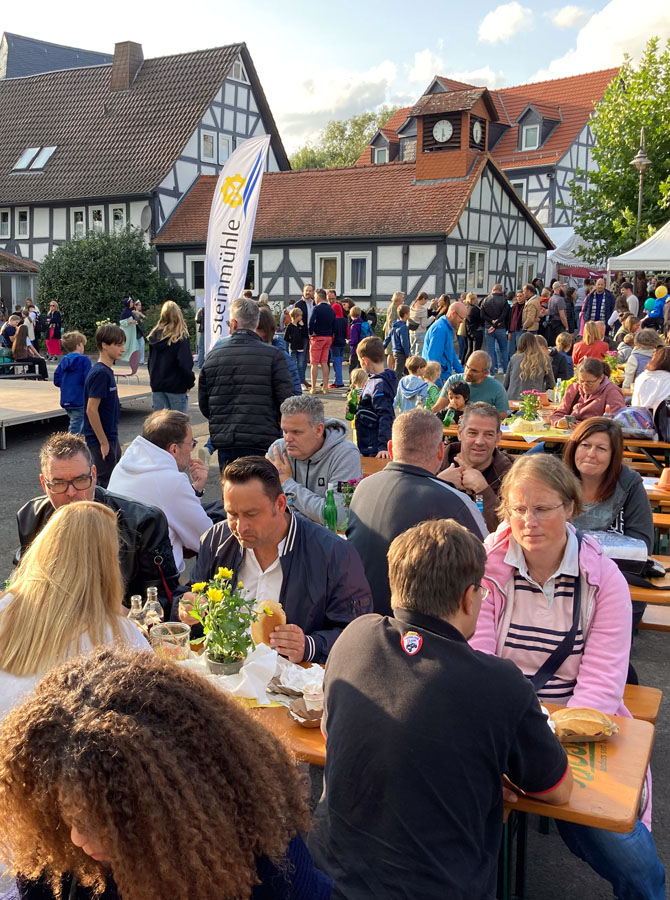
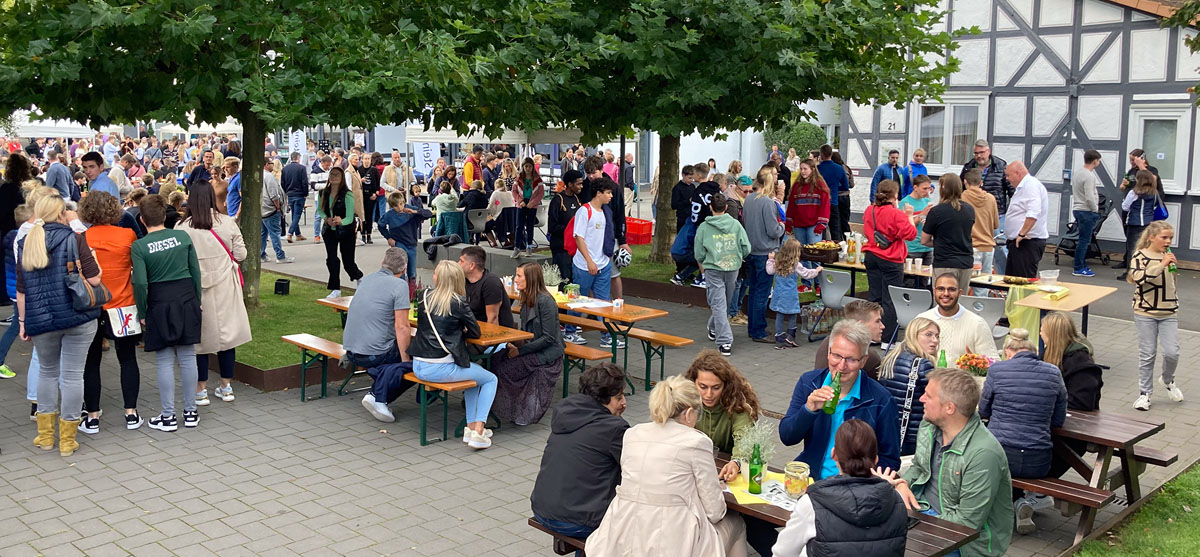
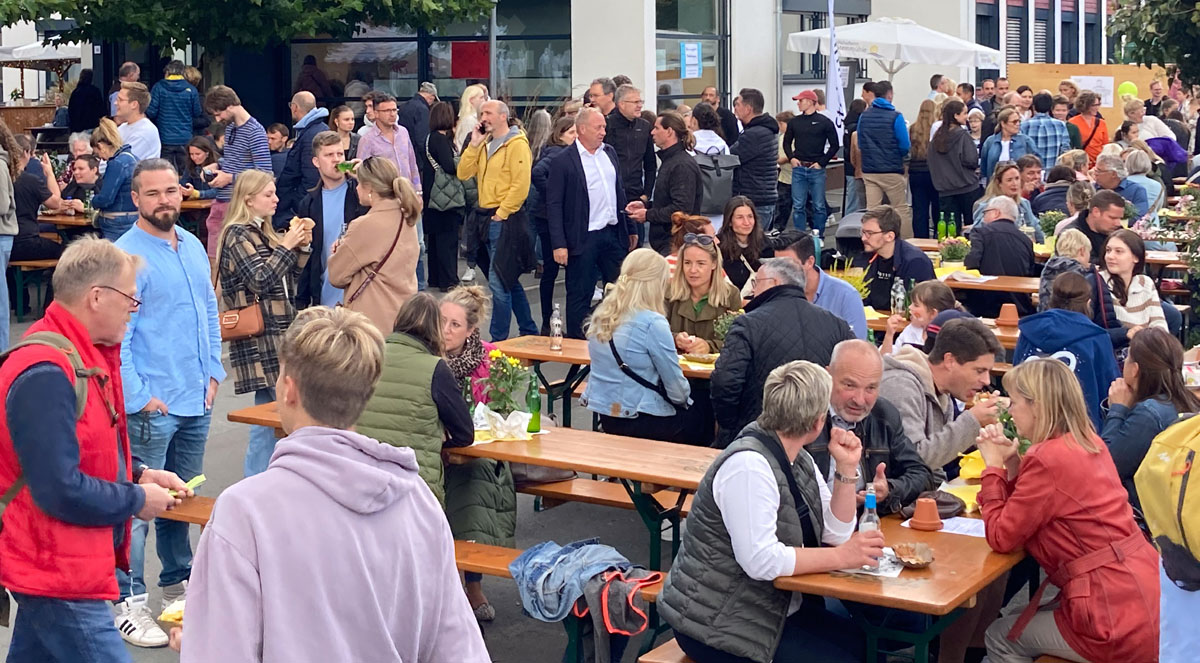
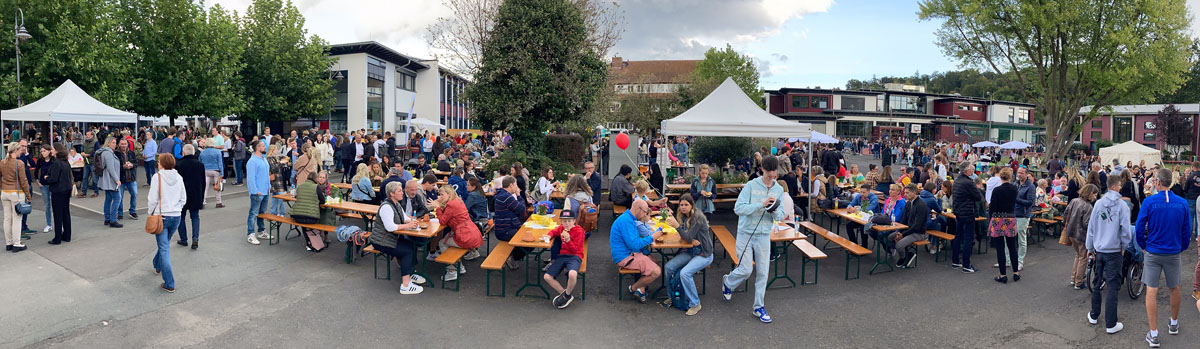
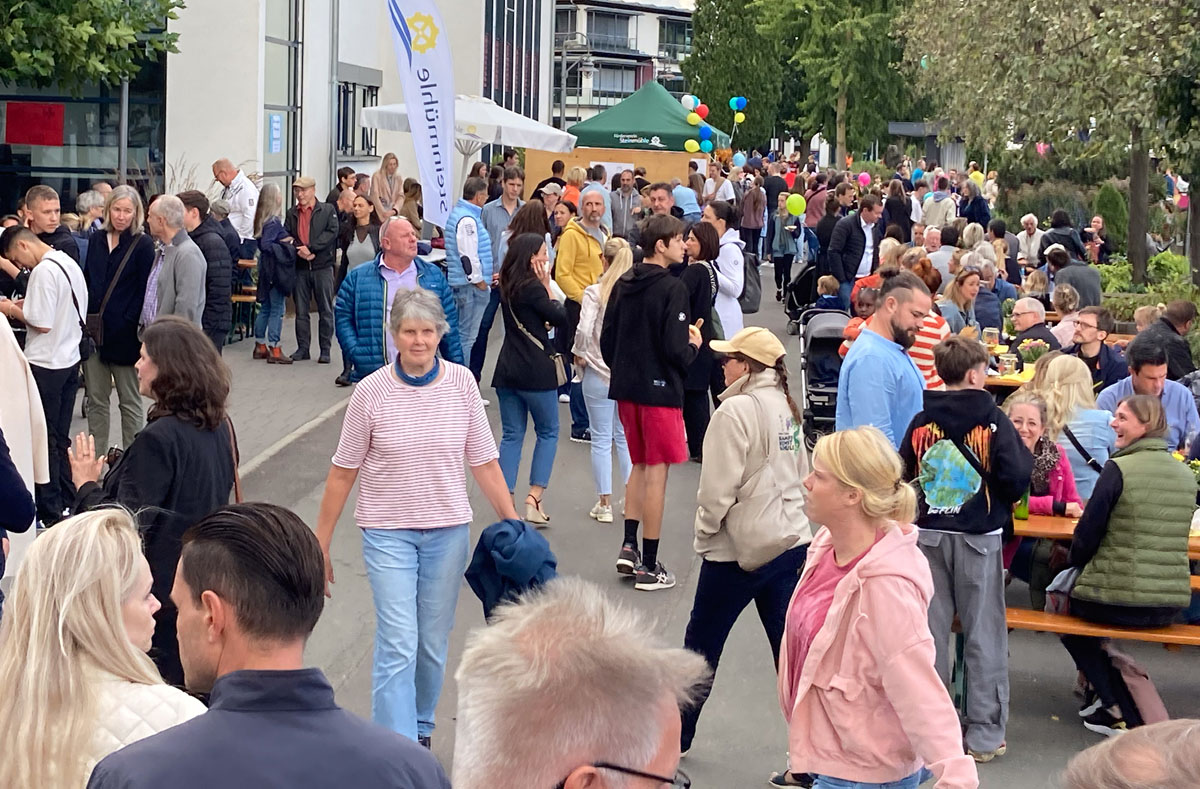
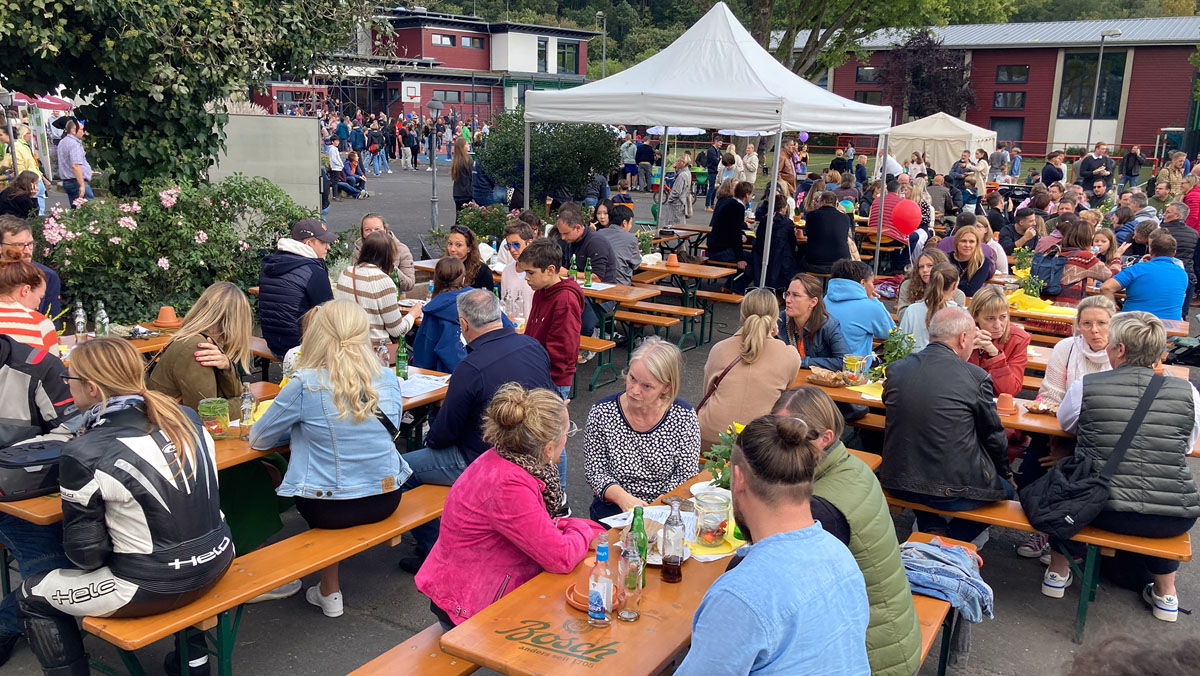
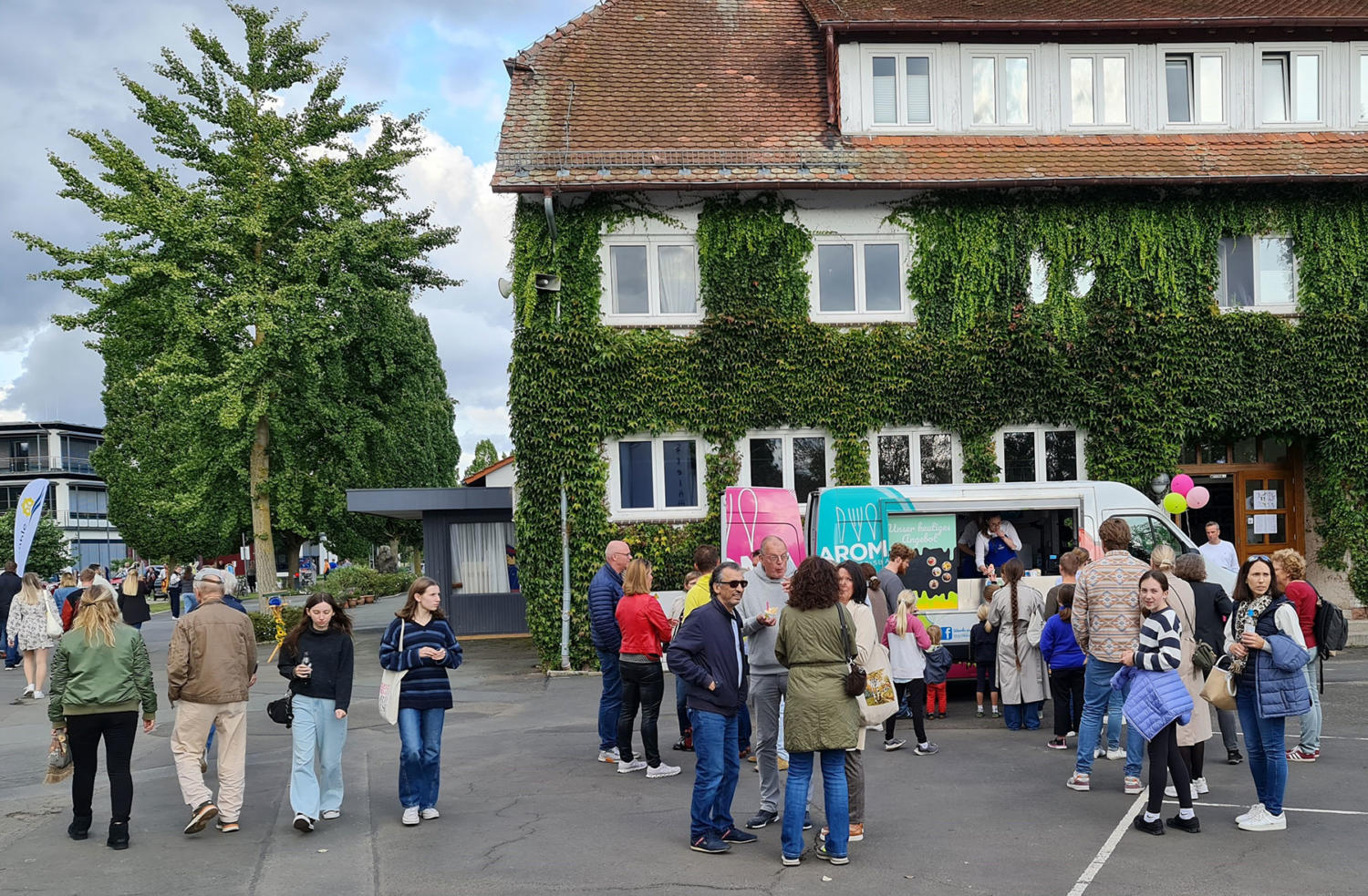
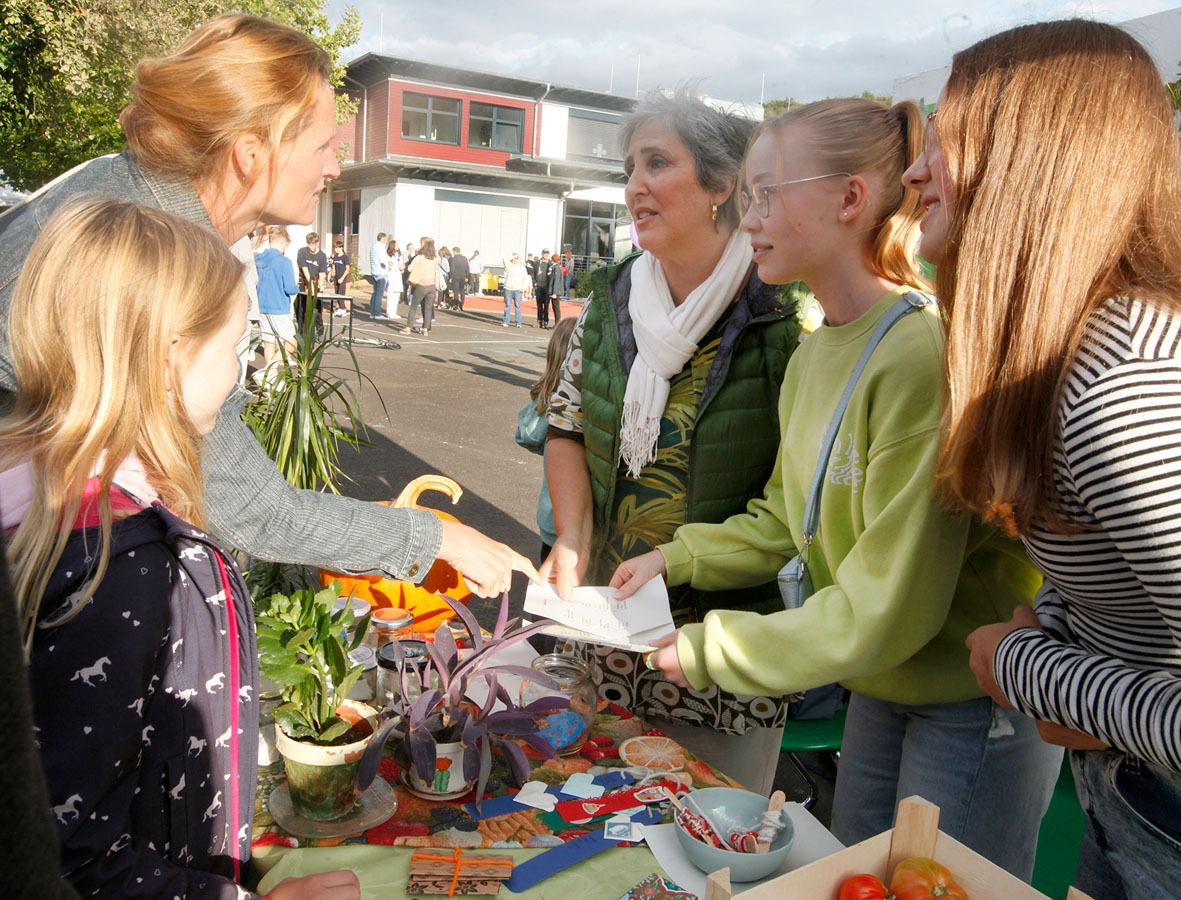
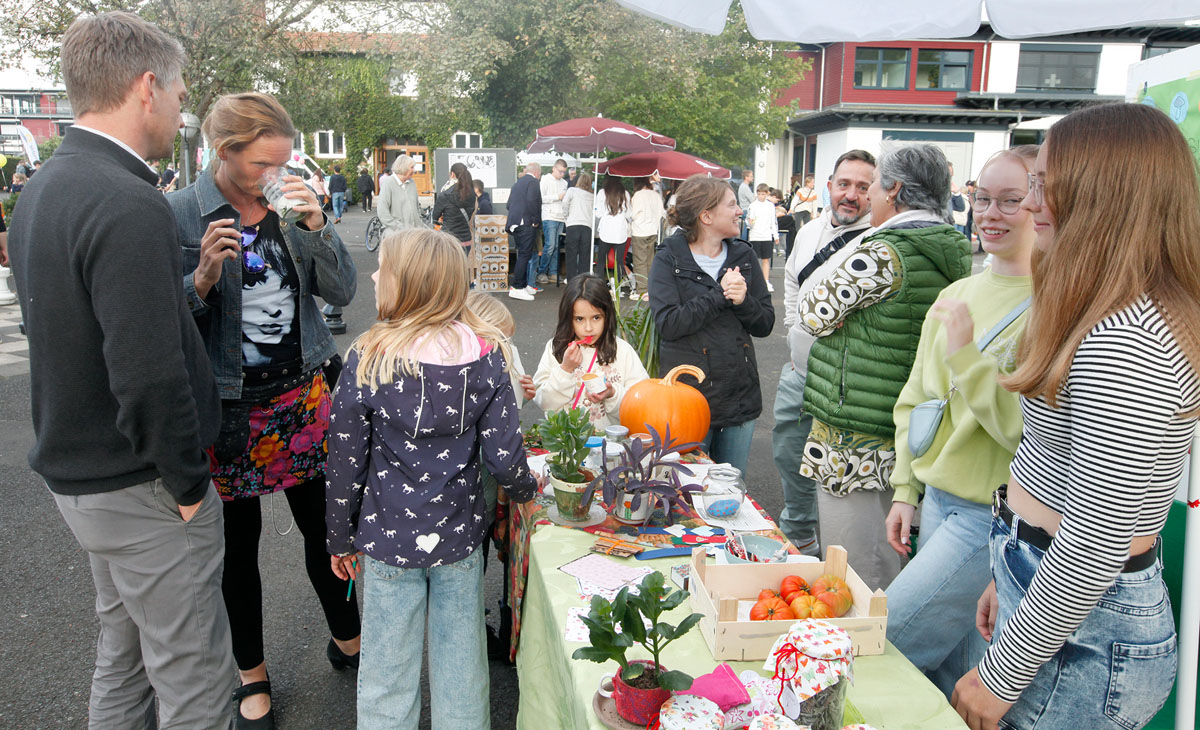
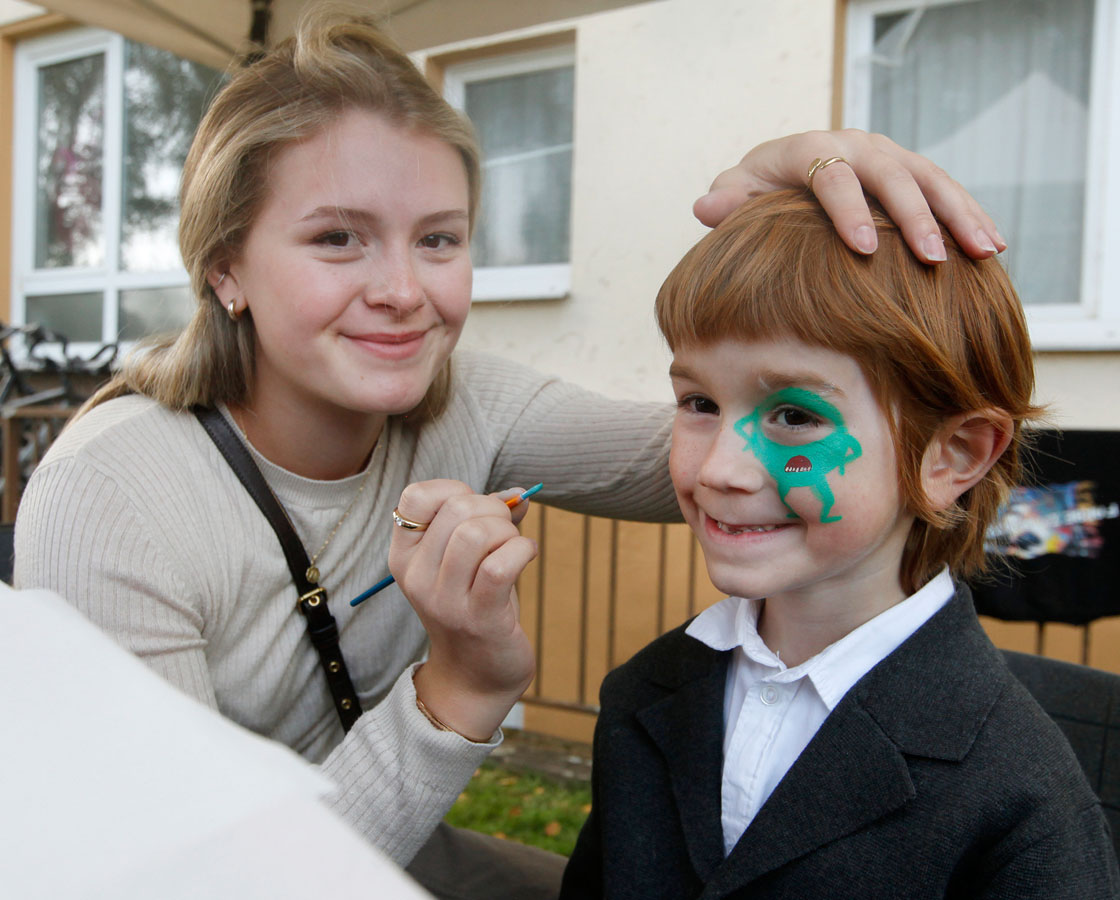
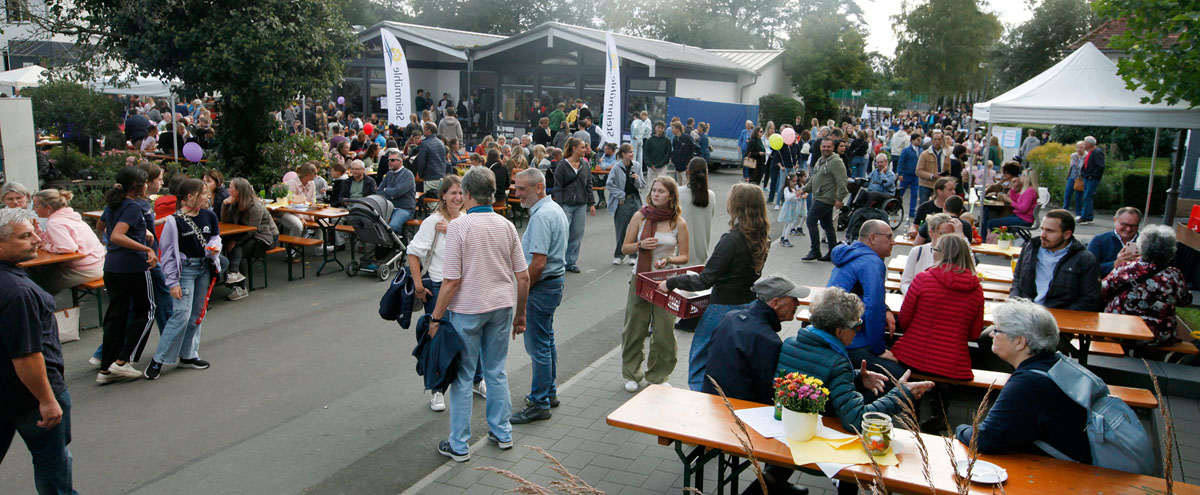
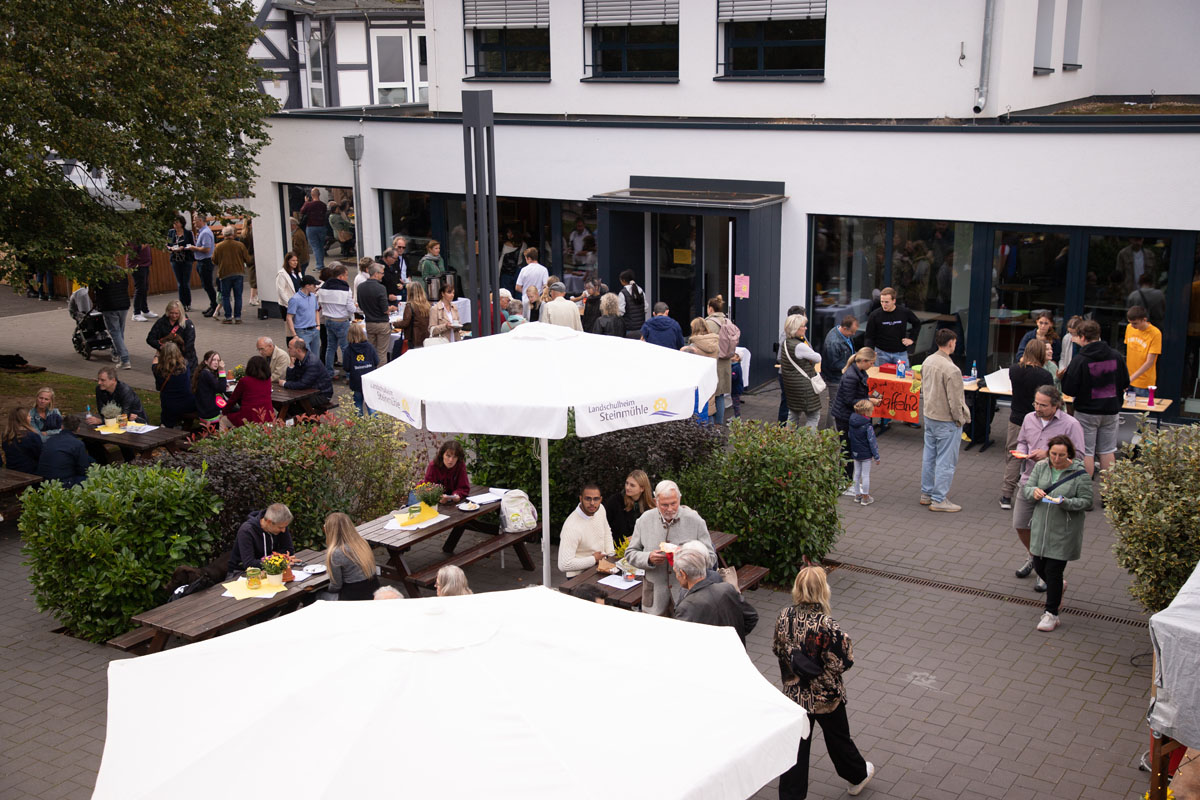
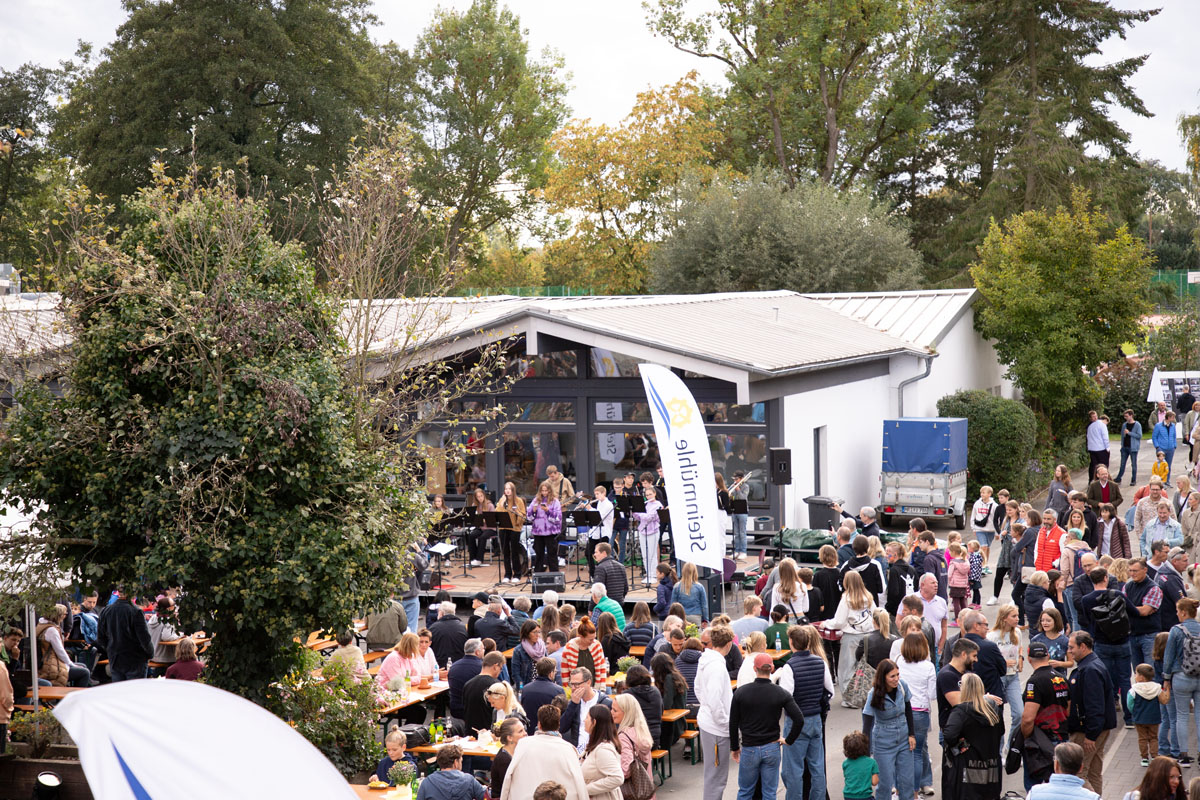
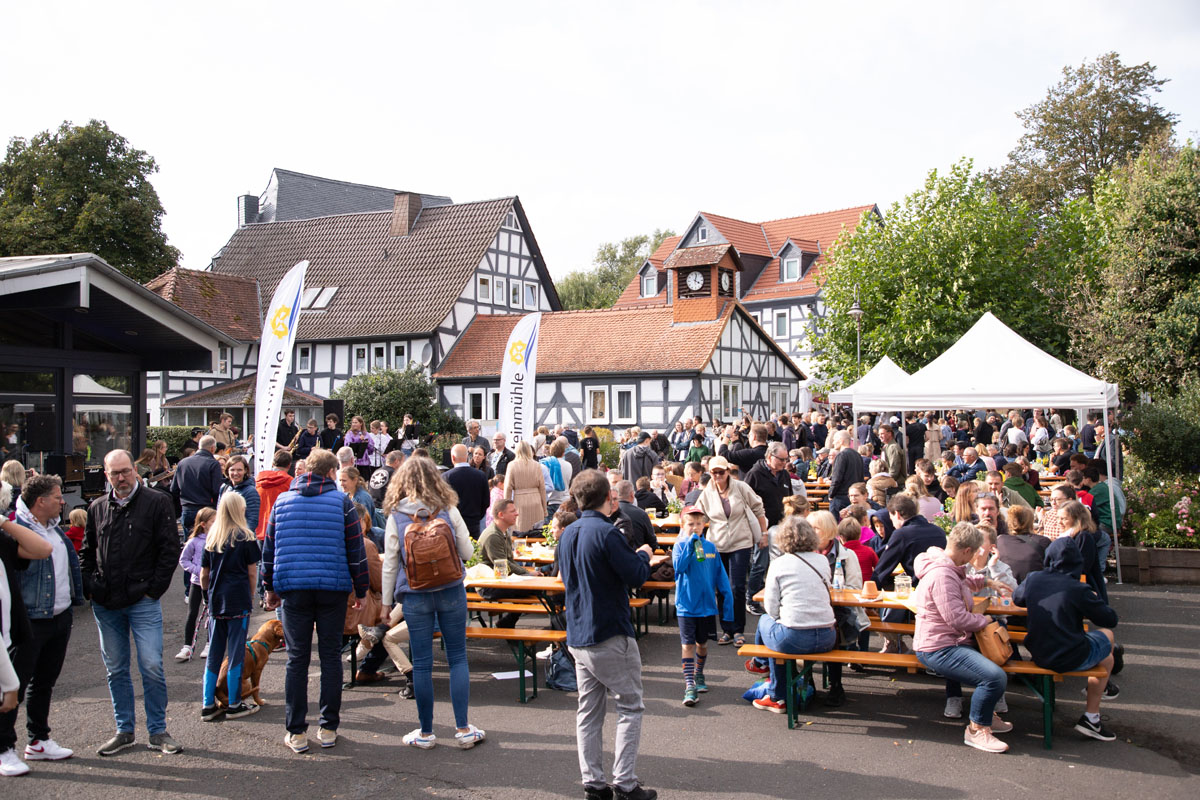
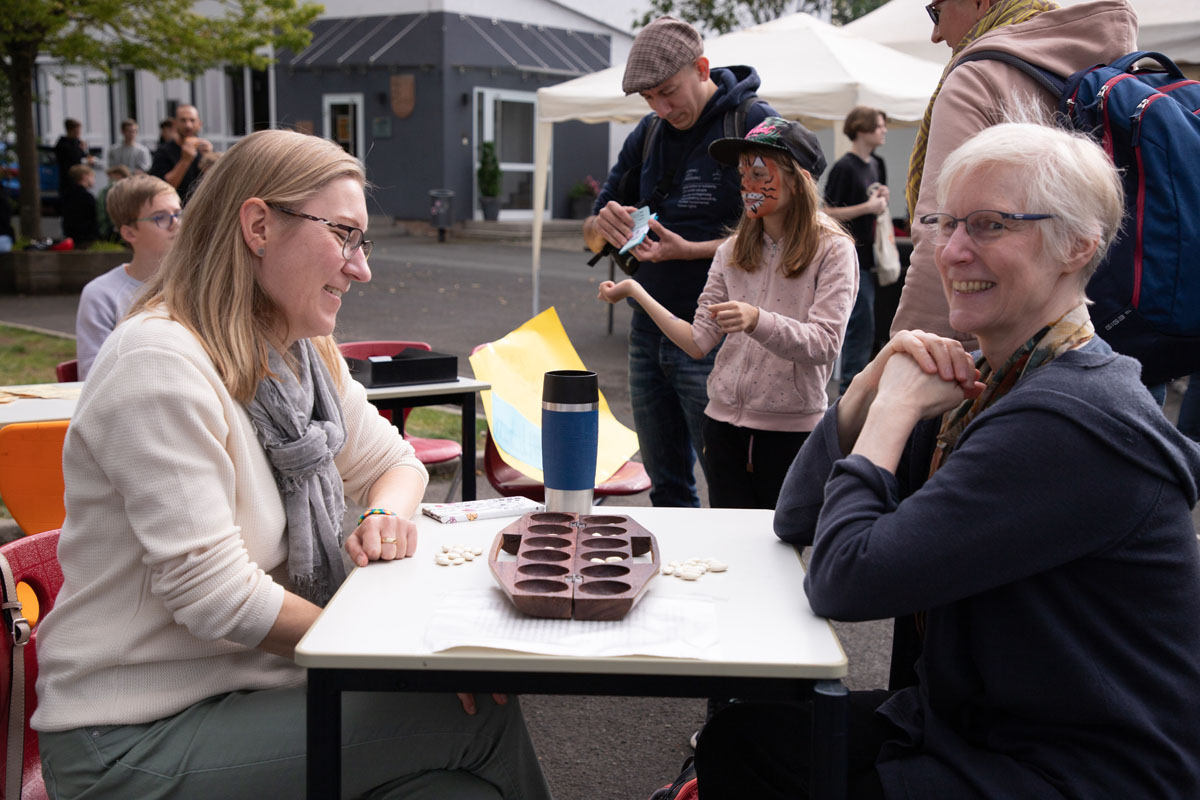
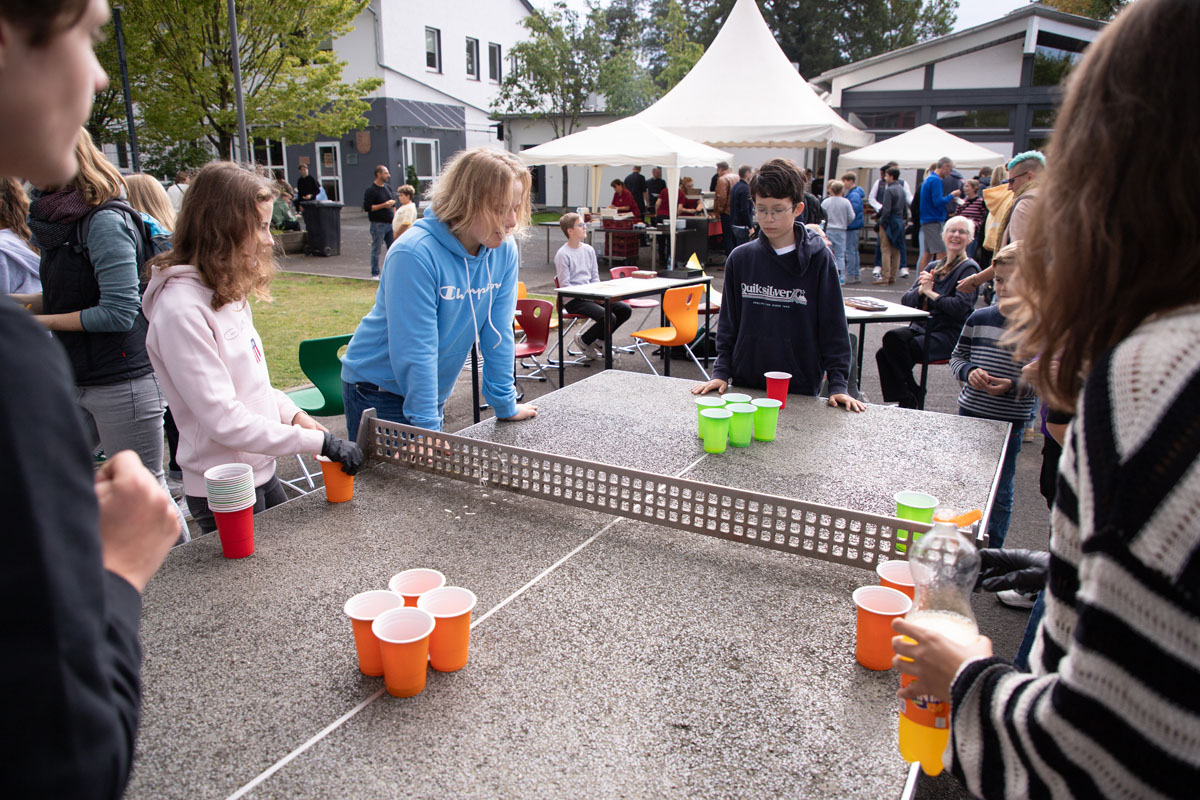
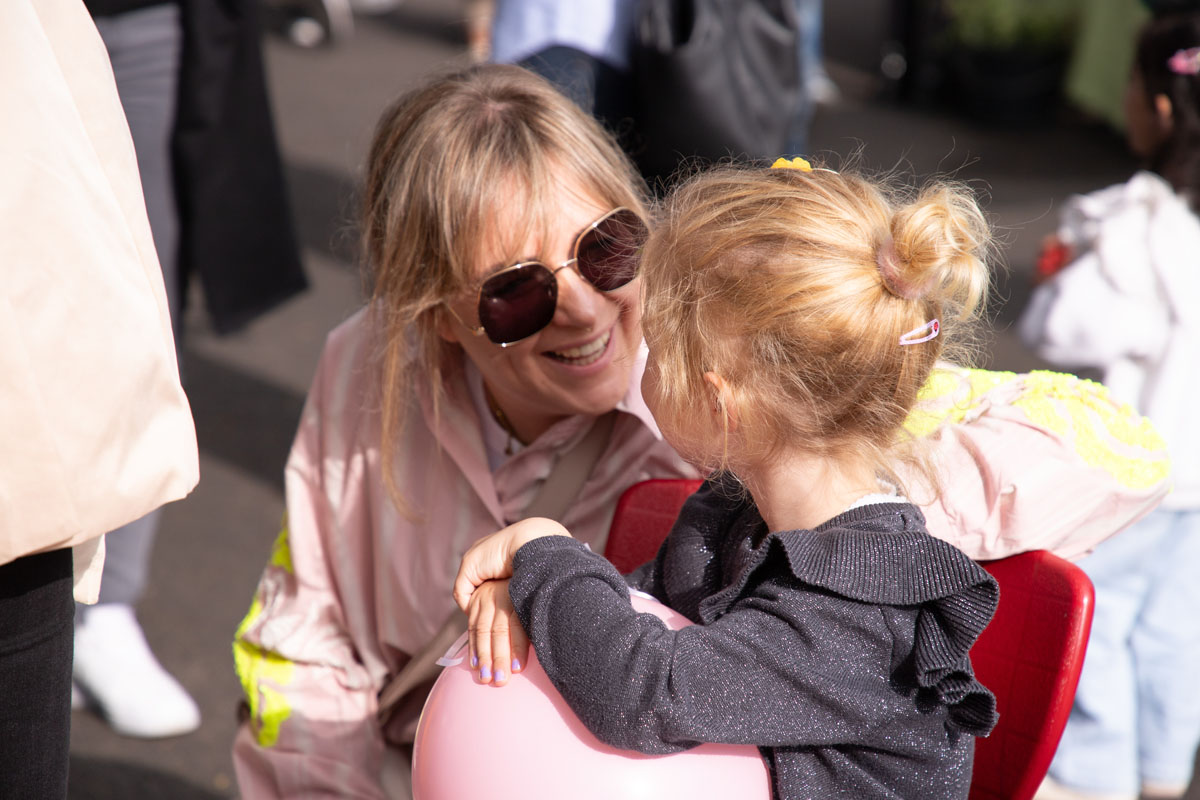
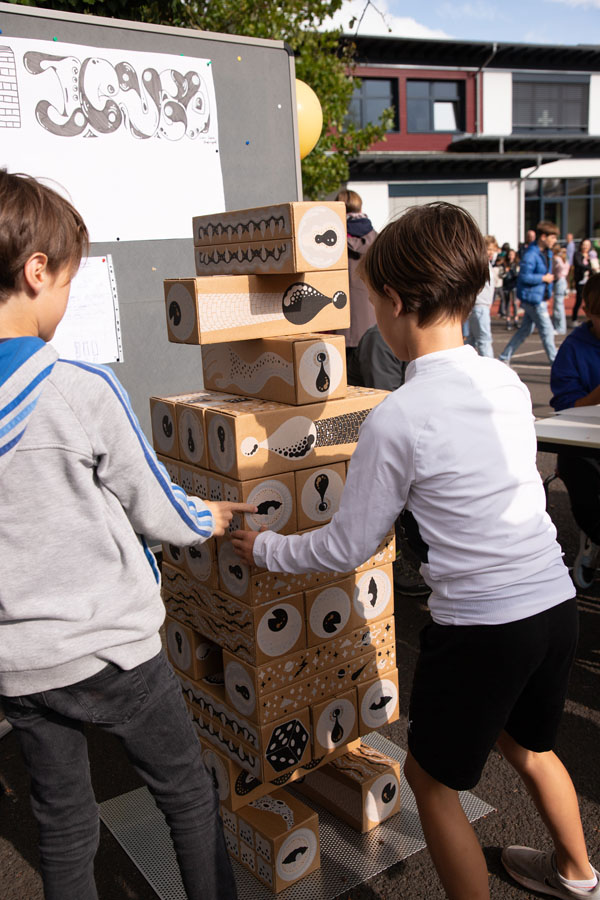
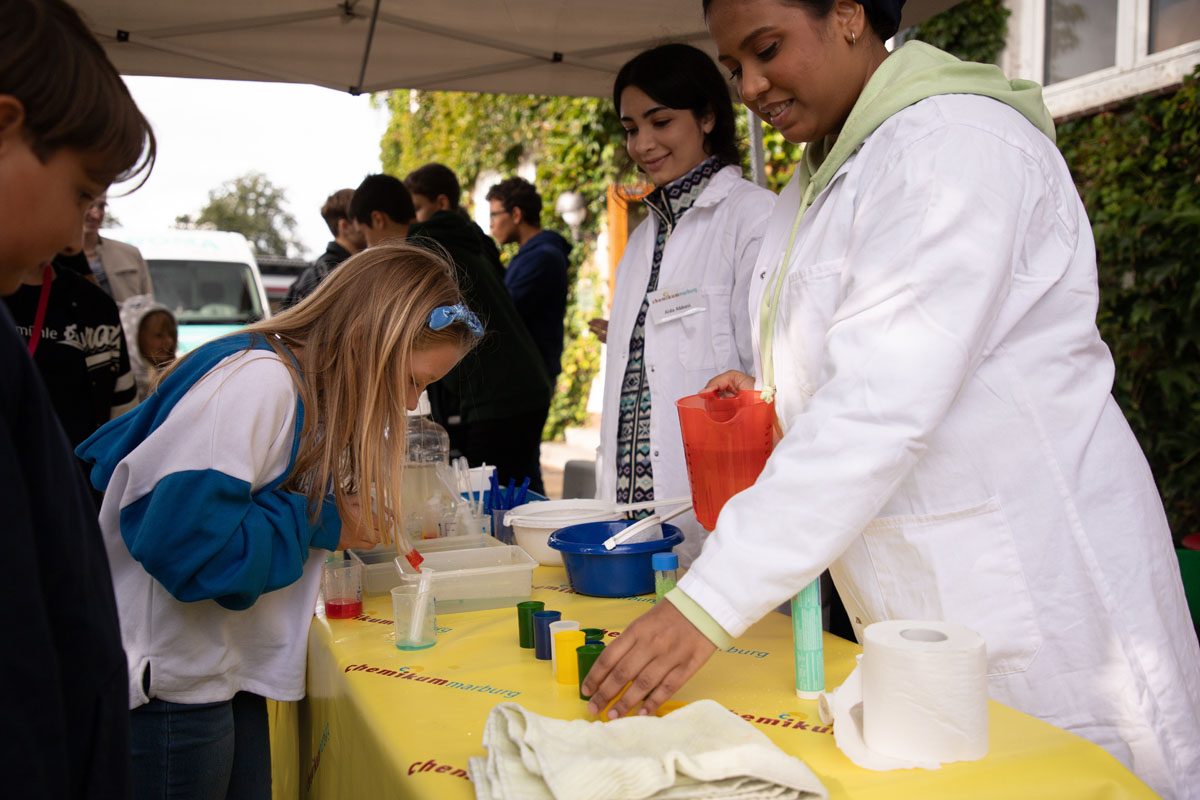
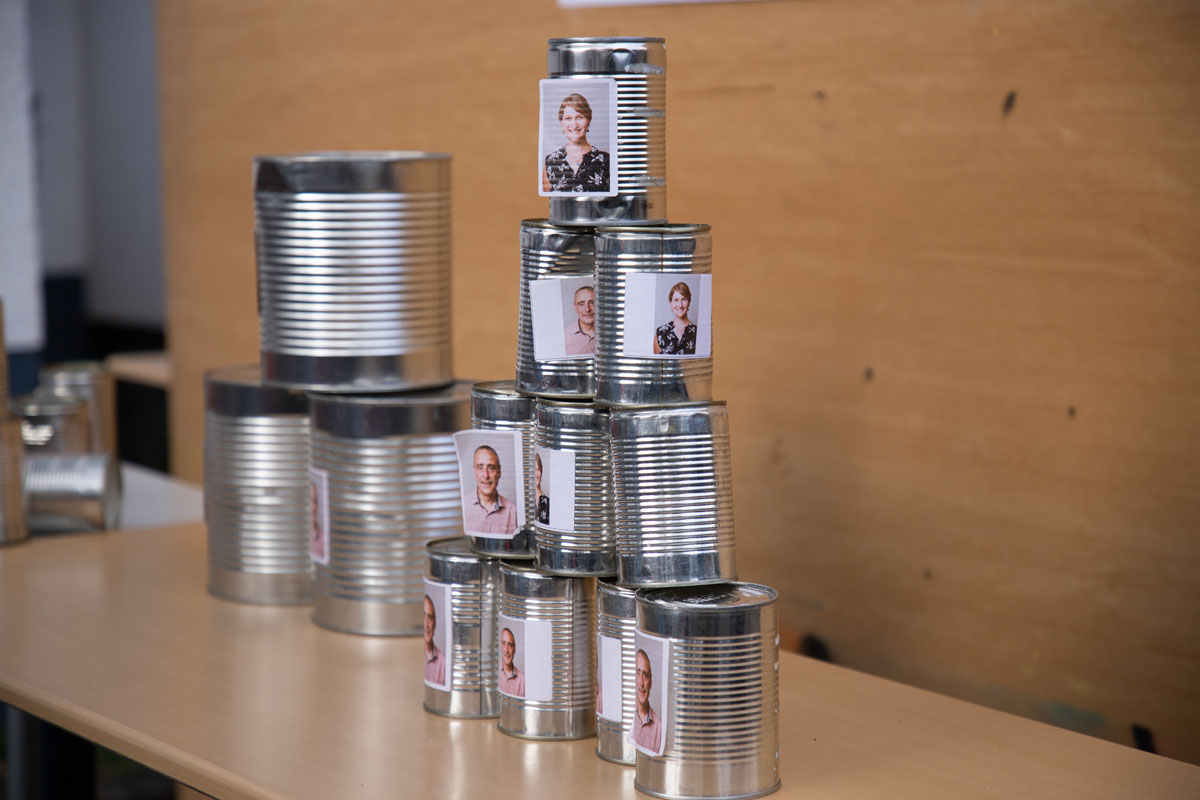
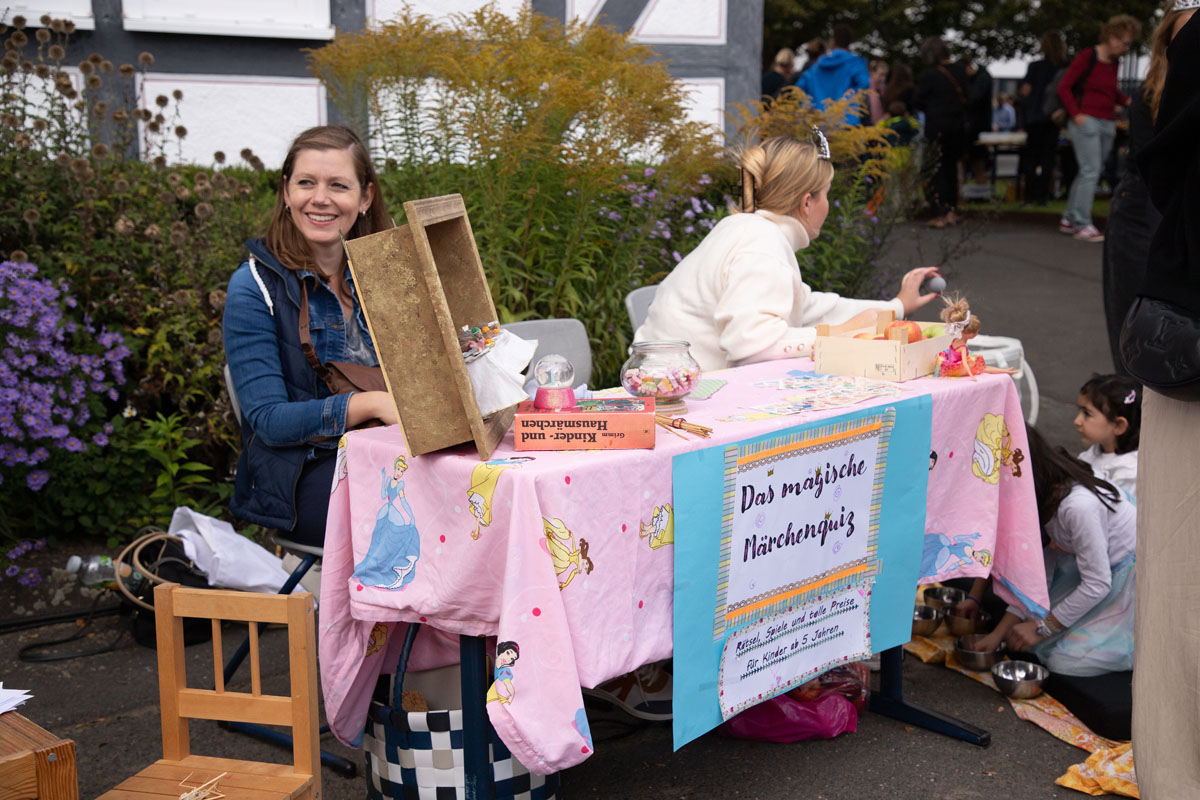
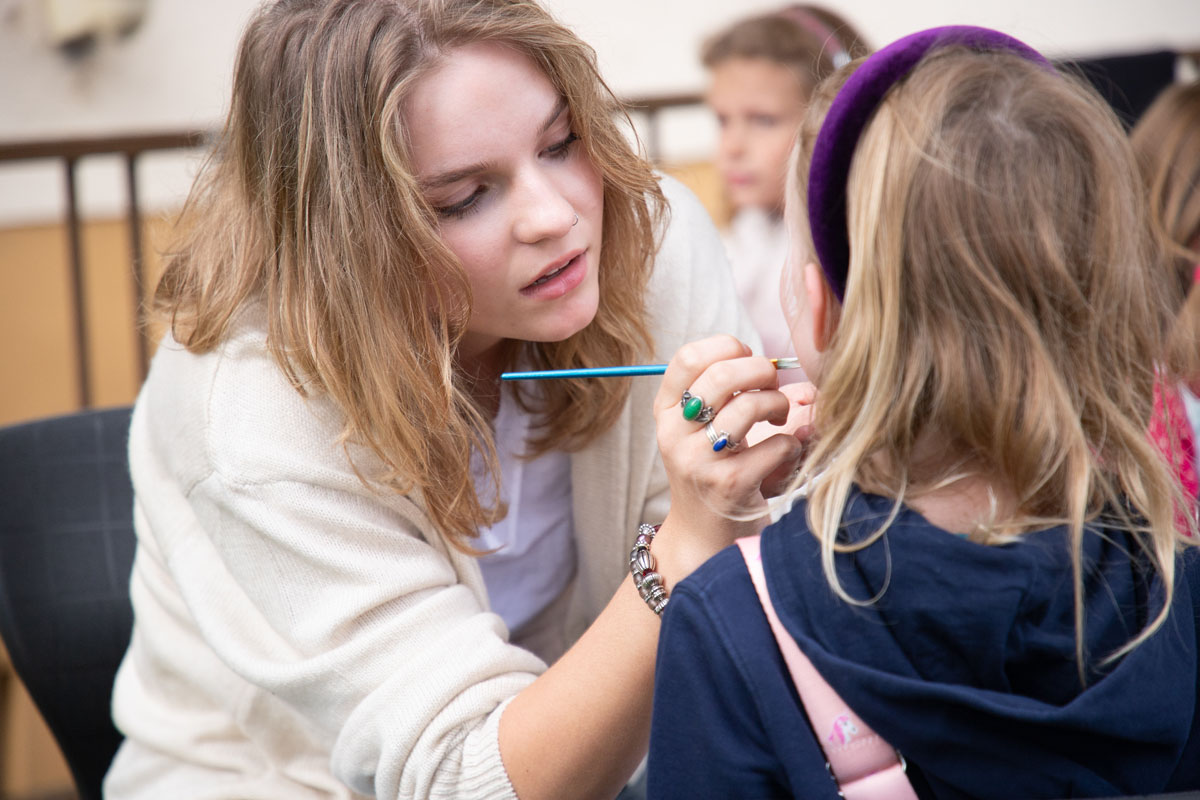
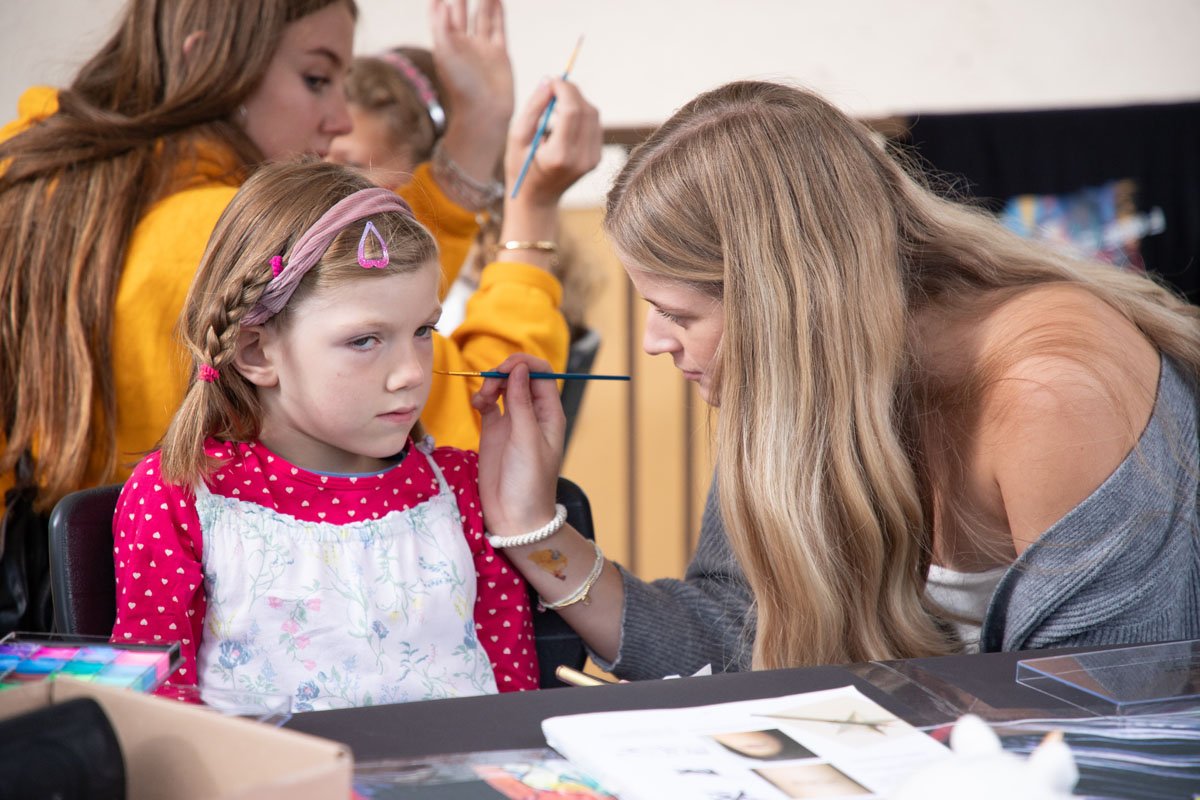
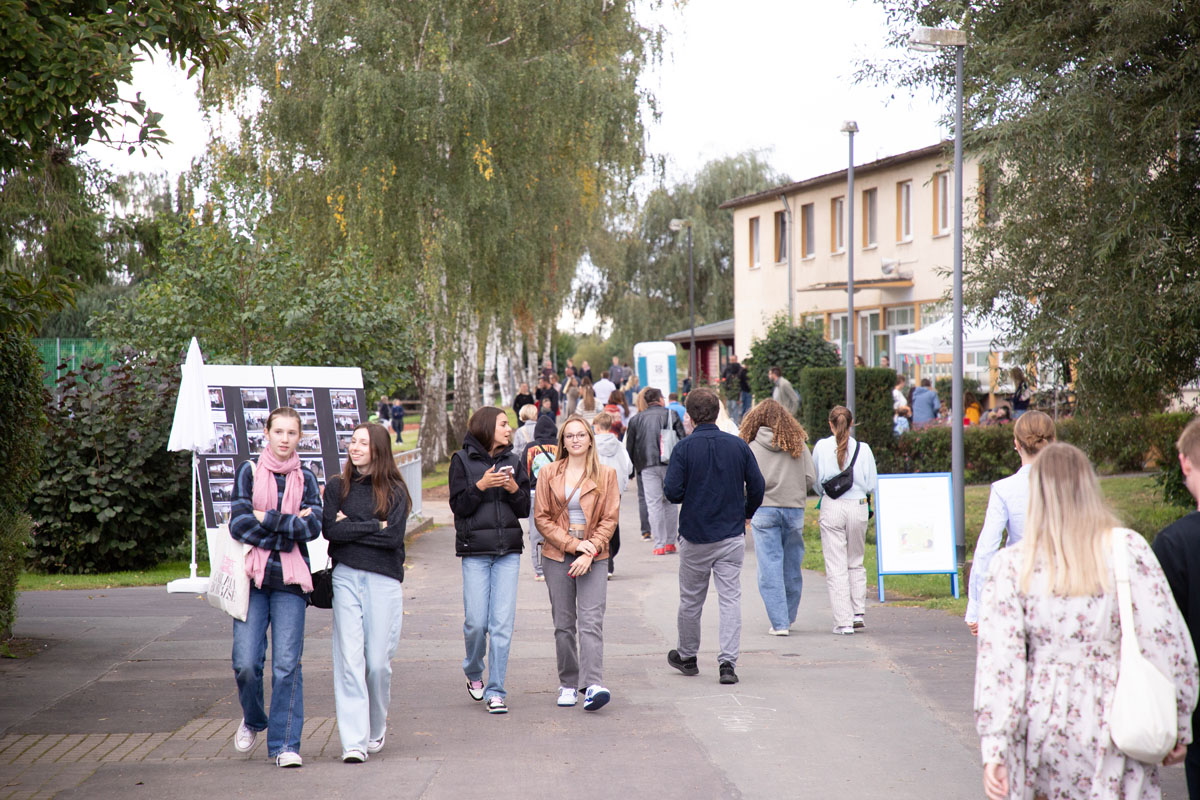
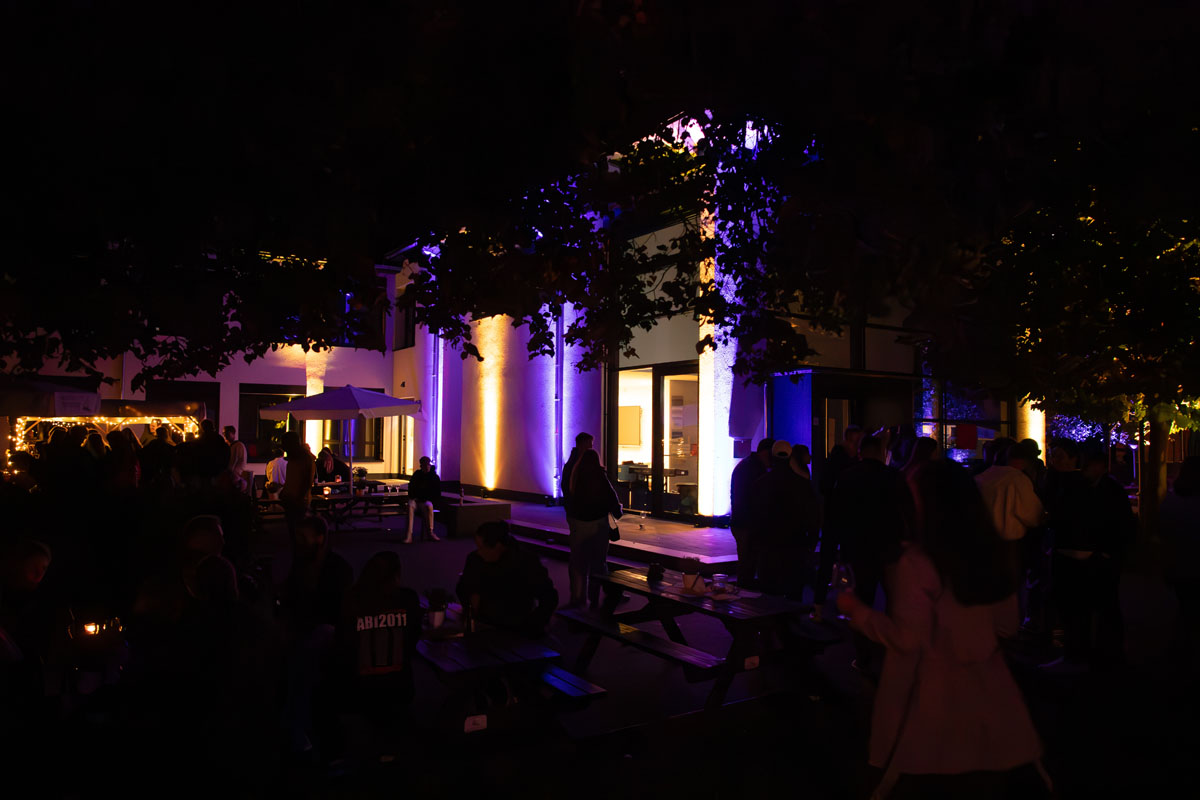
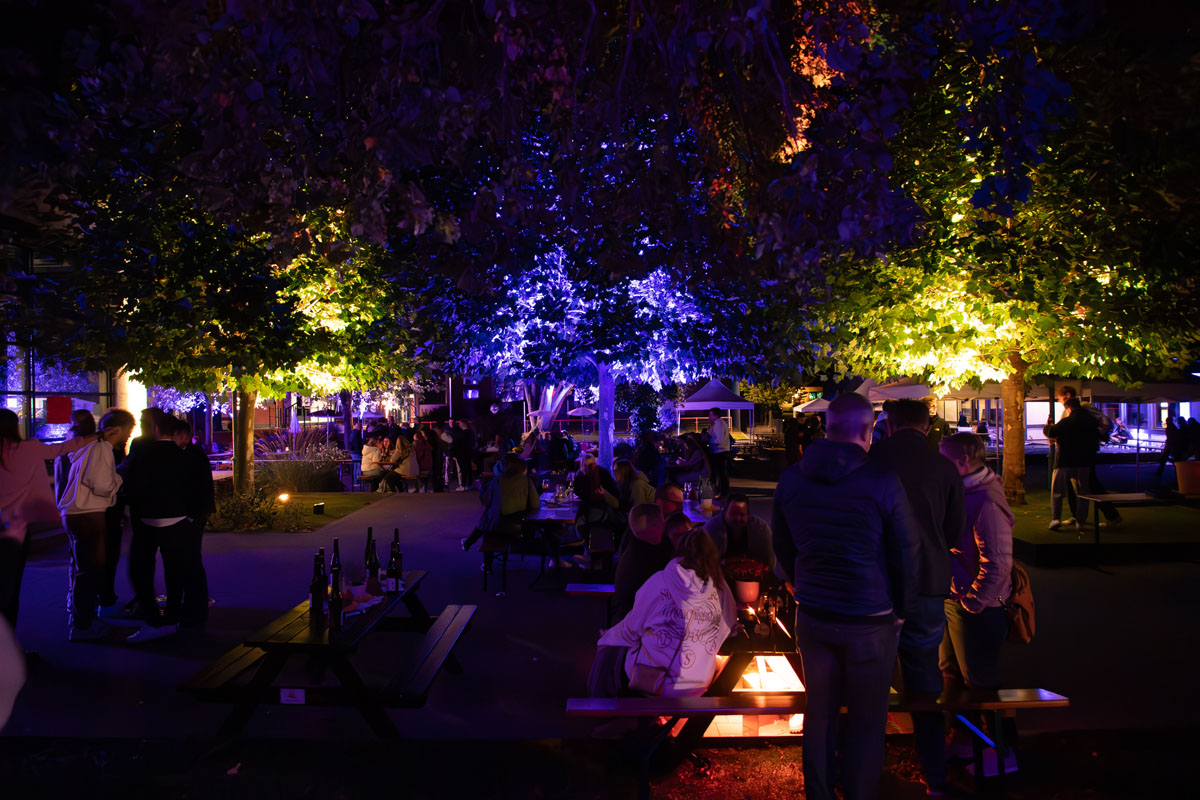
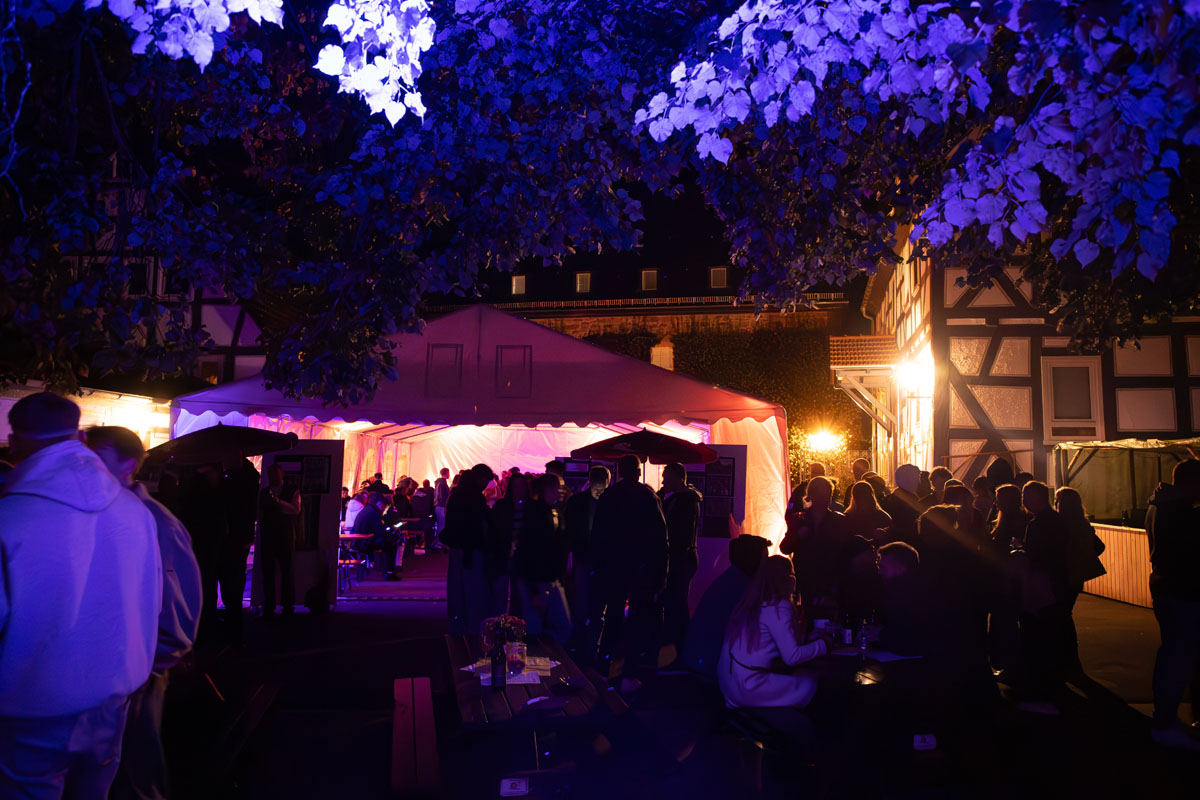
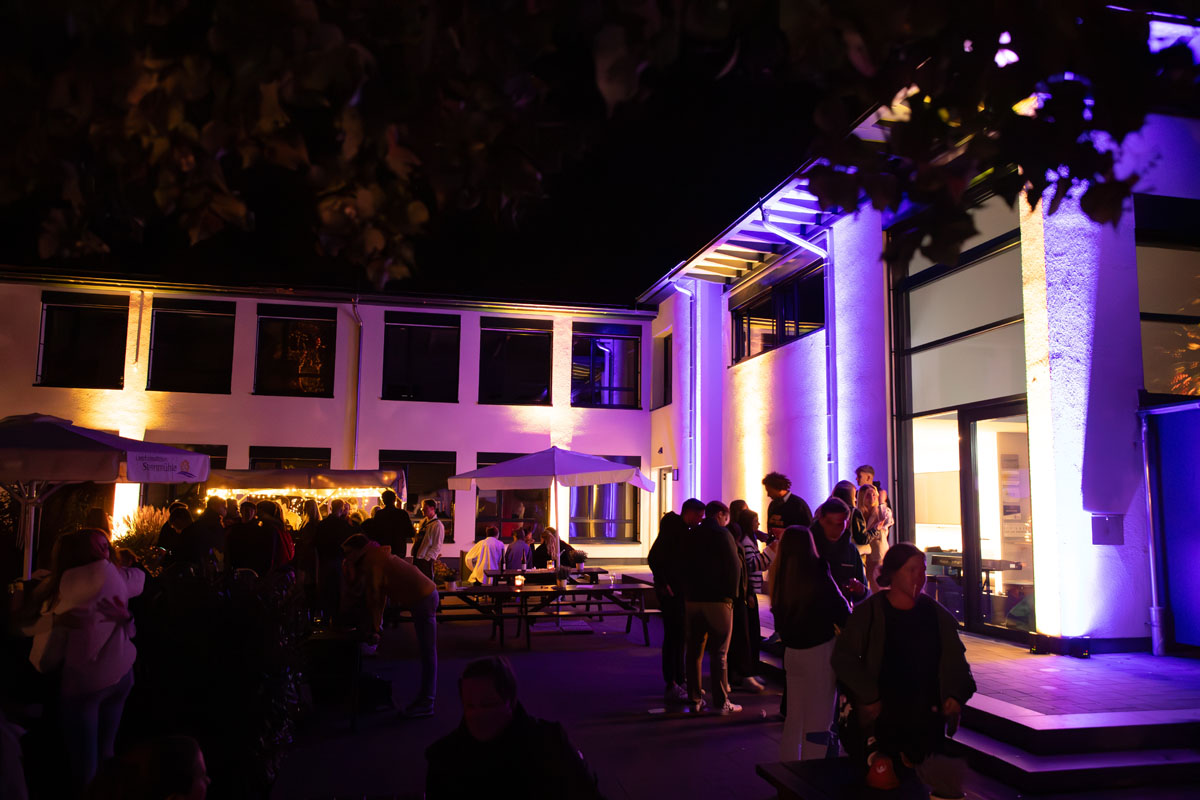
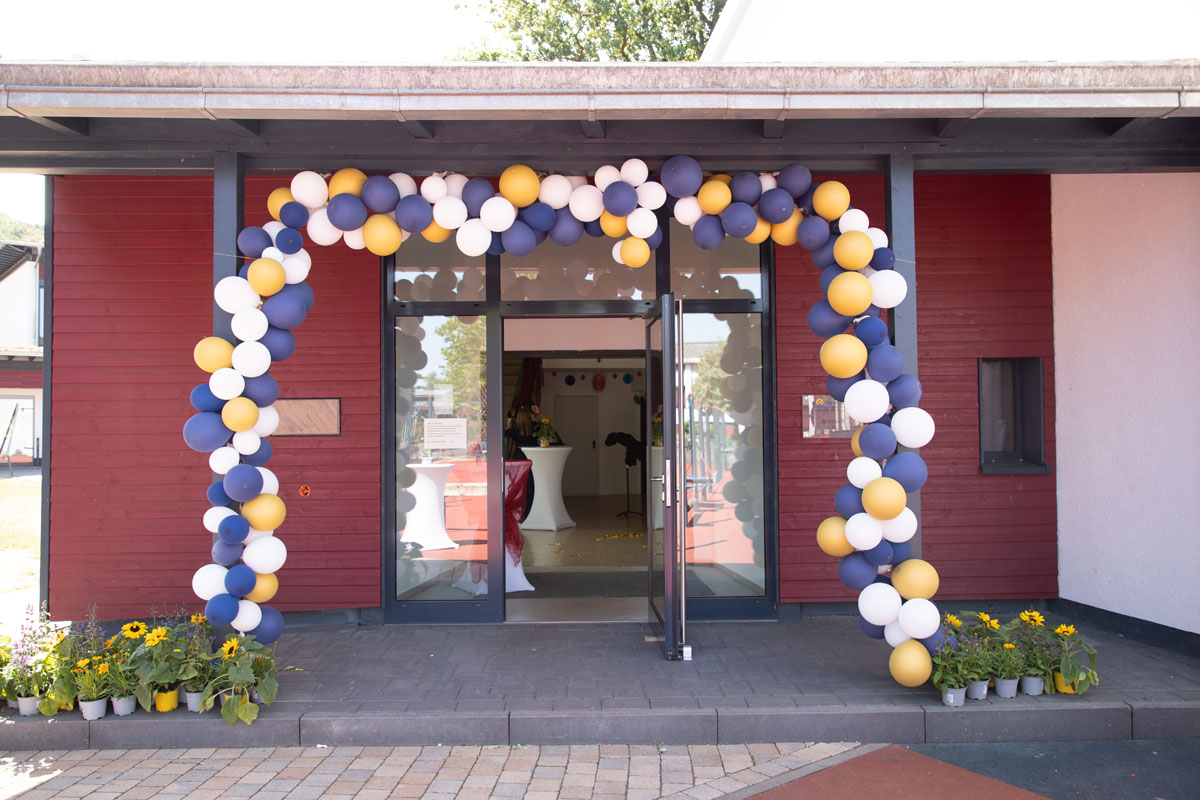
Once again this year, the Fall Festival—organized jointly by the school and the boarding school—was a highlight for many students, families, and alumni. For weeks, everyone had been working hard to plan the event and make the day unforgettable for everyone involved. From face painting and a haunted house to the evening festivities in the festival tent, there was something for everyone.

Preparations for the event began days in advance, with the boarding school students pitching in as well. The schoolyard gradually transformed into the festival grounds that visitors from previous years are likely already familiar with. Benches and booths were set up in the courtyard, and the stage was erected for the choir and band performances. This year, the school helped the boarding school with baking cakes, resulting once again in a varied buffet. As a result, the dorms smelled of delicious pastries for days on end, with one baking sheet after another being slid into the oven. Of course, a little tasting was a must. But who can resist fresh cinnamon rolls?

On the big day itself, the anticipation kept building. After the tables in the courtyard were decorated with the help of the Mühle residential group, the time had finally come, and the guests arrived, curious to explore the grounds and marvel at the program that had been put together. The Hessenhaus and the Biohaus worked hard to support the bake sale, and the students from the main building helped the kitchen with the barbecue, while the Westfalenhaus and Bremerhaus collected dishes all day long—because a celebration this big can only be a success if everyone pitches in together. We’d like to take this opportunity to thank all the students and the teaching staff for their active support!

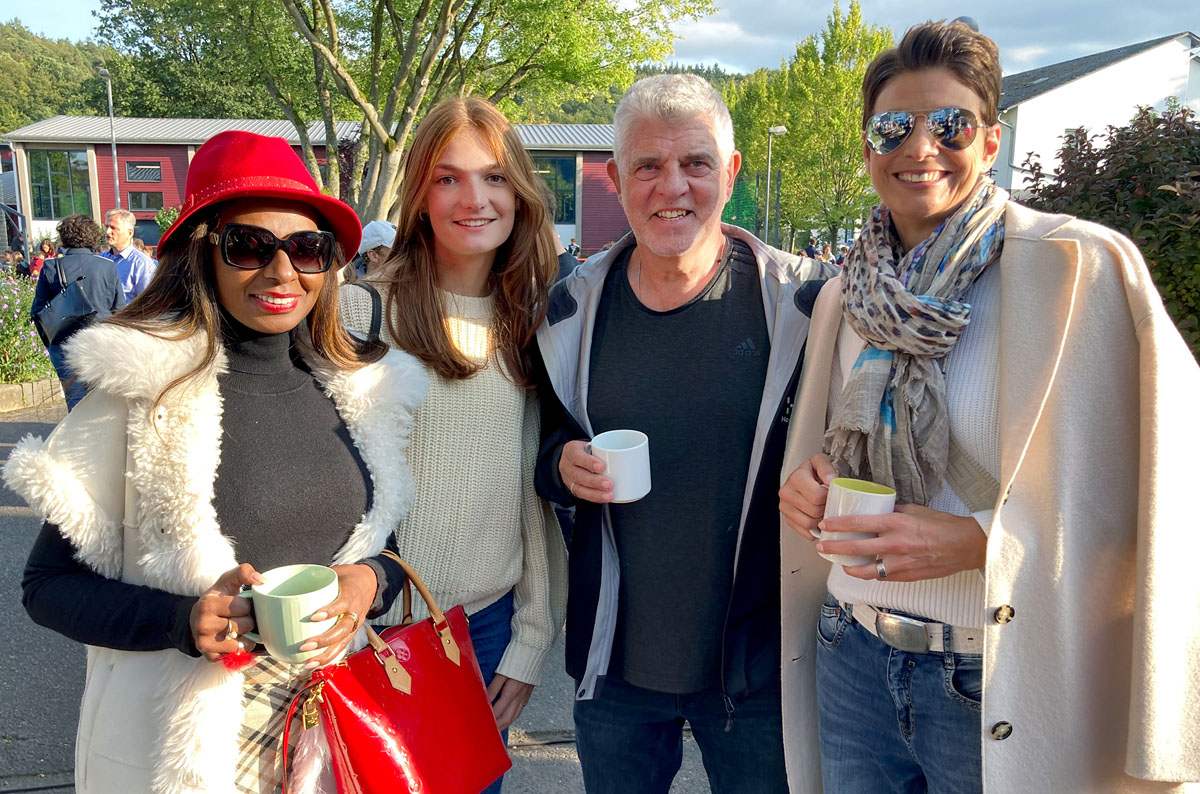
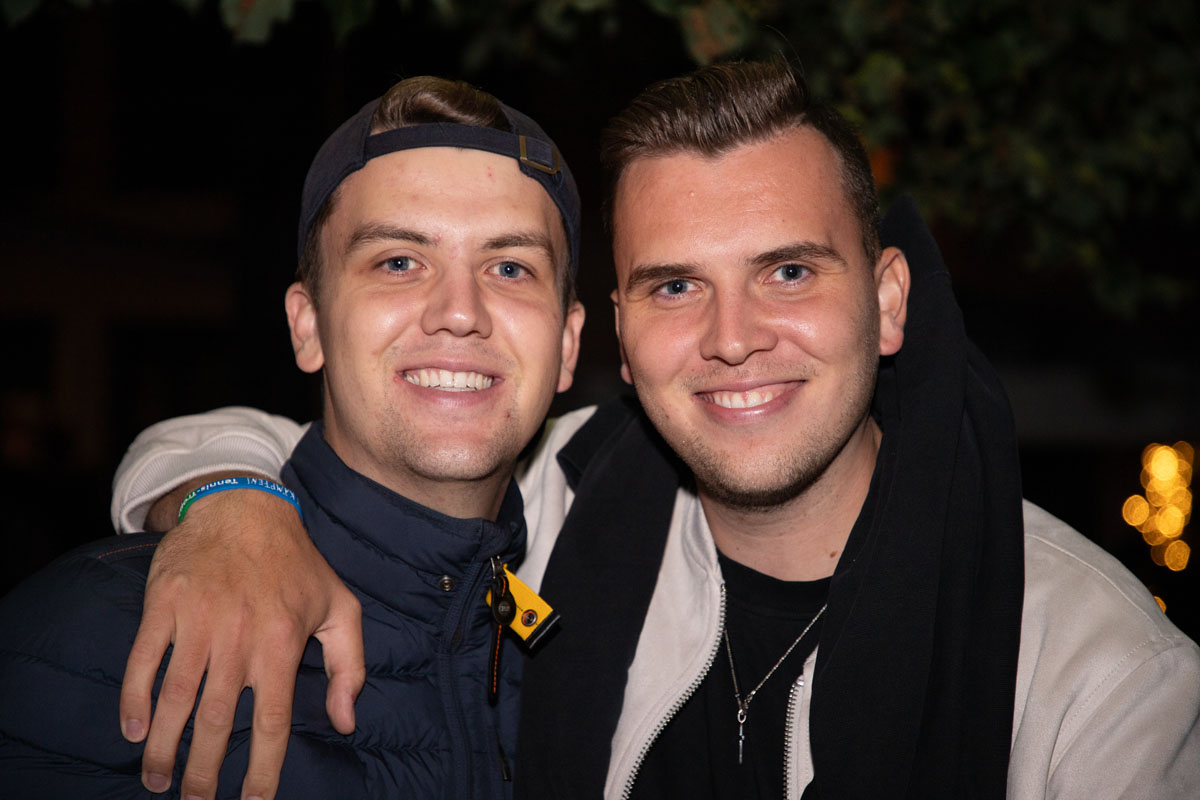
The fall festival was marked by the presence of many familiar faces, all of whom were warmly welcomed. Time and again, people would say, “Back when I was at boarding school…” Alumni, current students, and faculty members happily exchanged stories about boarding school life, shared their experiences, and reminisced about shared memories. Once again, it became clear that the boarding school community extends beyond one’s time as a student and that Steinmühle often plays a formative role in the lives of young people.

We’re already looking forward to the next Fall Festival in 2024!

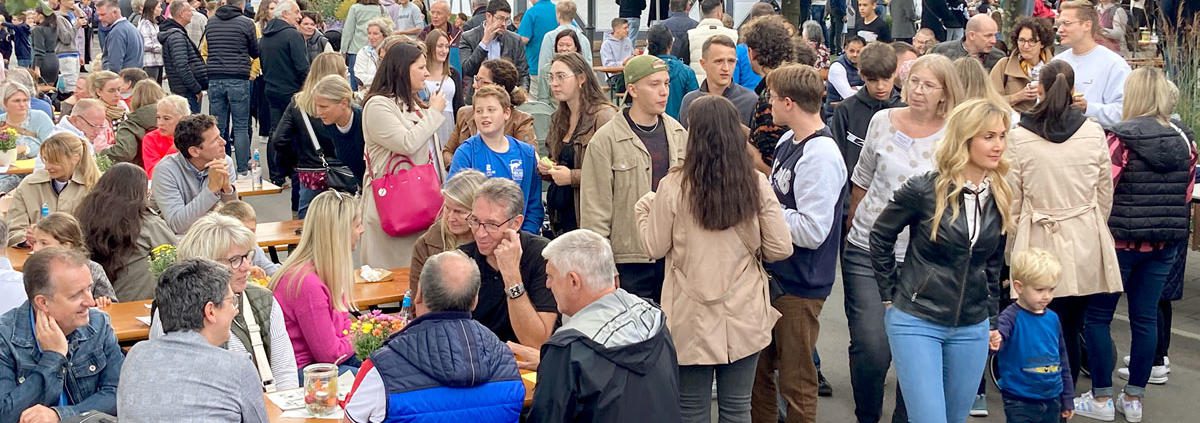
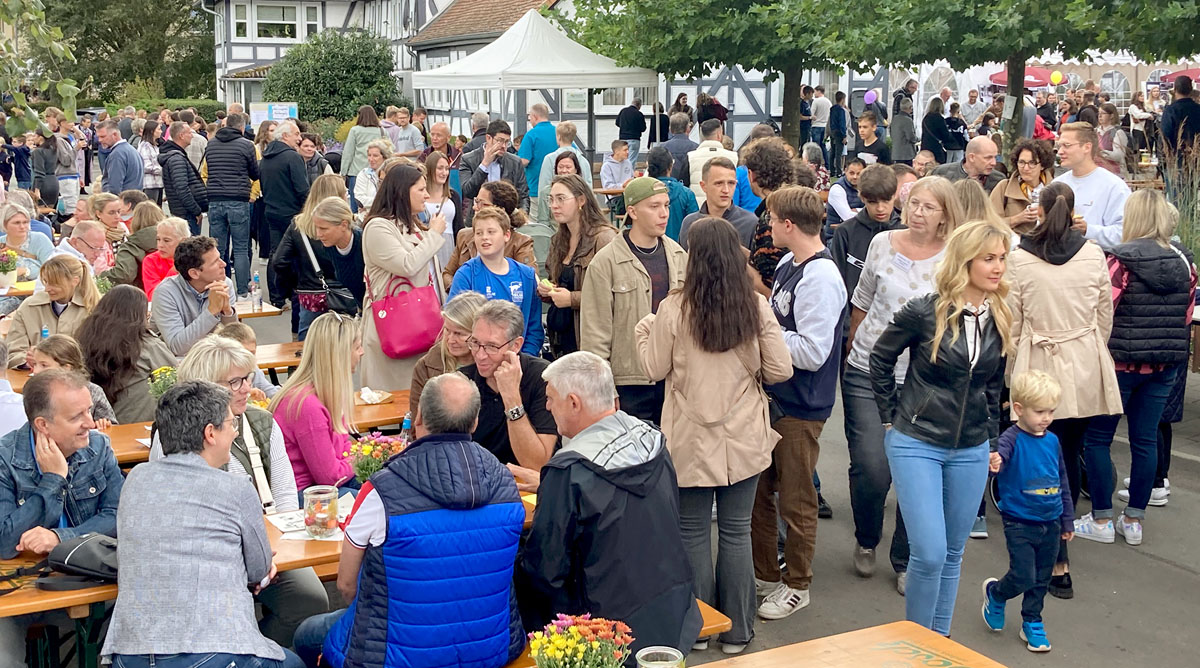
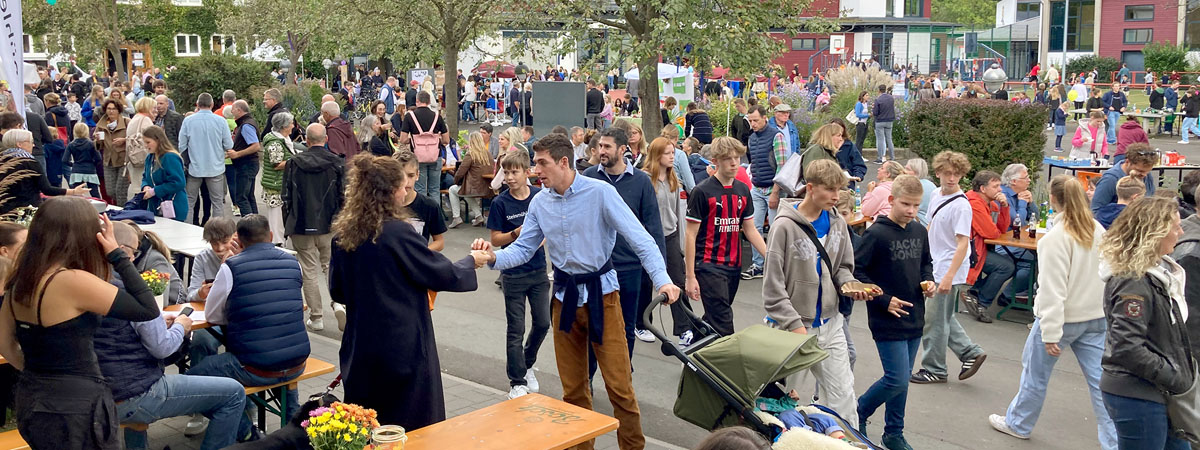
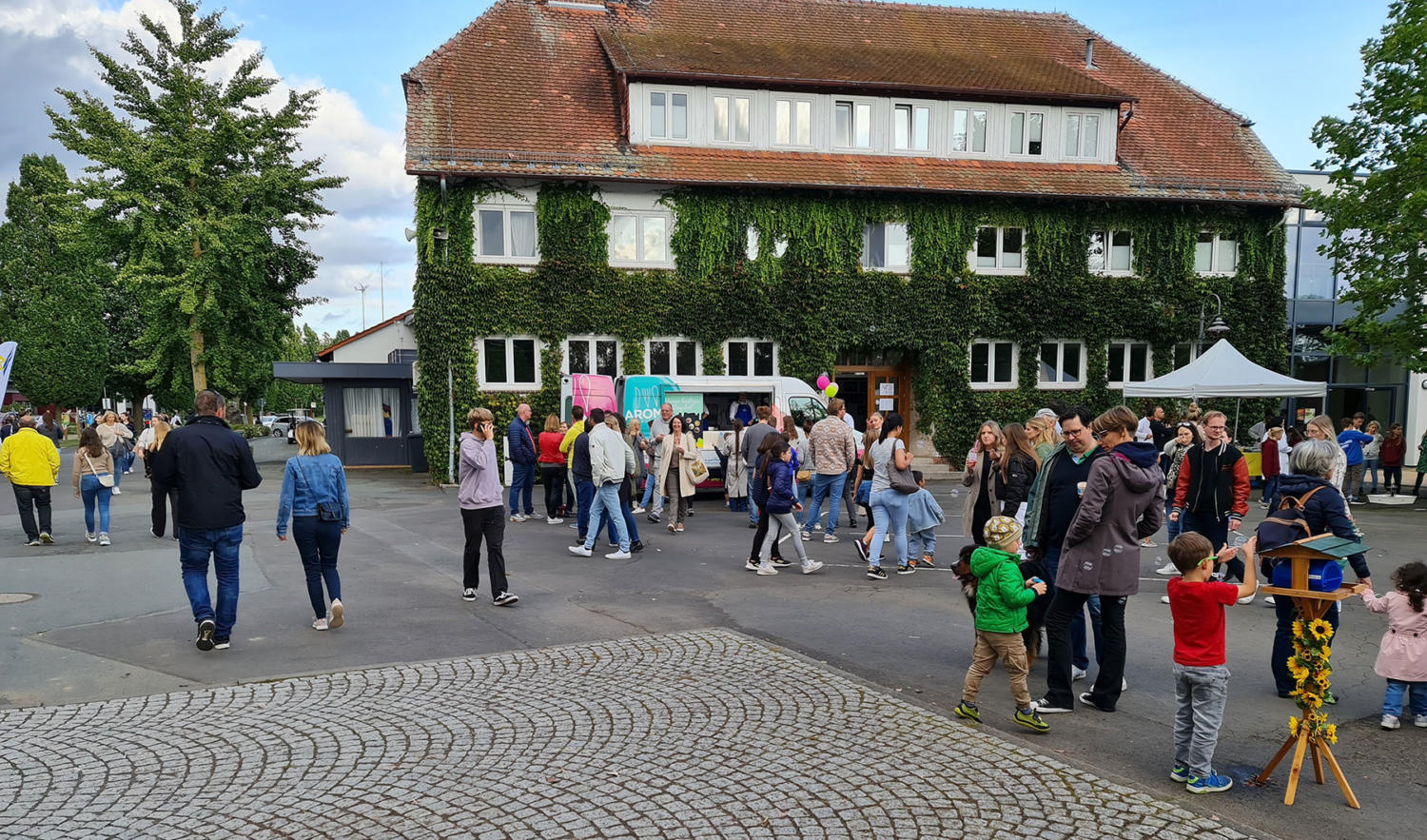
The day of the year when the Steinmühle, as a school and boarding school, attracts the most visitors to its grounds is the Fall Festival. A great many people came last Saturday to meet up, chat, and have fun. It seems there’s no longer any need for a Plan B in case of bad weather, because the sun always shines reliably—and that was the case this time, too.

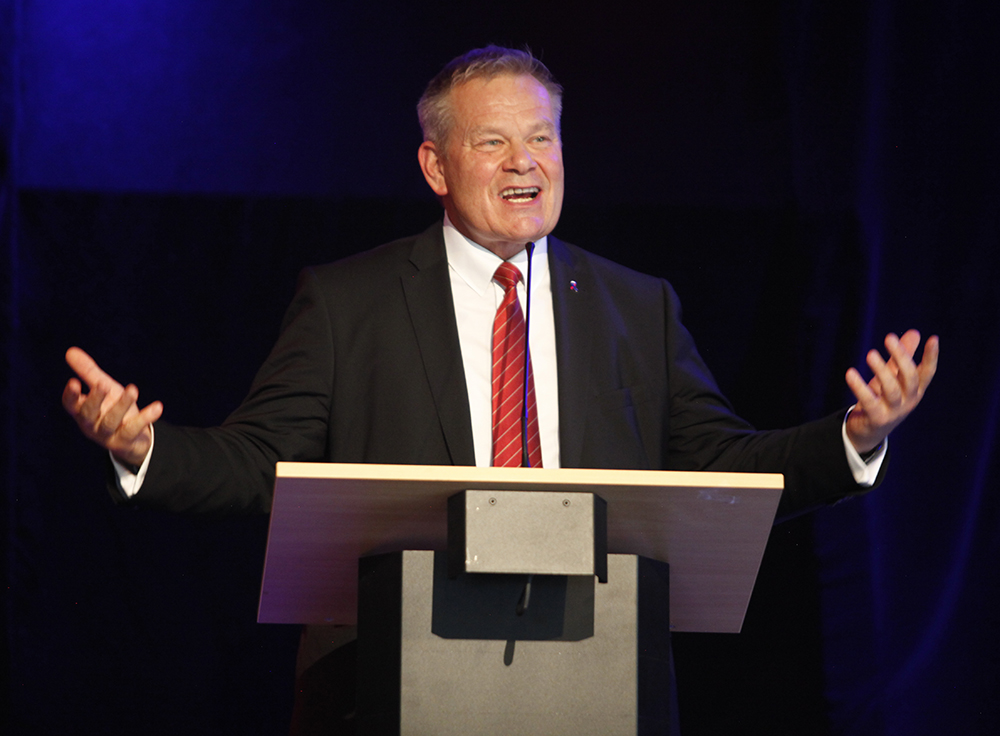
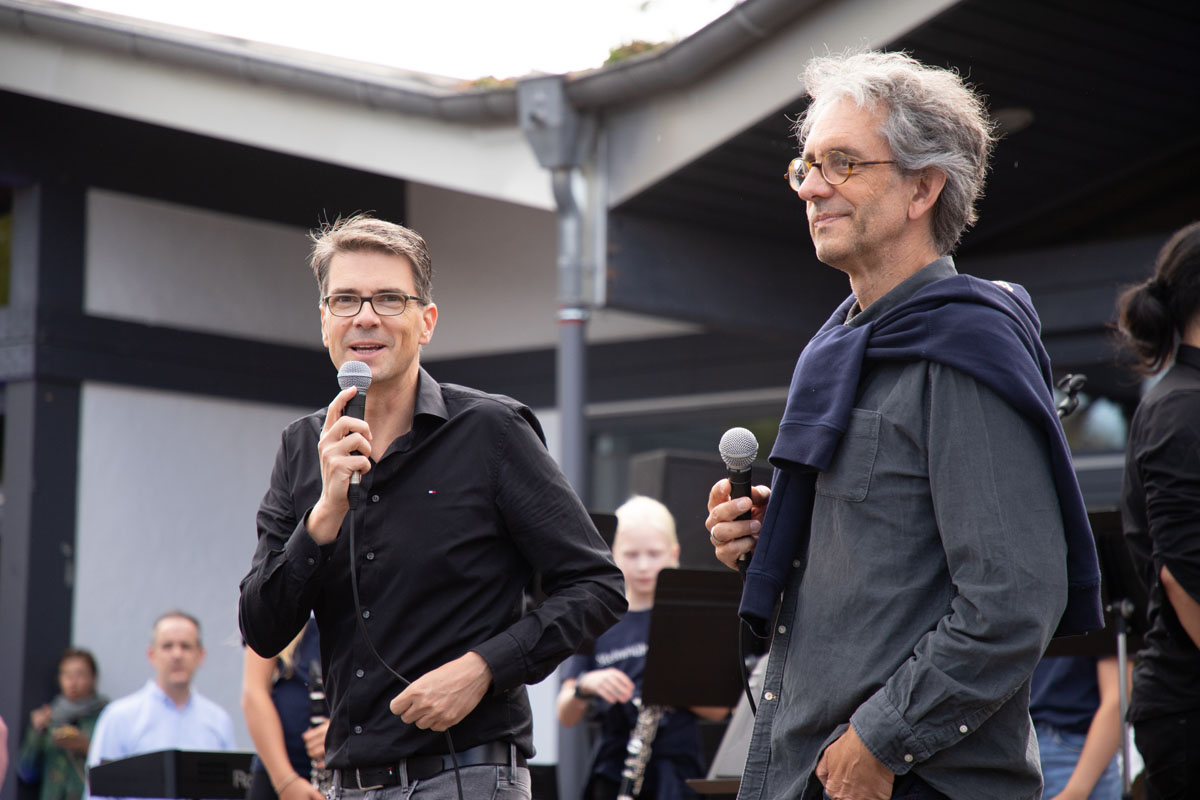
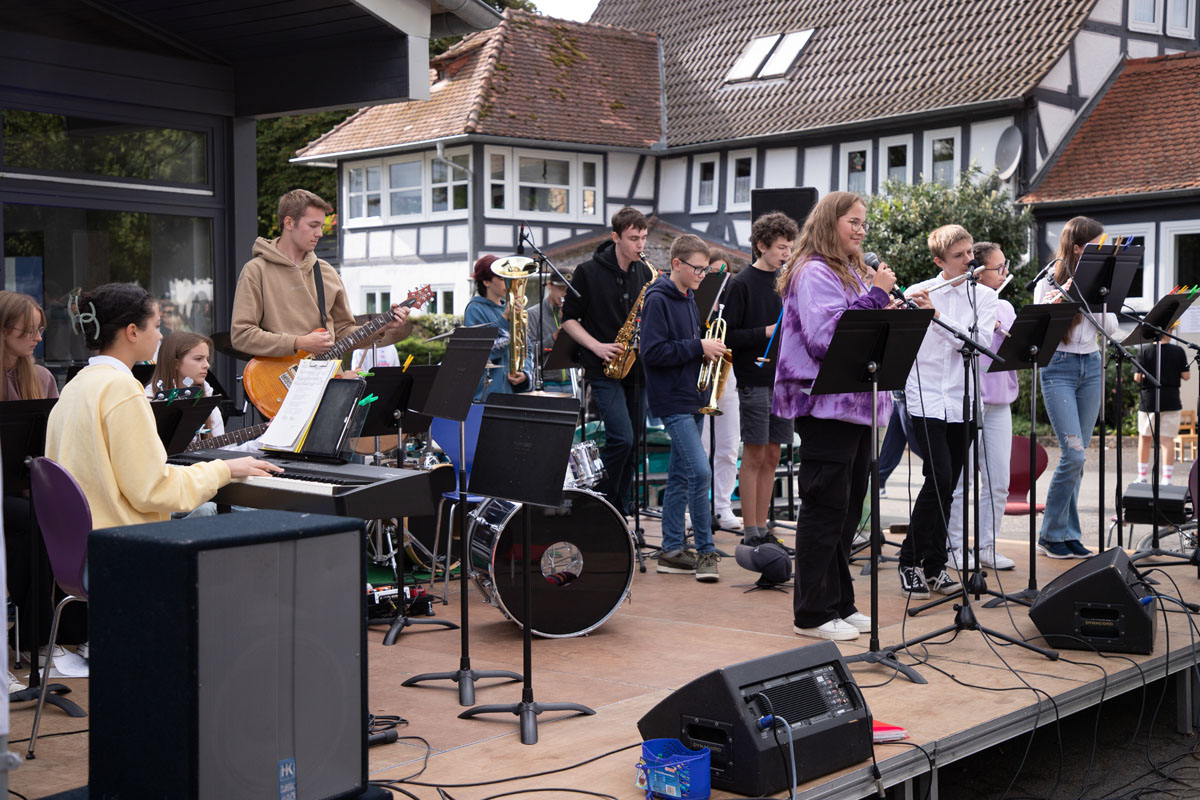
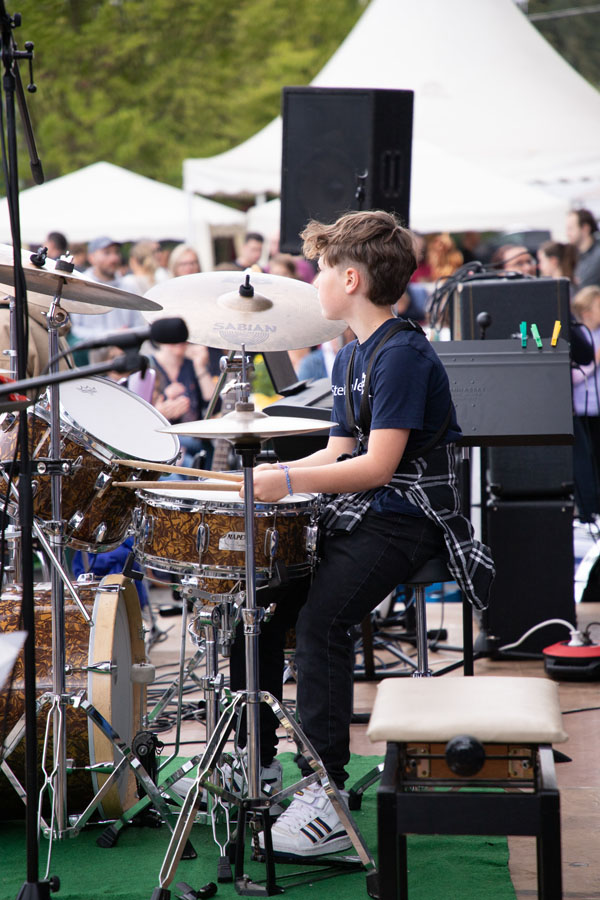
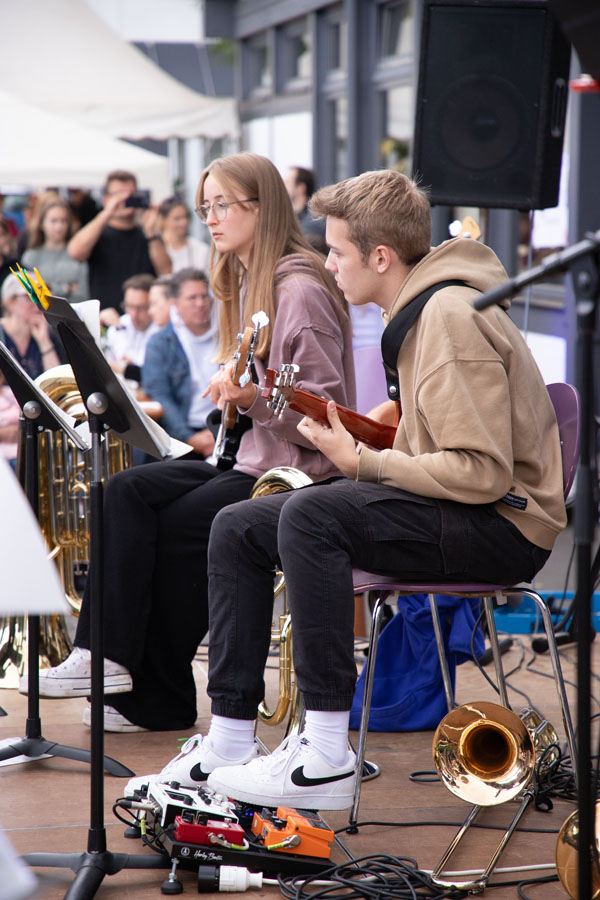
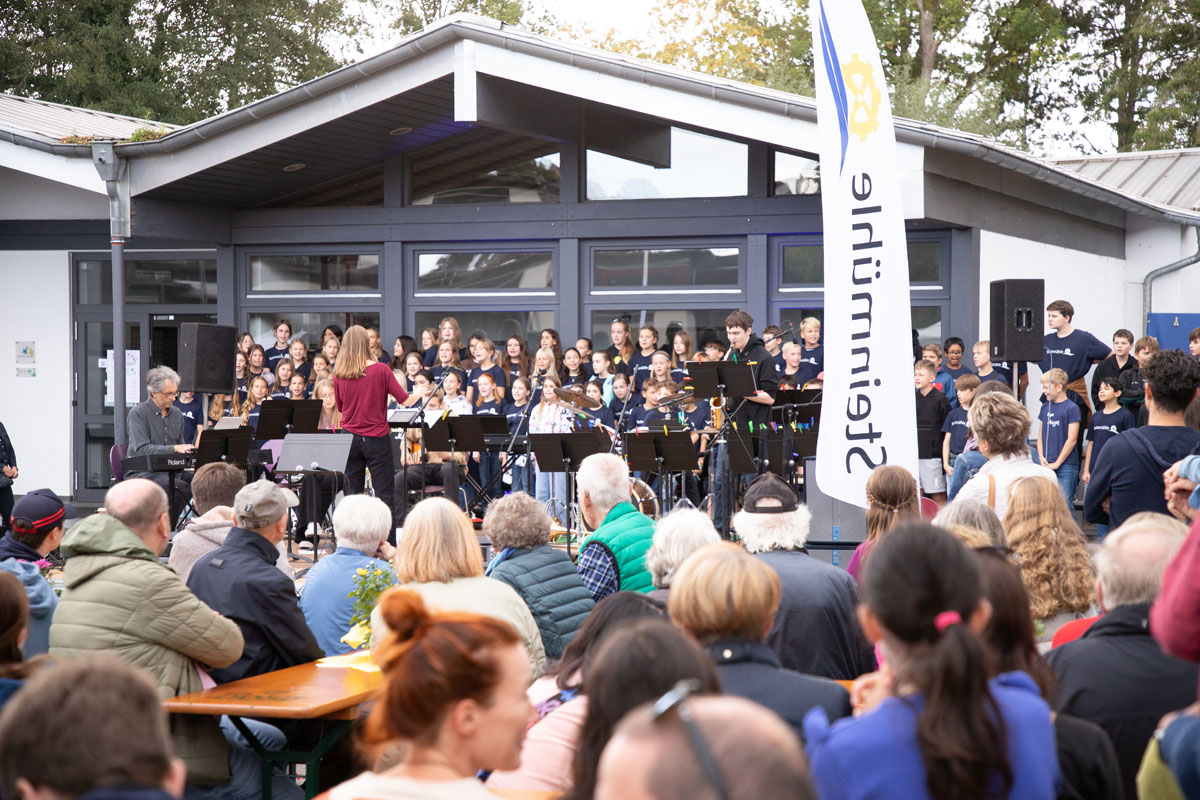
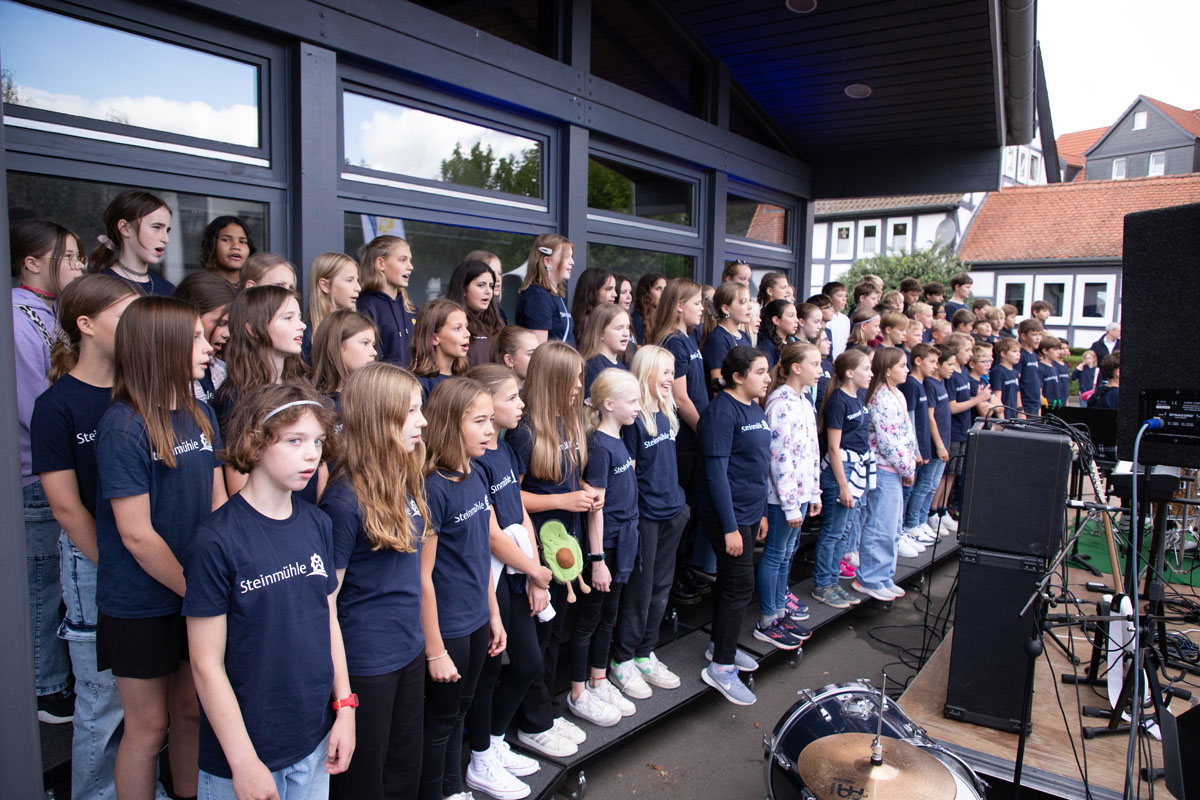
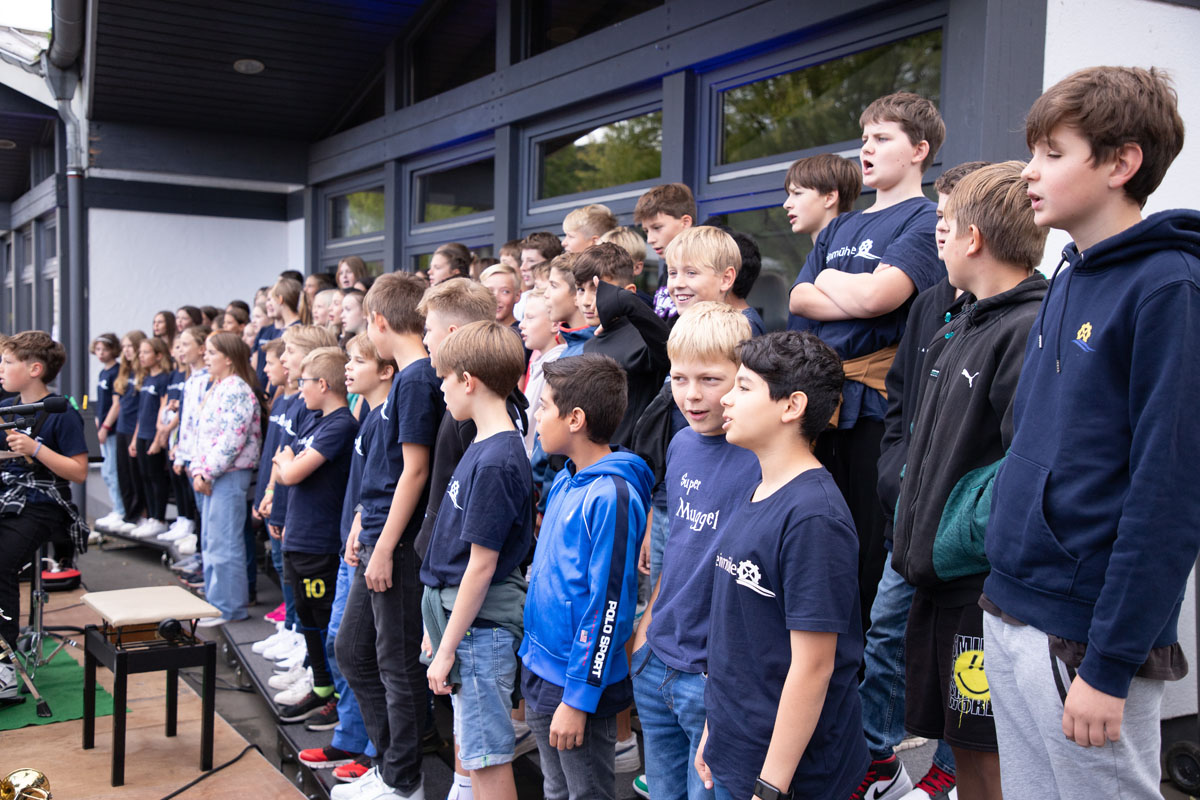
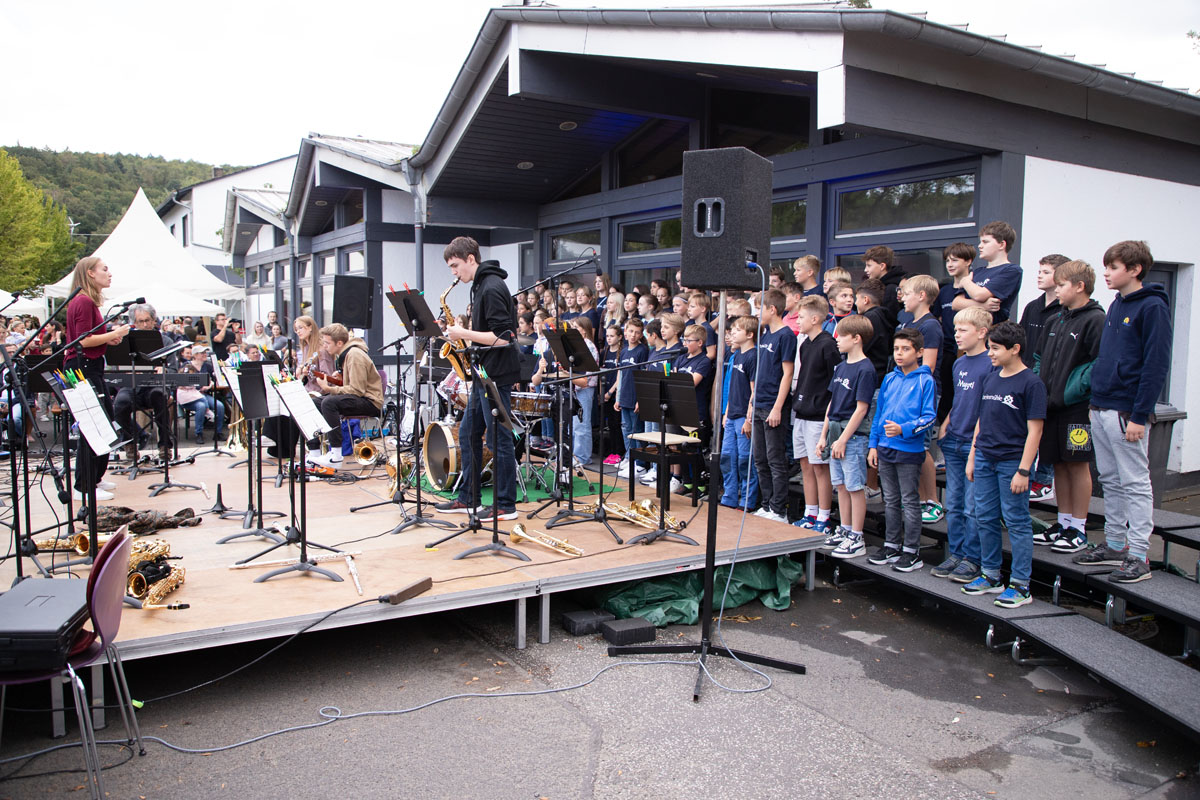
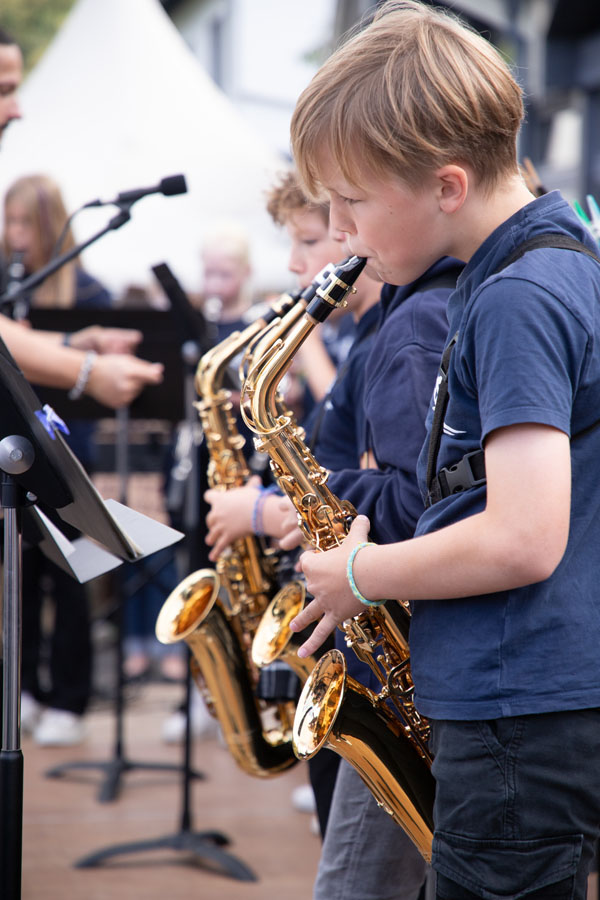
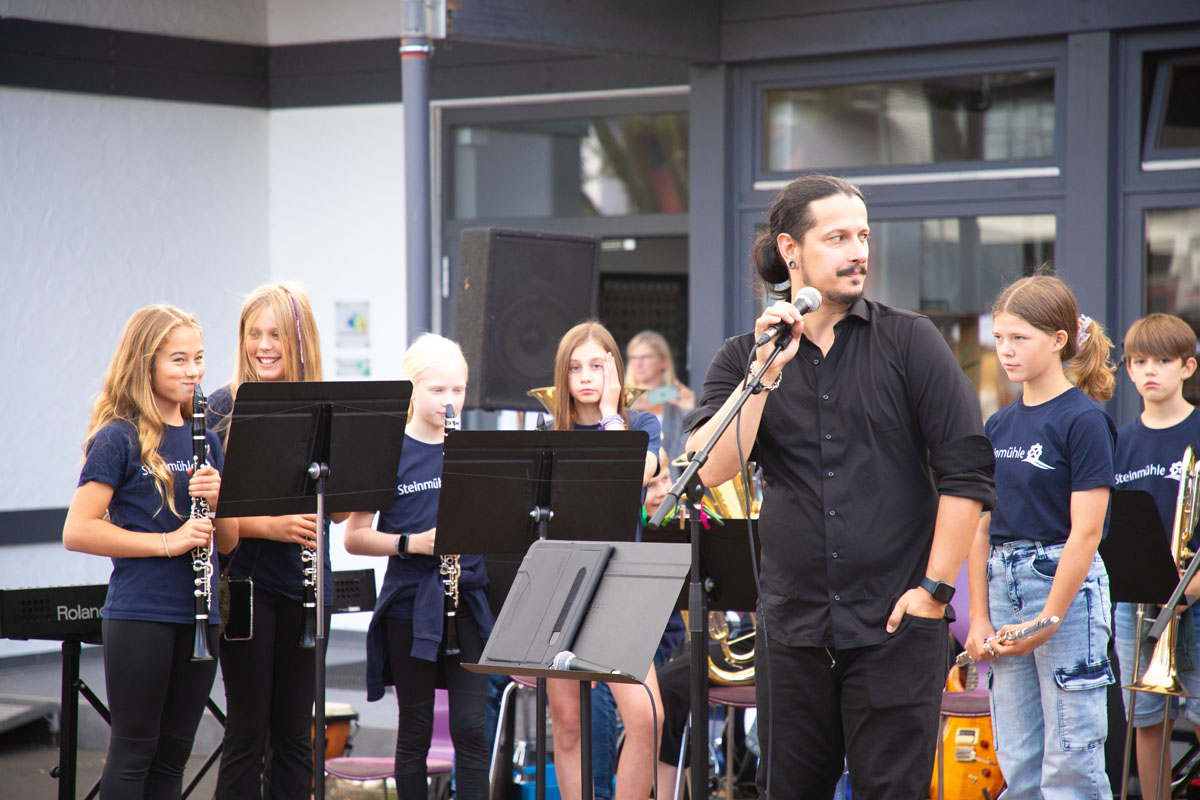
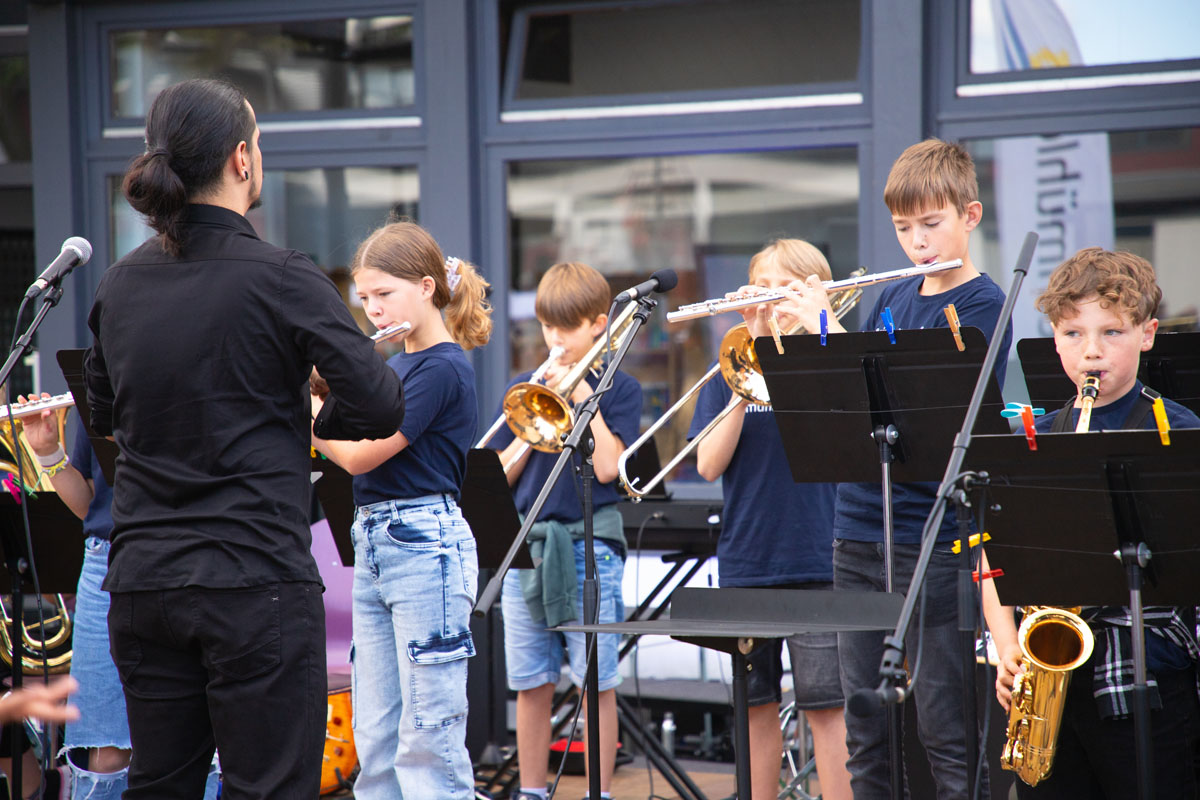
The planning on campus—with its dozens of booths—the timing, and the coordination—all of that goes by one name: Frank Wemme. The head of the lower secondary school, nicknamed “Mister Herbstfest,” made sure, as always, that everything ran smoothly. Accompanied by plenty of music, the 6th-grade brass band, led by Stephan Reissig, welcomed the large crowd gathered on the school grounds—some standing around the stage, others sitting on benches and applauding. They’ve only been practicing their instruments for a year—which was hard to believe. Principal Björn Gemmer welcomed the guests, many of whom had come as entire families and even brought their grandparents along. They also enjoyed the rhythmic performances by the musical theater band, which played under the direction of Anna Prokop.

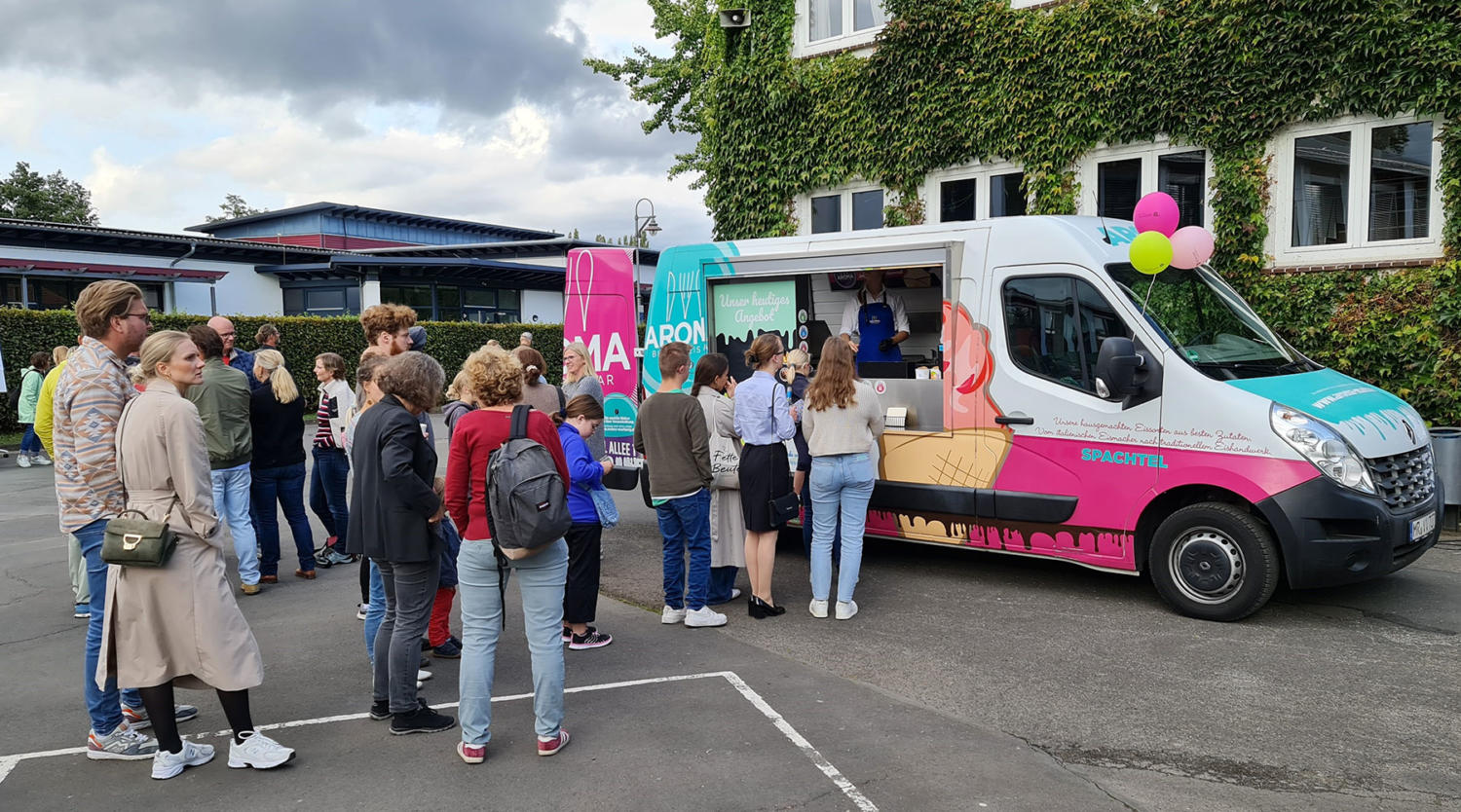
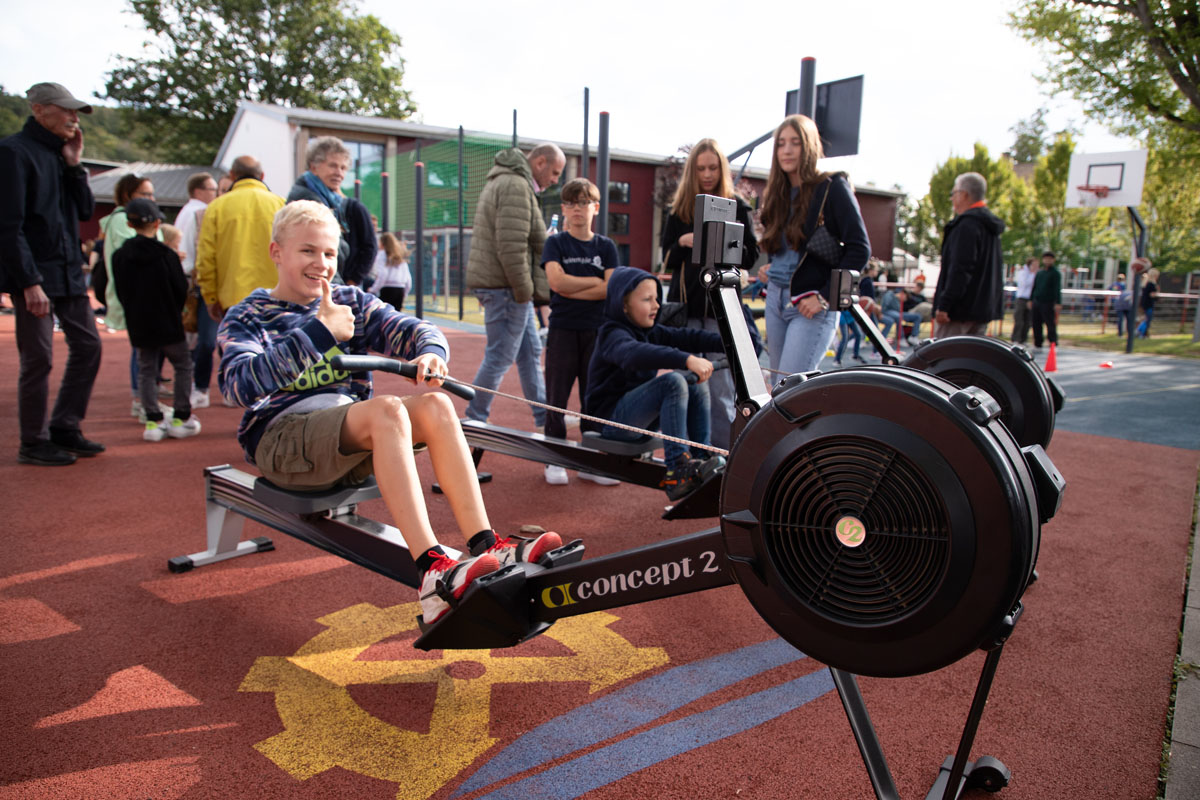
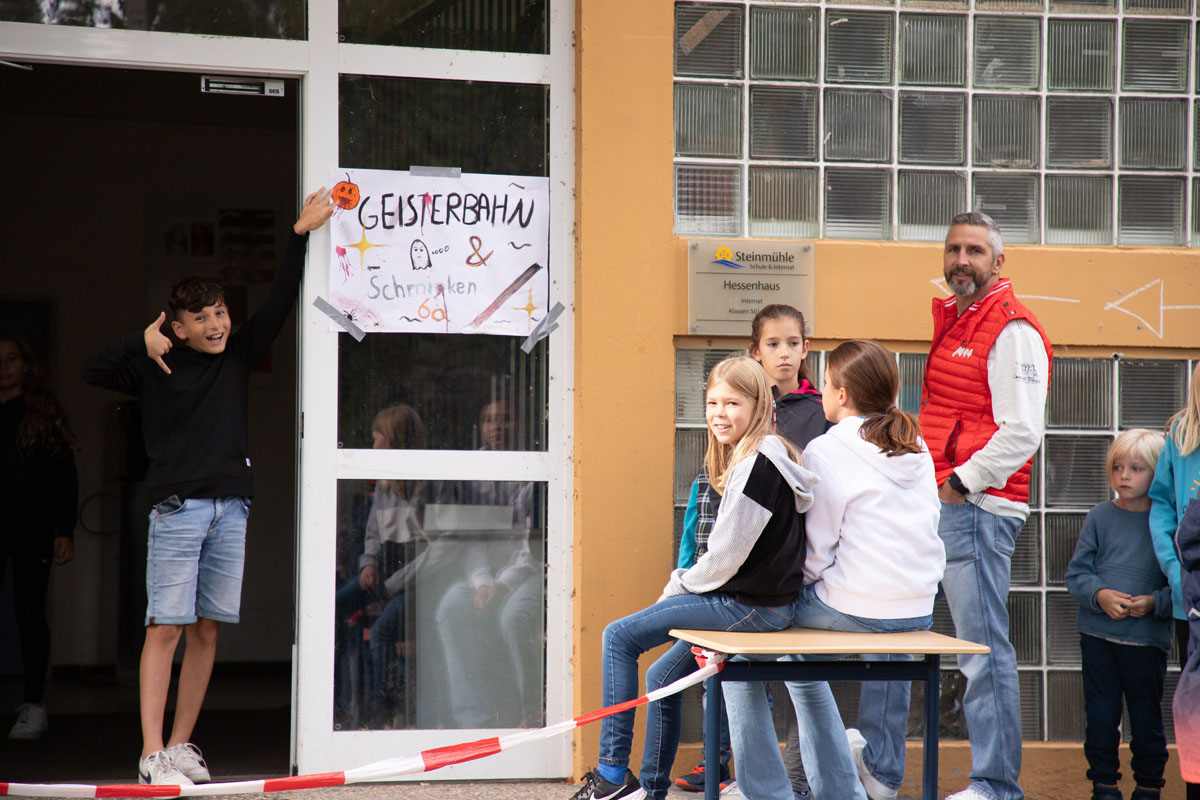
During the tour of the Steinmühle grounds, numerous activities stood out that had been well-received in the past and were therefore repeated. One example is the haunted house: Once again this year, people eager to experience it lined up! All the activities were spread out across the entire grounds—from the boarding school area with pony rides, to the Forum with its disco and karaoke, all the way to the boathouse, where coach Martin “Stromi” Strohmenger was waiting.


Pedal away for a smoothie

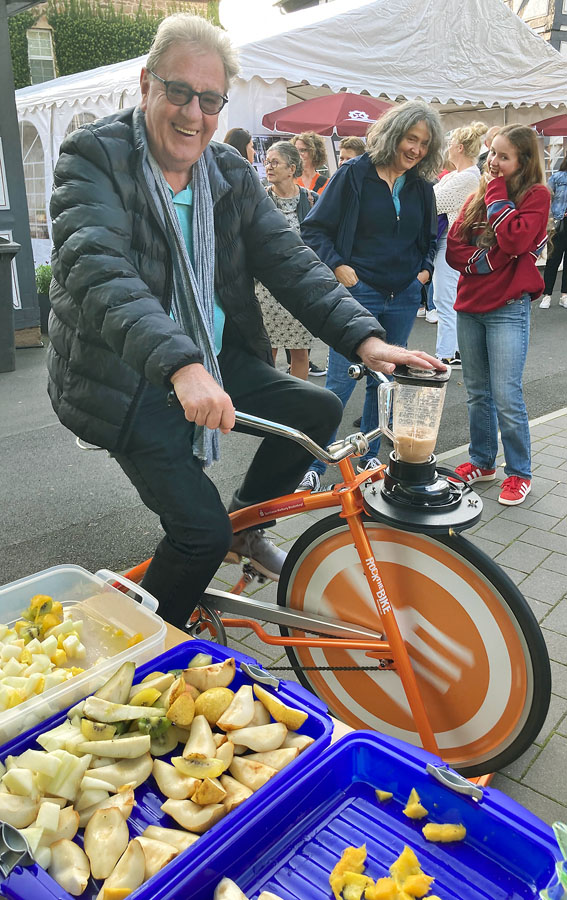
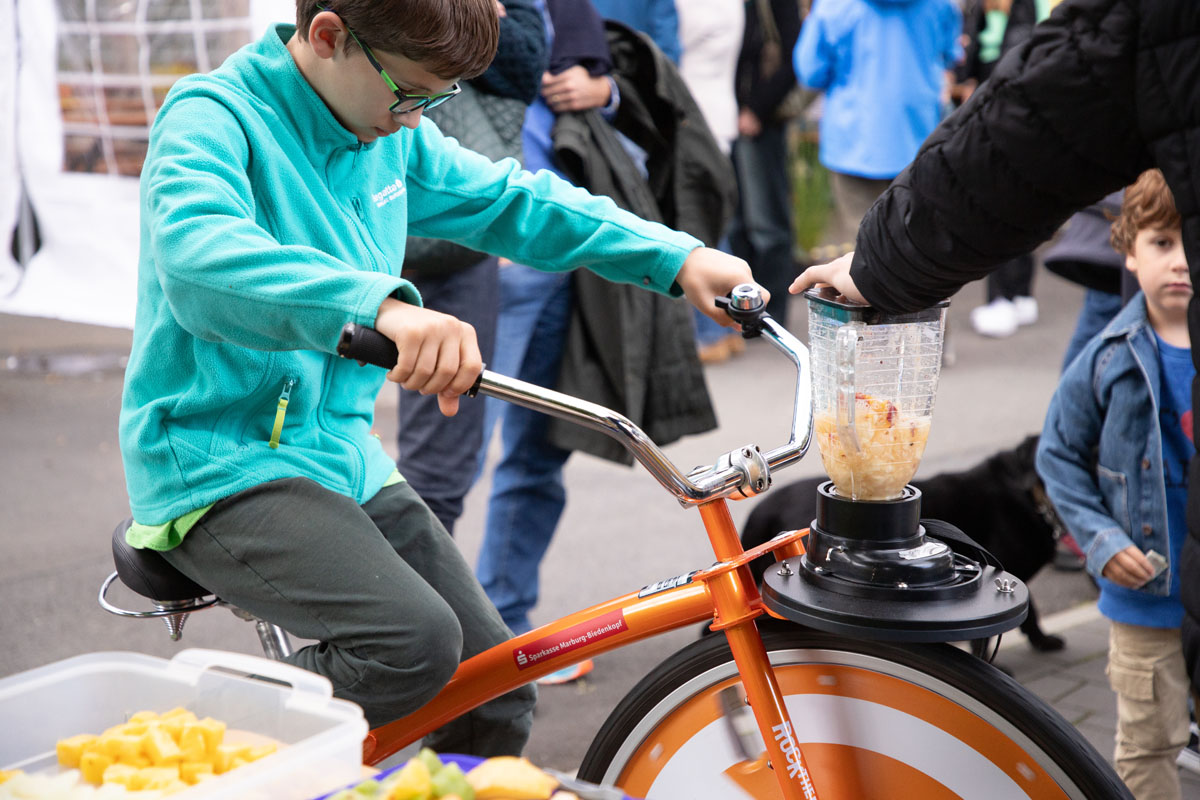
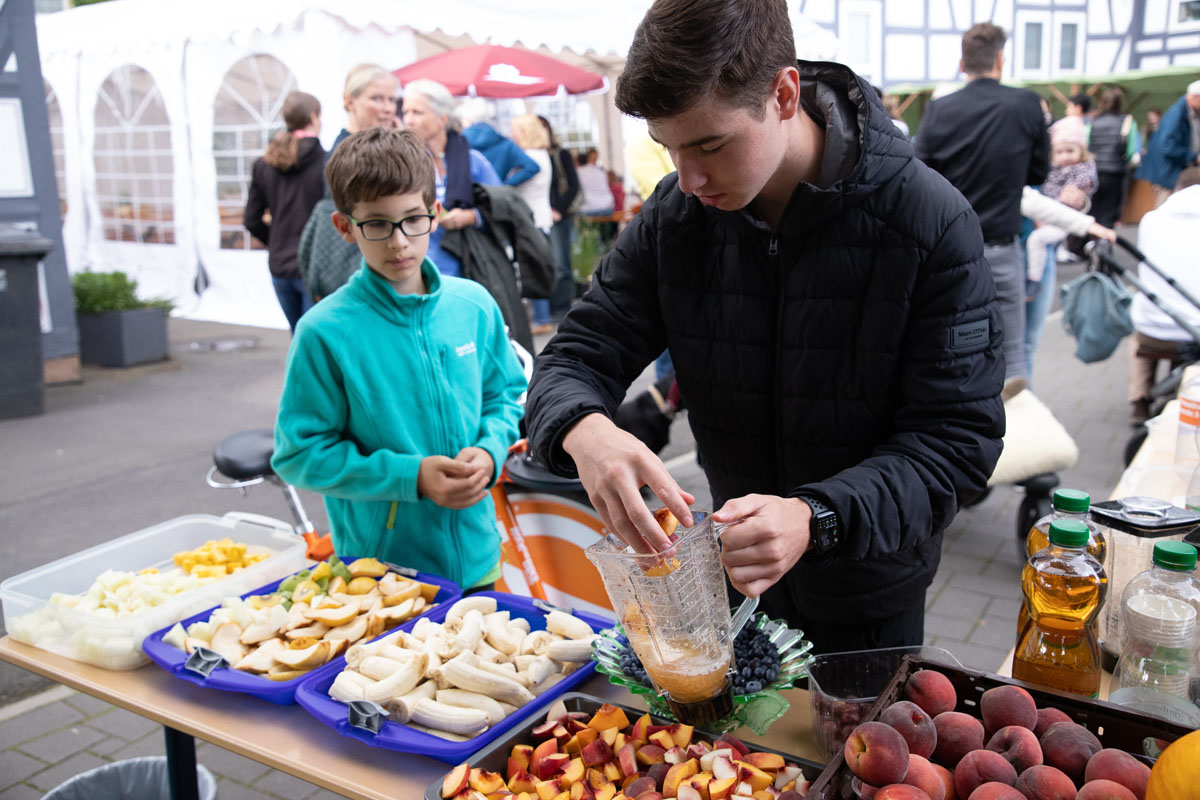
A few new features caught the visitors’ attention. Among them was a booth where “fortune tellers” offered interested visitors a glimpse into their future. Another great attraction was the smoothie bike, where visitors could make their own fruity fitness drink by pedaling. The bike was on loan from the Marburg Food Bank, which its chairwoman, Rita Vaupel—wife of school association chair Egon Vaupel—had made available to the Steinmühle for the fall festival.

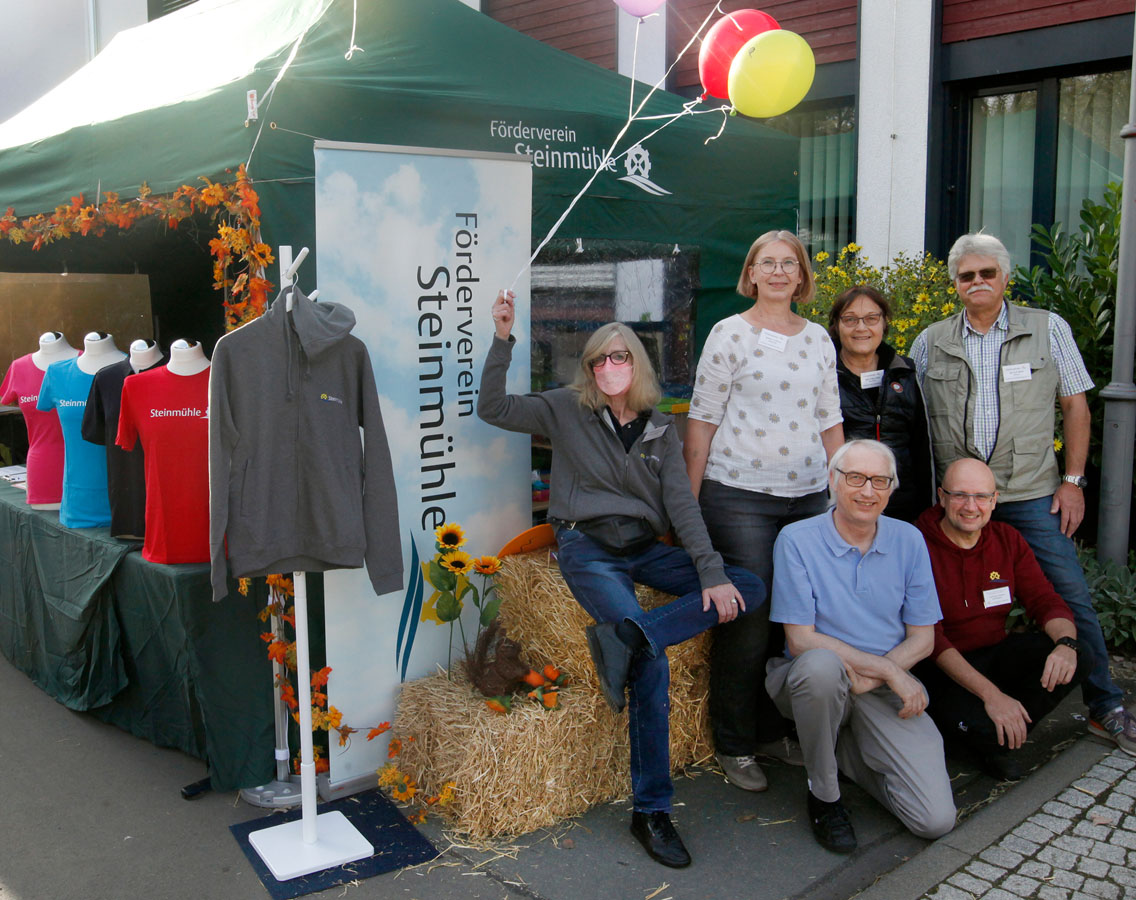
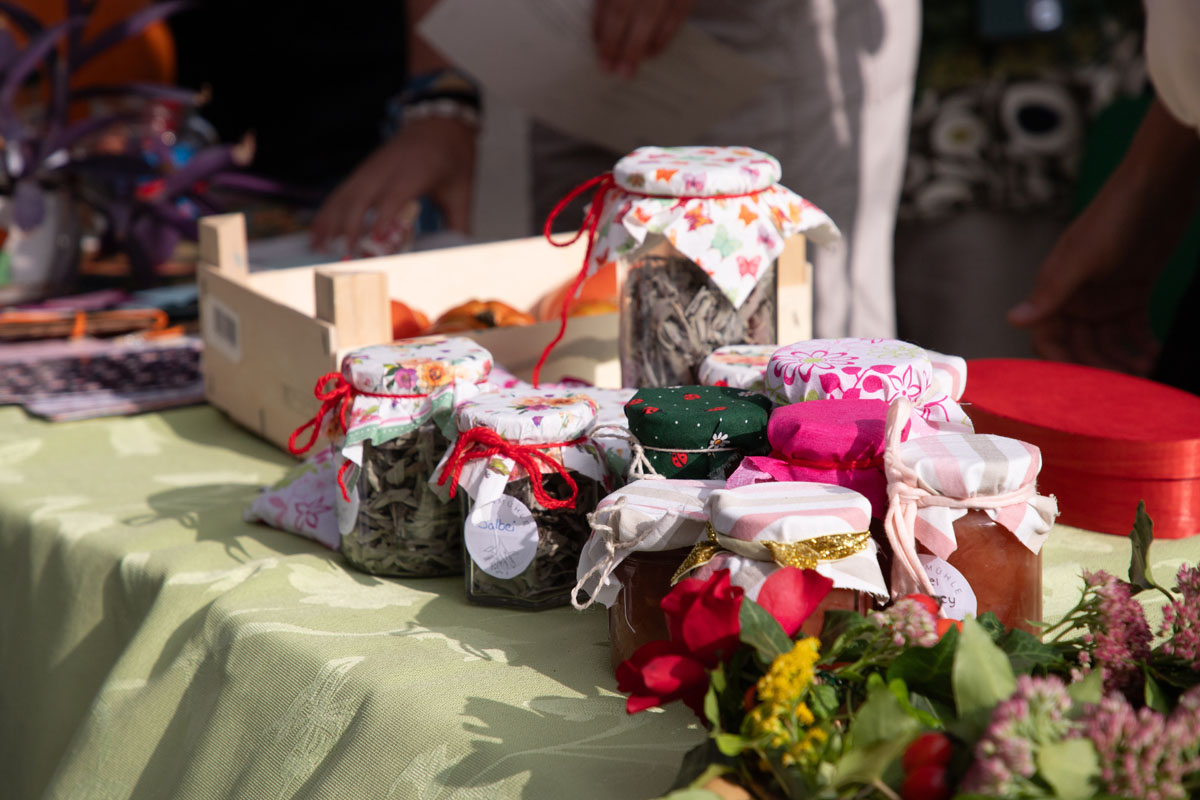
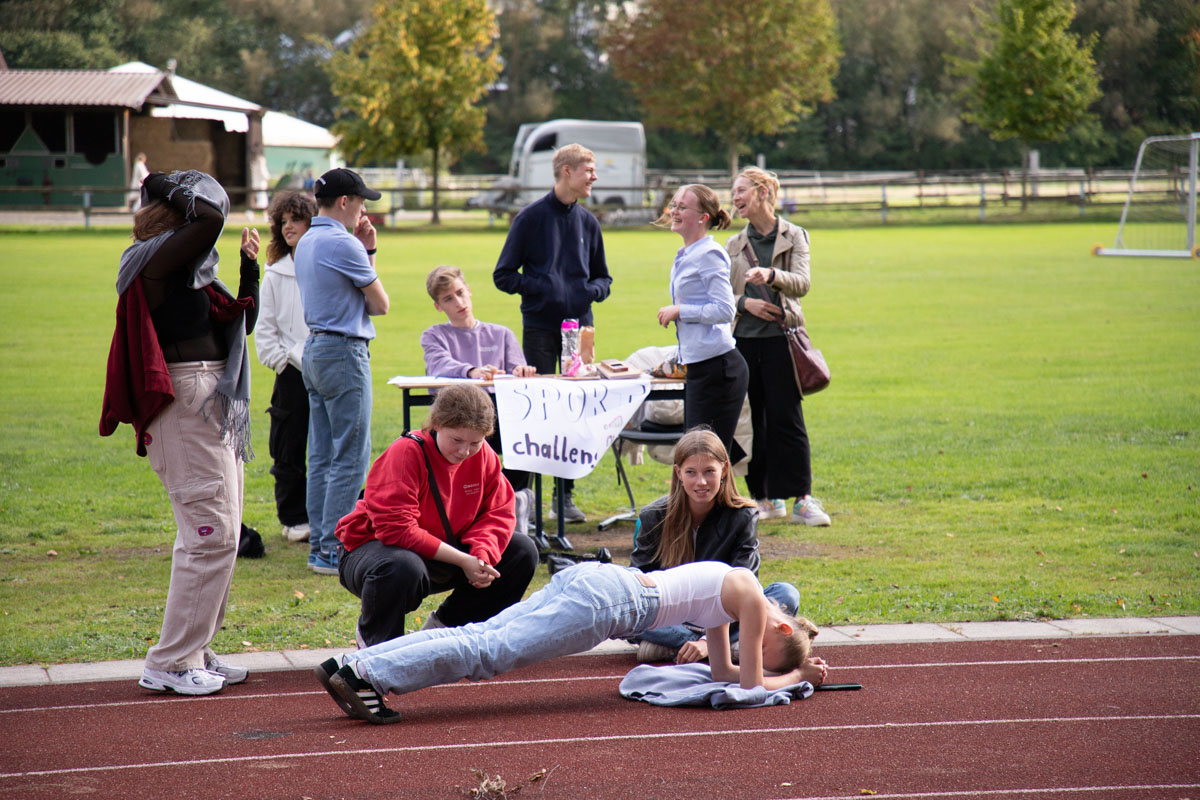
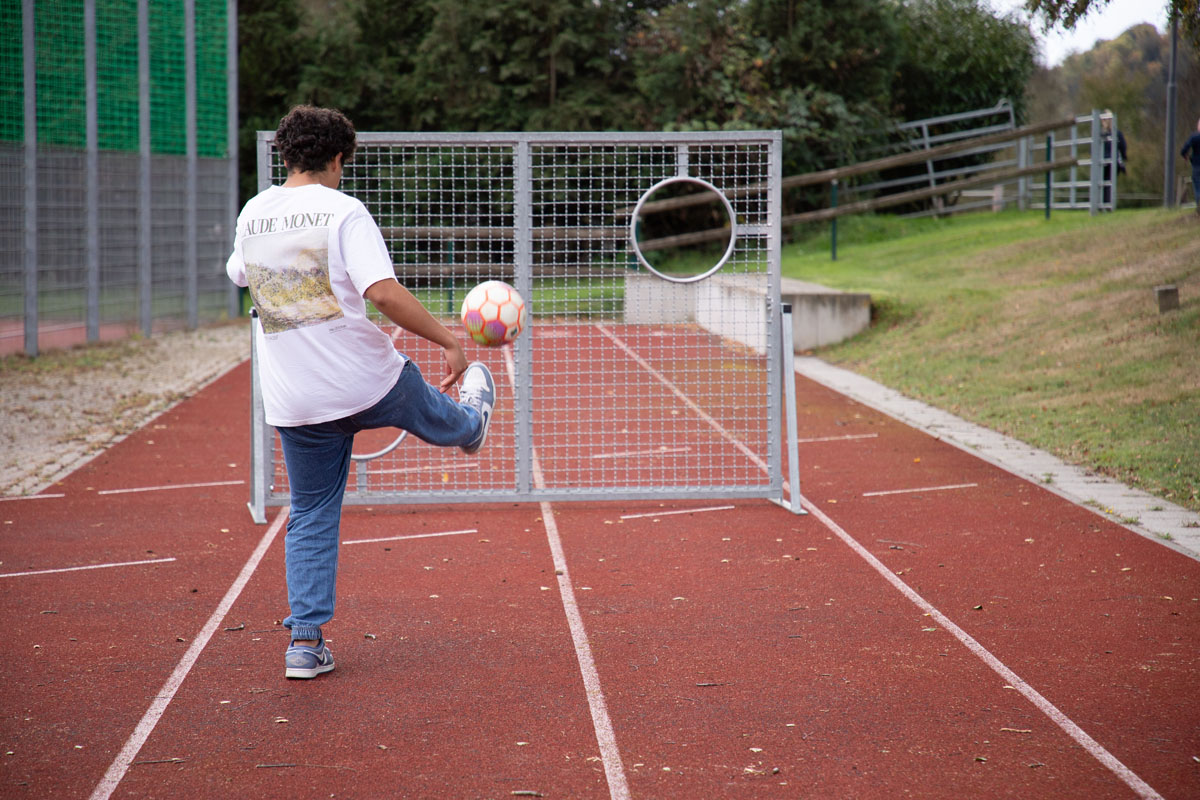
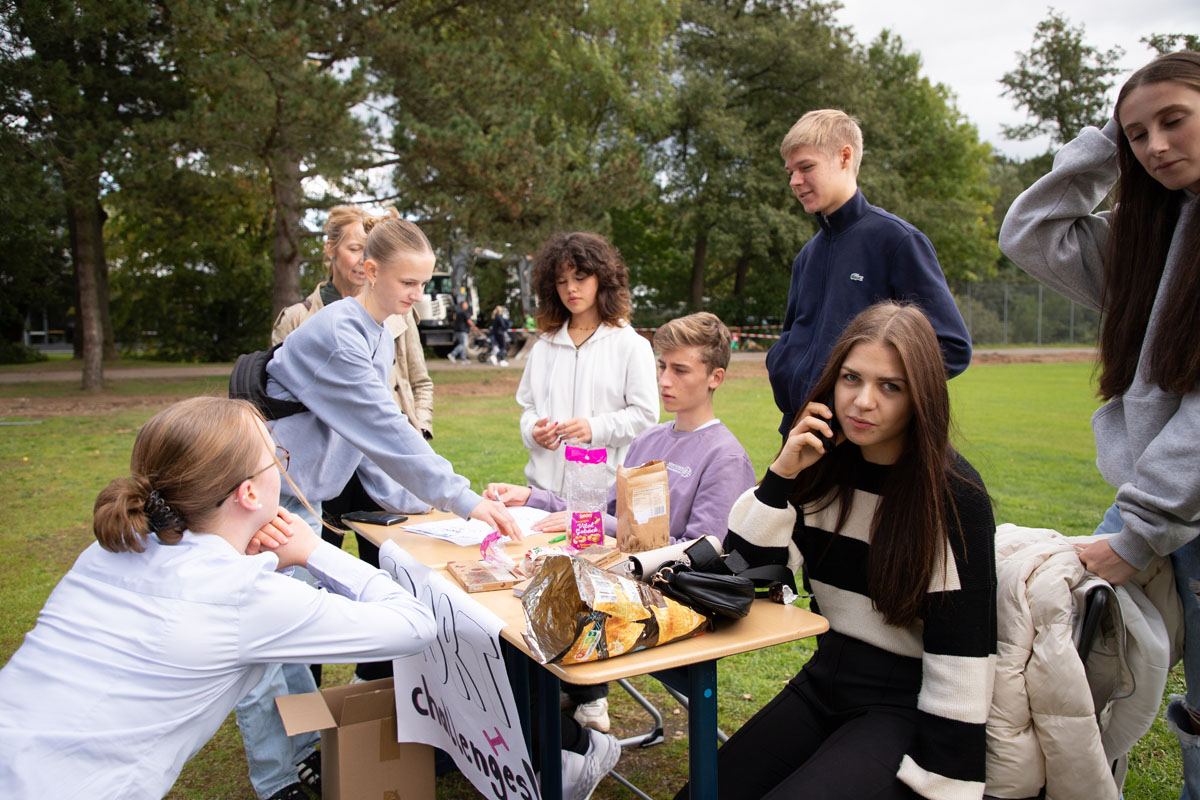
Overall, many booths were focused on collecting donations. For example, the sports challenge on the soccer field—located in the back area of the campus—was also a charity event. The Steinmühle Friends Association, chaired by Jasmine Weidenbach, recruited new members at its beautifully decorated booth right at the entrance to the schoolyard. Not far from there, Executive Director Dirk Konnertz, Upper School Director Cornelia Oestreicher-Gold, and Dirk Lange—speaking on behalf of the entire school administration team—provided information about the various academic programs offered at Steinmühle.

It’s well known that the culinary aspect is a key part of the Steinmühle Fall Festival. For this reason, the selection of cakes, hearty dishes, and various beverages was once again extensive and delicious.

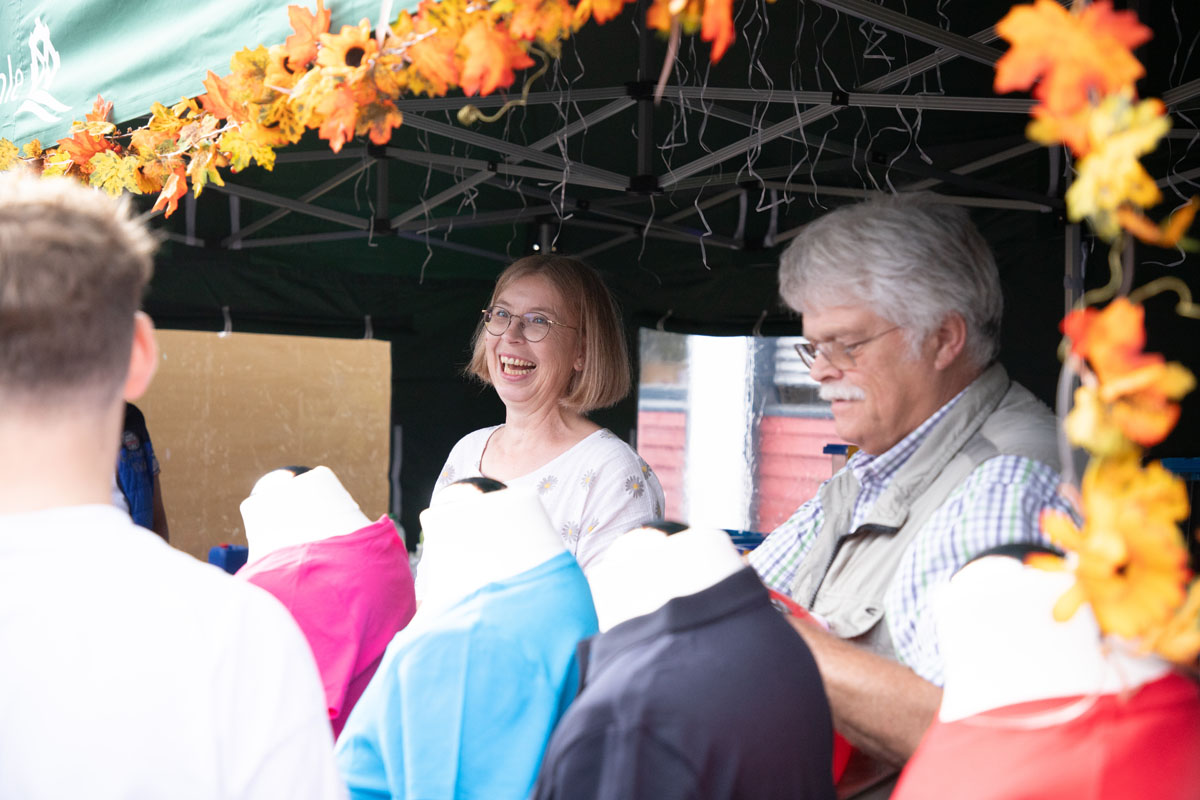
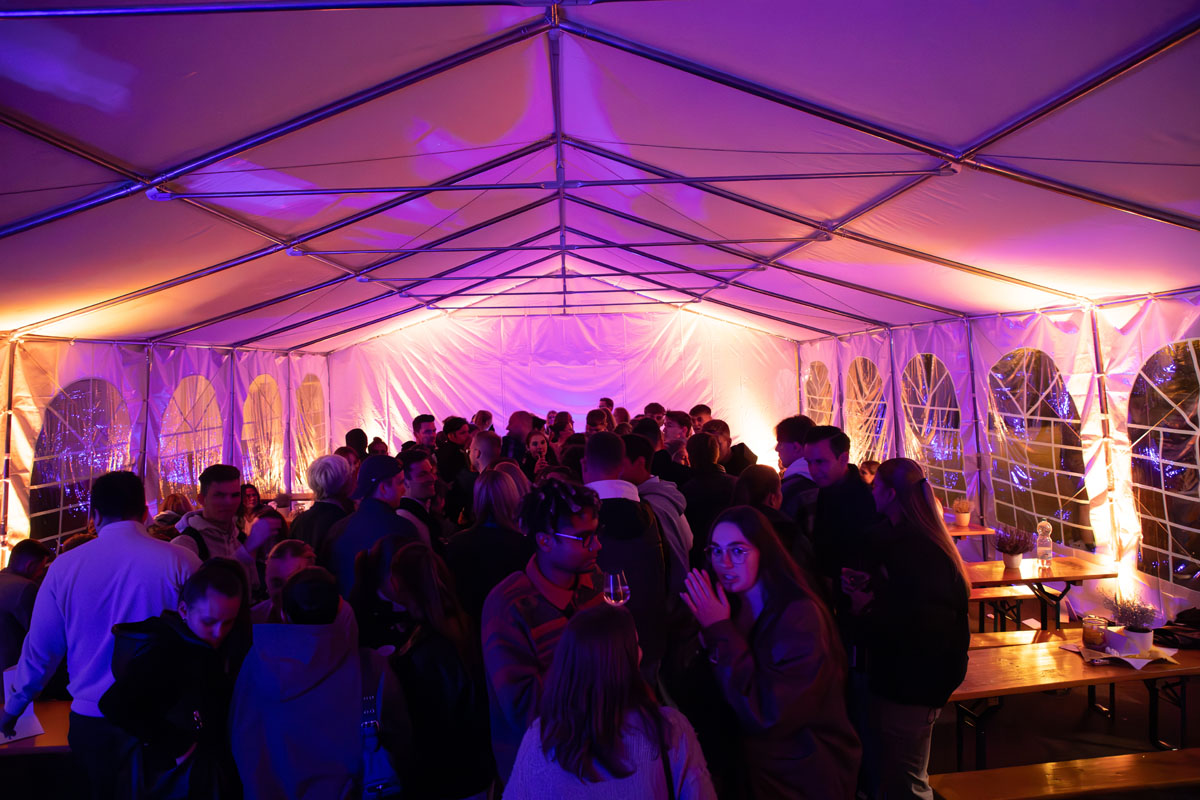
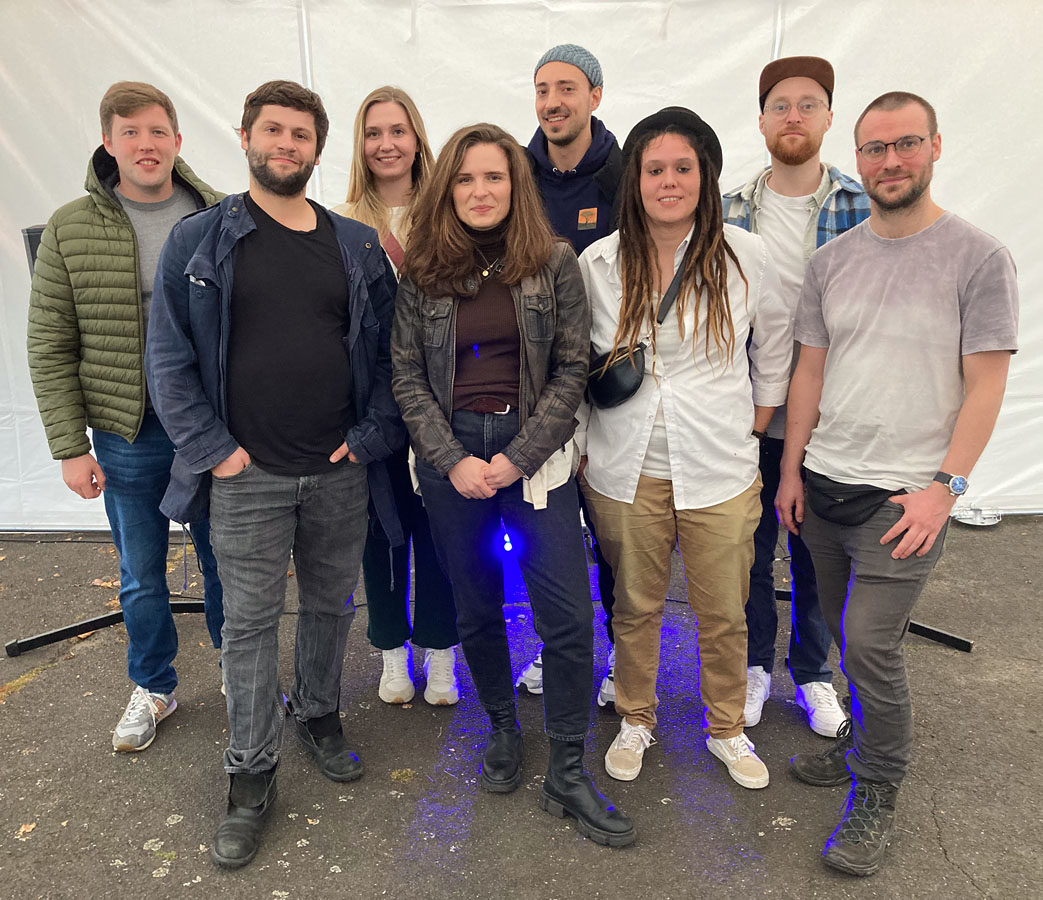
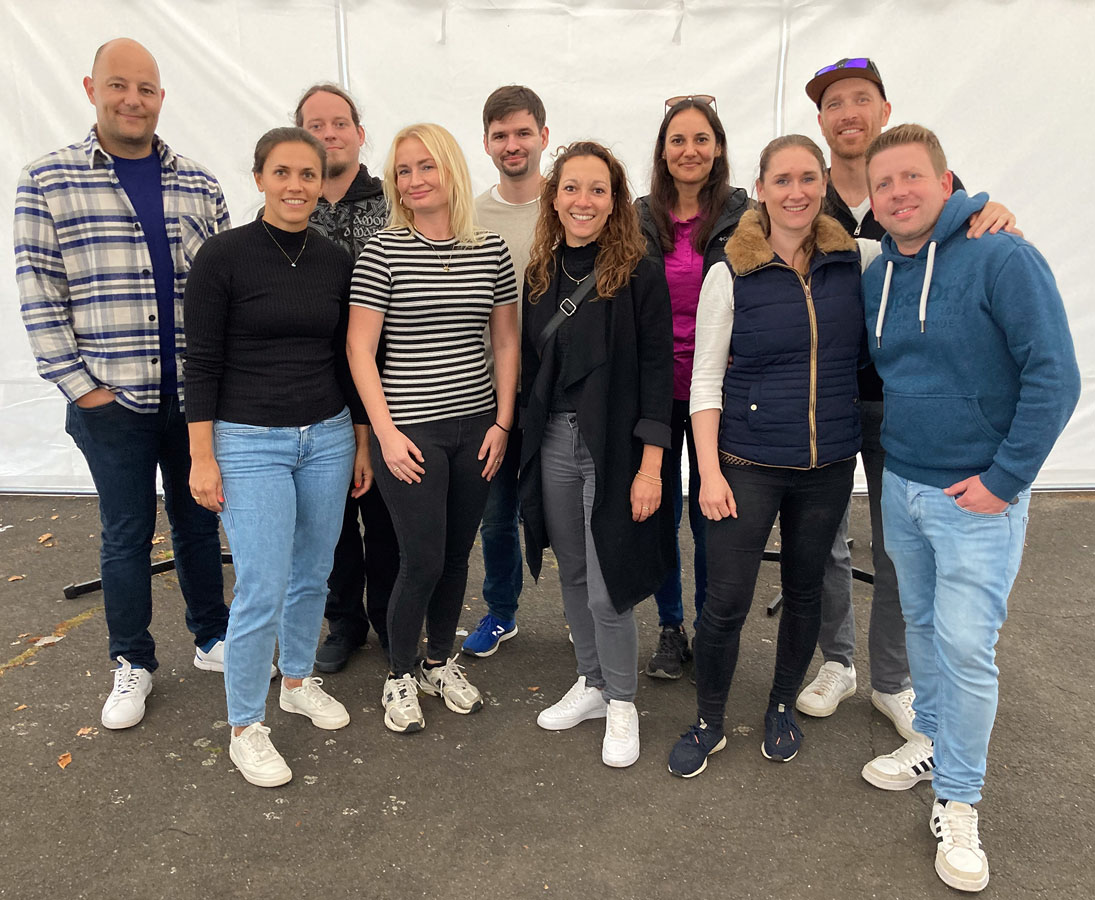
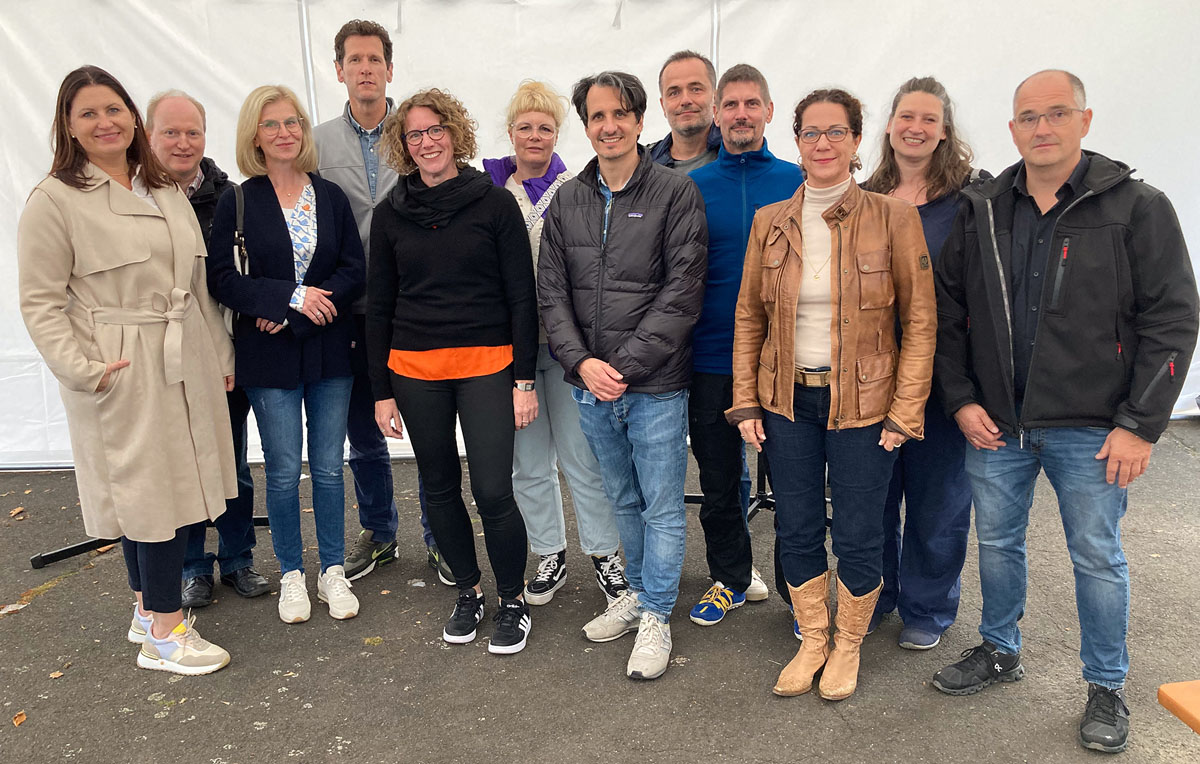
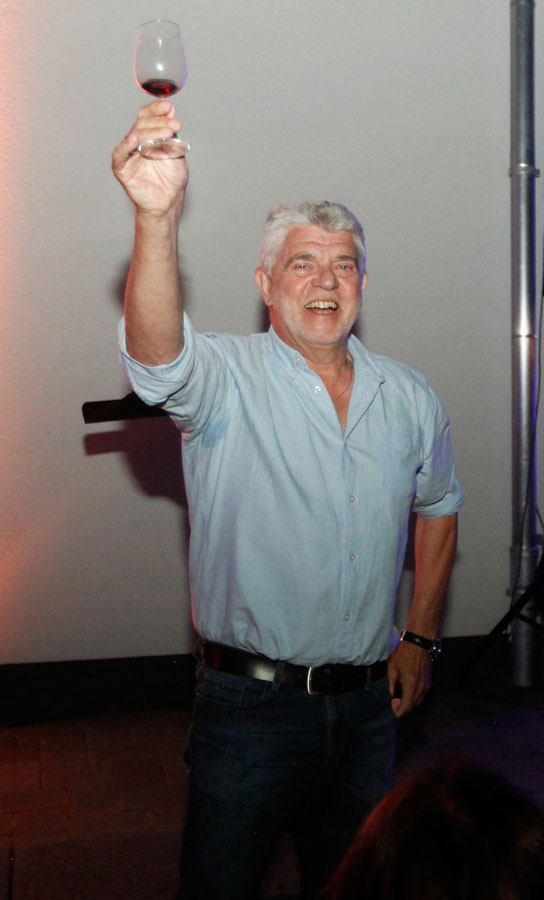
The Steinmühlen high school graduating classes of 1993, 1998, 2008, and 2013 had received a special invitation. Each class gathered in the tent for a group photo and, like many other alumni, raised a glass to “the good old days.”

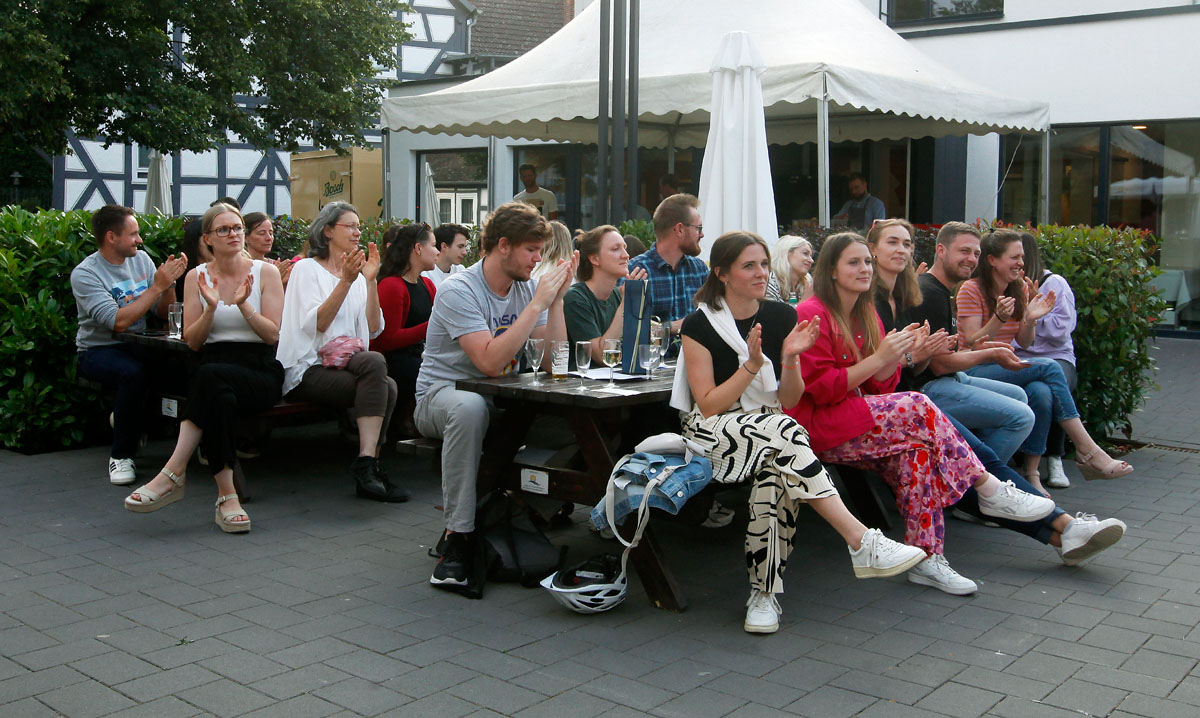
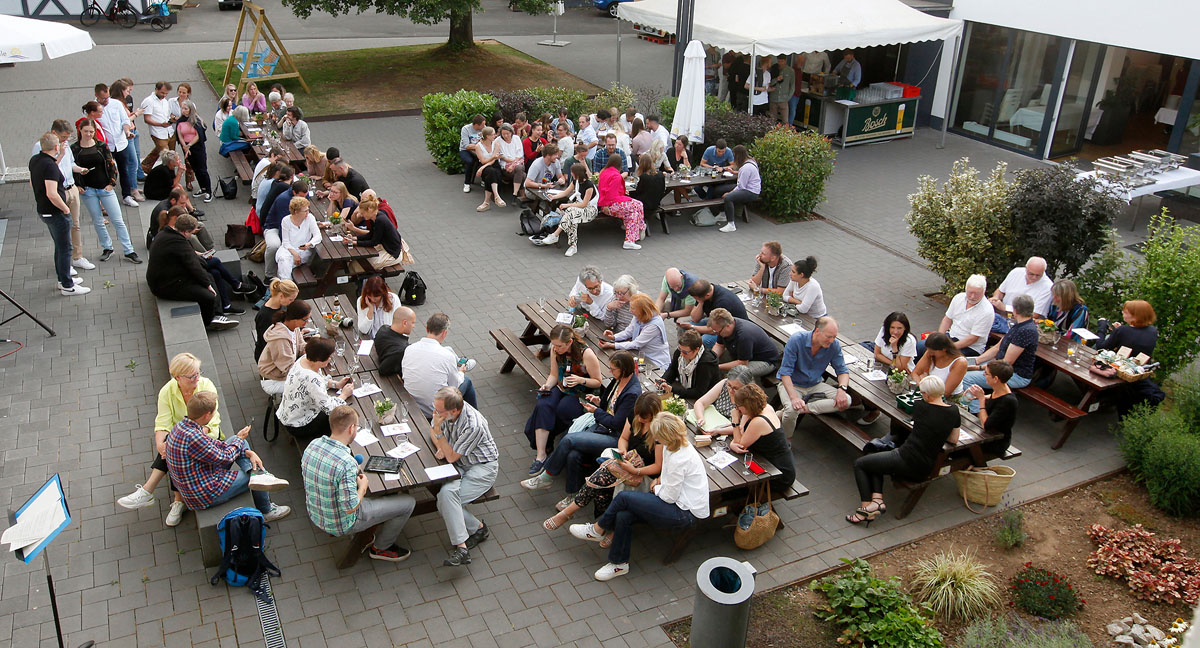
The stress is melting away; after a long school year, summer vacation is just around the corner. The evening sun bathes the schoolyard in a warm, atmospheric light. The smell of the barbecue fills the air, and glasses clink. For the Steinmühle School Association, the annual summer festival on the last Thursday before summer vacation is a top priority.

To ensure that all colleagues can enjoy a wonderful evening, no expense or effort is spared, and a feast is served. Saying goodbye to colleagues is the only downside to this festive evening. “It would be even better without them,” you hear here and there. But everyone knows full well that part of this celebration is also recognizing the contributions of the employees who, for various reasons, will soon no longer be part of the Steinmühlen team.

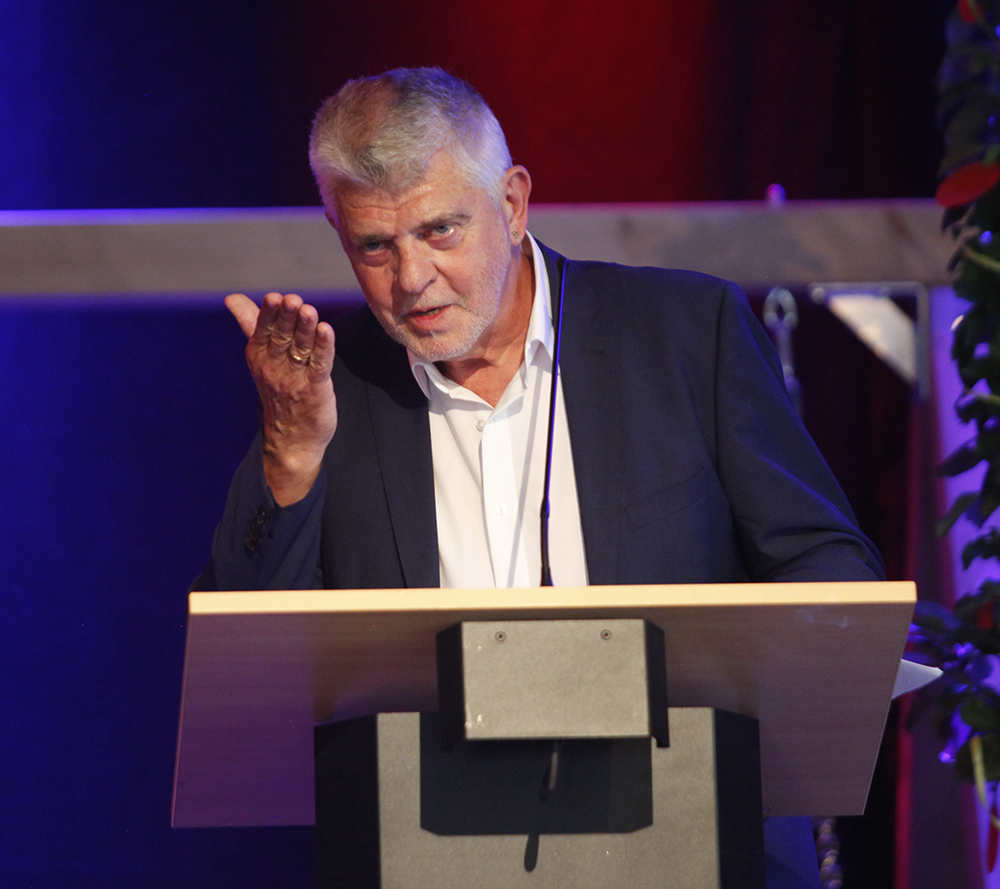
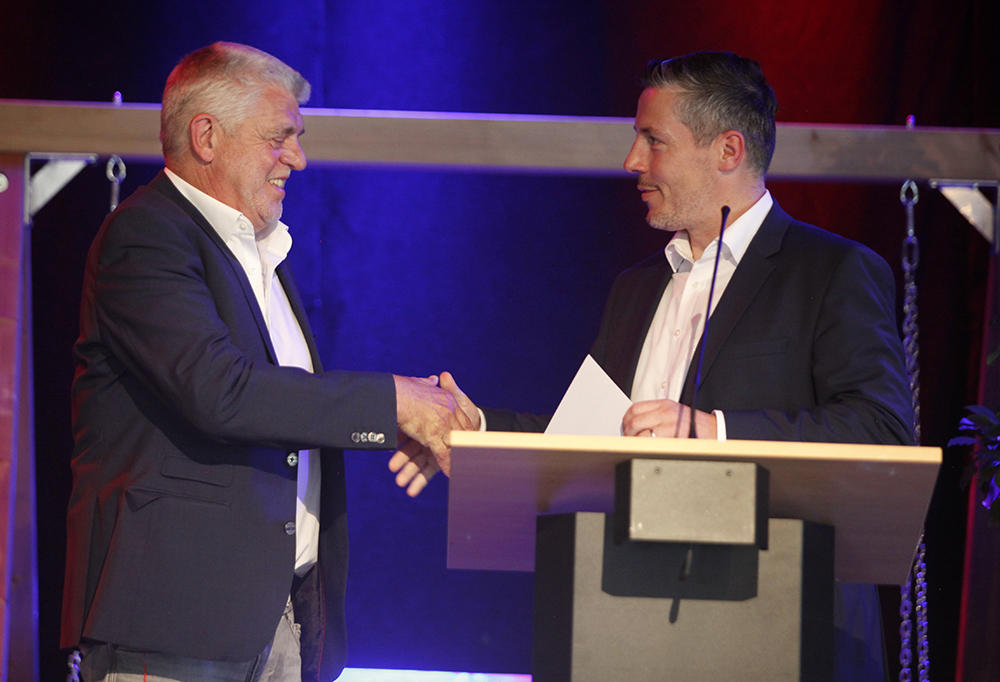
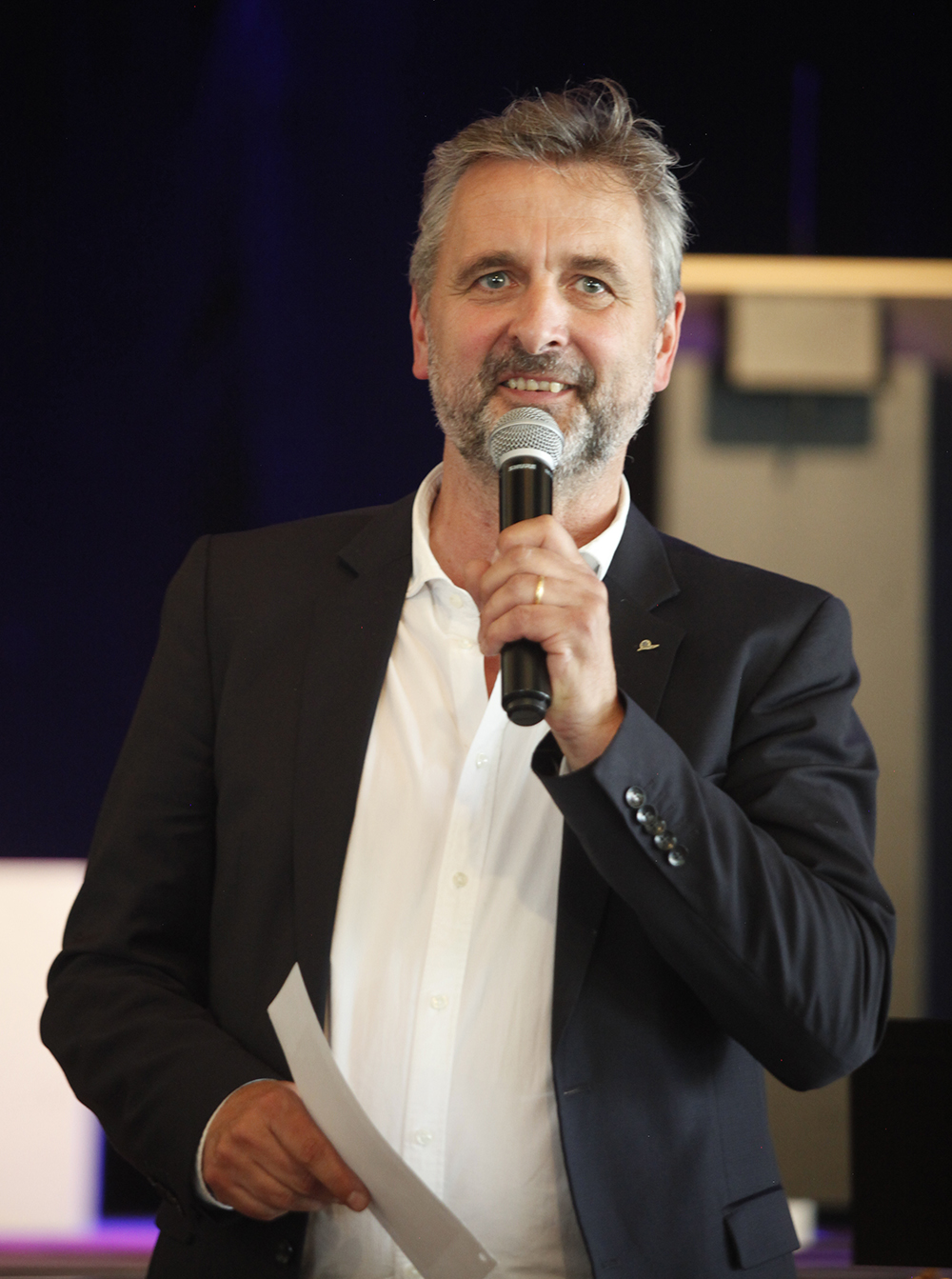
Many former teachers are here tonight. Every year, quite a few of them take the opportunity to spend a few hours with the colleagues they worked with during their school days. Tonight, many of them are also here for Bernd Holly, who is retiring. The farewell ceremonies for the principal have been taking place at the Loop since early July, and he admits in his usual laid-back manner, “I’m done.”

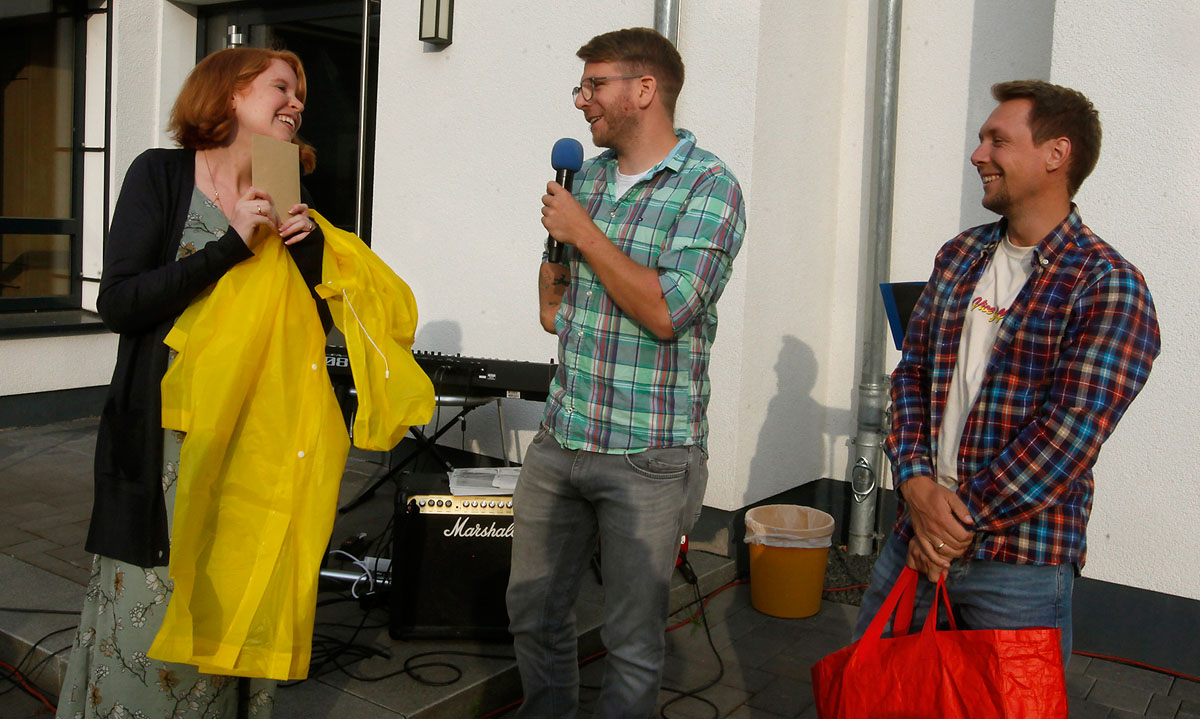
Among the other colleagues leaving Steinmühle is Bella Gnodte. She will be working at blista in the future. “A creative, dedicated, and well-liked colleague”—Steinmühle regrets her departure. Victoria Kaster will also be teaching at a different elementary school in the future, which her colleagues find very unfortunate. Janine Küster, the principal of the Steinmühle Bilingual Elementary School, highlights Victoria Kaster’s “warm, loving nature” and describes her as someone “who took on every challenge.” “You were a true pillar of our elementary school,” adds Dr. Rainer Nietzke on behalf of the works council. “It’s really hard to see you go.”

Mathematics and physics teacher Julia Bernzen, née Riemenschneider, is moving to Hamburg in the far north for family reasons. She joined Steinmühle as a student teacher in the spring of 2016 and was offered a permanent contract. “You were always there whenever help was needed,” her colleagues recall of the popular teacher, who was equally well-regarded in conversations with parents, students, and her team. Julia Bernzen served as head of the mathematics department for some time and taught the subject at both the bilingual elementary school and the upper secondary level. Her colleagues concluded: “It was always a pleasure to work with you.”

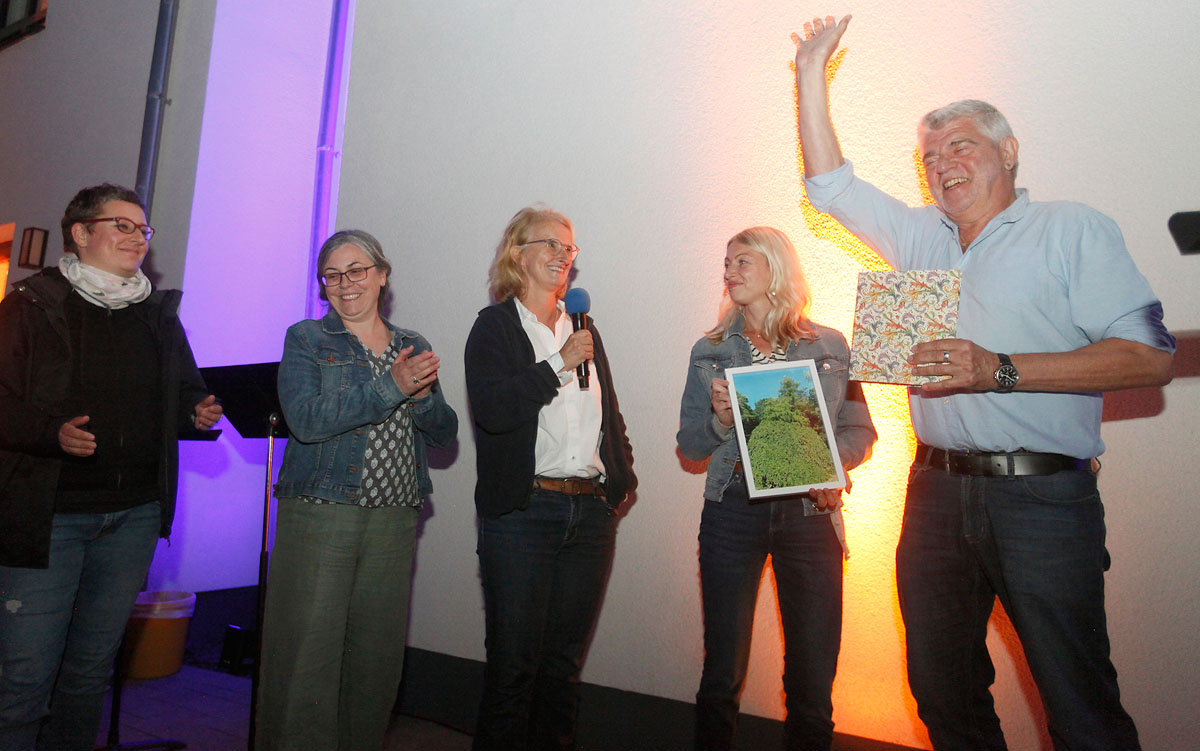
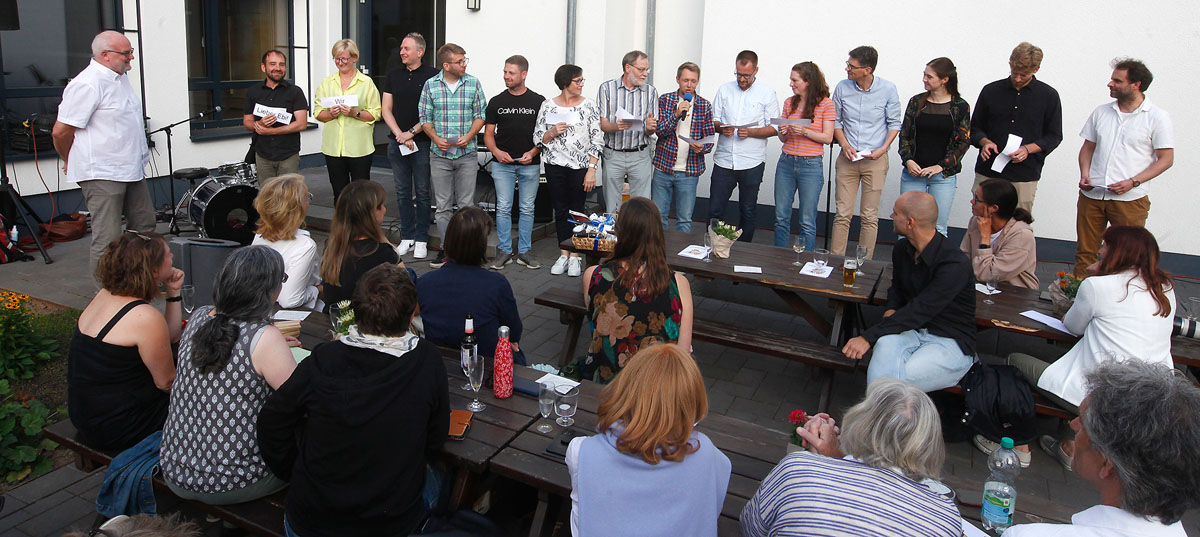
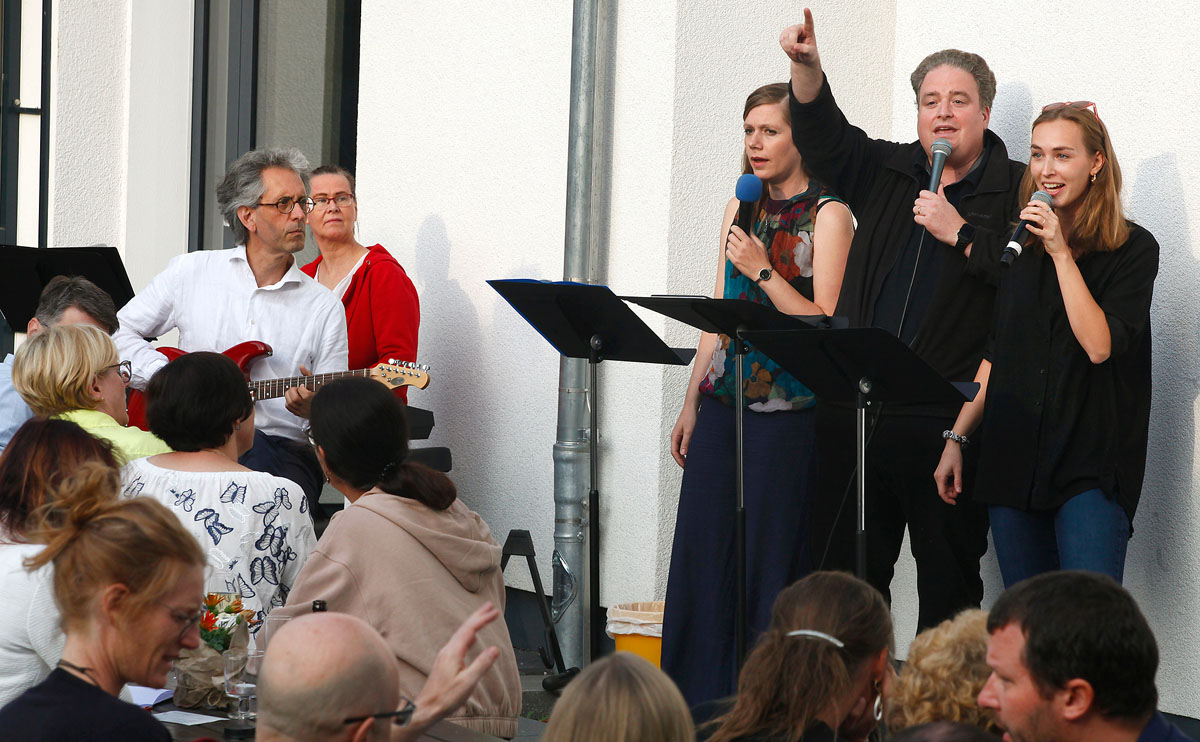
After these tributes, a musical interlude seemed like the perfect choice. Ulrike Wilmsmeyer, Frank Wemme, Kristina Sokoli, Daniel Sans, and Anna Prokop sang a farewell canon.

Next up was Eberhard Wieth, a math and computer science teacher. Like Bernd Holly, he, too, is leaving Steinmühle to retire. Among other things, Principal Björn Gemmer highlighted his dedication to the StoneApp, which Eberhard Wieth had initiated as a “student package” in his computer science classes. Characteristic descriptions of the departing teacher included terms like “the cheerful bear,” but there were also memories of how it all began for Eberhard Wieth at Steinmühle. “I was your mentor,” recalled Constanze Oestreicher-Gold, head of the upper school, with a smile.


Actor David Bennent celebrated with the Steinmühle

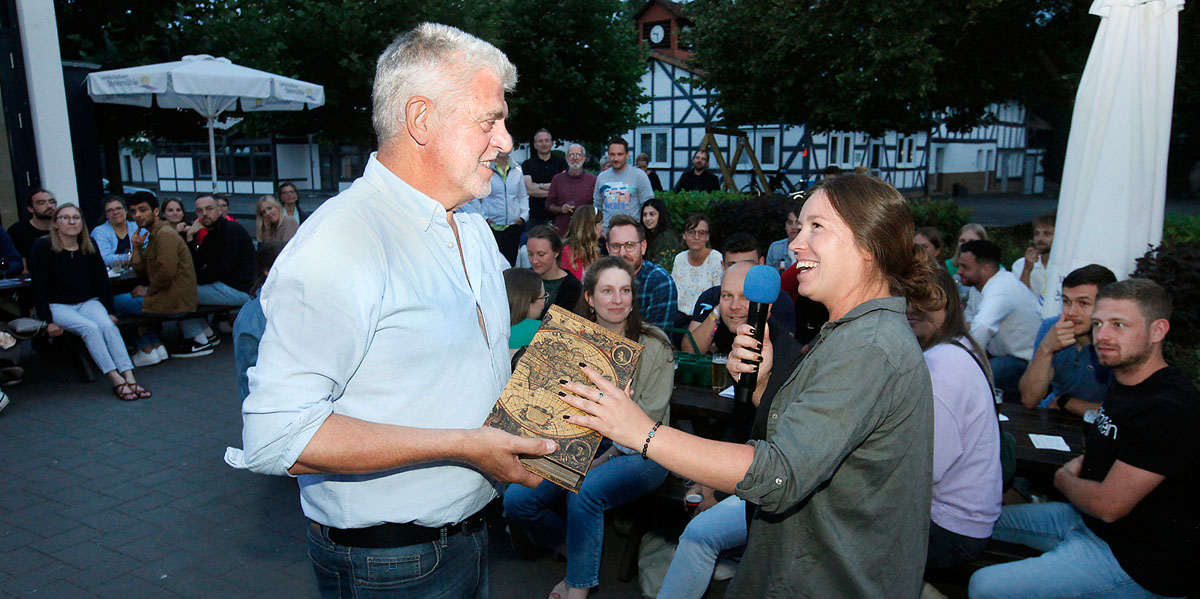
Between speeches, performances, and a buffet prepared by the boarding school kitchen, school director Dirk Konnertz welcomed a very special guest: David Bennent. The professional actor, who rose to fame for his role in the film “The Tin Drum,” was at Steinmühle for the second time as an instructor for a workshop led by Ines Vielhaben and celebrated with the Steinmühle faculty.

Once again, there was music afterward. Kristina Sokoli, Anna Prokop, Daniel Sans, and Frank Wemme used their voices and instruments to express their appreciation for their departing colleagues and musically conveyed the message, “We will miss you.” As a new member of the school administration, Tobias Karlein then passed the baton back to Bernd Holly: “Over the past six months, you’ve been a role model to me in every way, and we’ve almost become friends.”

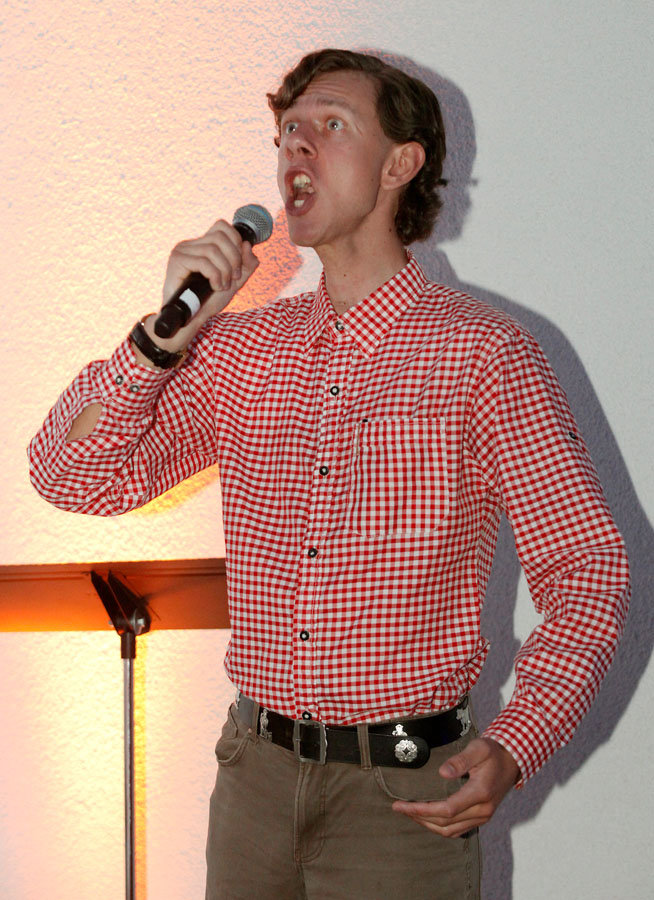
The outgoing principal admitted, “It’s difficult when you’re constantly getting standing ovations.” Saying goodbye had not been easy for him. Tenor Felix Müller, a Steinmühle high school graduate this summer and future student at the Mozarteum in Salzburg, began singing “Time to Say Goodbye.” The fact that Steinmühle not only wins awards for achievements in the natural sciences, math competitions, athletic successes, or reading skills, but also produces graduates who gain admission to a leading university for music, theater, and the visual arts, demonstrates once again just how well-rounded the school is.

2023 High School Graduation Ceremonies: First Use of the Renovated Gymnasium

A proud graduating class is leaving Steinmühle: proud of having the highest Abitur score in the school’s history, proud of their sense of community, proud of their classmate who has just received a “fresh” acceptance to the Mozarteum in Salzburg, proud of a classmate’s Social Award for so much volunteer work that one wonders when she even had time for school. The graduates can also be proud that they were the first class in a long time to celebrate the evening on their own grounds—namely, in the renovated gym. But this graduating class has a very special bond with Principal Bernd Holly. Both they and he are leaving Steinmühle for good. The young people are heading out into the world, while Bernd Holly is retiring. Such is the passage of time.

What is time? Björn Gemmer, the remaining member of the school’s former co-principal team, made this the topic of his speech at the high school graduation ceremony. To the surprise and delight of the audience, he began his speech with the first verse and the chorus of Udo Jürgens’ 44-year-old song “1000 Jahre sind ein Tag” (1,000 Years Are a Day), ultimately noting how well such an old song—in terms of its message—still fits into today’s world, but also to the graduates’ school careers.

The principal praised his colleagues for sparking the students’ curiosity as early as the lower and middle grades about a wide variety of topics—many of which, across different subjects, often centered on the theme of time, whether it was the time project in 6th grade or, later on, the classification of historical periods in history or art classes.

According to philosophical theories, the secret to one’s individual perception of time lies in the answer to the question of how fulfilling a period of time is—and the answer as to why those nine years had simply flown by so quickly was quickly found: “Because they were so fulfilling.”

As part of the morning program—which included speeches by students Paul Martin and Linda Hübl, interspersed with musical performances—certificates were handed out following the tutorials, accompanied by brief remarks from the tutors, and awards were presented. What a celebration!

Of course, these results—and the individual achievements that each person defined for themselves—had to be celebrated. On this hot summer day, the evening was celebrated as airily as possible in the renovated gym: doors open for a light breeze, the buffet set up outside in the pavilion—with a delicious selection of food that left everyone in awe. What a fantastic kitchen team—the boarding school staff! The relaxed program, which included the graduates’ tributes to all the tutors, provided opportunities for breaks in between—for conversations at tables and in small groups around the grounds—and for taking a deep breath, especially when some of the speeches and the appreciation expressed in them truly touched the heart.

It is virtually impossible to give all the speakers, those presenting awards, and the honorees the attention they deserve in a single article. However, it’s safe to say that the graduation ceremony took place in a fitting setting. This marked a successful first attempt at holding this important day in the renovated sports hall instead of in a tent or an expensively rented venue. School Director Dirk Konnertz said, “We are planning a suitable usage concept for this hall that will also make other events possible.”

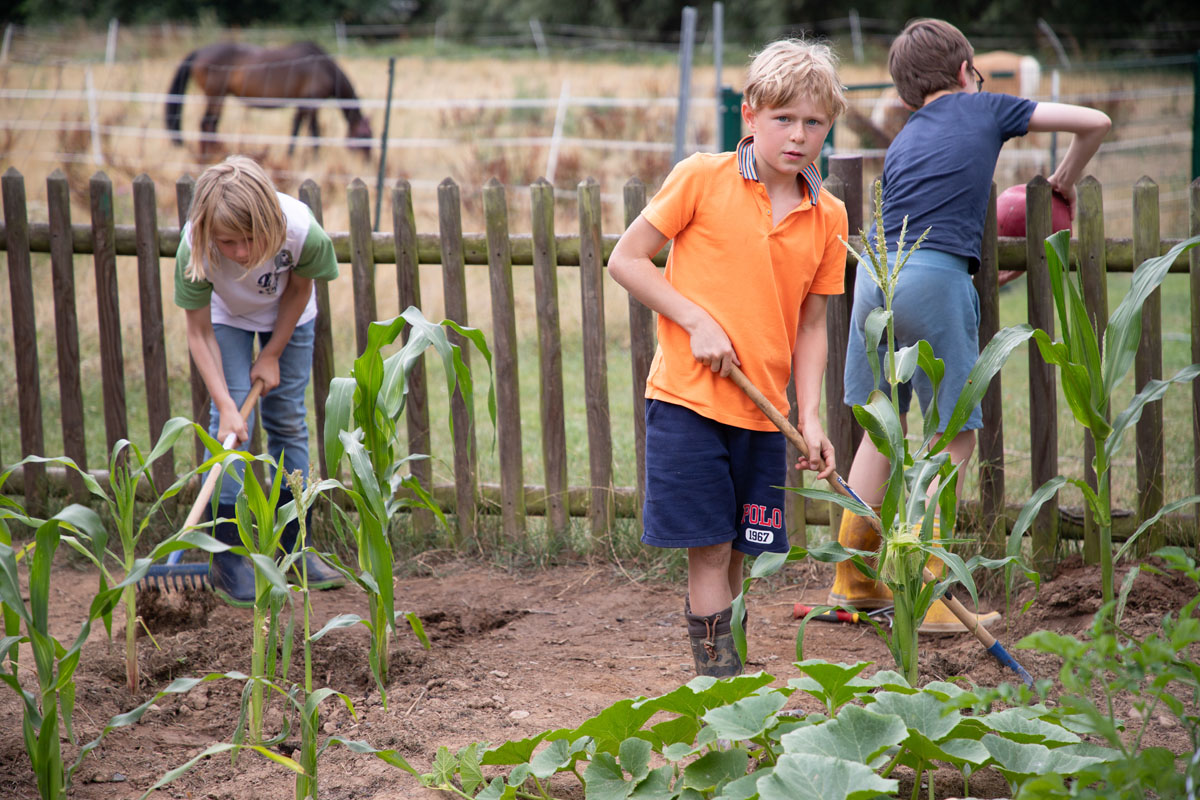
The Steinmühle Bilingual Elementary School is a place where not only students thrive personally and academically. Various plants also thrive on the adjacent school garden. You can practically watch various types of vegetables grow: tomatoes, carrots, pumpkins, and more are tended and cared for by the respective fourth-grade class.

The boys and girls enjoy working outdoors. Equipped with the appropriate gardening tools, they sow, plant, hoe, and water as needed—all under the guidance of teacher Lisa Forchheim. Along the way, they learn that vegetables don’t grow in the supermarket and that it takes a lot of work and patience before they can be harvested.


Partnership with the GemüseAckerdemie

These activities are capped off by a collaboration with the GemüseAckerdemie in Berlin. Over the course of three sessions, the group will discuss where our food comes from together with so-called “Acker-Coaches.”

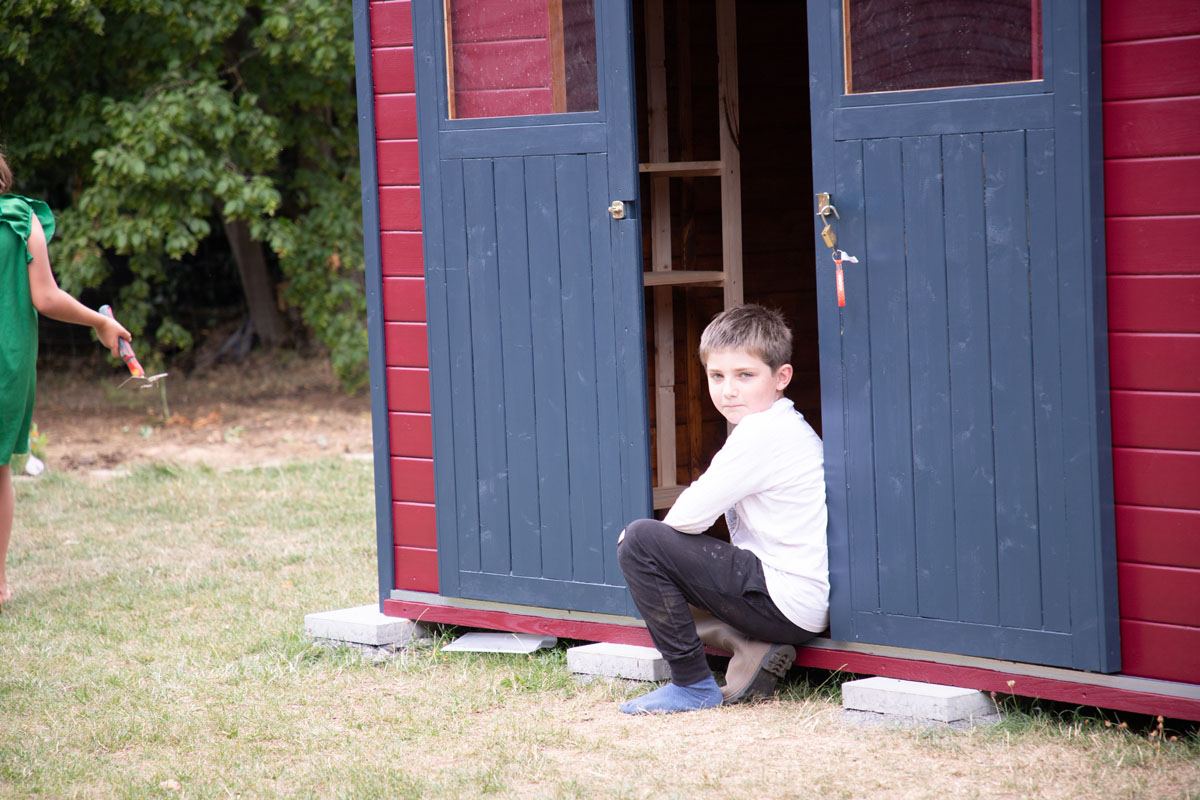
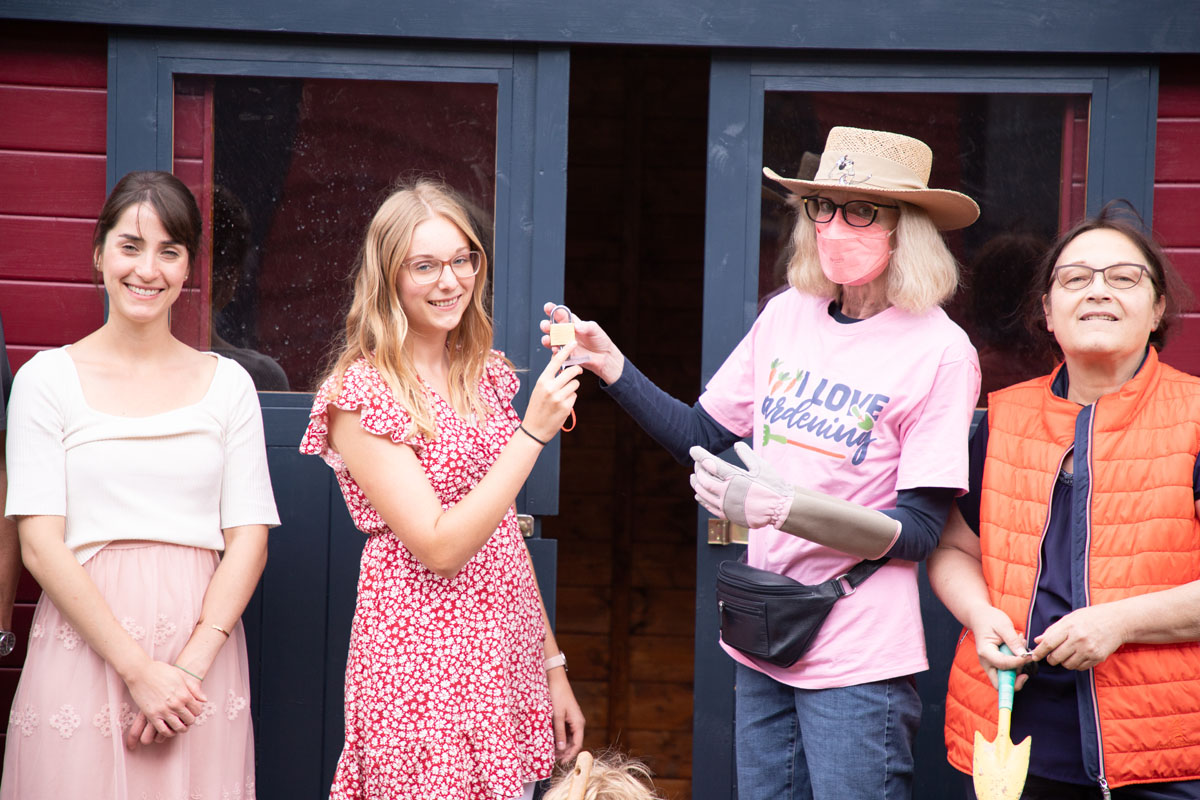
This educational segment is part of the field of Education for Sustainable Development (ESD), to which Steinmühle is increasingly dedicating its efforts. “The Friends of Steinmühle are very happy to support these activities,” explains Chairwoman Jasmine Weidenbach. To ensure the children are well-equipped for their outdoor activities, can safely store their gardening tools, and have them quickly at hand next time, the Friends of Steinmühle donated a garden shed to them. For the key handover, members of the Friends’ board posed for a photo with the children. The elementary school students expressed their gratitude with a thank-you card they designed together. As one might expect, the card was not only signed by all the participants but also featured a carrot design to match the theme.


More figures for the entryway

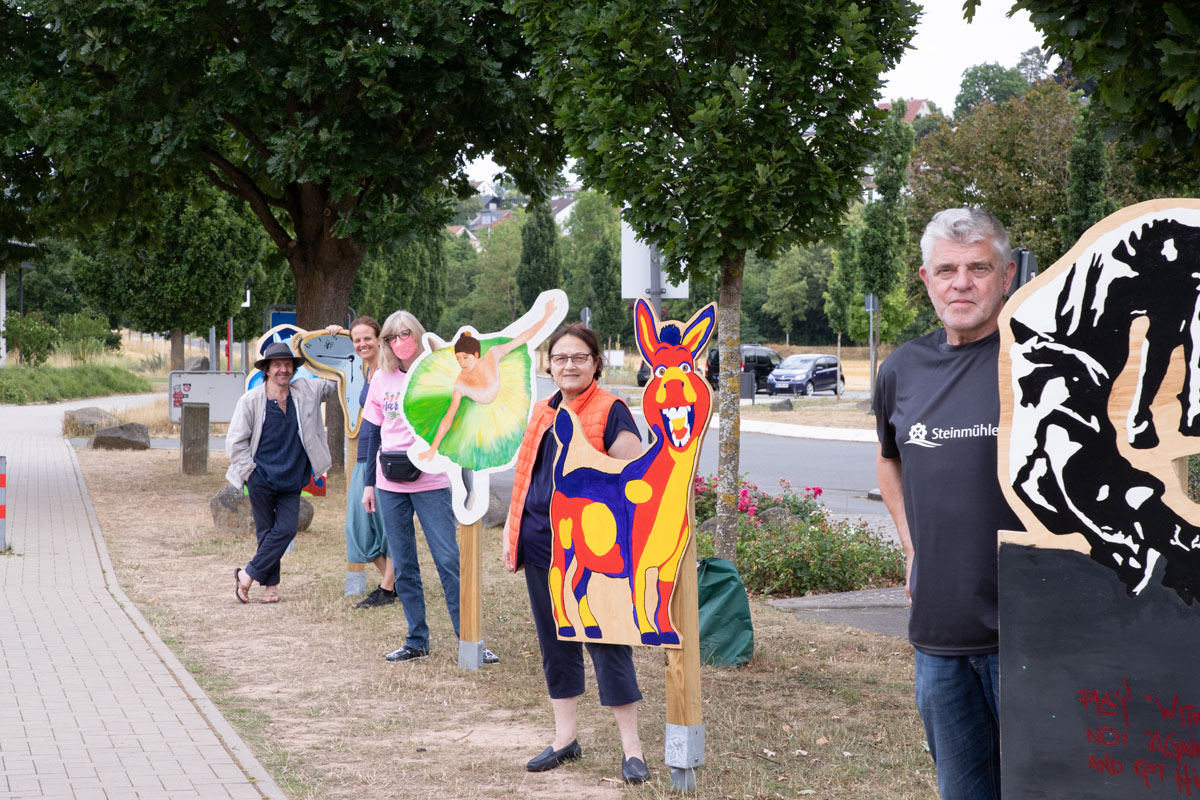
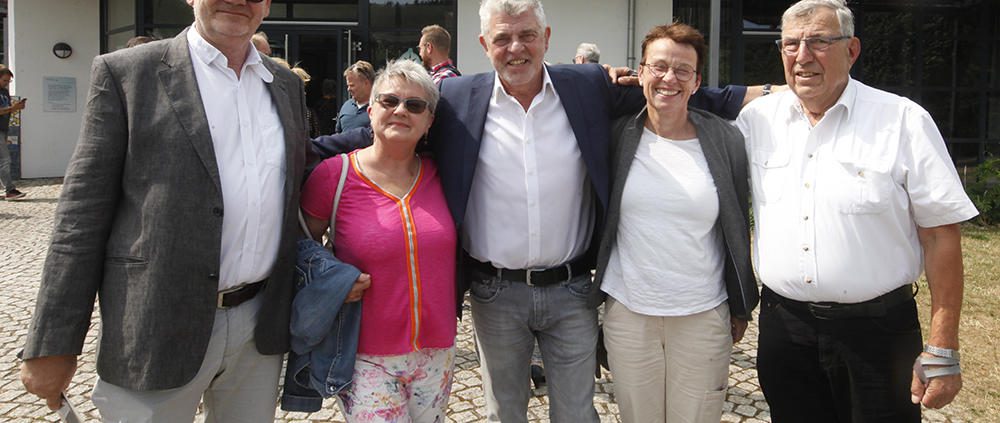
Throughout the school year, the Friends of Steinmühle Association regularly supports additional projects; due to their sheer number, only a few can be highlighted here. For example, the association also contributed to the sculptures at the entrance to the Steinmühle campus, which symbolize the school’s colorful and diverse community. Here, too, the Friends took a group photo to commemorate the occasion, which also features a very special guest at Steinmühle: actor David Bennent, the lead actor in the classic film *The Tin Drum*, who was supporting a project at Steinmühle for the second time this year.

We would like to extend our heartfelt thanks to everyone whose dedication consistently makes our school life something truly special!


Where the encouraging high school graduation banners usually hang, at the entrance to the Forum, there is only a single large poster on display this Tuesday in July. “Bernd, you can do it! Your friends.” His friends and most of those who know the outgoing principal—they all know: Bernd Holly wasn’t looking forward to this day. After 22 years at Steinmühle and at the age of 66, Hessian civil service law has brought an end to the career of Bernd Holly—the educator, the organizer, and above all, the philanthropist—because he has reached the mandatory retirement age.

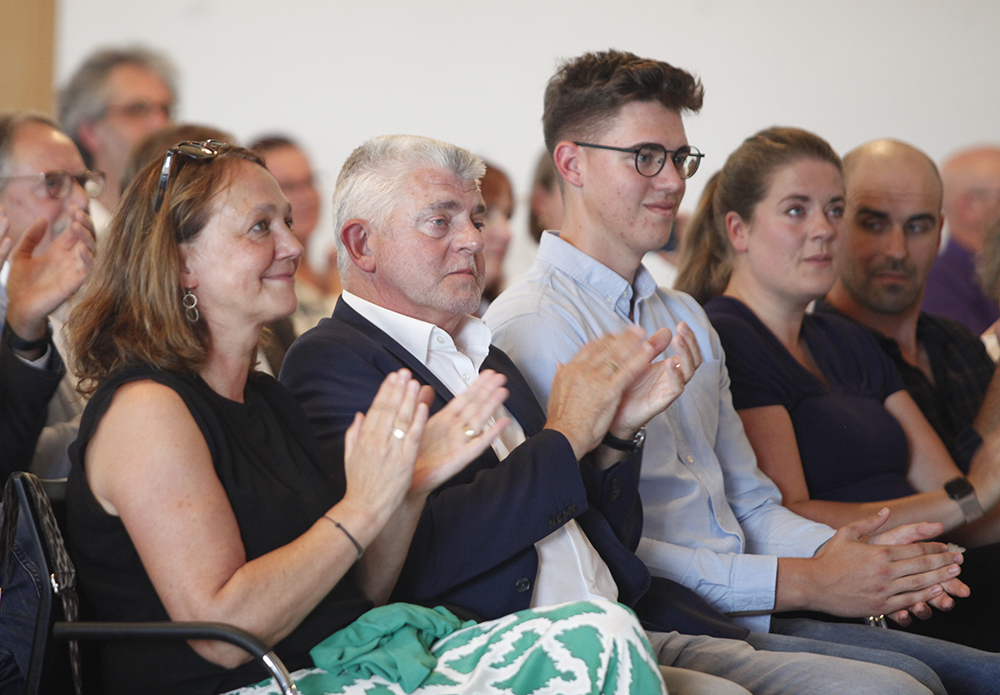
It was no ordinary farewell—this event, which had begun at 4 p.m. Even five hours later, the last guests were still standing in the foyer and outside the door, glasses and hors d’oeuvres in hand, chatting with other attendees and with Bernd Holly himself. By that point, the most emotional part of the late afternoon was behind them, and the tissues had been more or less put away. It was over—for Bernd Holly, too.

A teacher is leaving—a principal. So what, you might say; these things happen. But it was the names on the guest list, and above all the profound words of the numerous speakers, that made it clear: a special person is leaving Steinmühle. Not even the usual rhetorical flourishes meant to make a person’s work seem particularly important and dazzling. Not even the standard platitudes—not even a ultimately bland biography, as is so often the case, with little to remember, laugh at, or pass on.

A good job reference, they say, simply describes what someone has done. If one were to sum up Bernd Holly’s work in so few words, the following phrasing would likely capture its essence: We are losing an excellent communicator for whom social skills were more important than grades, and who conveyed messages clearly even in difficult situations. We are losing a respected authority figure who always had an open ear for the needs of the school community. We are losing someone who truly understood students.

For Bernd Holly, the goal was to help students overcome any fears they might have in an increasingly complex world and to give them a sense of direction. He felt it was important to serve as a role model, and being authentic came naturally to him—he didn’t have to put on an act.

Perhaps it has something to do with the fact that conditions in Bernd Holly’s life were not always easy. To this day, he is grateful to his former elementary school teacher for recommending him for high school—which was the exception for a working-class child back then.

When Bernd Holly, a German, politics, and physical education teacher, first arrived at Steinmühle 22 years ago, it was not the place it is today. He is grateful that he was able to help shape those changes, and also for the many students he has had the privilege of guiding. He already knows what he will miss most: “This wonderful faculty. This is where new life stories are made possible.”

Bernd Holly sees the teaching profession as involving crucial responsibilities for schools and society. That is exactly what he stood for.
(Egon Vaupel, President of the Steinmühle School Association)

I’m grateful to Bernd for being willing to run with me—who was 34 at the time—in the election for the co-leadership position. He became completely one with the Steinmühle and always answered the phone by saying, “Holly from the Steinmühle”—no matter where he was calling from, whether it was the school district office, parents’ homes, or toom.
(Björn Gemmer, Principal)

He always put people first, and in doing so, he left his mark on the Steinmühle.
(Rainer Nietzke on behalf of the Works Council)

School should be a place where children enjoy going. Bernd Holly has achieved that.
(Dr. Thomas Spies, Mayor of Marburg)

Bernd Holly always has a kind word to say; he’s approachable and has always been available and willing to talk.
(Nadine Bernshausen, Mayor and Head of the Education Department for the City of Marburg)

He was affectionate yet energetic, proactive, and consistent in his approach to stressful situations.
(Brigitte Kettner, former principal of Steinmühle)

We got along like a house on fire, despite our often conflicting views. Our collaboration was legendary. He was a master at creating class schedules; he once locked himself in a room and didn’t come out until he was finished. Thank you, Bernd.
(Ulrich Schmermund, former principal of Steinmühle)

Just a great guy—full of humanity, strength, and courage.
(Matthias Bosse, principal of the Alfred Wegener School in Kirchhain)

He made sure there was a good school atmosphere.
(Joela Schwing, Julia Fischer, and Eren Pektas on behalf of the Student Council)

You’re a legend. You live and breathe Steinmühle.
(Dr. Claudia Schmölz, Chair of the School Parent Advisory Board)

From the very beginning, you’ve been a strong advocate for boarding schools. That’s what sticks in my mind.
(Gisela Buurman on behalf of the Steinmühle Boarding School)

I’m truly moved. So many kind words. It’s such a shame that we didn’t get to know each other better until relatively late.
(Christoph Aßmann, Director of the State Education Office in Marburg)


Quotes from Bernd Holly:

I’m feeling absolutely lousy, and there’s no way I’m going of my own free will.

We’re discussing gender asterisks and wolves. We should be thinking about other things.

Pay attention to who the “opinion leaders” are in your classes. This is crucial (addressed to the teaching staff, referring to a term once coined by his daughter Michelle).

Two greats are leaving the stage. Zlatan Ibrahimovic and me (said self-deprecatingly, in reference to the professional soccer player who just ended his career).

A certain kind of “fluffocracy,” sometimes a bit overprotective (which is what Bernd Holly encountered at the start of his time at Steinmühle).

Schools and kindergartens should be the most beautiful and best-equipped buildings. Not banks.

We reached immediate agreement on 90 percent of the decisions. We discussed the rest thoroughly and reasonably (Bernd Holly on his role as principal in the co-leadership structure with Björn Gemmer).

He’s good with education, he’s good with numbers, and he’s good with people. Dirk Konnertz, as managing director, is a real stroke of luck for Steinmühle.


A very personal side program: Favorite music and lots of photos

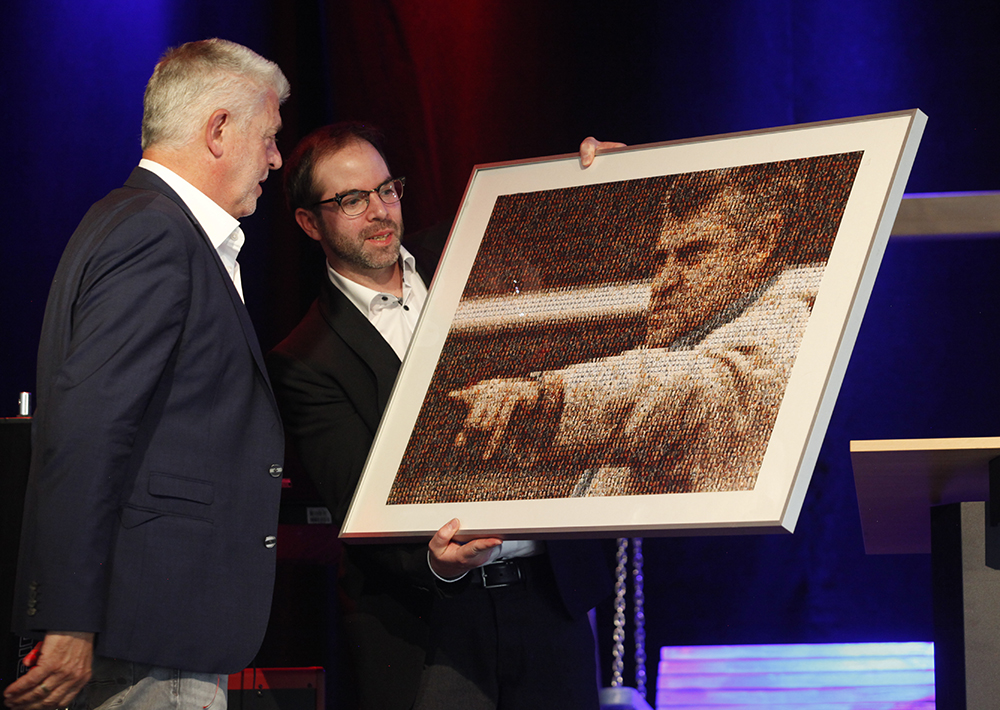
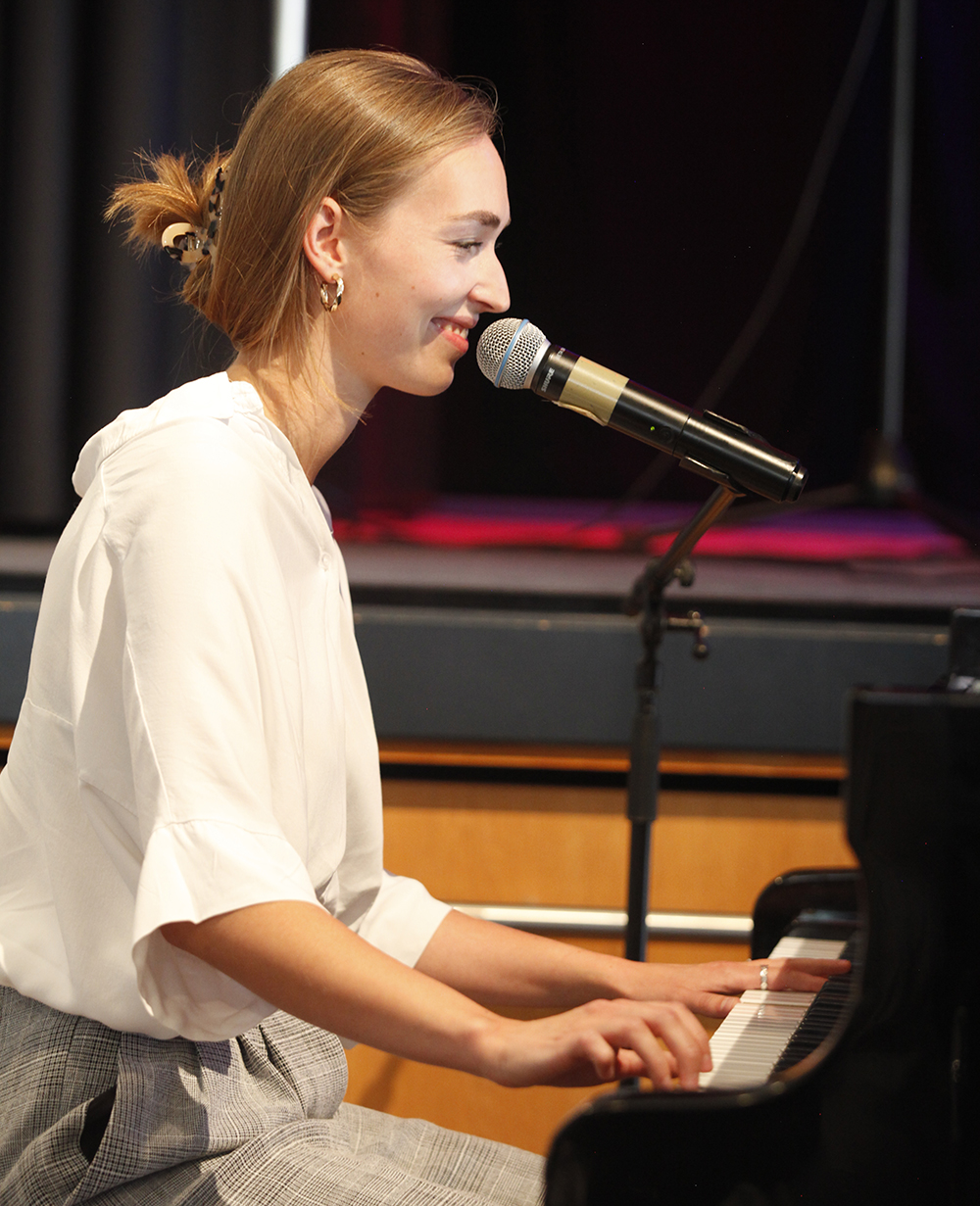
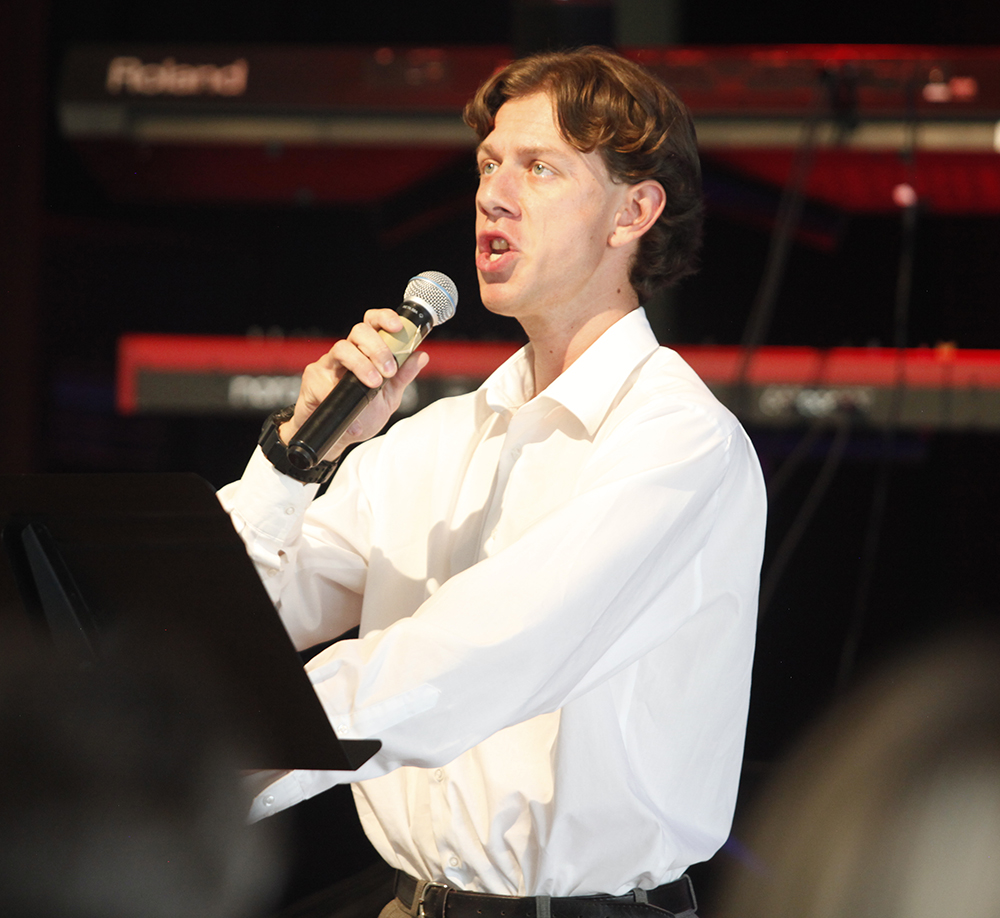
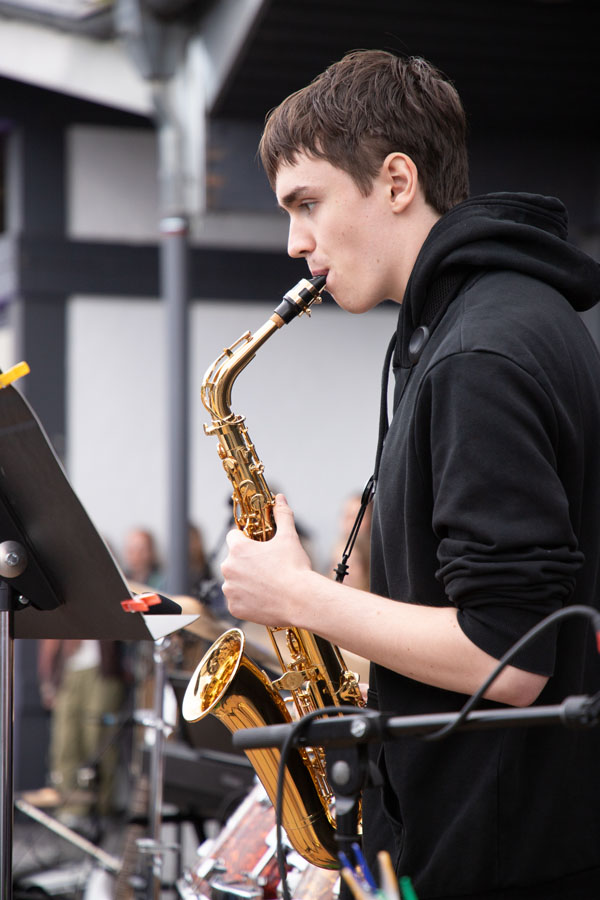
Dirk Konnertz took the lead in organizing the farewell ceremony—complete with background music and personal touches that couldn’t have been more fitting. Tenor Félix Müller, a senior at Steinmühle this year, together with Olaf Roth on the piano, moved the audience deeply with the ballad “Time To Say Goodbye.” Olaf Roth on the piano and Tom Herfert on the saxophone performed one of America’s greatest hits, Frank Sinatra’s “My Way,” as background music for a photo slideshow about Bernd Holly. Dirk Konnertz presented an impressive selection of photos from the collection of his former Steinmühlen colleague, Dr. Jürgen Beier.

To make sure that sitting for long periods wasn’t too taxing for the approximately 200 attendees—including Bernd Holly’s family members, friends, and former and current colleagues—Marcel Kalb, the future school athletic director, led a participatory exercise session. When asked about his favorite song, Bernd Holly had once mentioned, among others, “Imagine” by John Lennon. And this song, too, was presented to him as a surprise, sung by Anna Prokop and accompanied by Tom Herfert. The student council presented Bernd Holly with a gift certificate for a charitable project of his choice—knowing full well that the outgoing principal is always eager to support charitable causes.

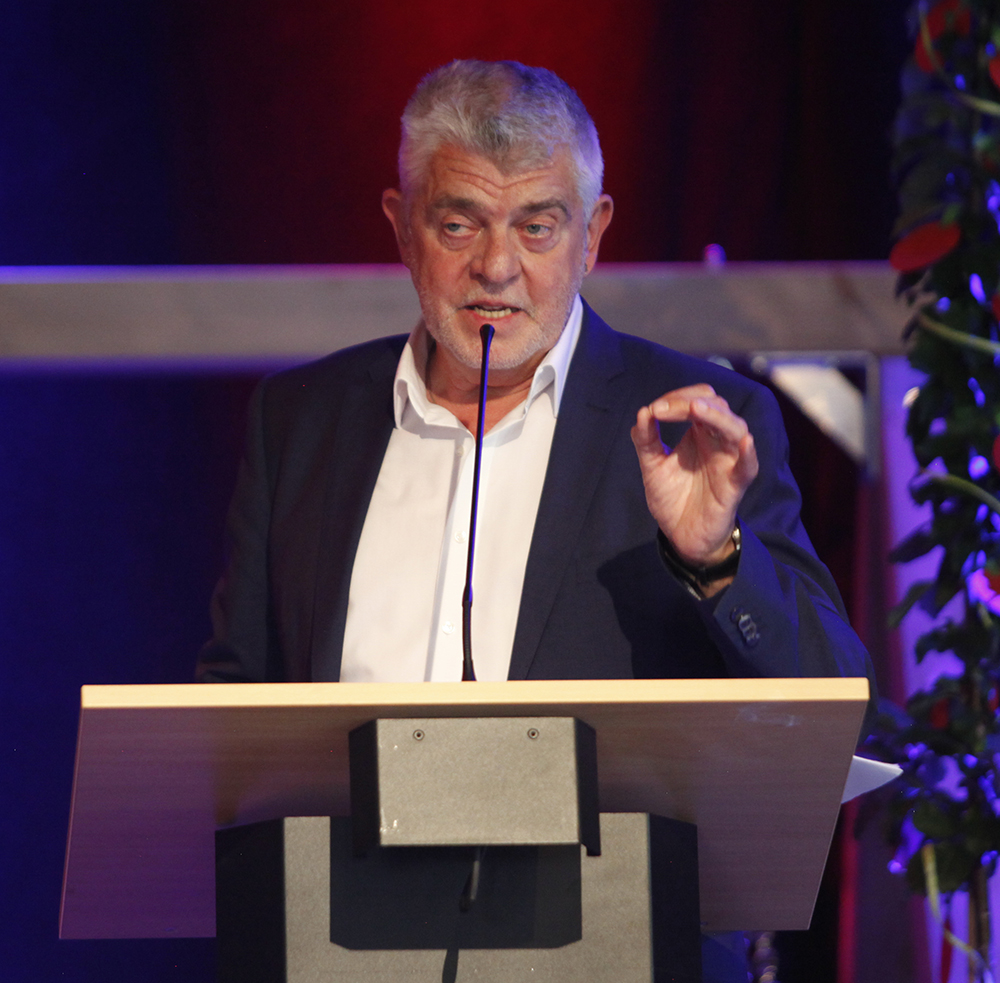
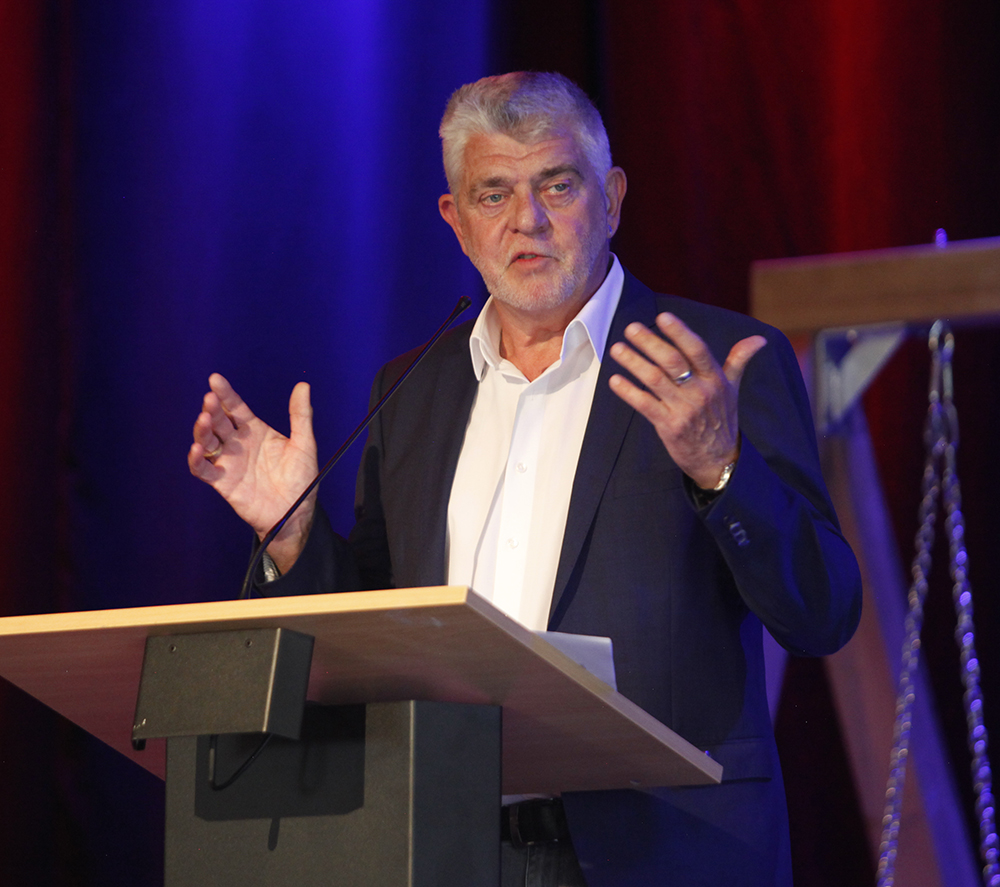
Dirk Konnertz thanked Bernd Holly for the wonderful time with the Peter Gabriel song “Don’t Give Up,” which was sung by Matthäus Otte and Anna Prokop and accompanied instrumentally by Tom Herfert (saxophone) and himself (keyboard). In this context, the outgoing principal offered the faculty the following words of encouragement: “Stay hopeful. Optimism is important.”
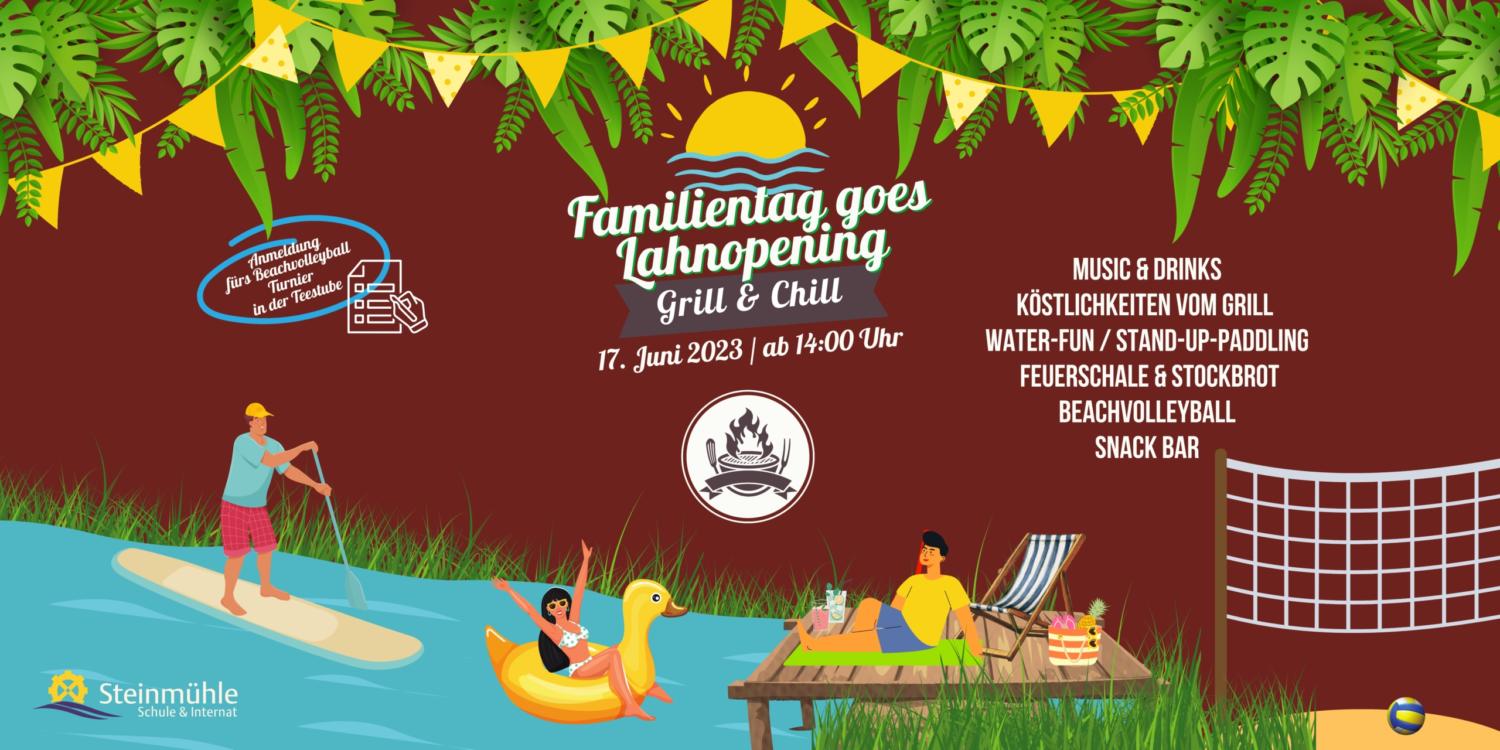
Amid bright sunshine and a wonderful summer atmosphere, the boarding school’s Family Day took place on June 17 at the Steinmühle grounds.

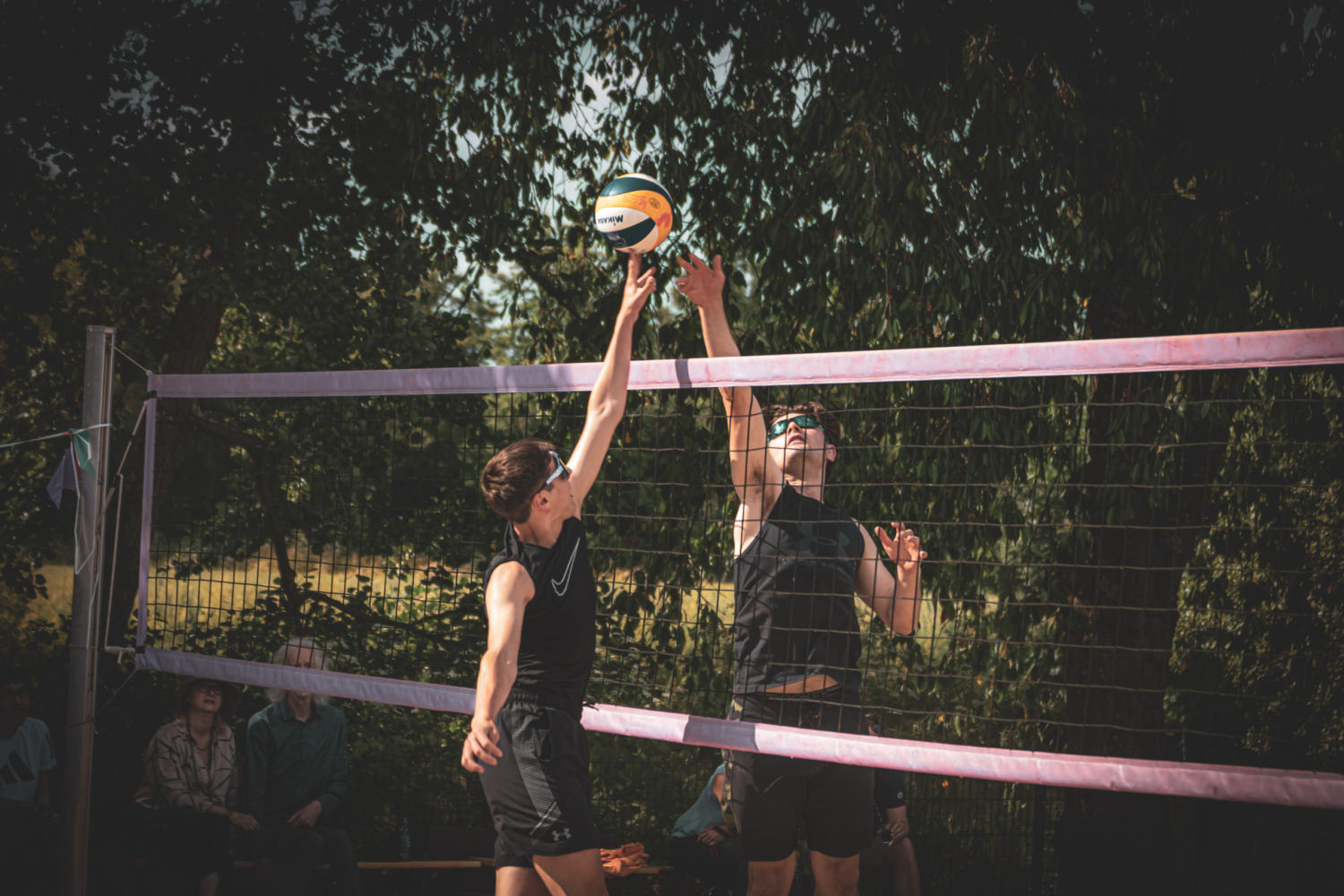
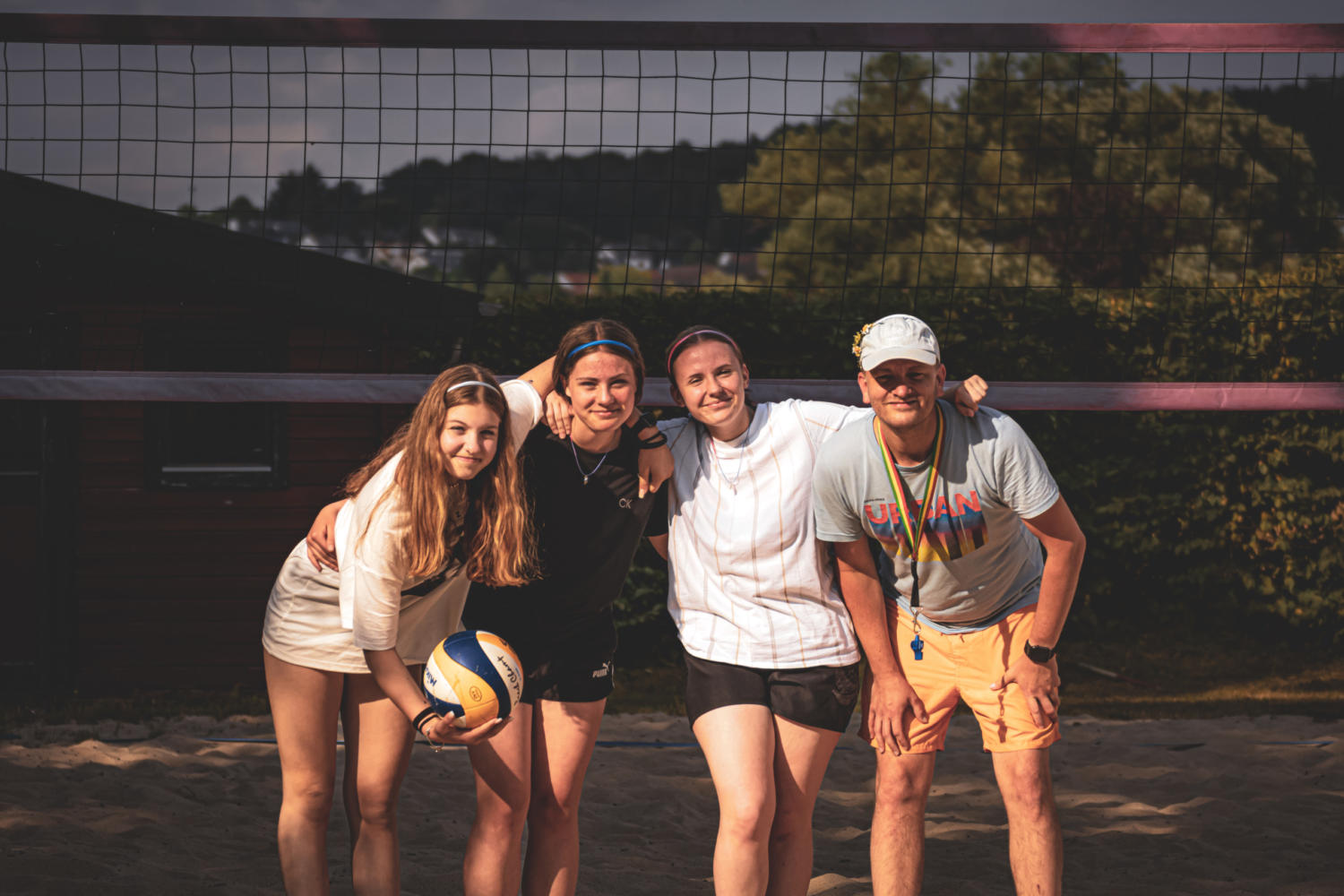
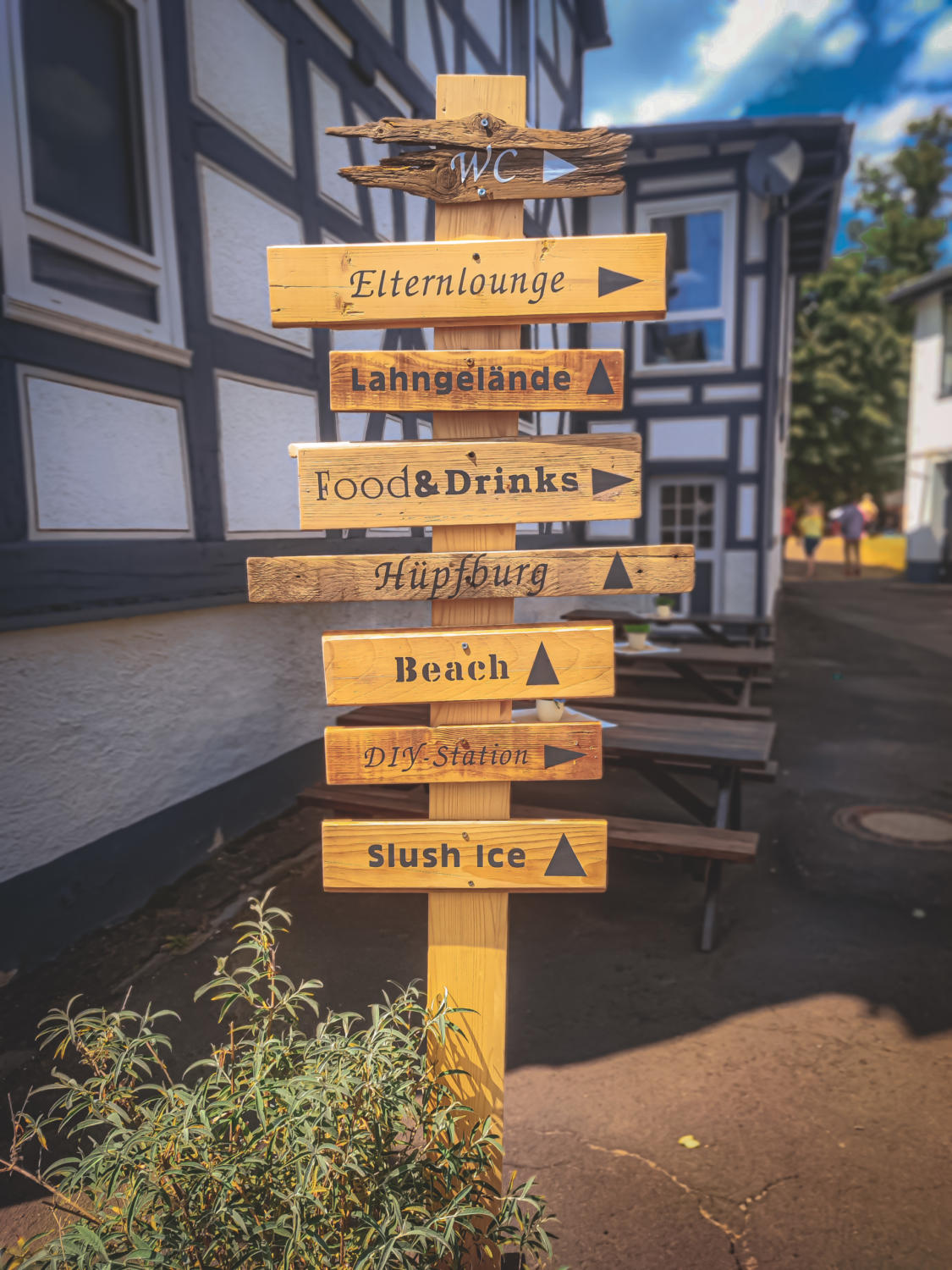
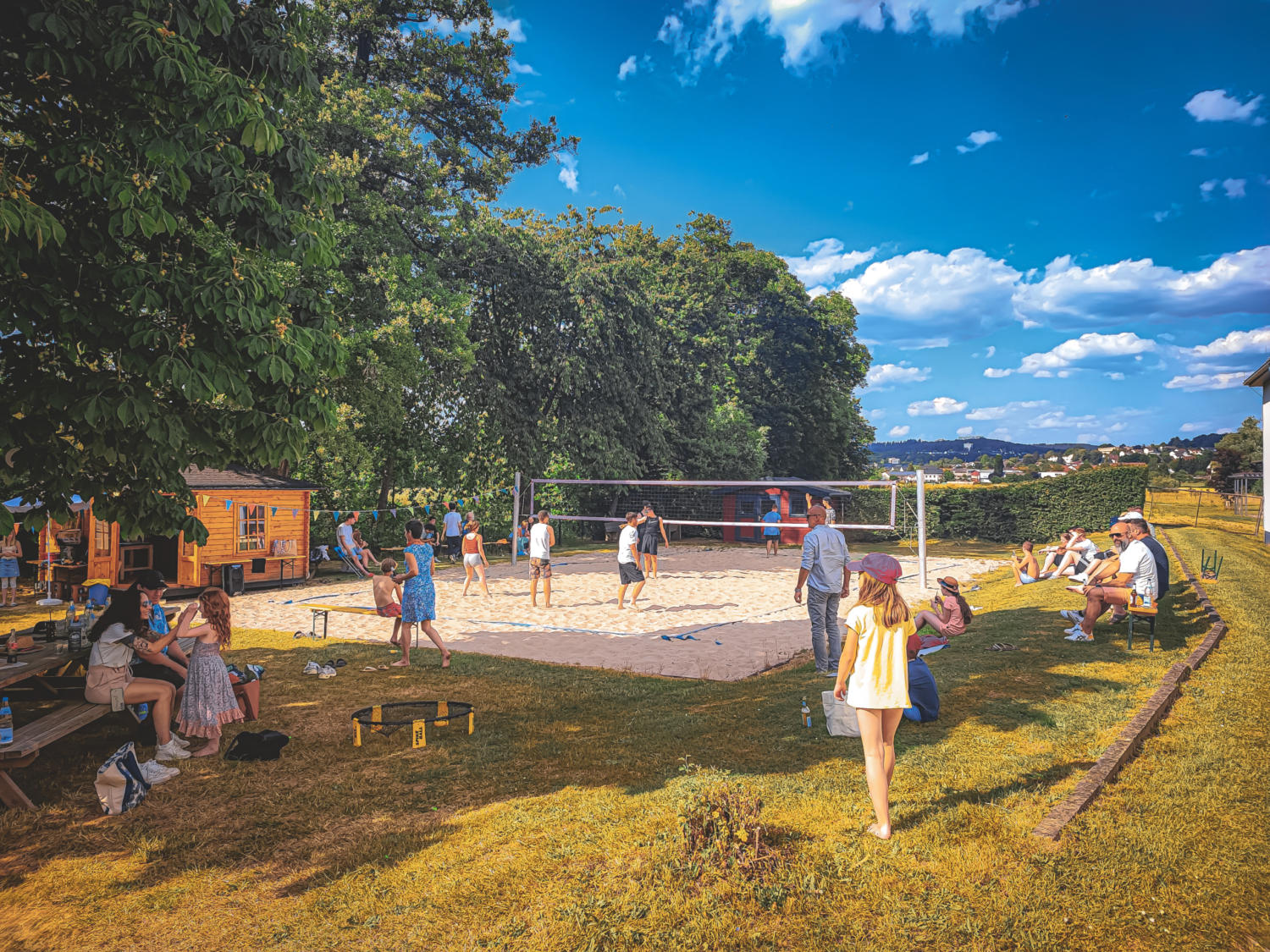
Thanks to this year’s fantastic June weather, the boarding school community spontaneously combined Family Day with the traditional Lahn Opening. Many highlights awaited the boarding school students and their guests at the Lahn grounds. A giant water slide provided plenty of fun. The beach volleyball match was the sporting highlight for both active players and spectators. Everyone could cool off in the Lahn at any time. For those who preferred to get out on the Lahn, stand-up paddleboards and canoes were available. The beach bar served slushies, homemade iced tea, and fruit salad.

Parents’ Lounge and DIY Station

The atmosphere in the Steinmühle courtyard was a bit more relaxed. For the first time, there was a parents’ lounge: “We wanted to create a space where parents could strike up conversations and share ideas,” explains Anke Muszynski, head of the boarding school at Steinmühle.
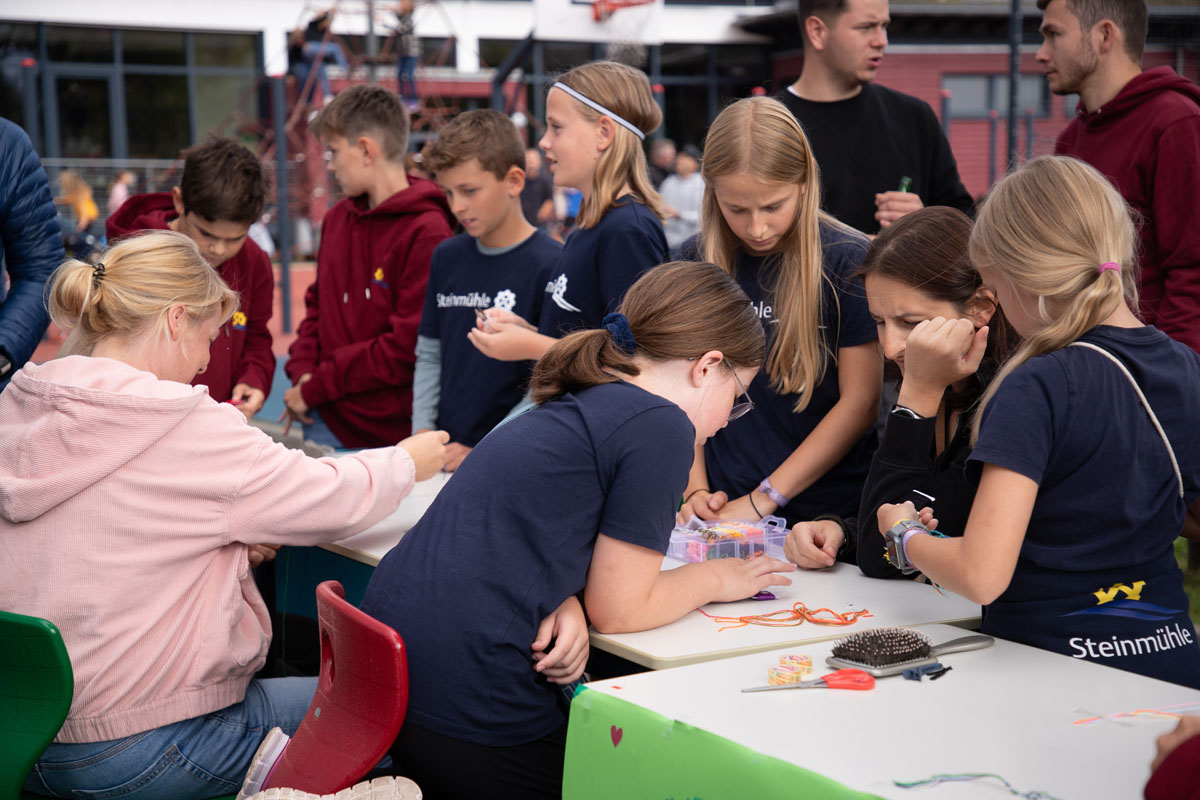
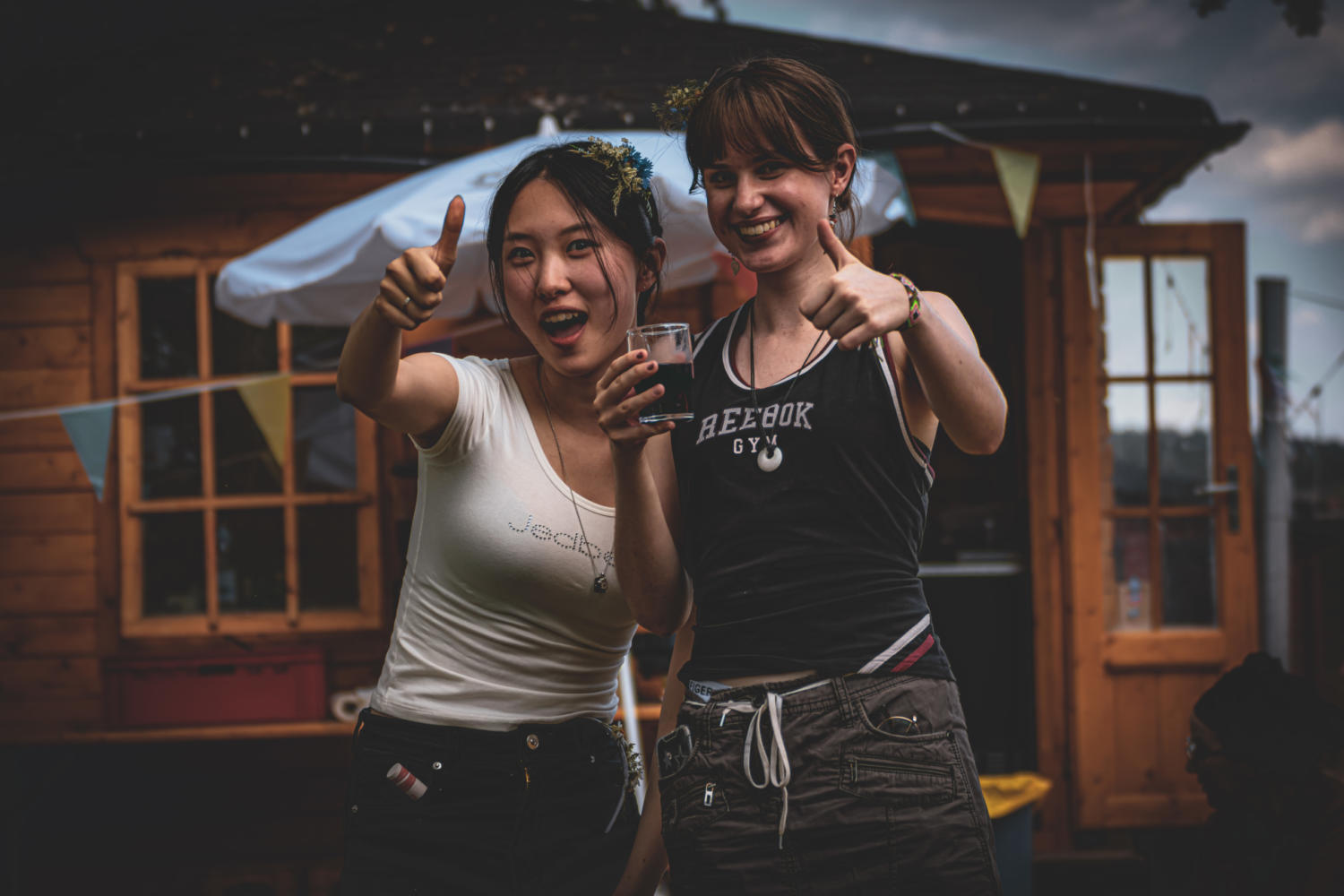
Right next to the parents’ lounge, creativity was in full swing at the DIY (Do It Yourself) station. Colorful headbands and flowers, silver charms, and cords invited visitors to get crafty. The glitter tattoos were especially popular and could be seen adorning the arms of many parents that evening.

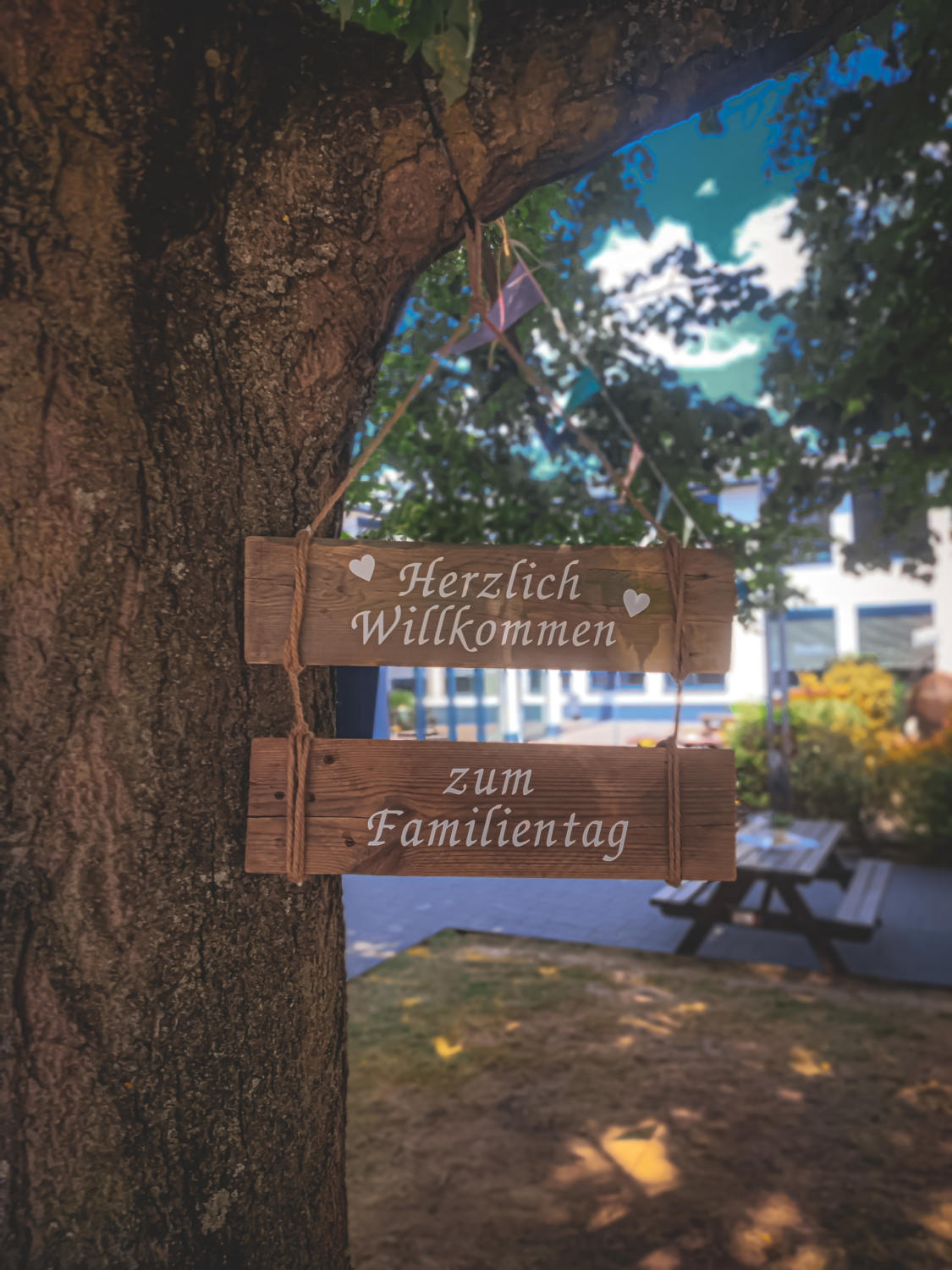
The delicious barbecue buffet rounded out the family day, and we’re already looking forward to the next time we can say, “A warm welcome to Family Day!”