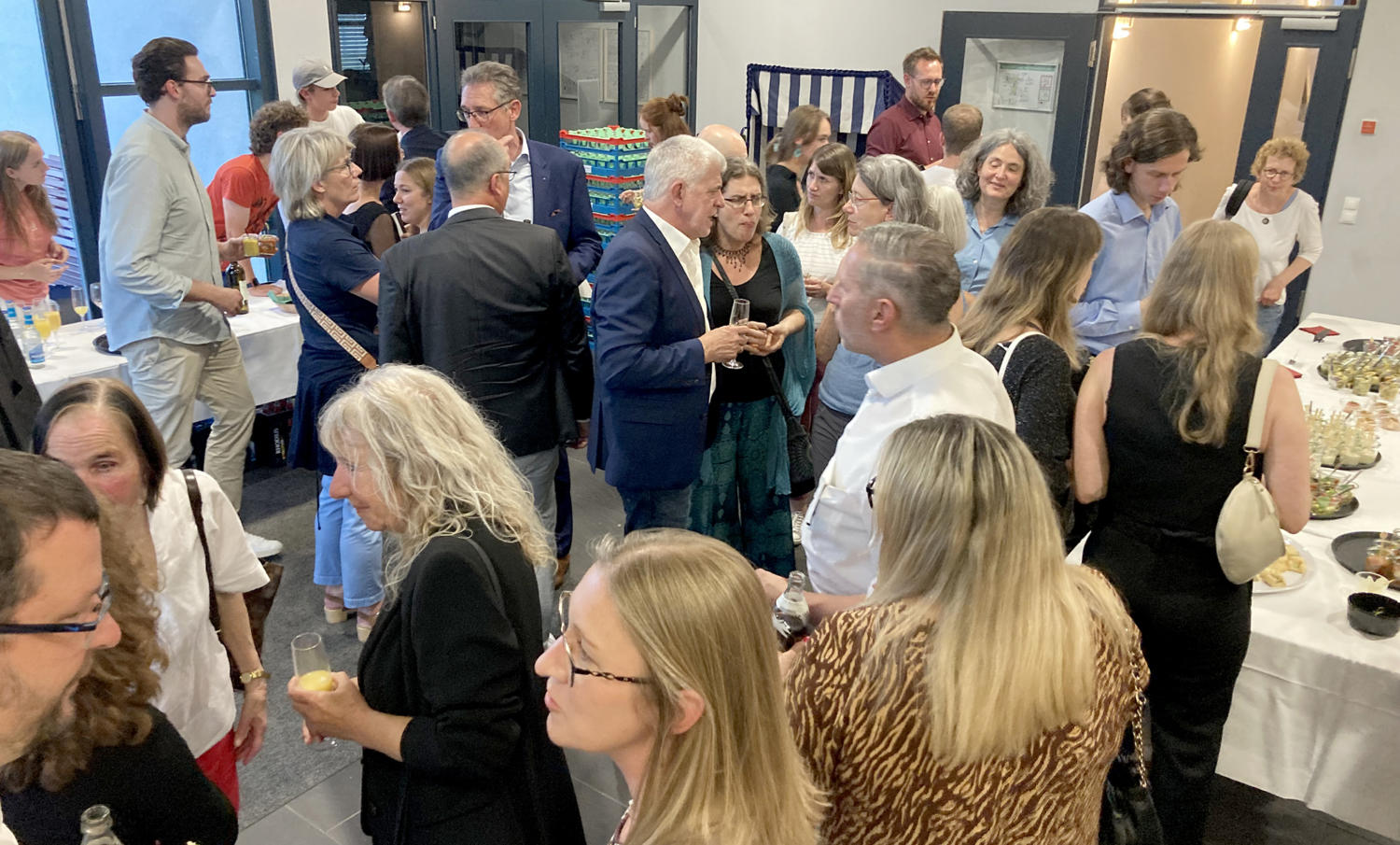
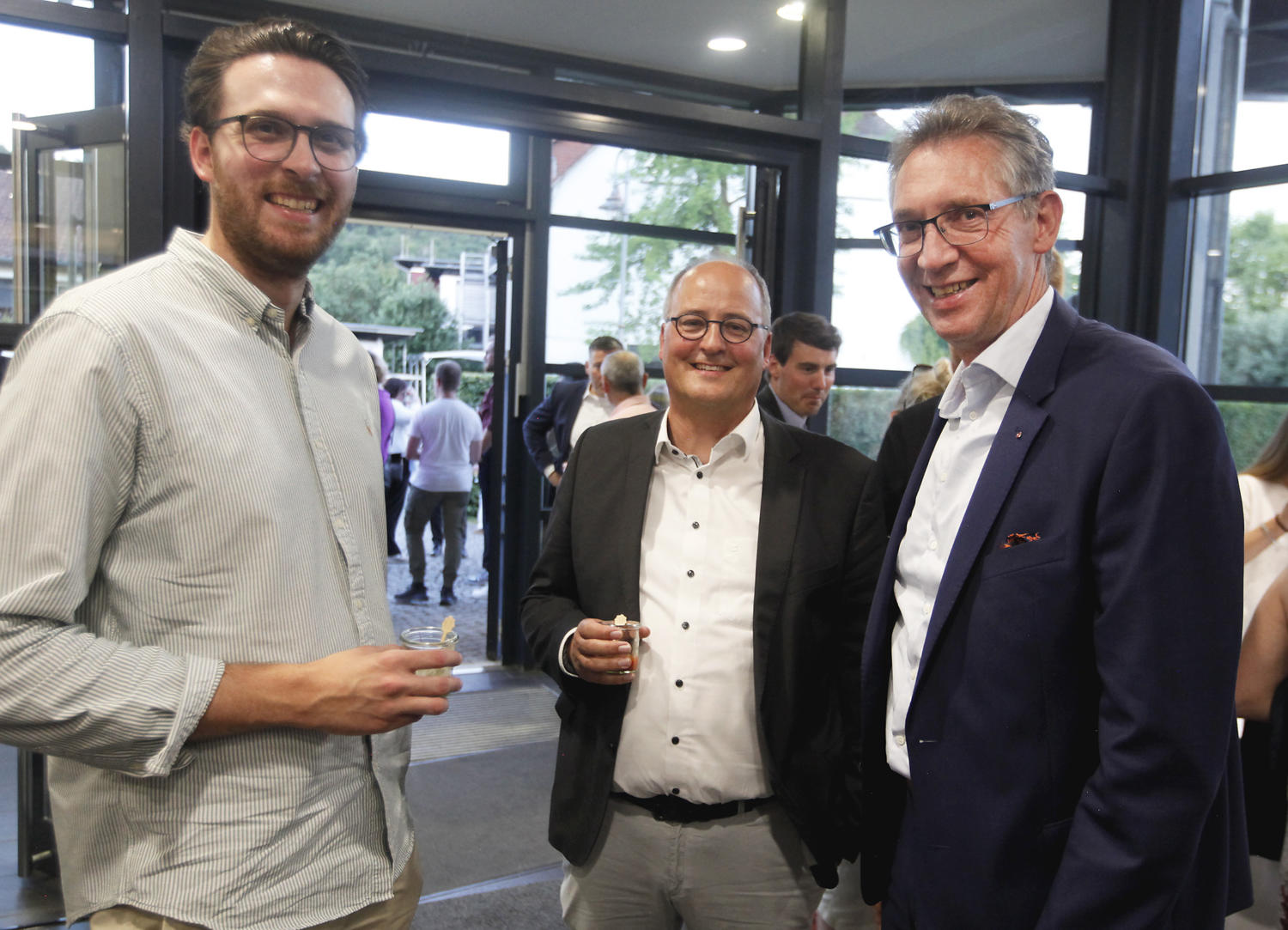
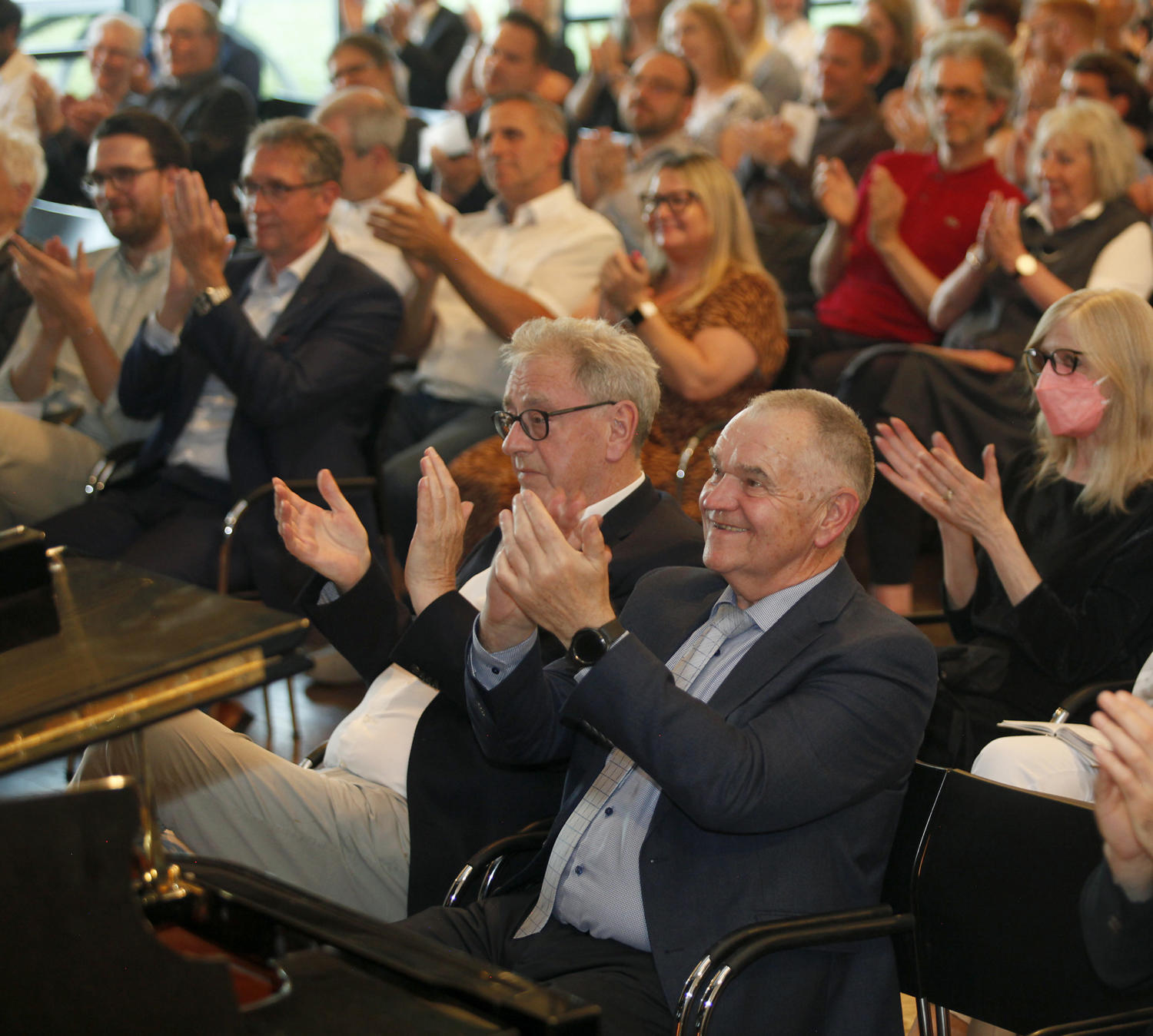
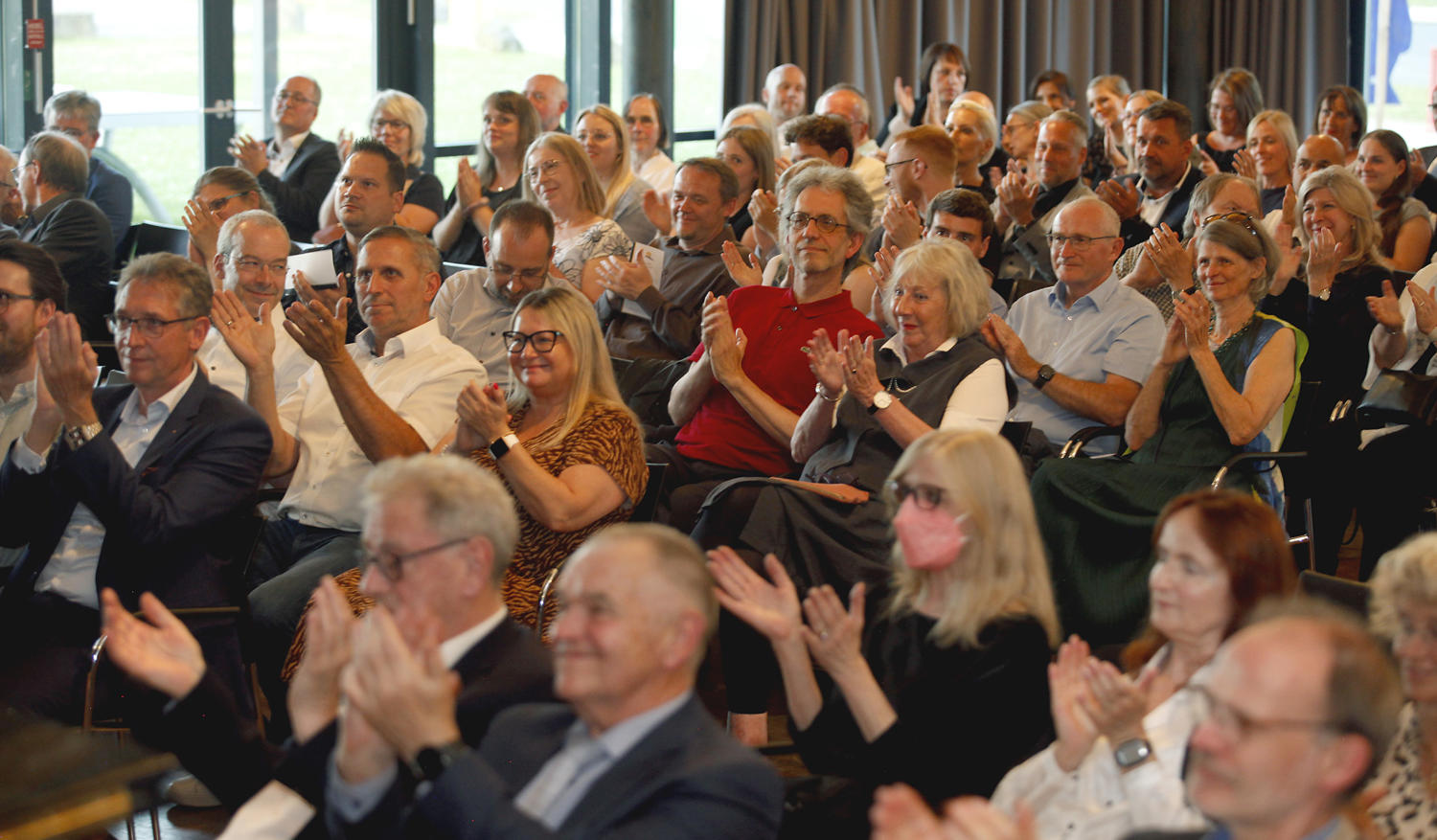
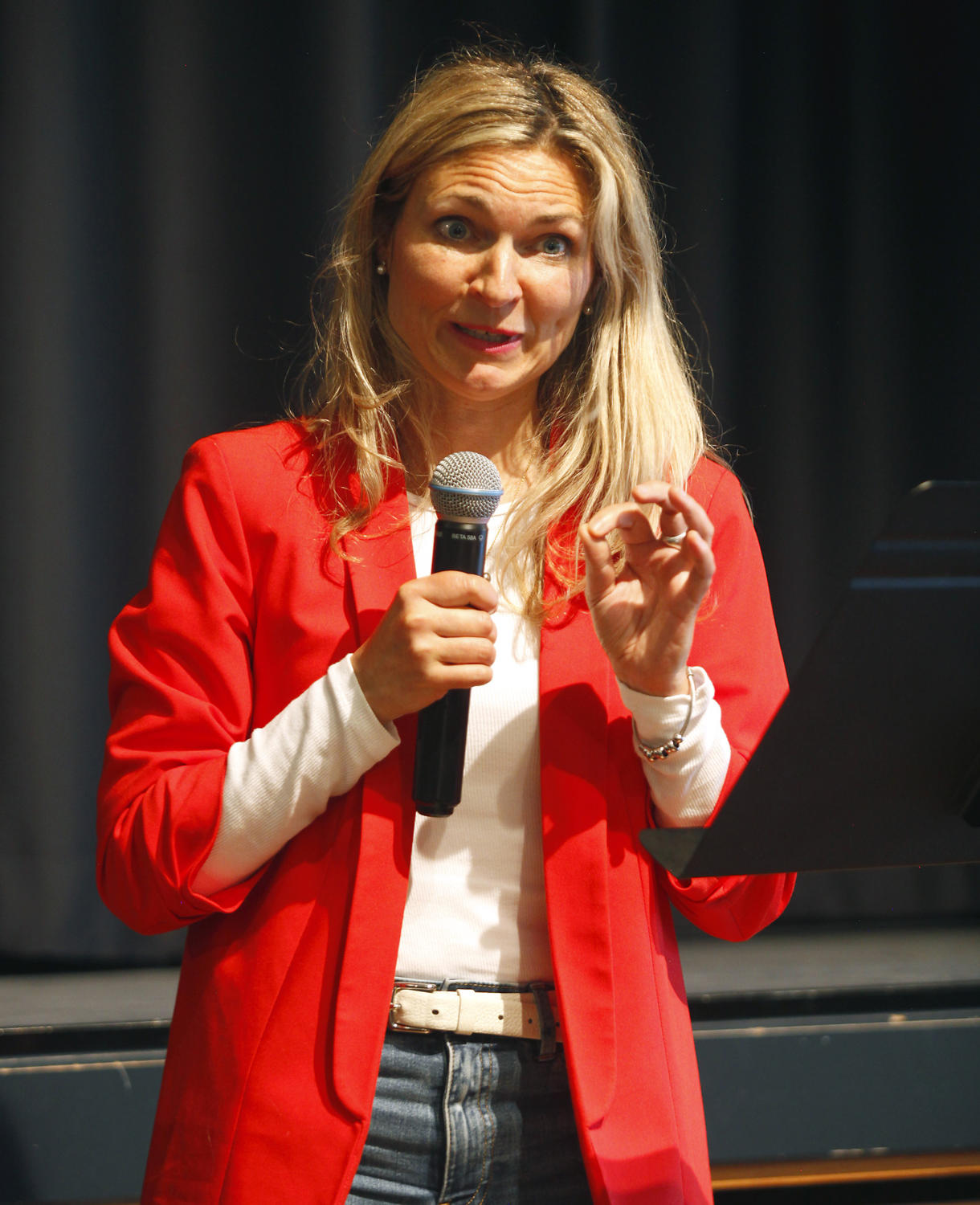
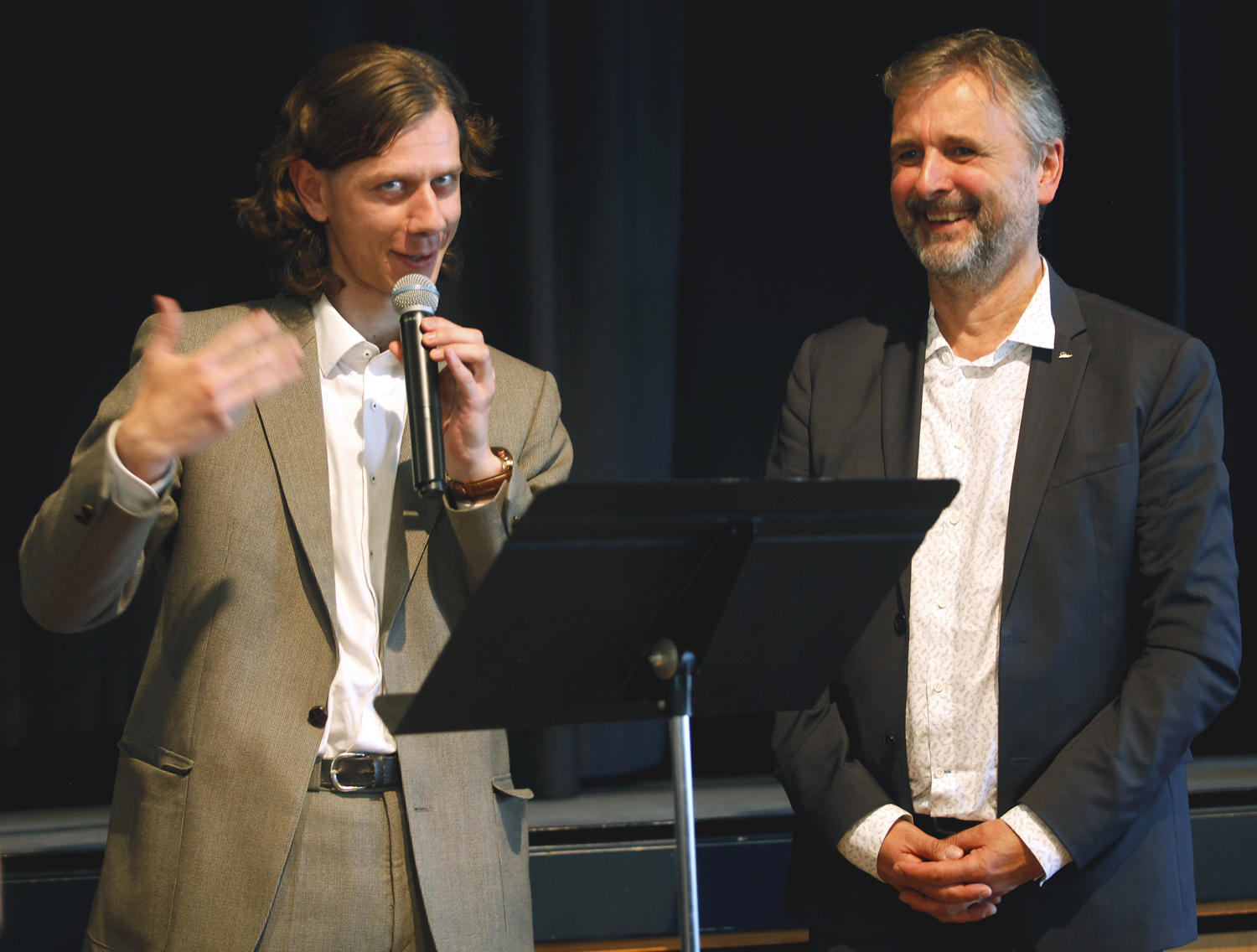
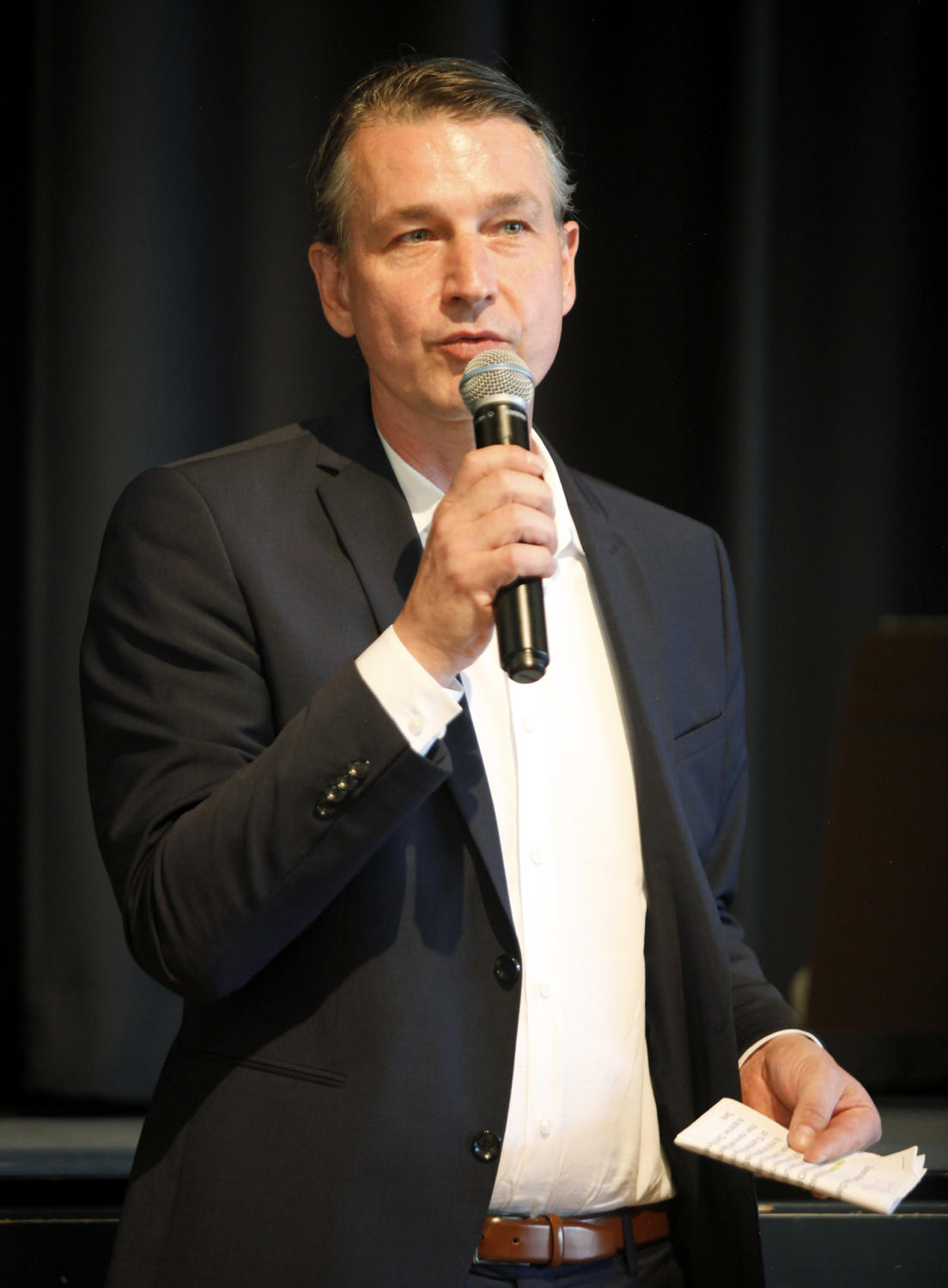
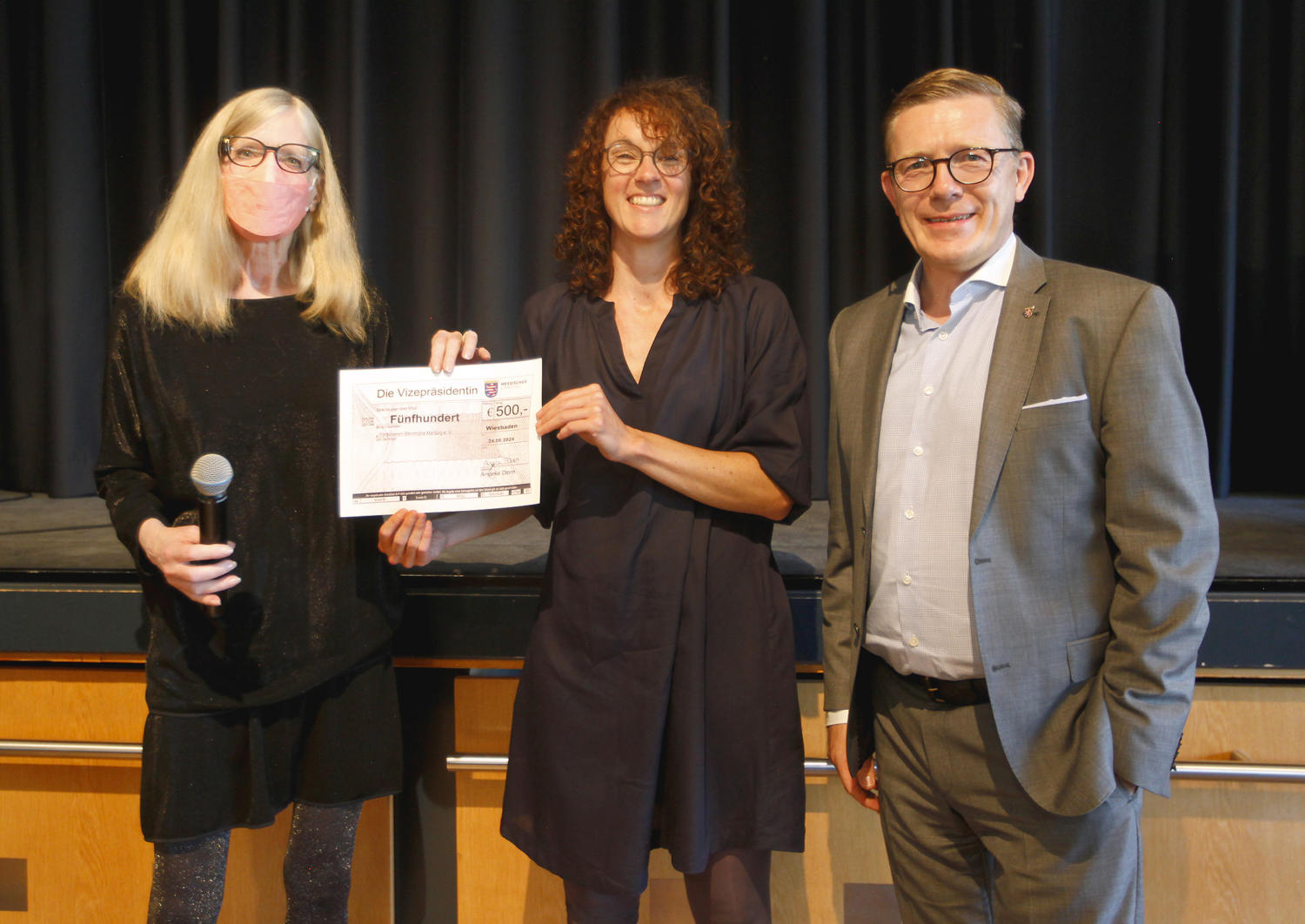
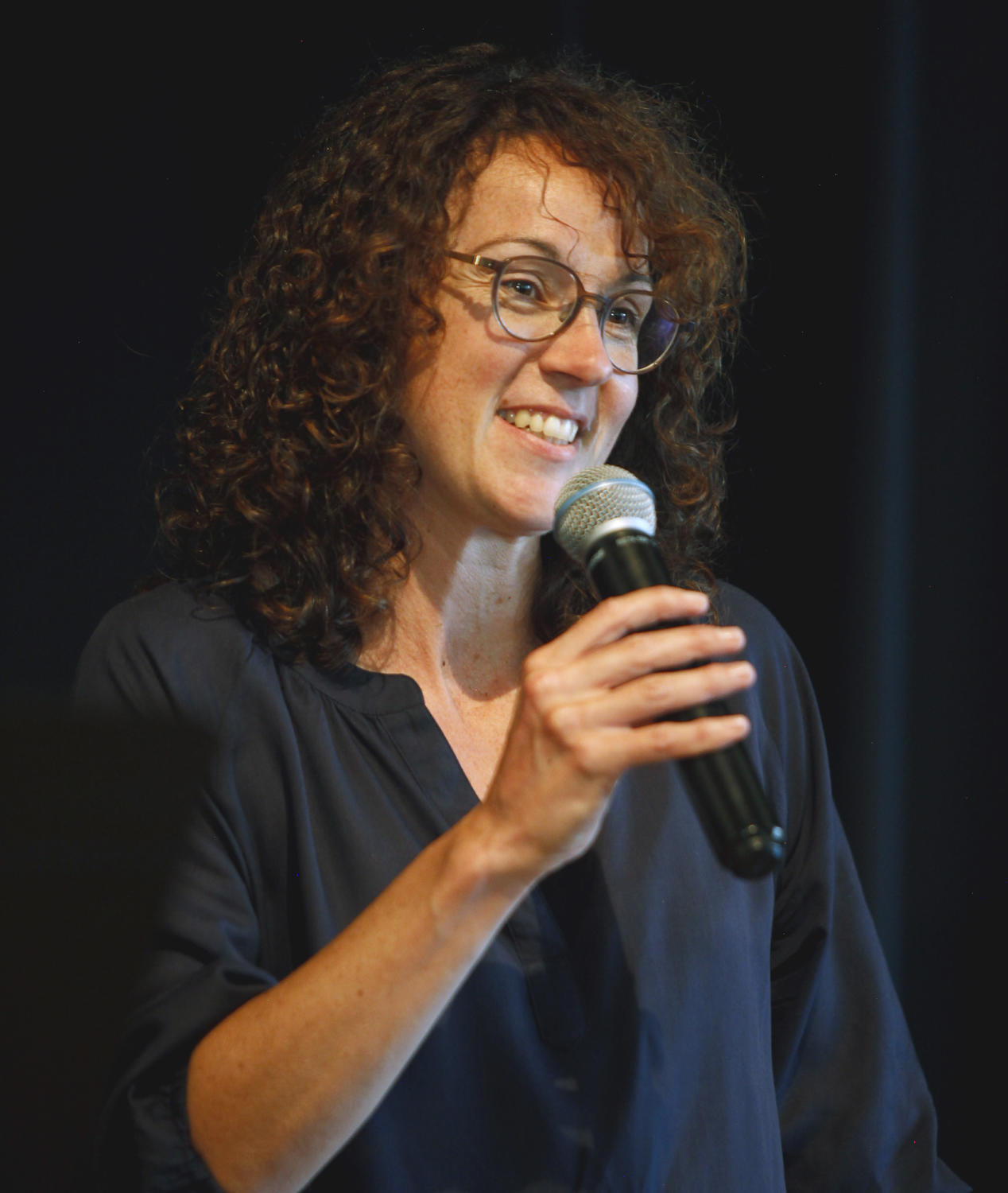
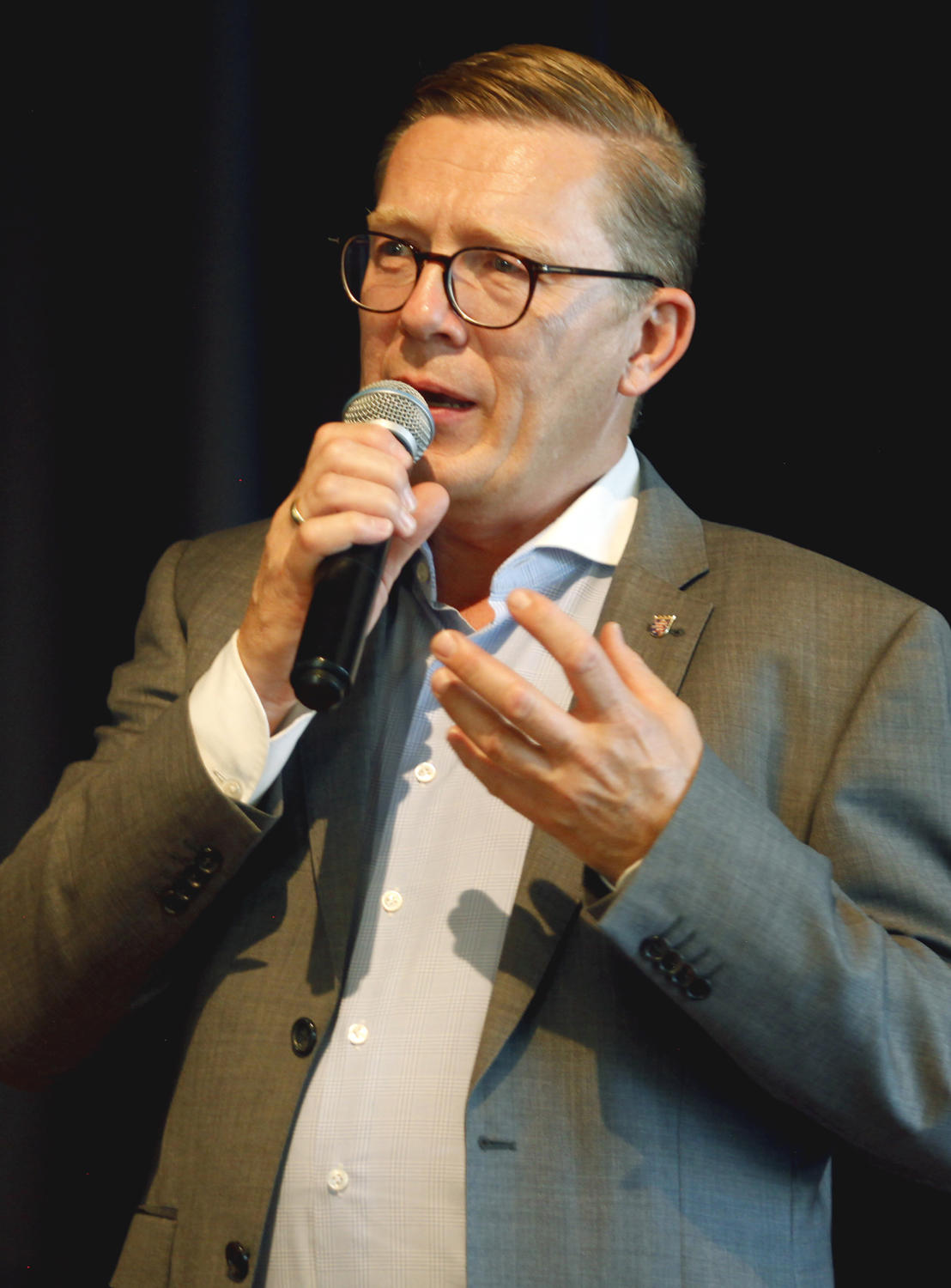
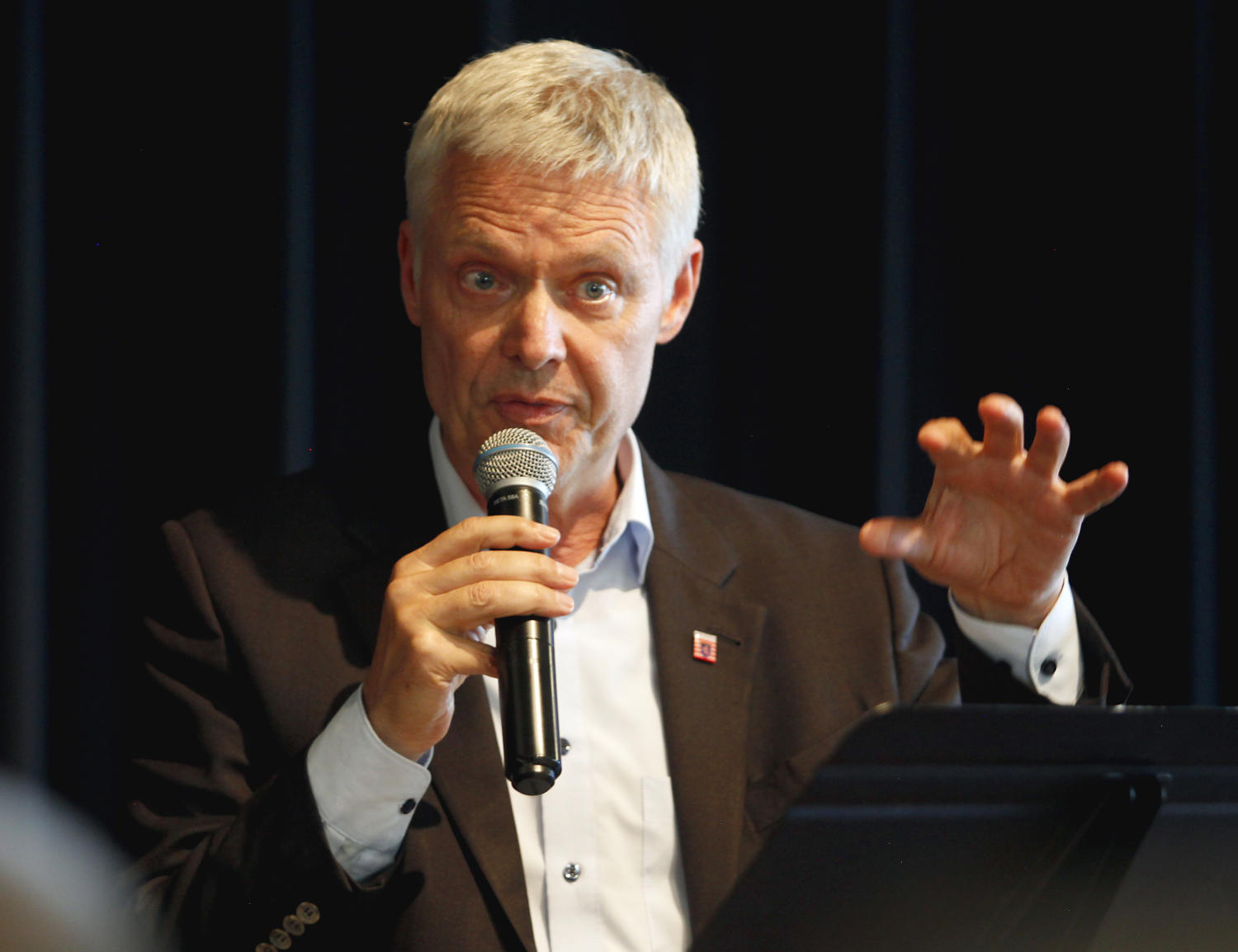
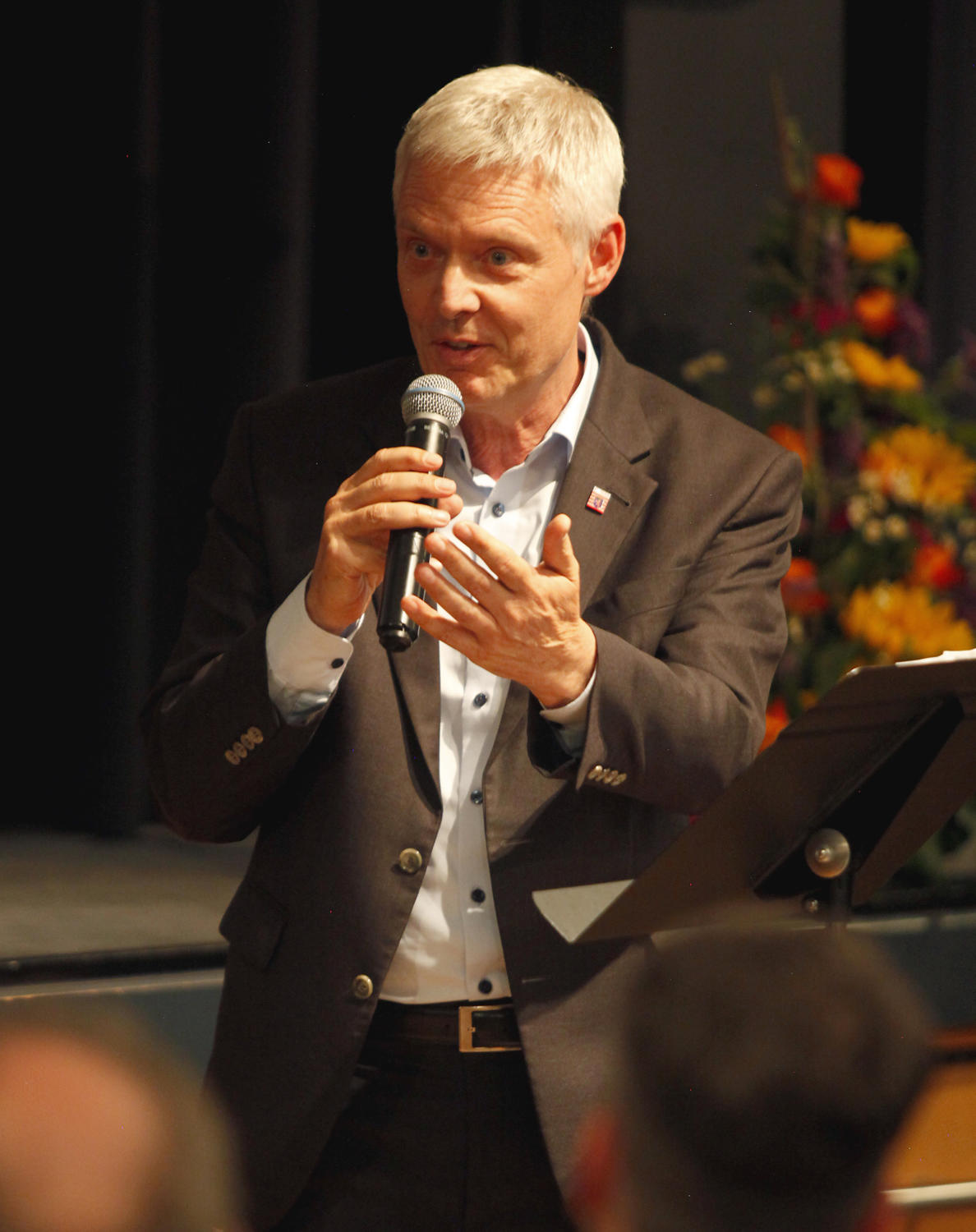
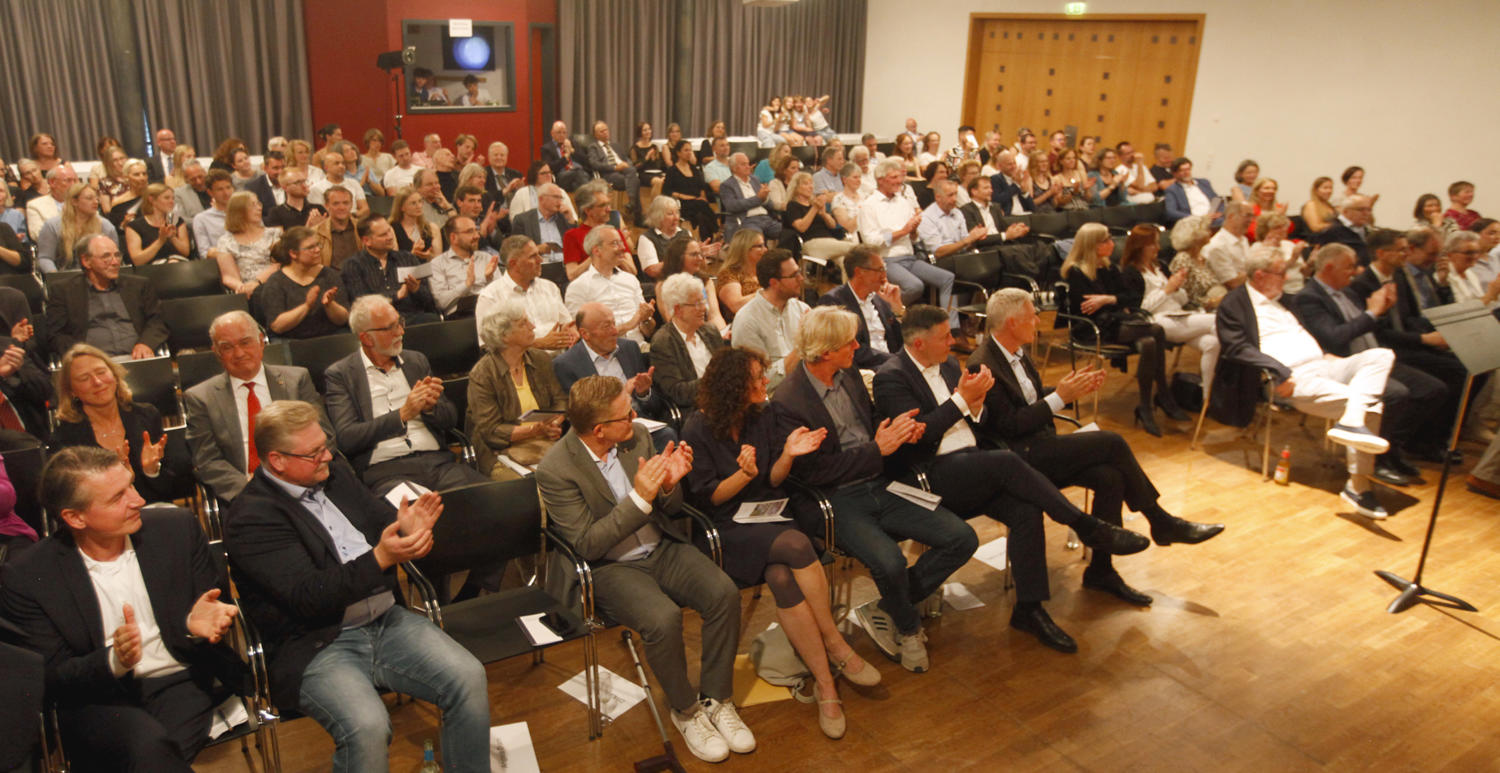
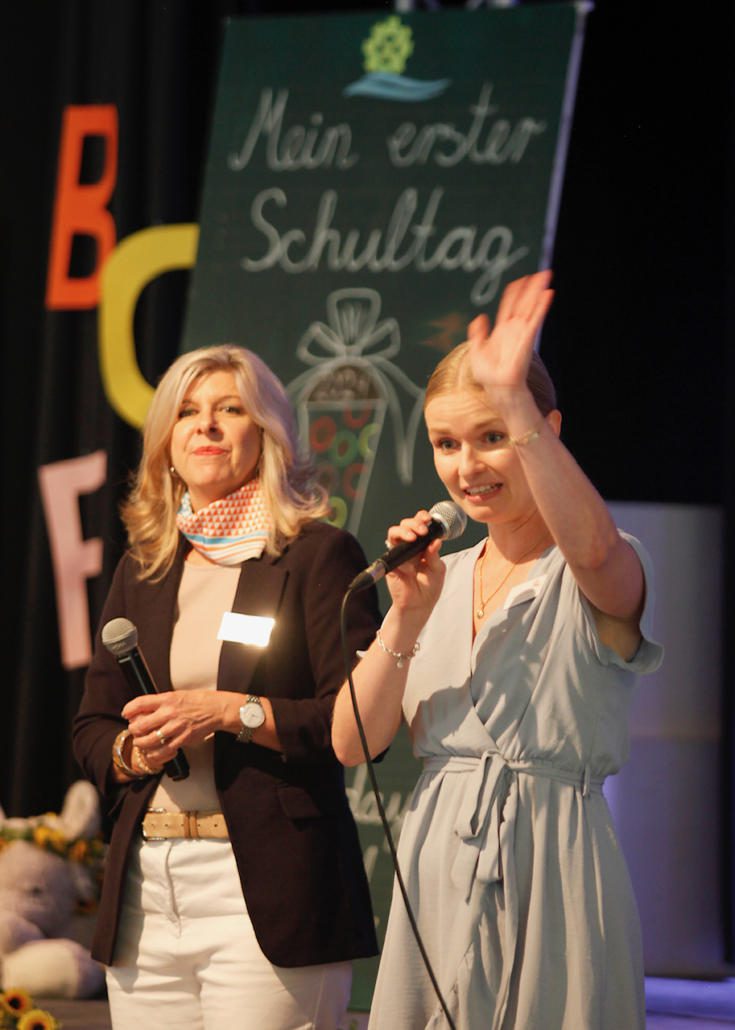
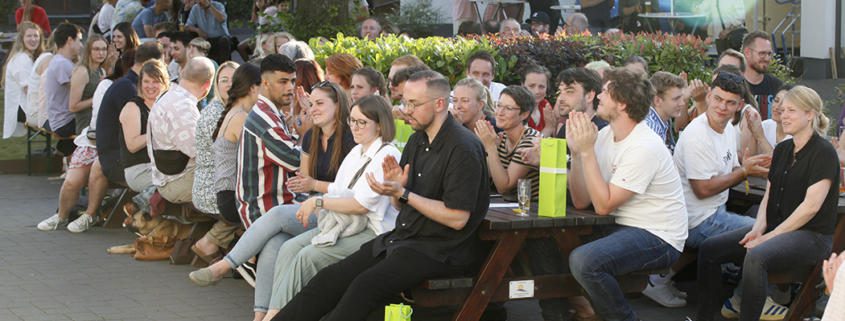
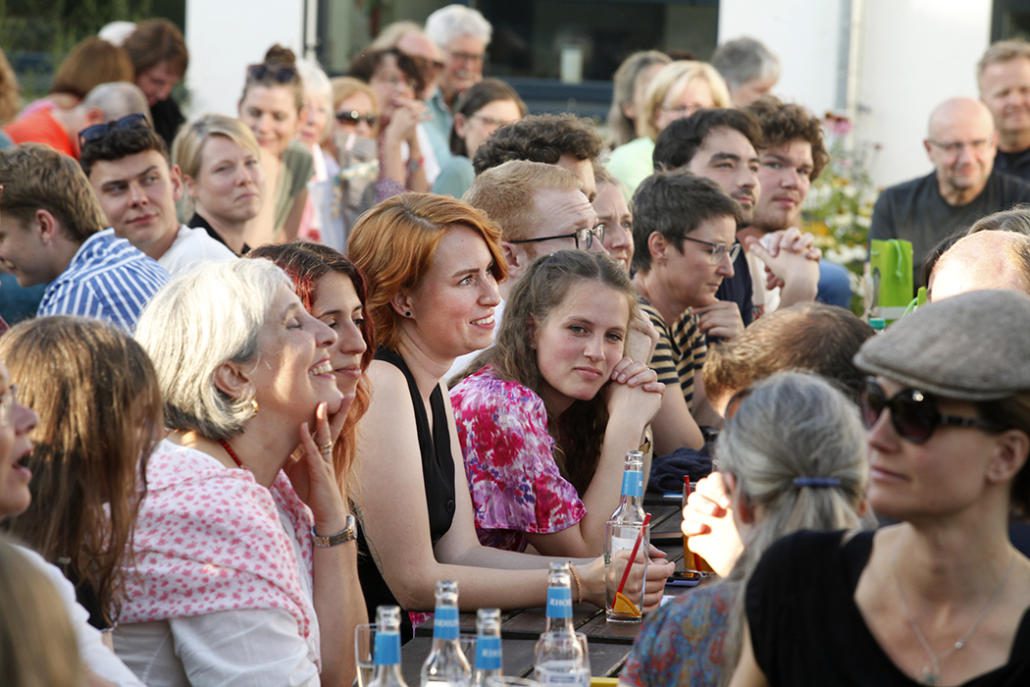
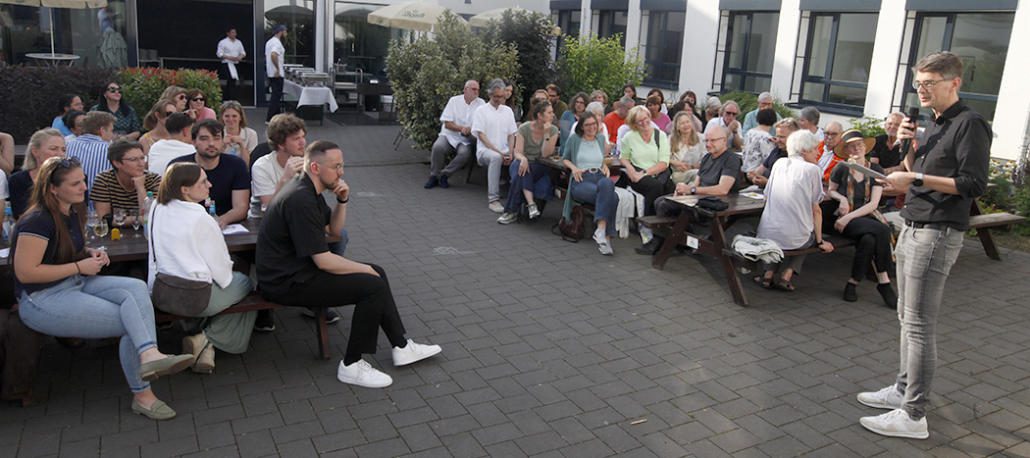
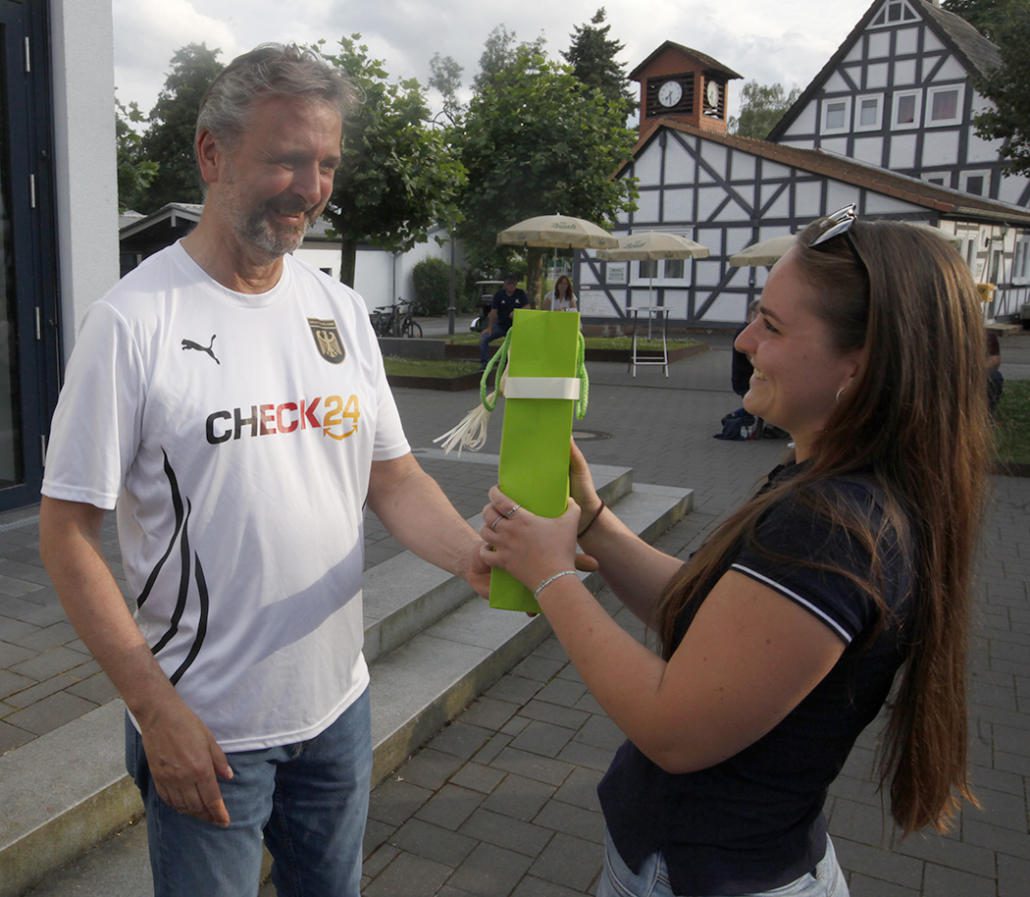
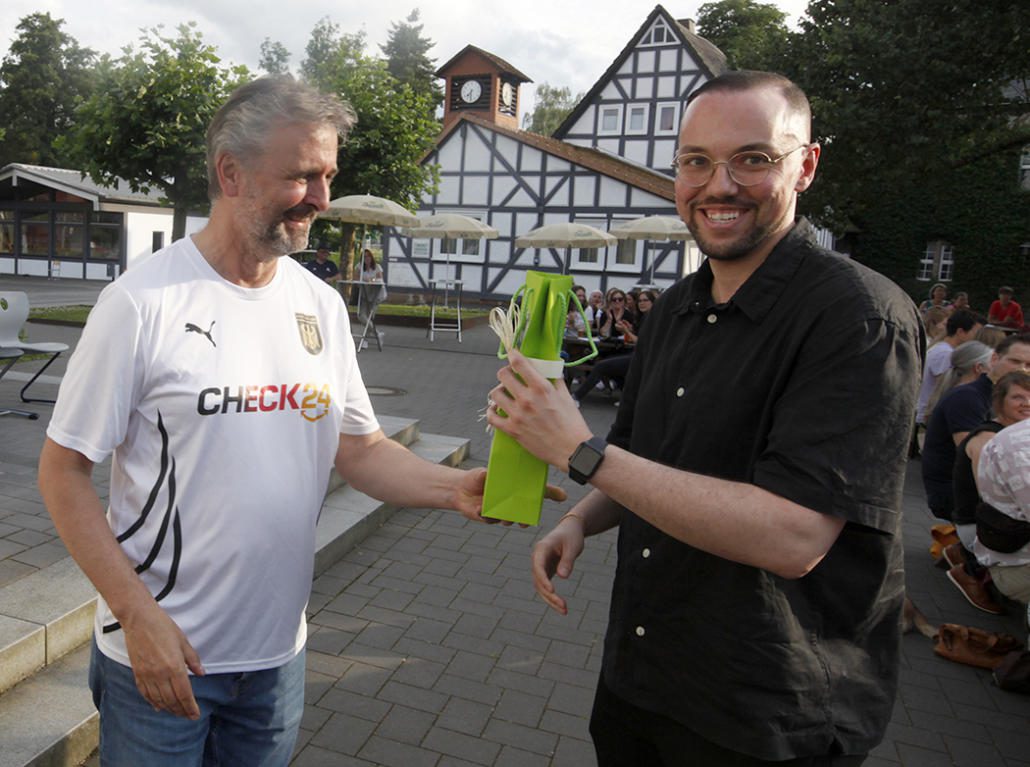
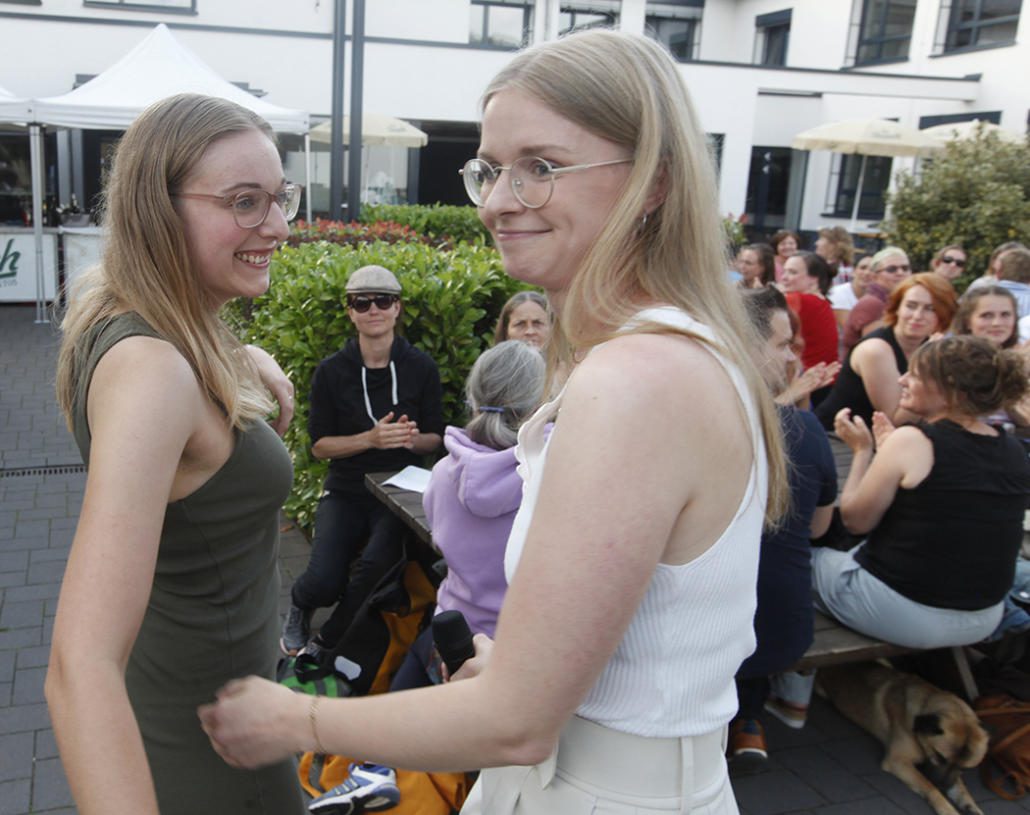
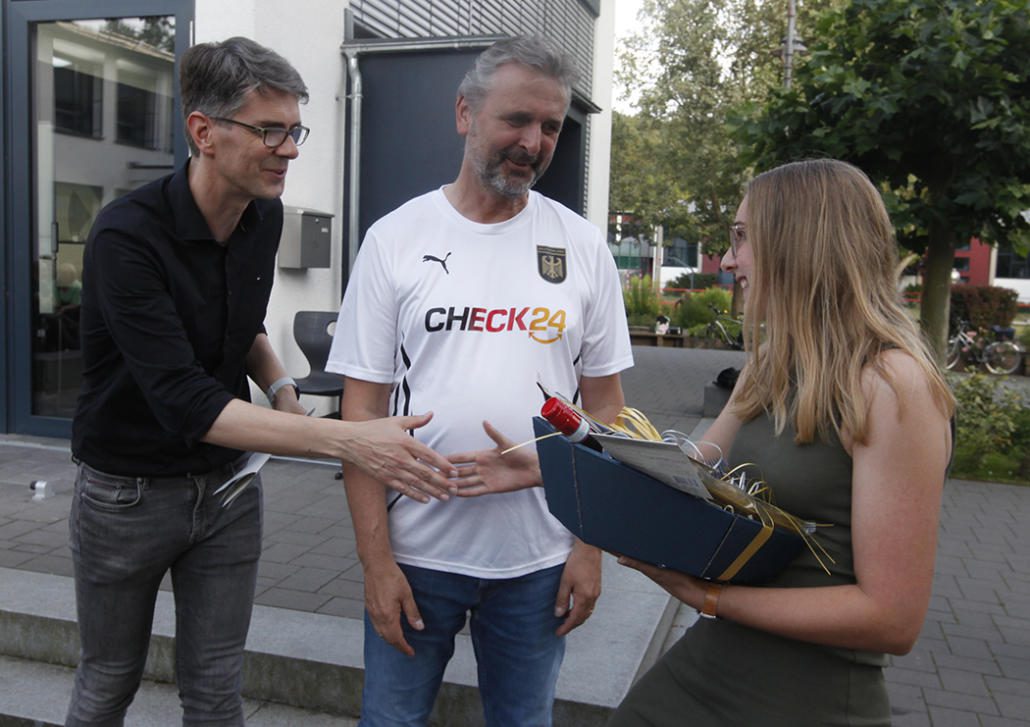
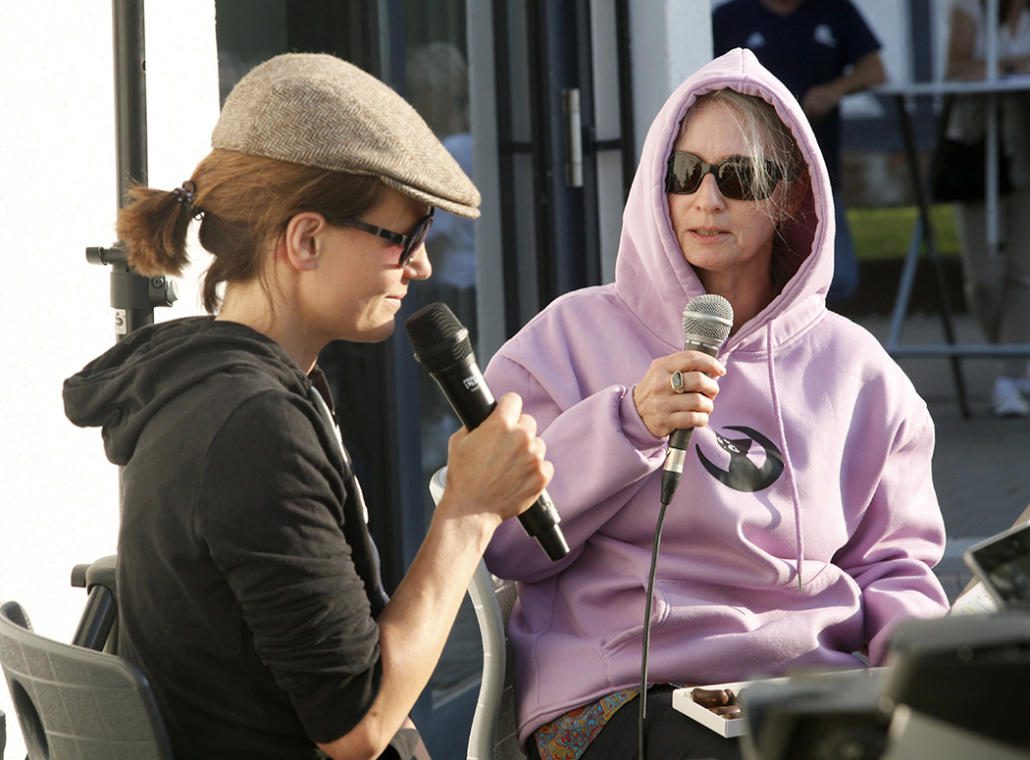
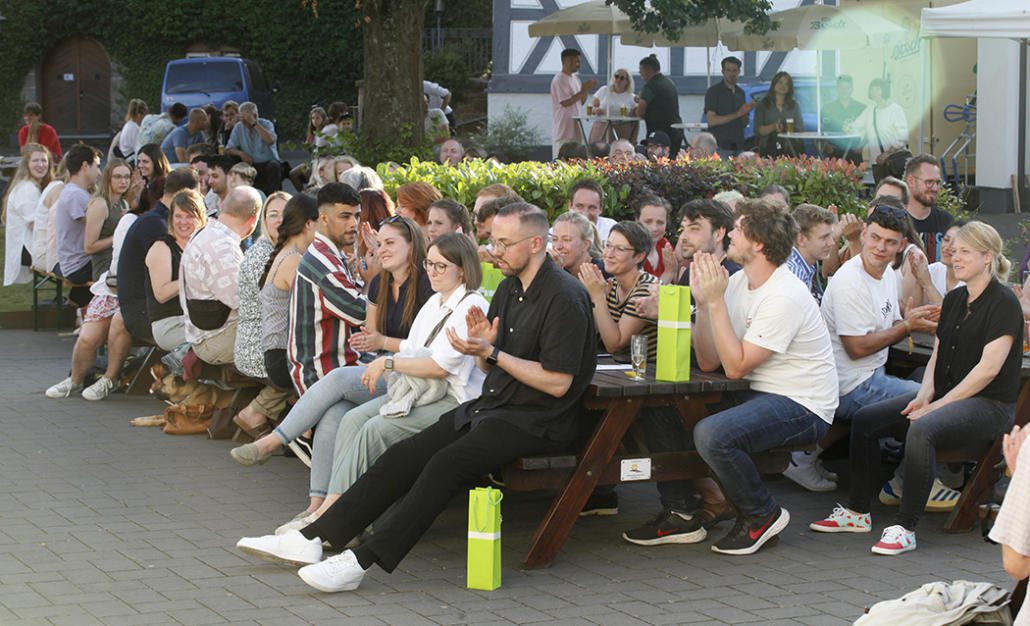
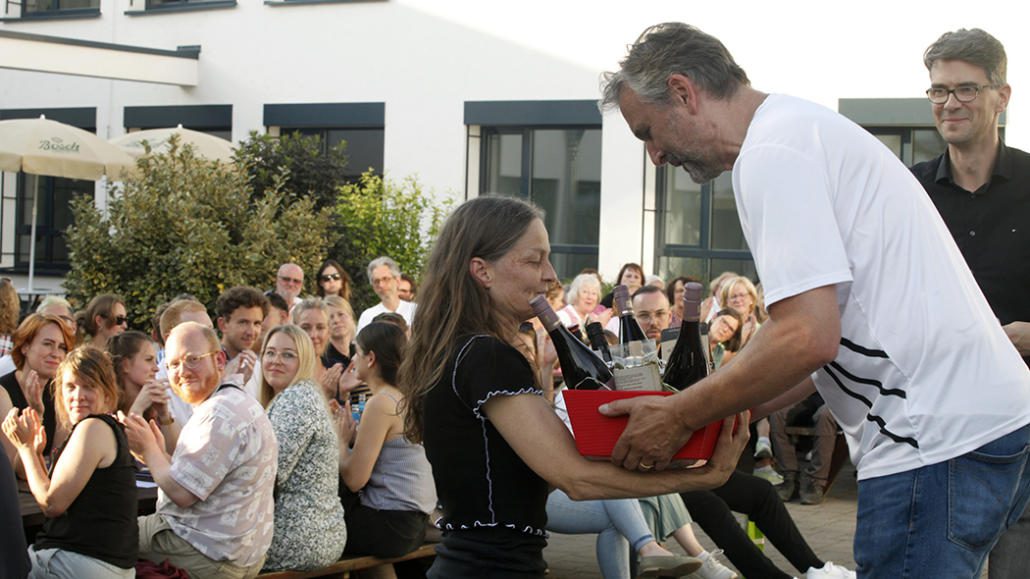
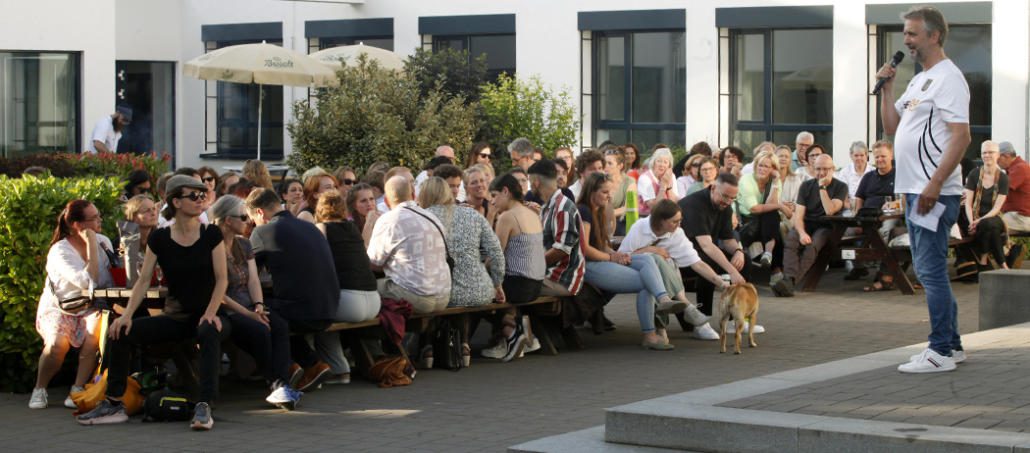
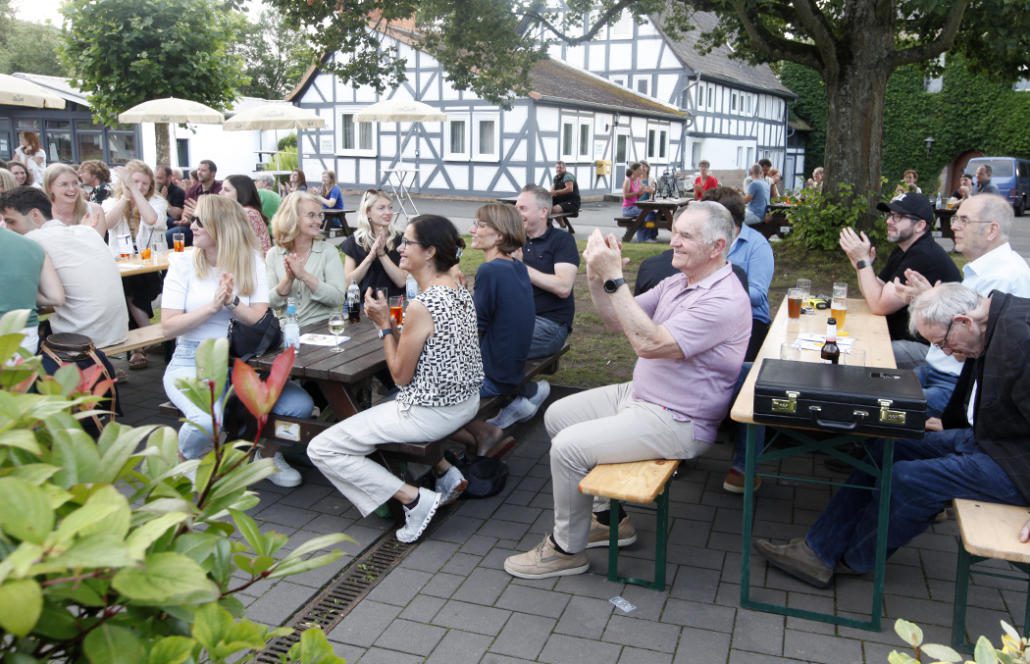
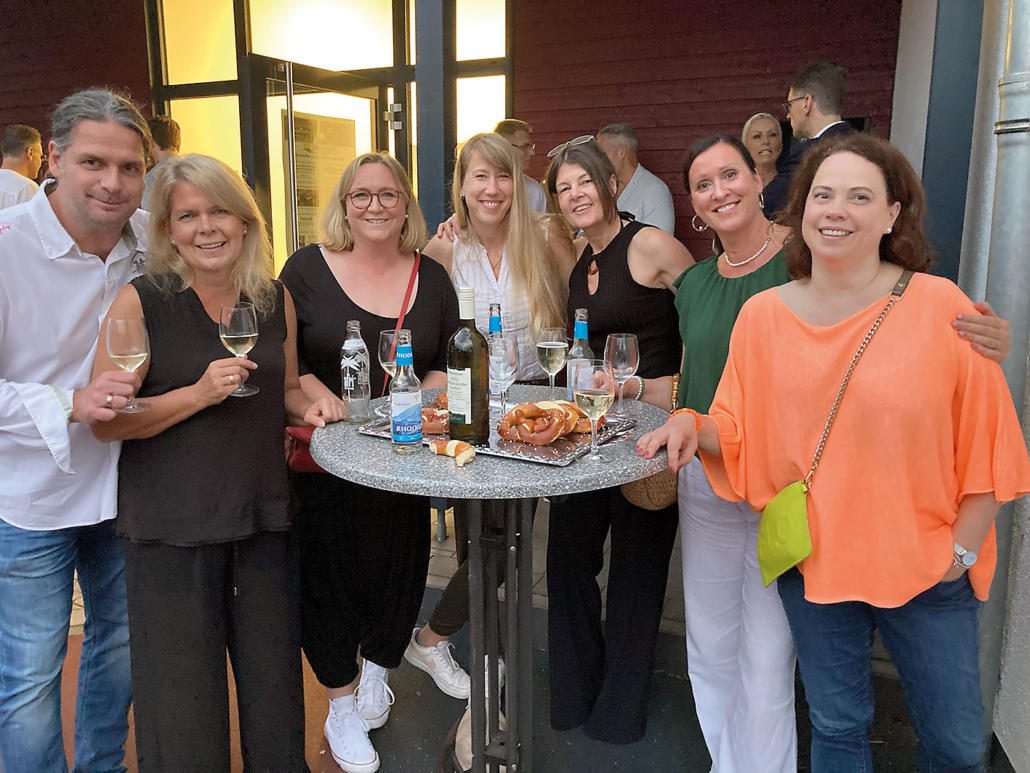
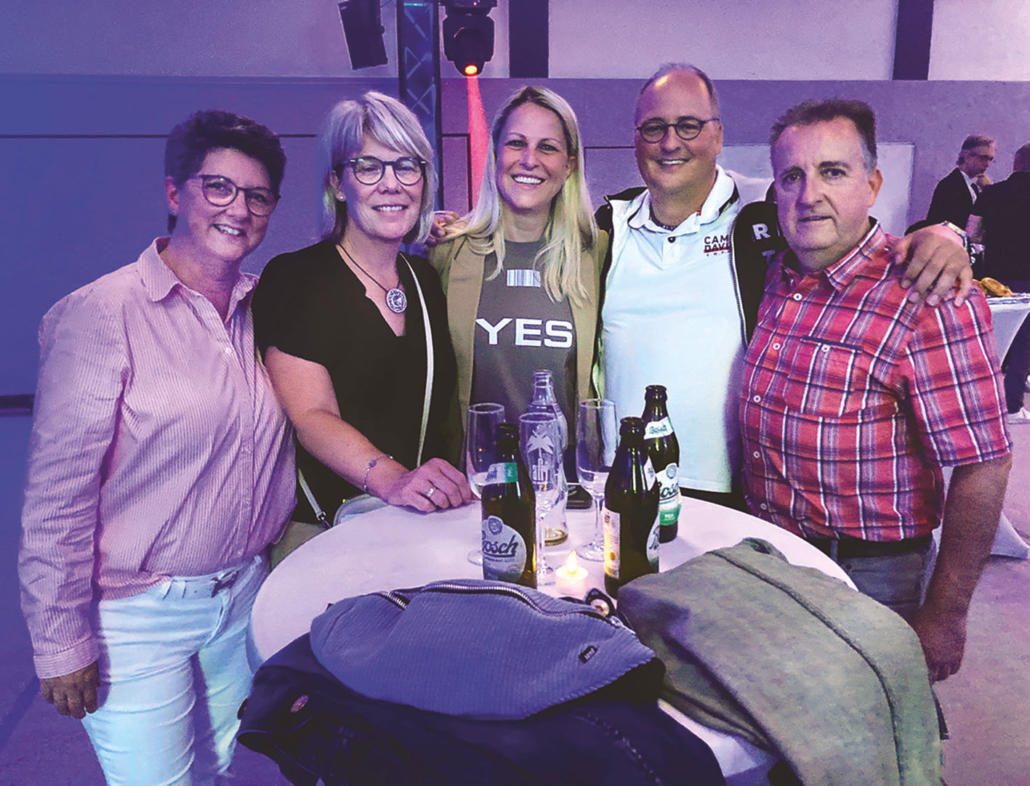
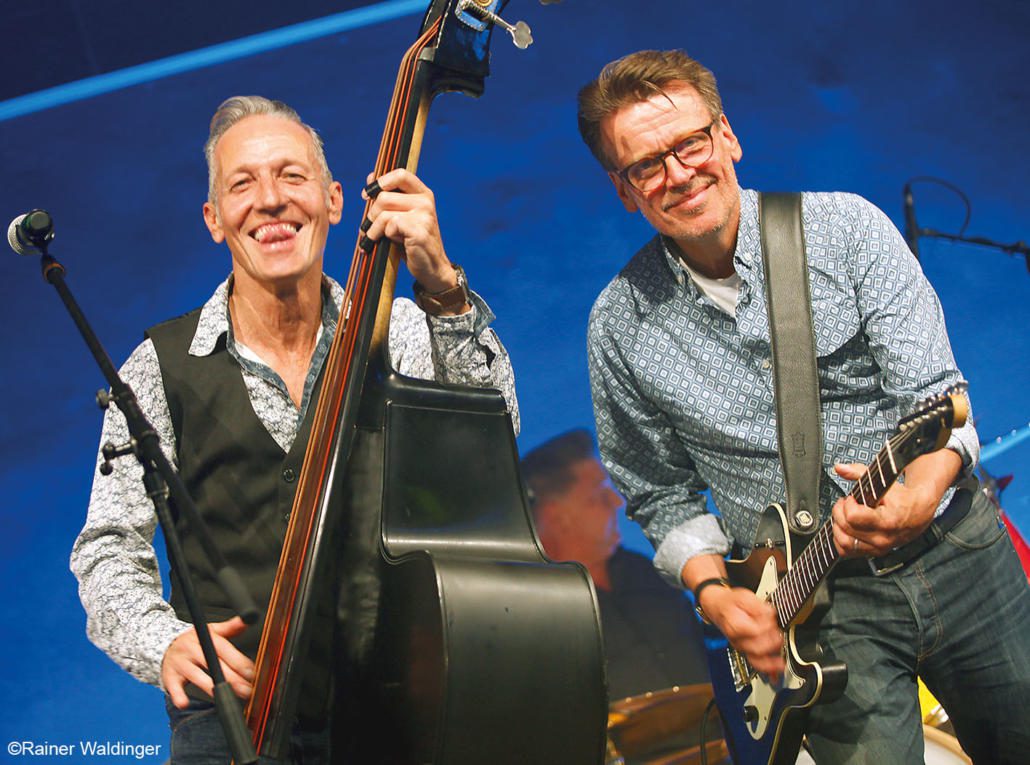
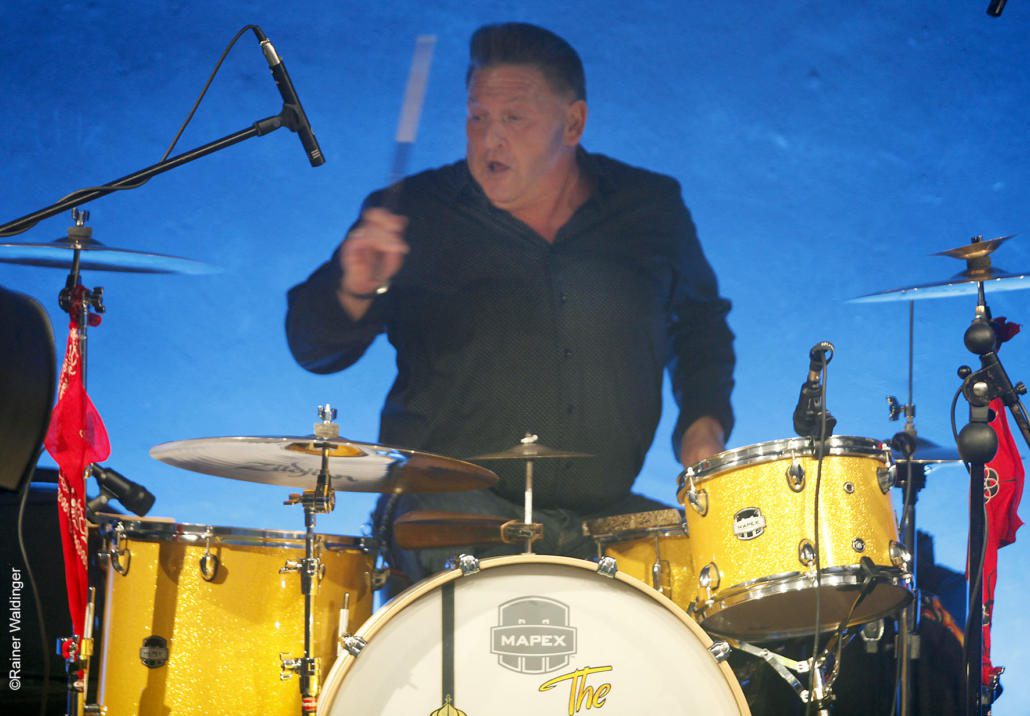
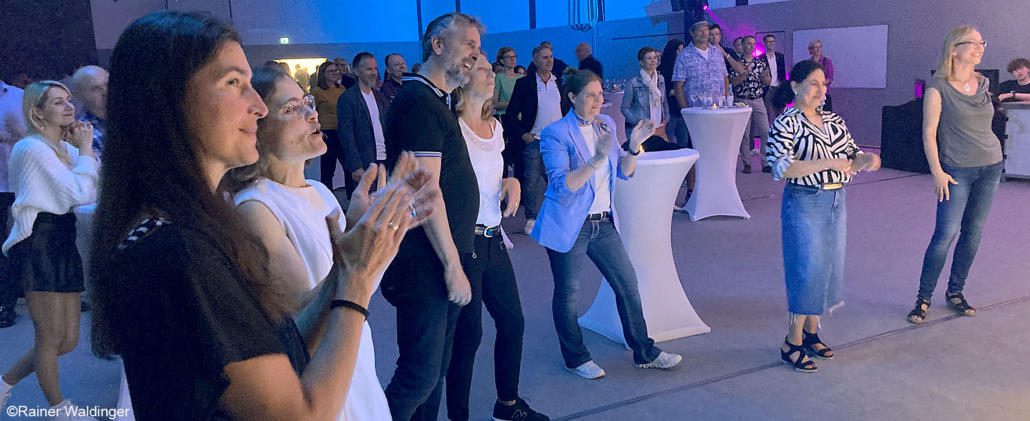
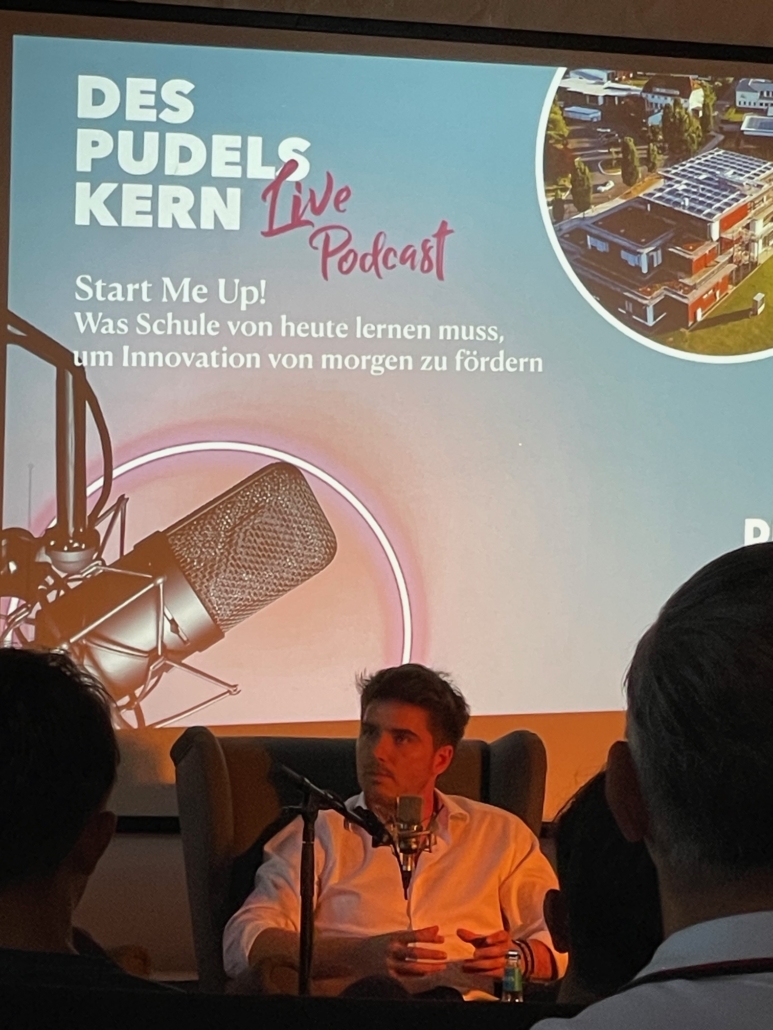
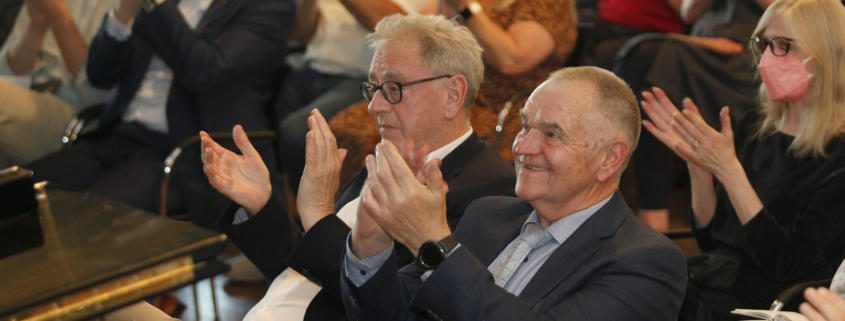
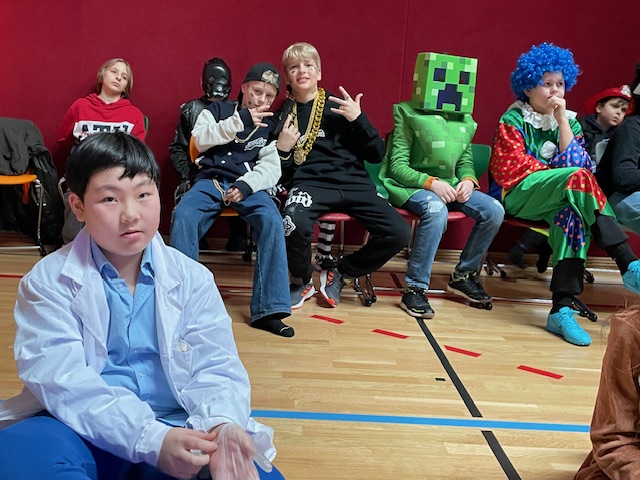
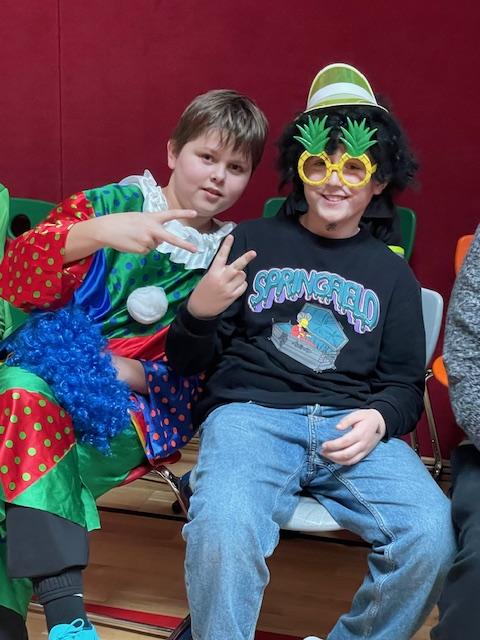
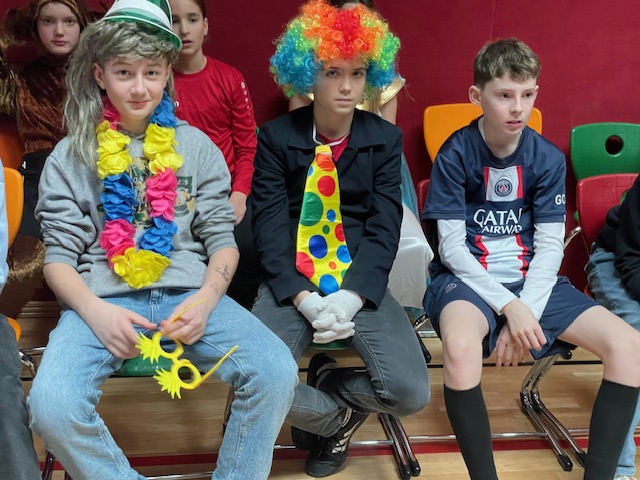
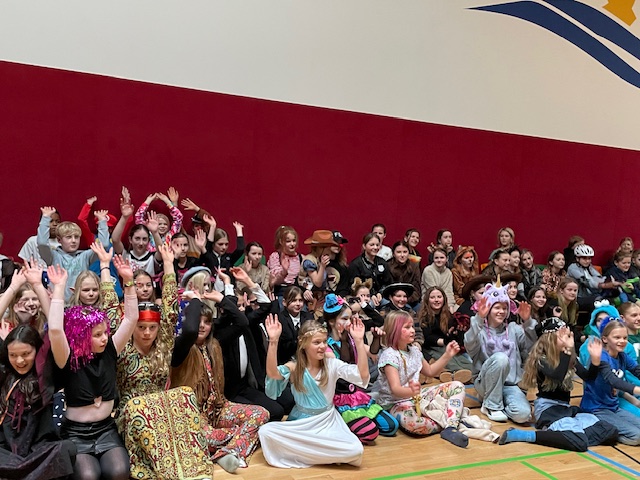
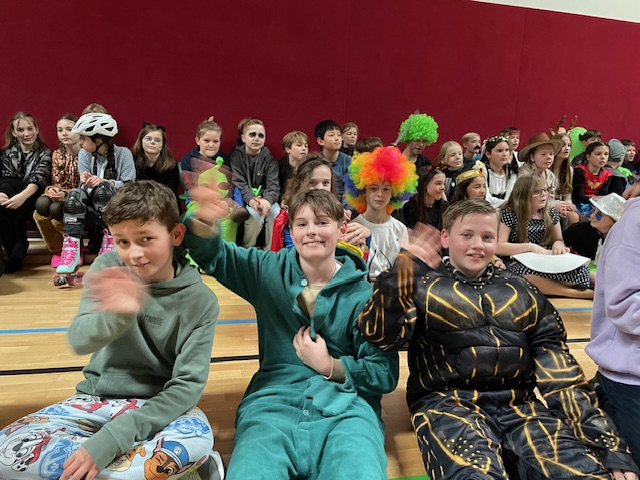
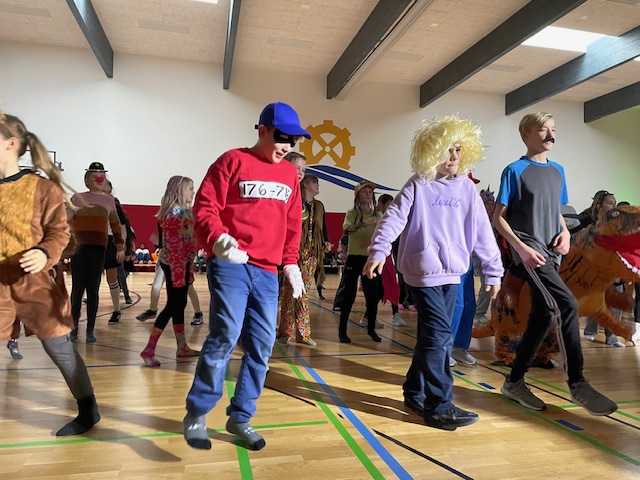
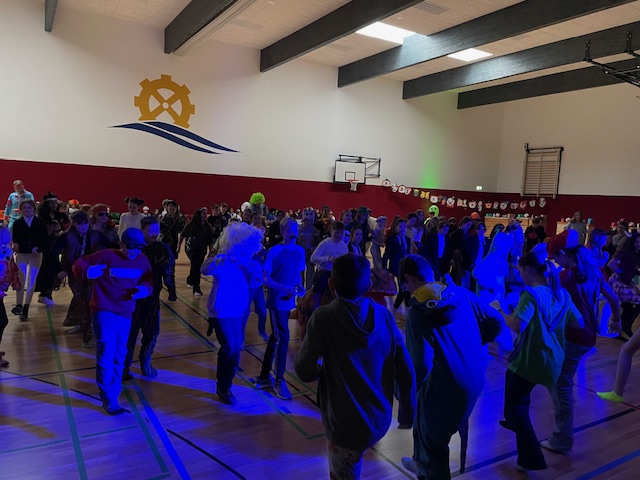
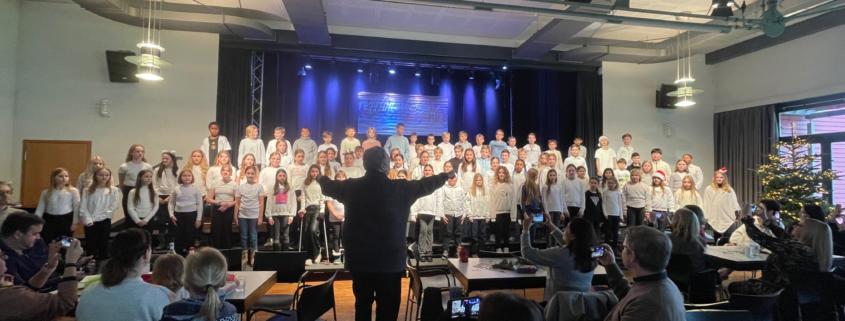
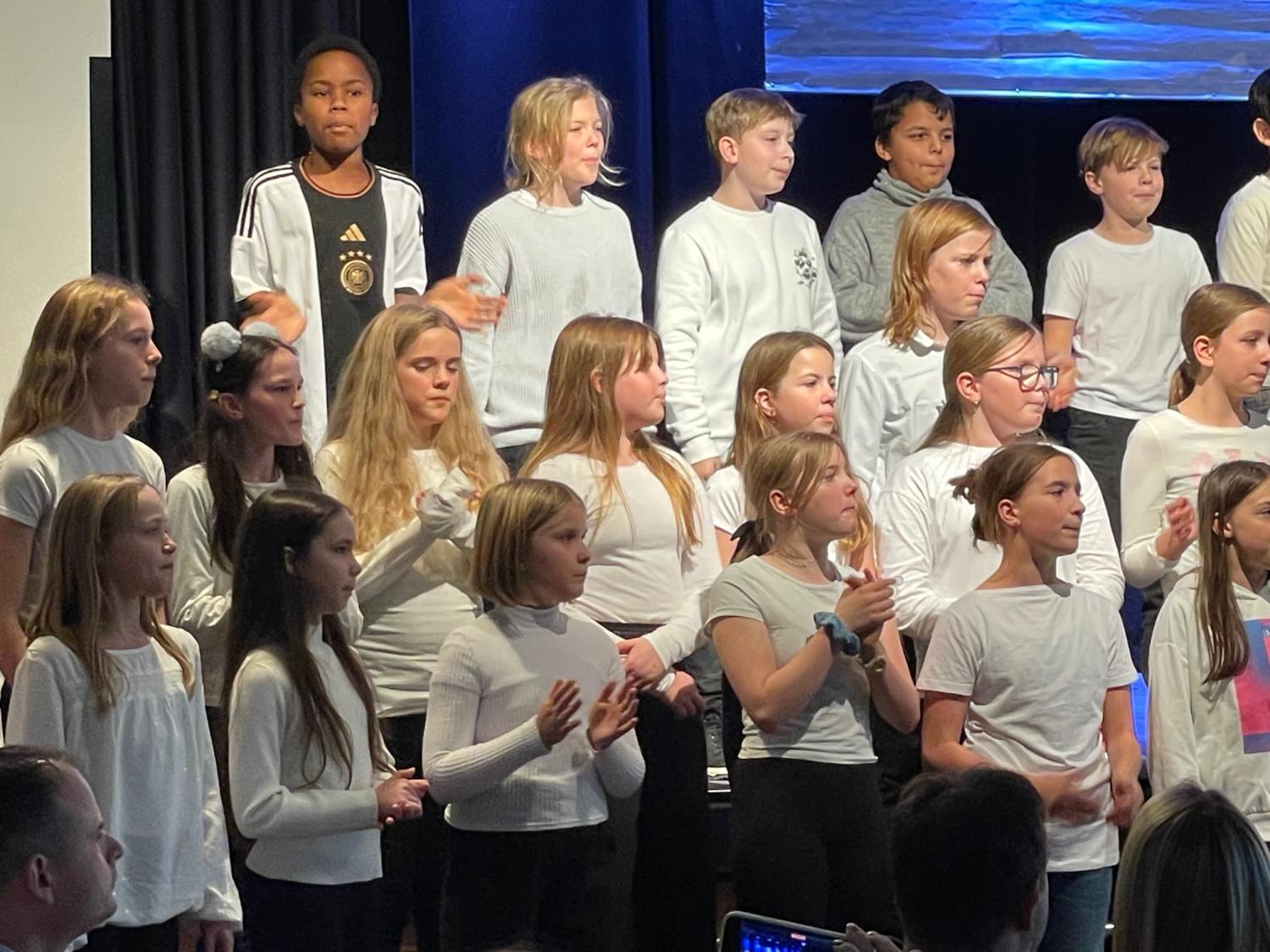
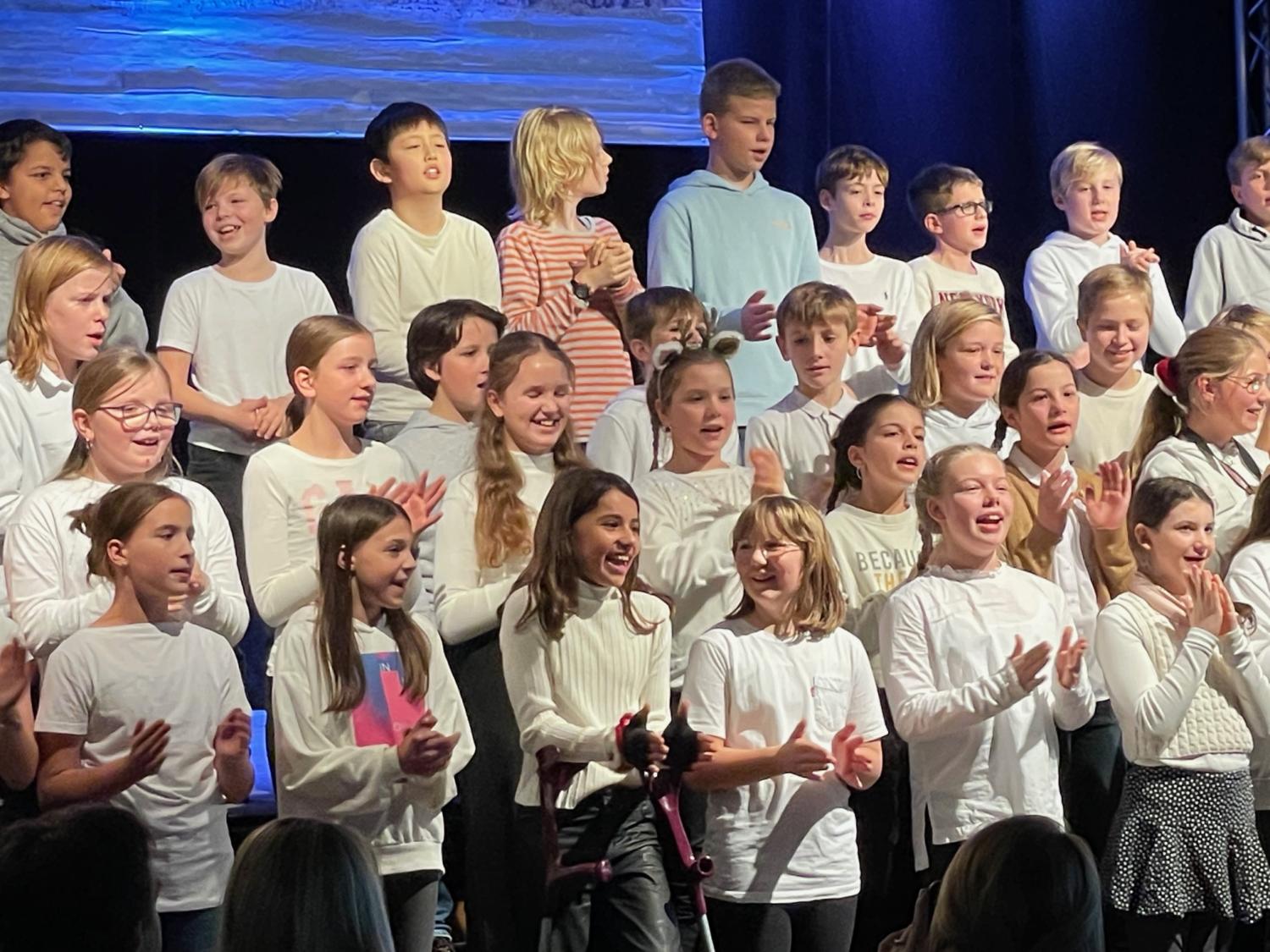
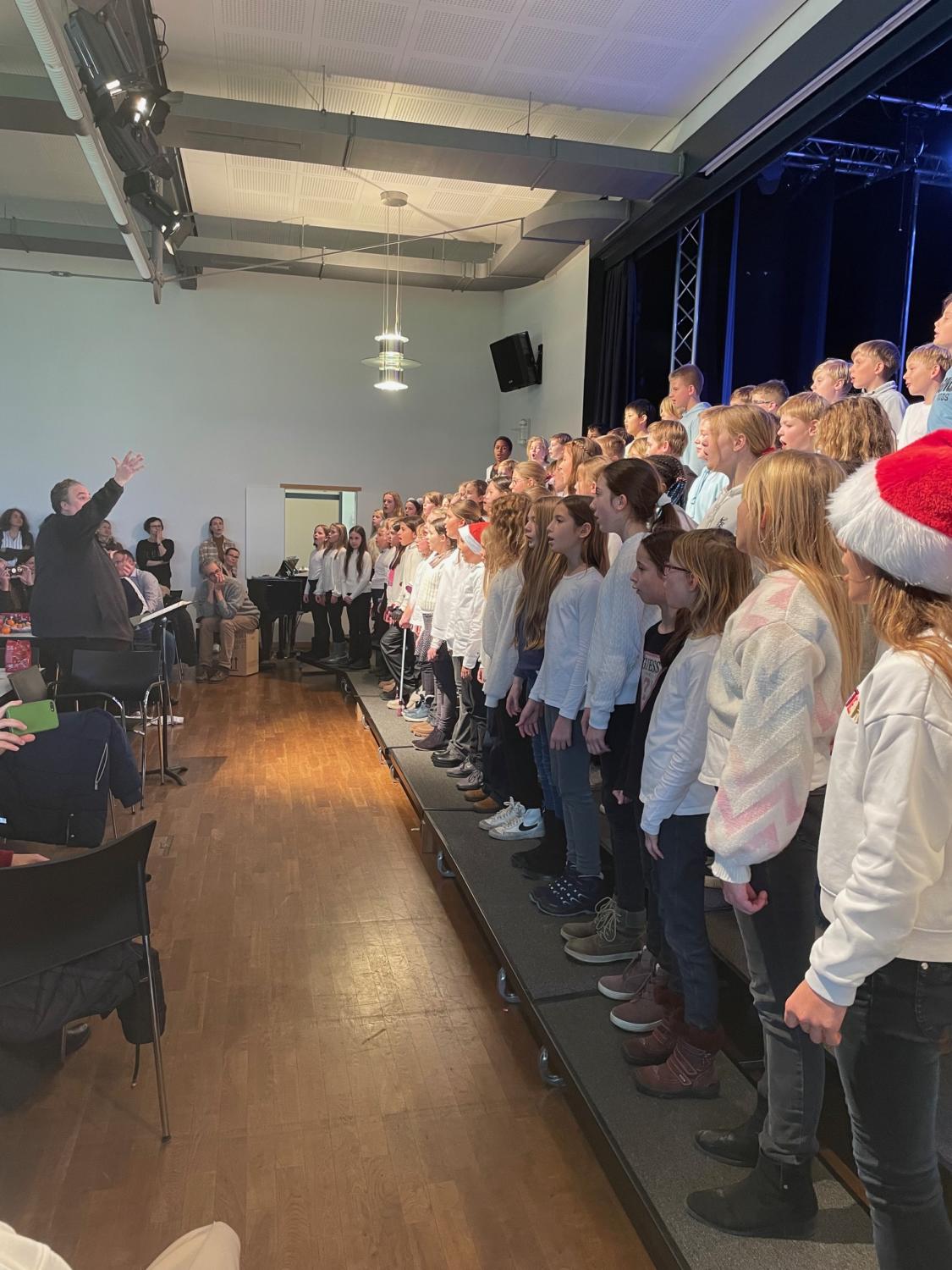
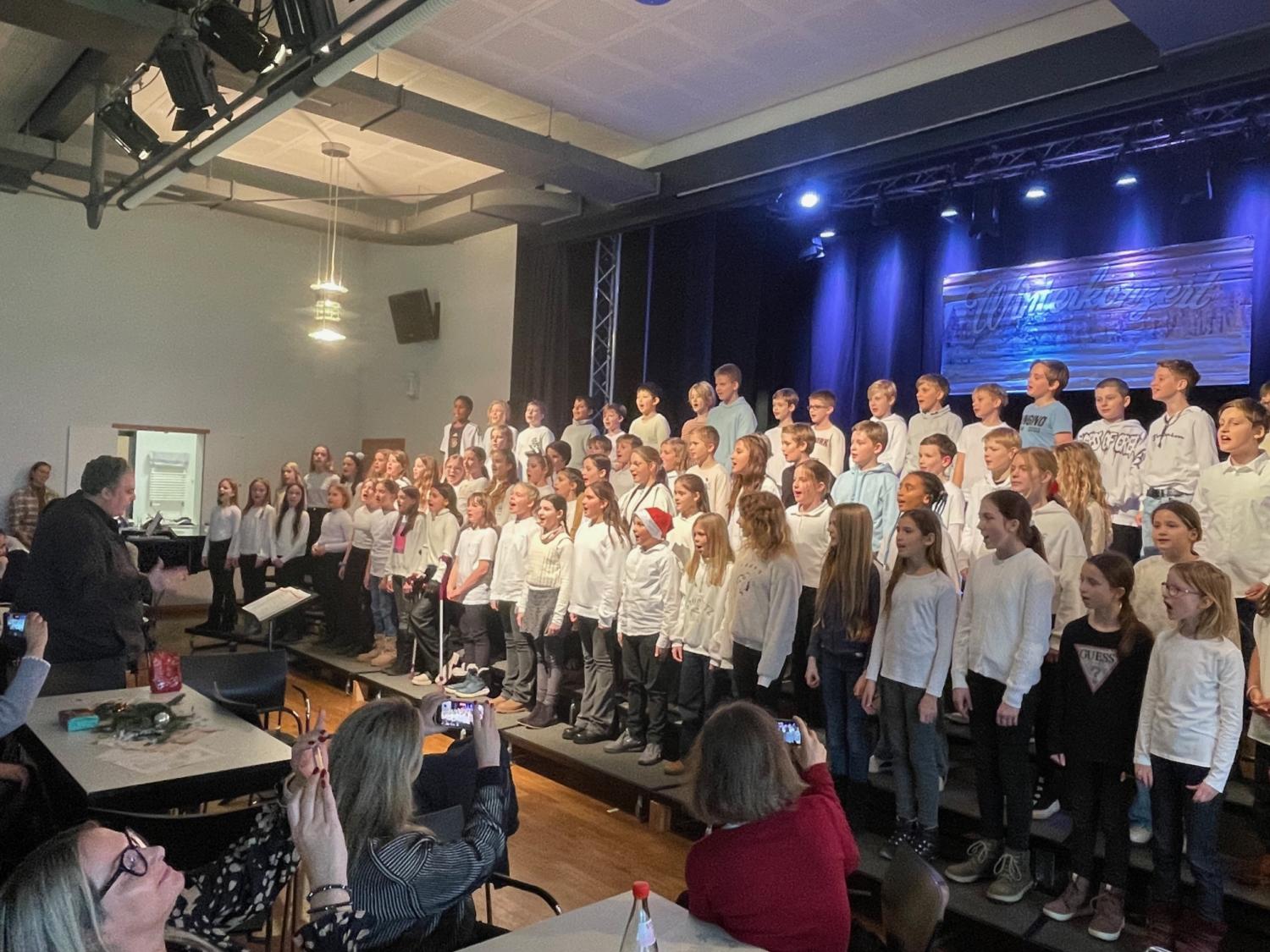
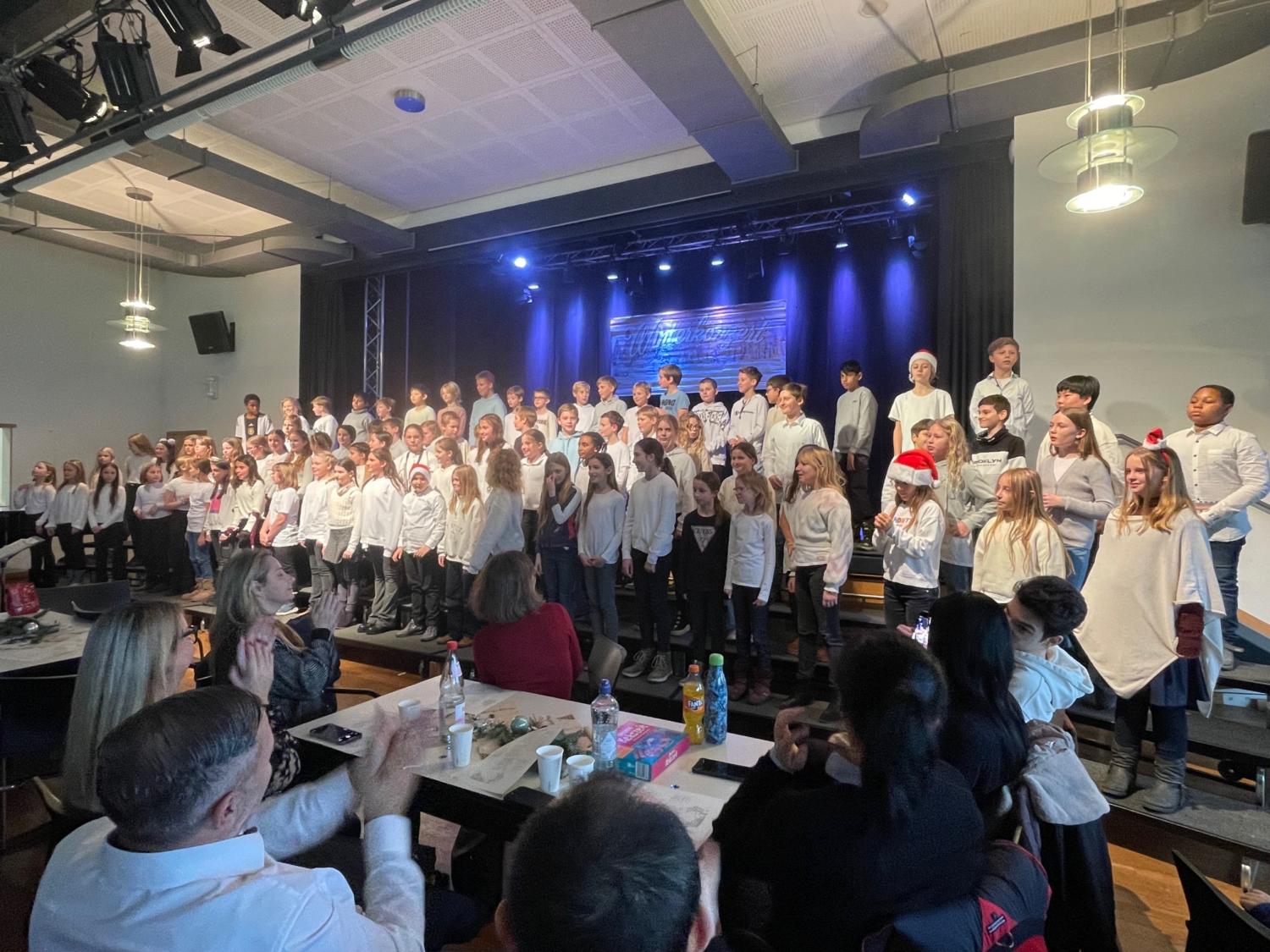
The numerous invited guests brought plenty of praise with them when they gathered for the ceremony in the forum of the host institution, the Steinmühle School and Boarding School. It was a true anniversary worth celebrating, as the educational institution in southern Marburg turned 75 and marked the occasion with a week of festivities. Many well-wishers attended: from the school community, other schools, the school district office, the political sphere, various associations, and top officials from the Ministry of Education and Cultural Affairs. The Steinmühle and its leadership, however, remained humble and grateful.
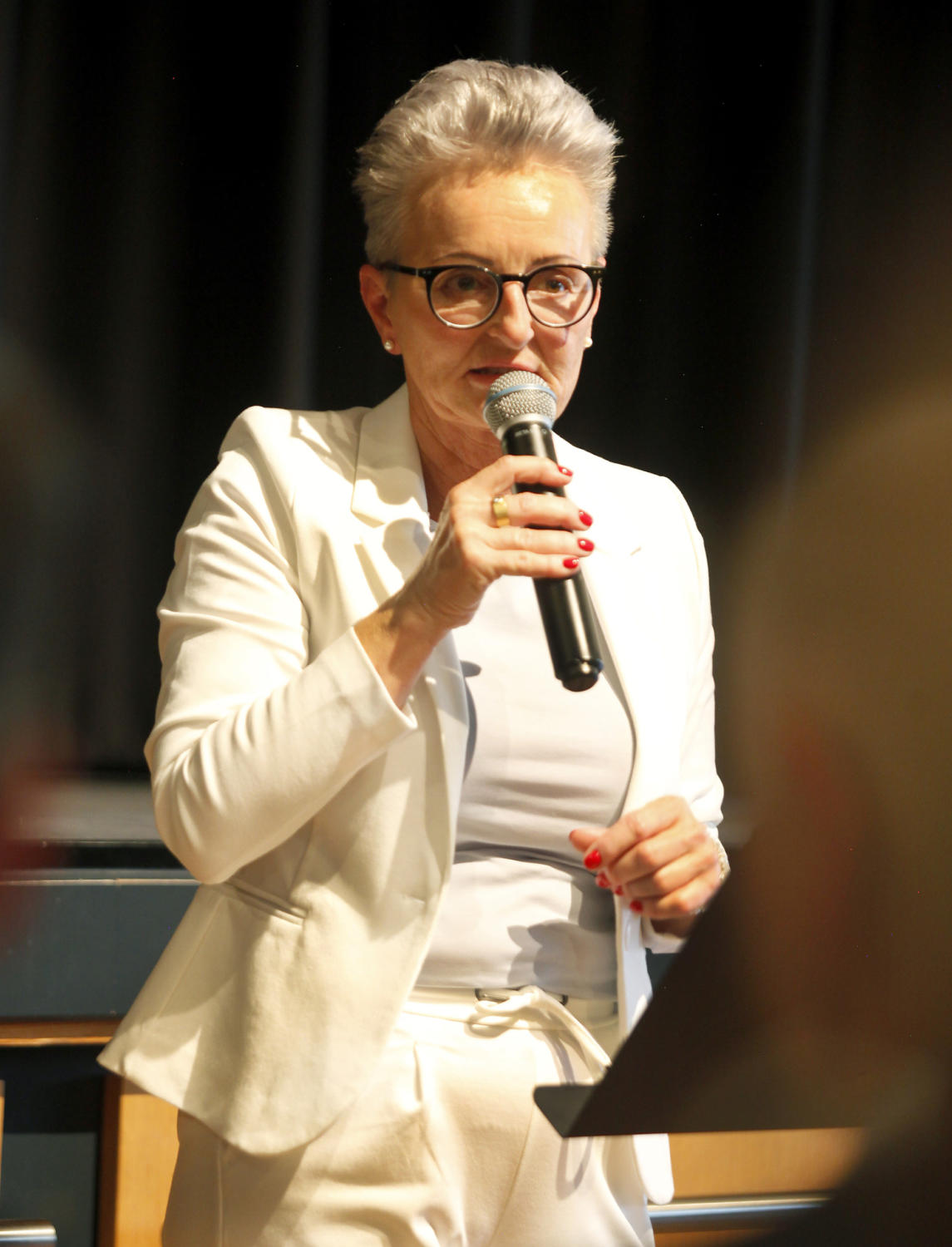
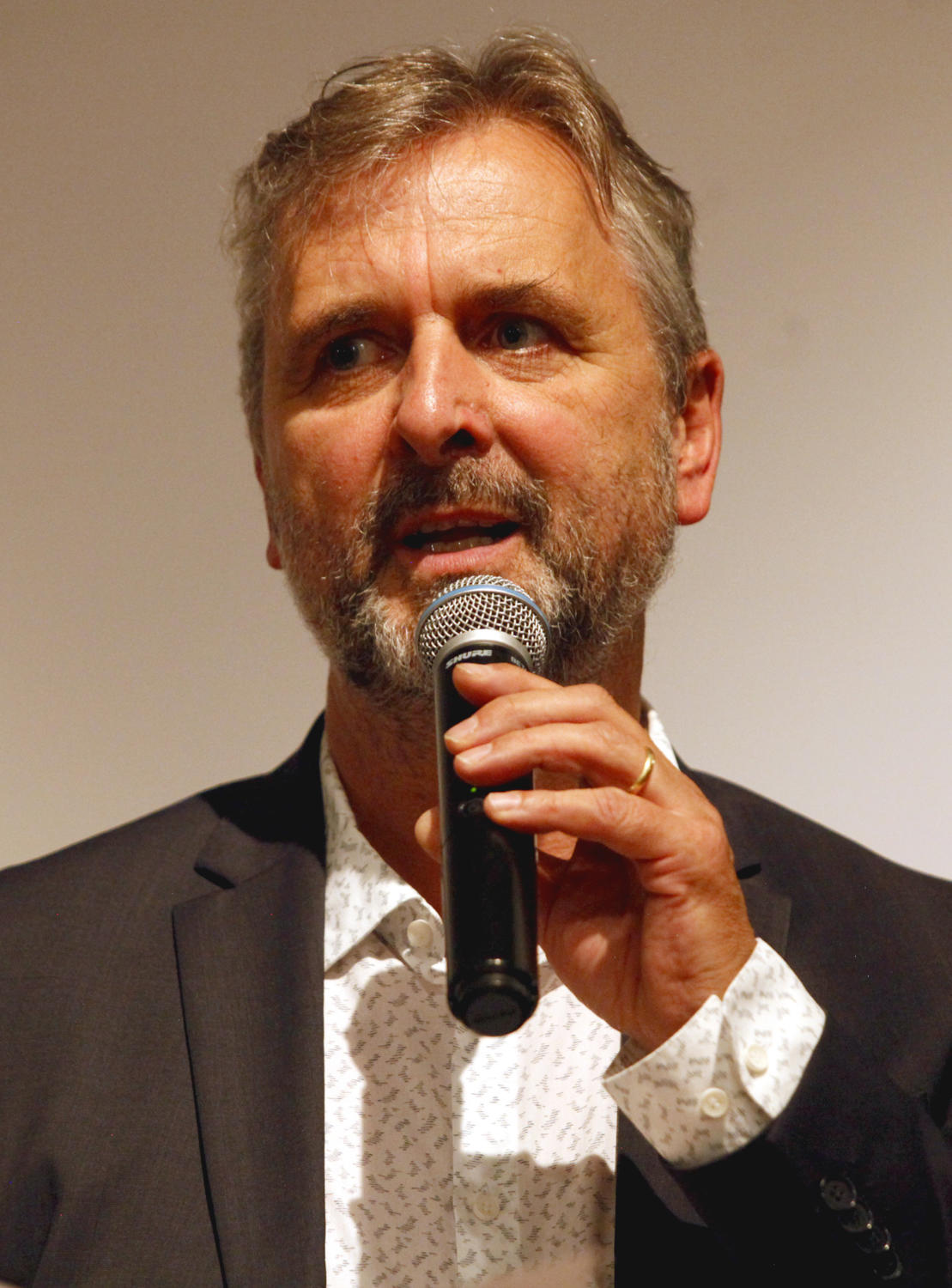
“We are here in a place of learning and life,” noted Egon Vaupel, chairman of the Steinmühle Marburg support association. At Steinmühle, he said, investments are made in education, training, and integration. These are the most important building blocks for the success of an institution that is known far beyond the district’s borders. However, he added, it is also important not only to acknowledge successes but also to admit mistakes.
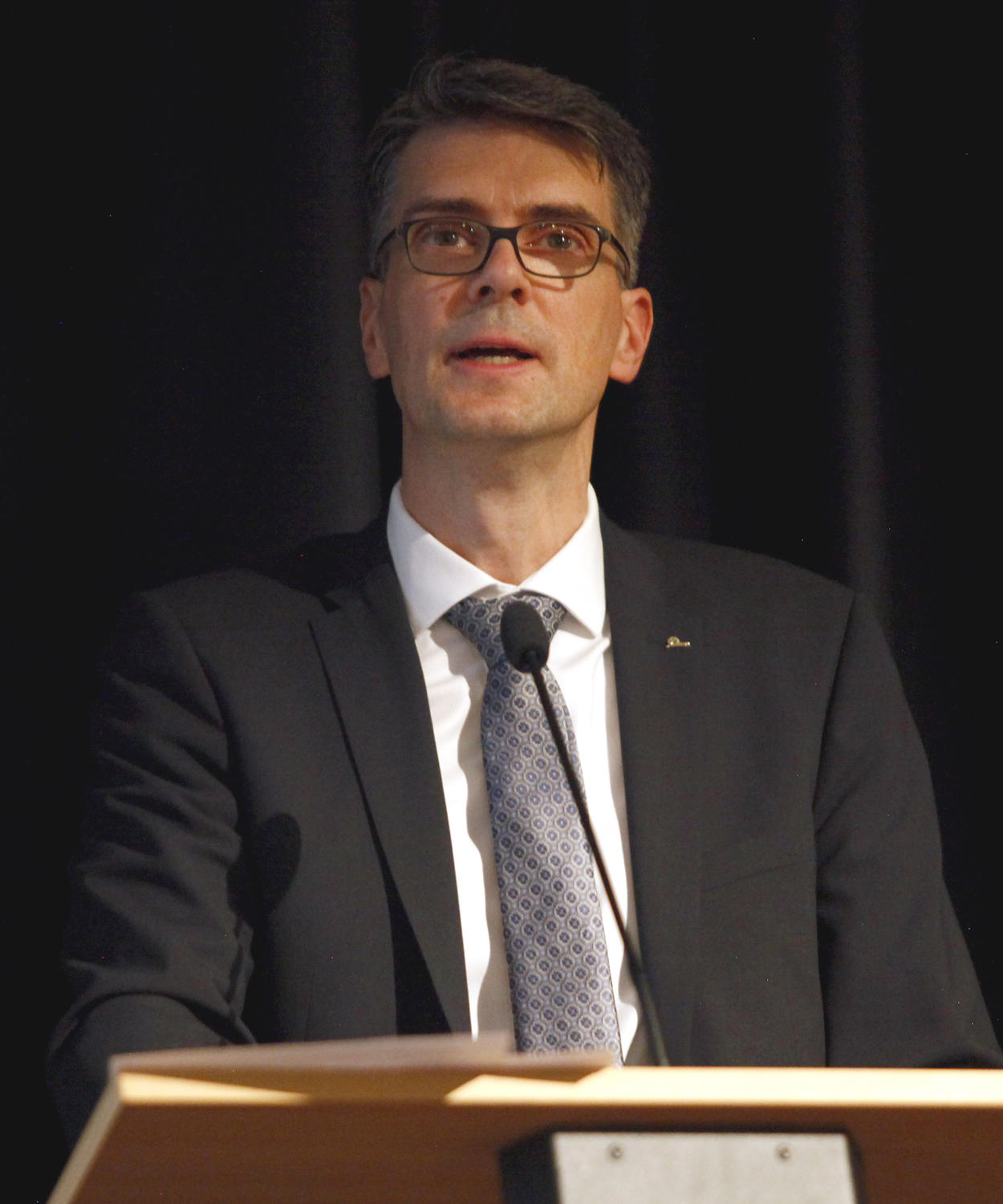
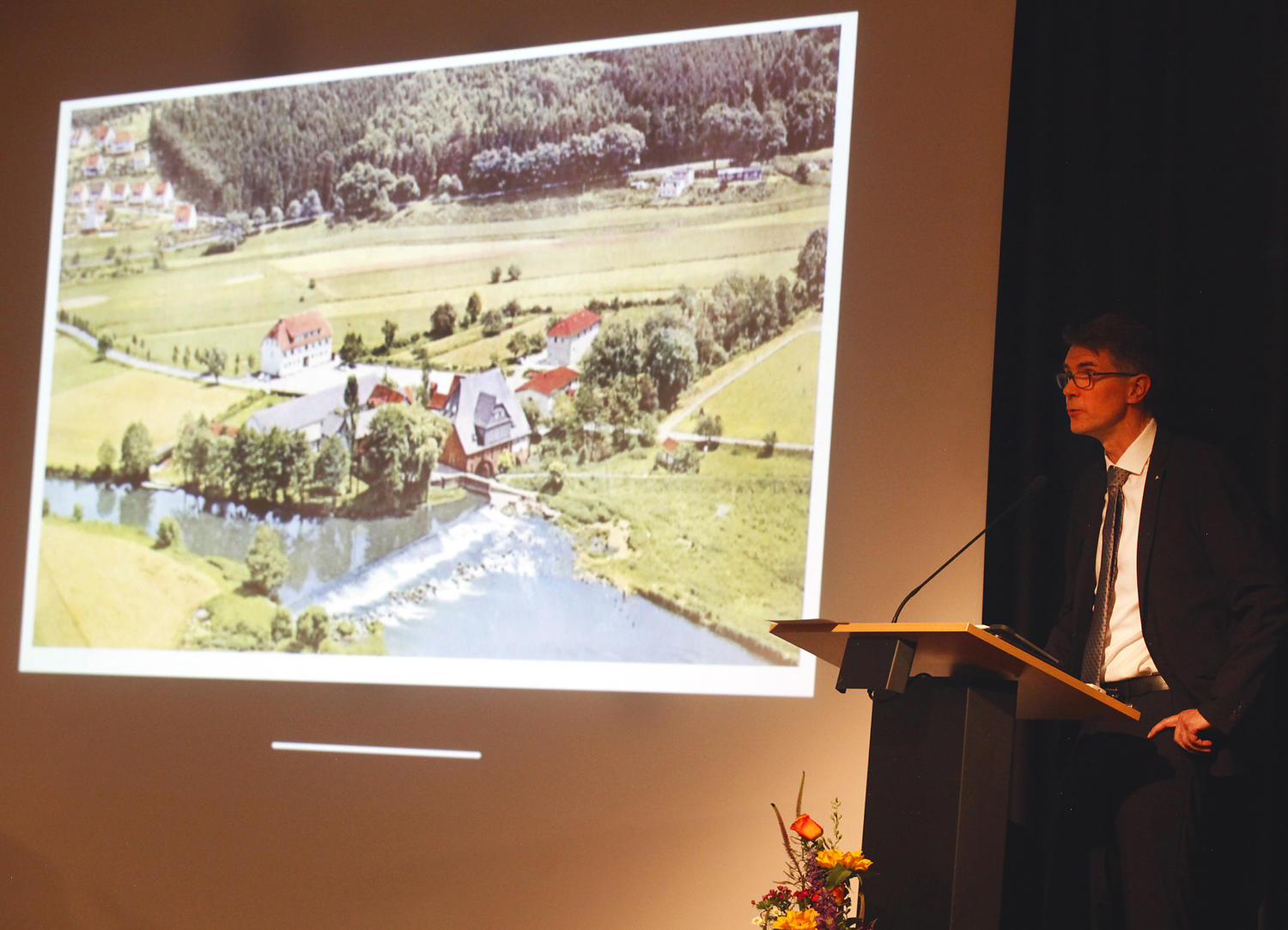
Principal Björn Gemmer provided a retrospective, in words and pictures, of the most important historical milestones at Steinmühle in the period after 1949. The founder, Joseph Müller, and the educator, Gerhard Buurman, were brought together through their activities in the Association of German Private Schools. Buurman invested 40,000 German marks in the Steinmühle, which had 123 students on May 10, 1949. As an independently operated school and boarding school, the then “Landschulheim Steinmühle” received state recognition in 1955. In 1973, Steinmühle had 226 boarding students—more than ever before and more than ever since. Currently, the total number of students is 820, of whom about 100 live in the boarding school and the rest are day students from the city. Around 1,000 people are currently active on campus, including all staff members.
Significant Investment in Internationalization
Over the years, the Steinmühle has had many success stories, but it has also been involved in the occasional scandal that the press eagerly picked up on, such as when students helped a citizen of the GDR escape during a class trip in the 1980s. To this day, the school has retained, to some extent, the image of being “a school for the rich”—due to the fact that the private school operator charges tuition, and hardly any boarding school accommodates young people for free.
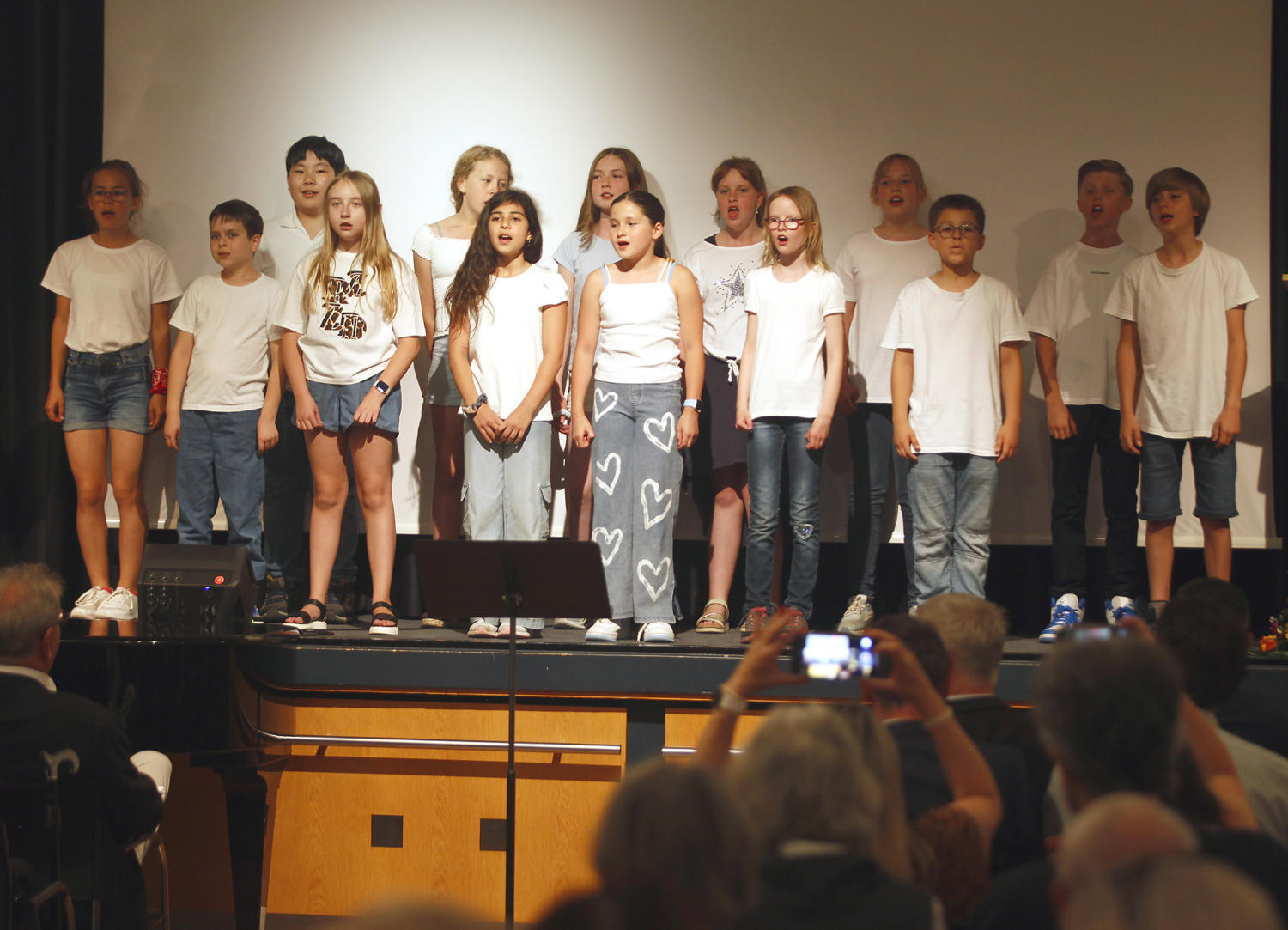
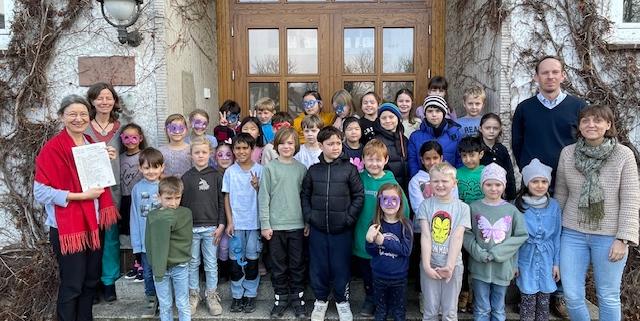
What is less well known is that Steinmühle enrolls 20 percent of its boarding students through youth welfare services, and the efforts it has made since the 1980s to take in refugees, most recently in 2015. Significant investment has also been made in Steinmühle’s international character. In Class 6i of the International High School track, in addition to German and English, the students also speak Russian, Ukrainian, Arabic, Turkish, Polish, Italian, Dutch, Portuguese, Flemish, Persian, Marathi, and Kurdish at home.
Praise for Sustainability
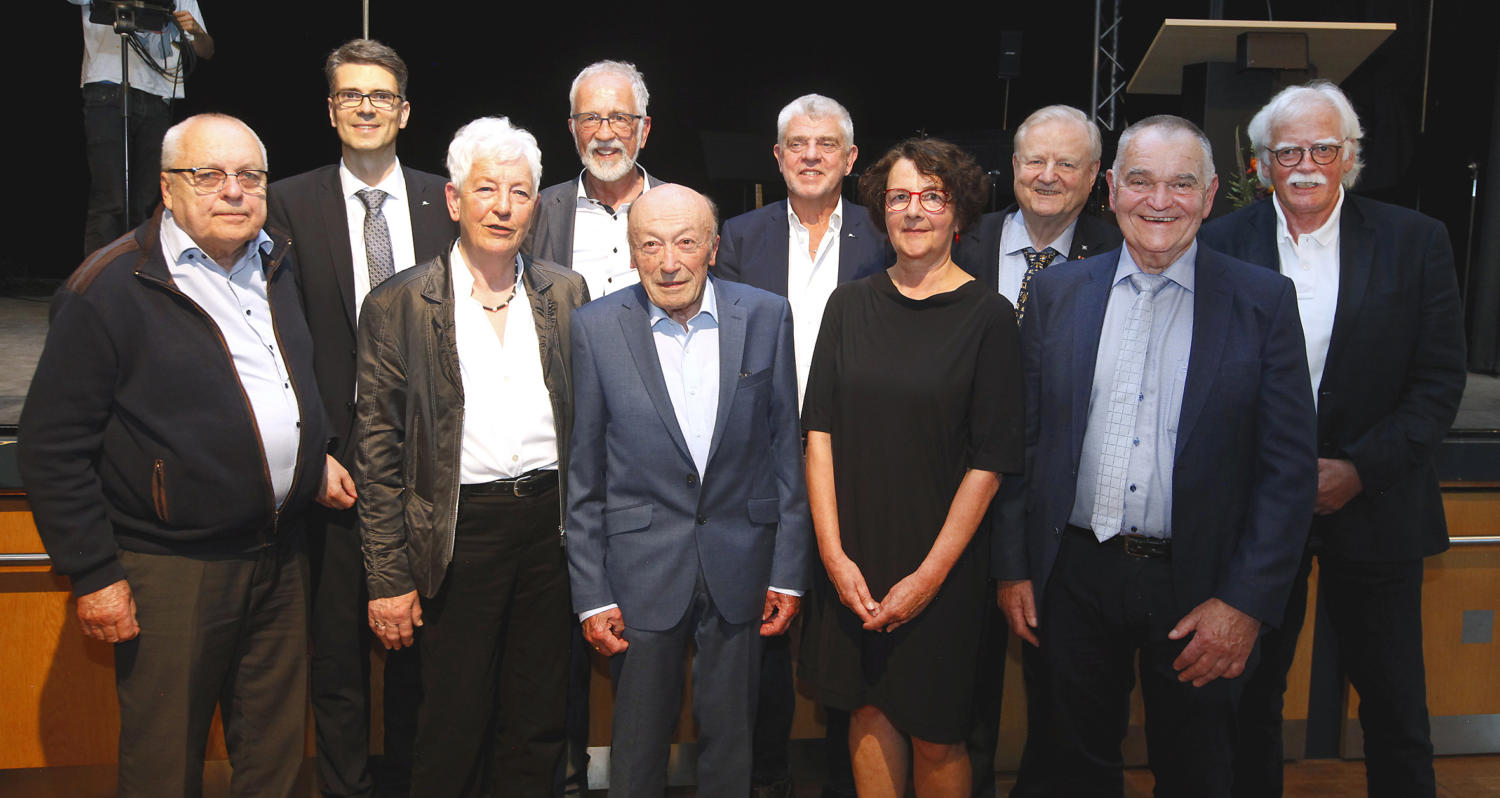
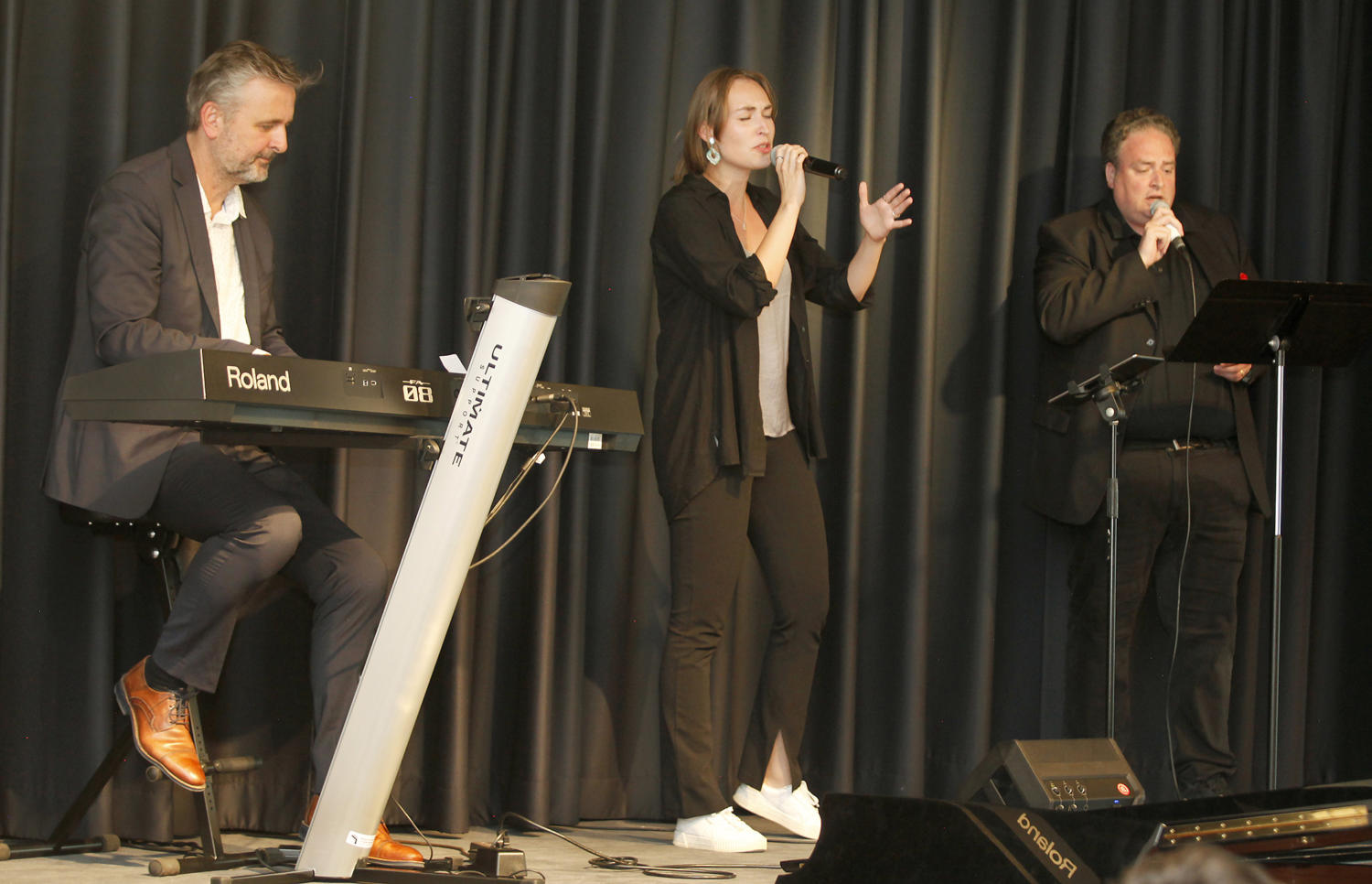
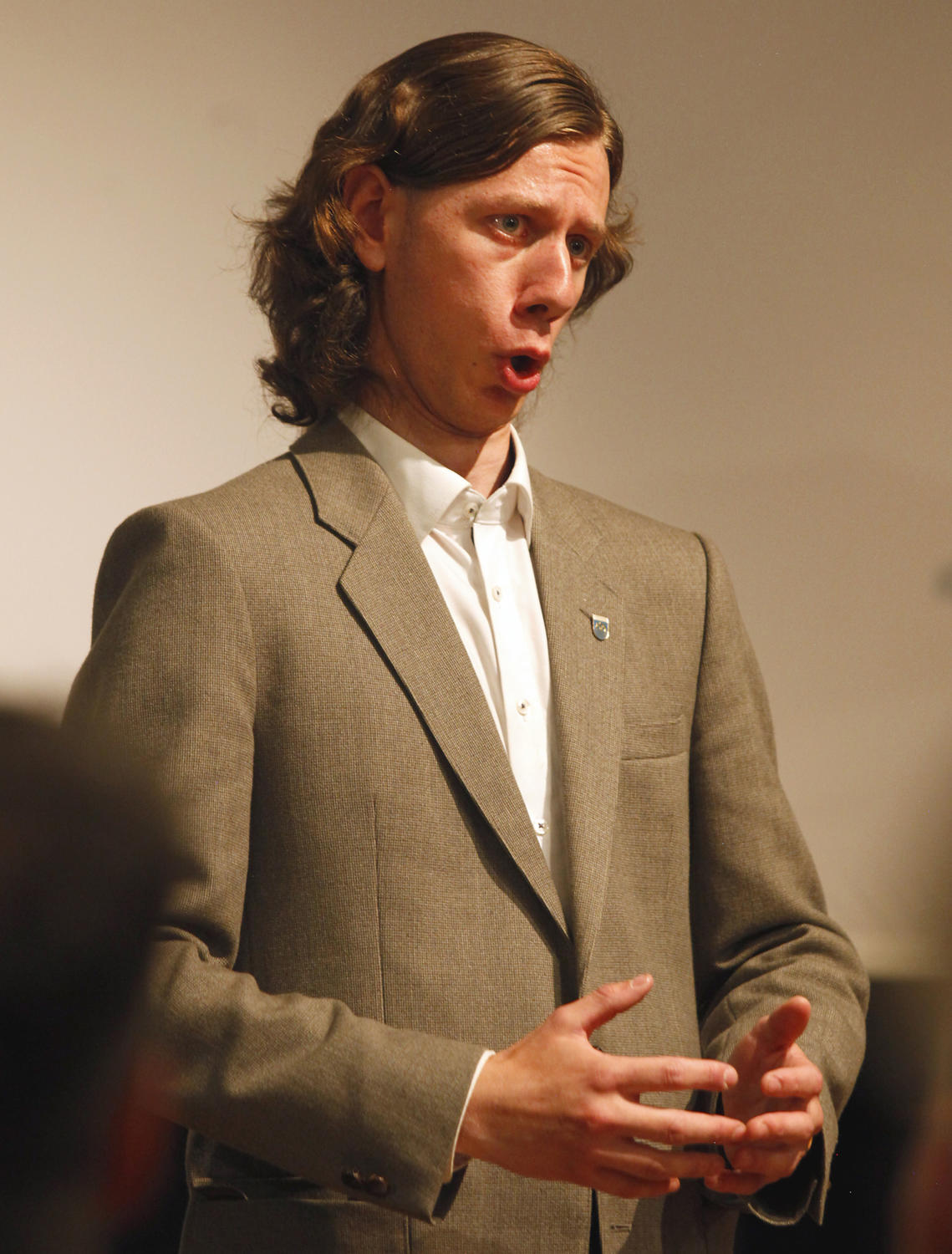
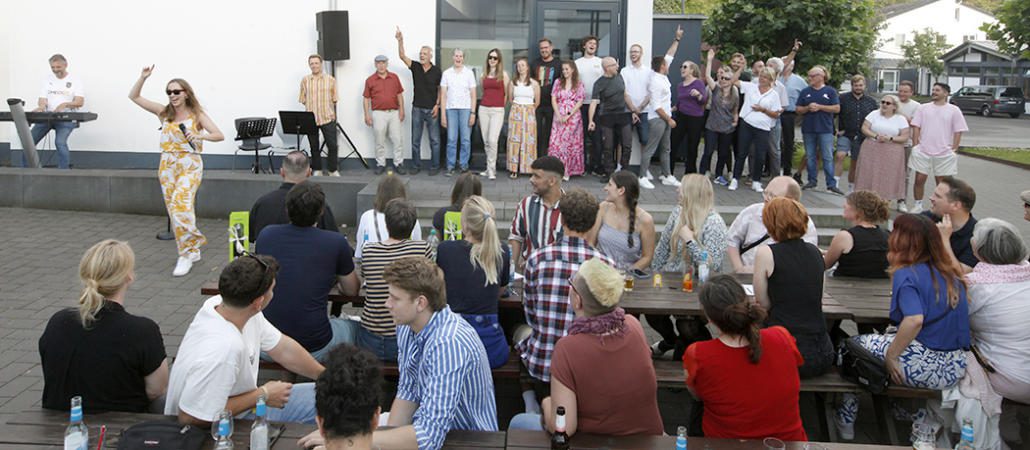
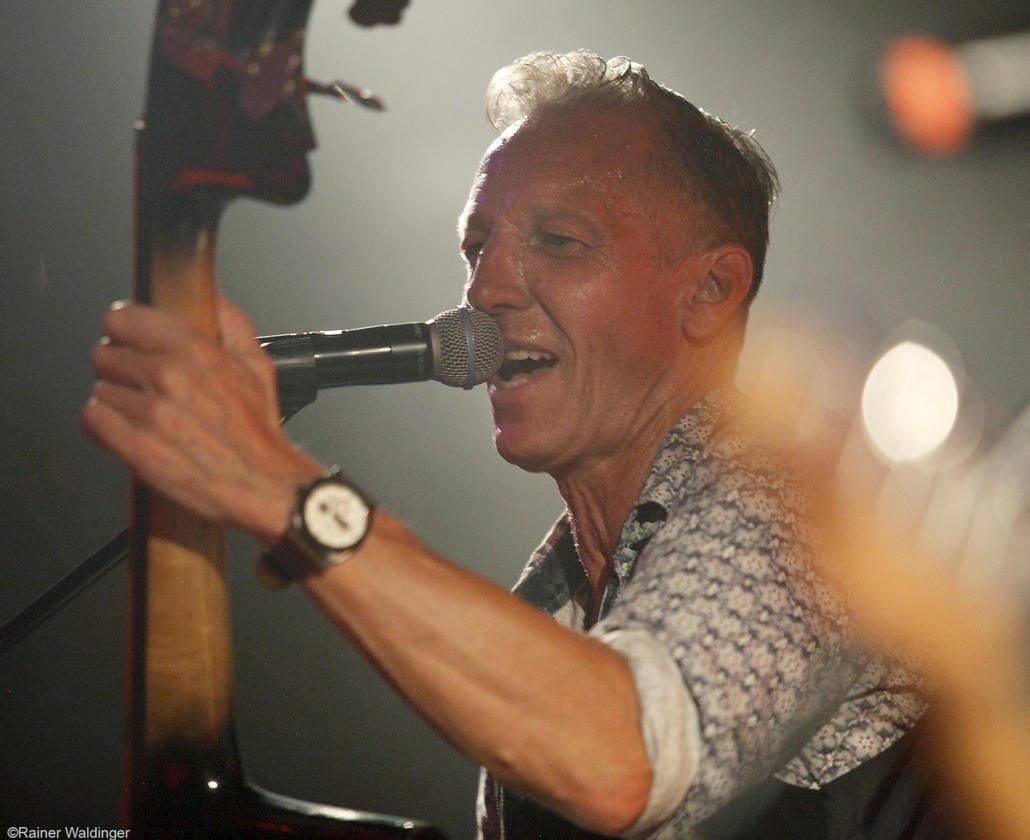
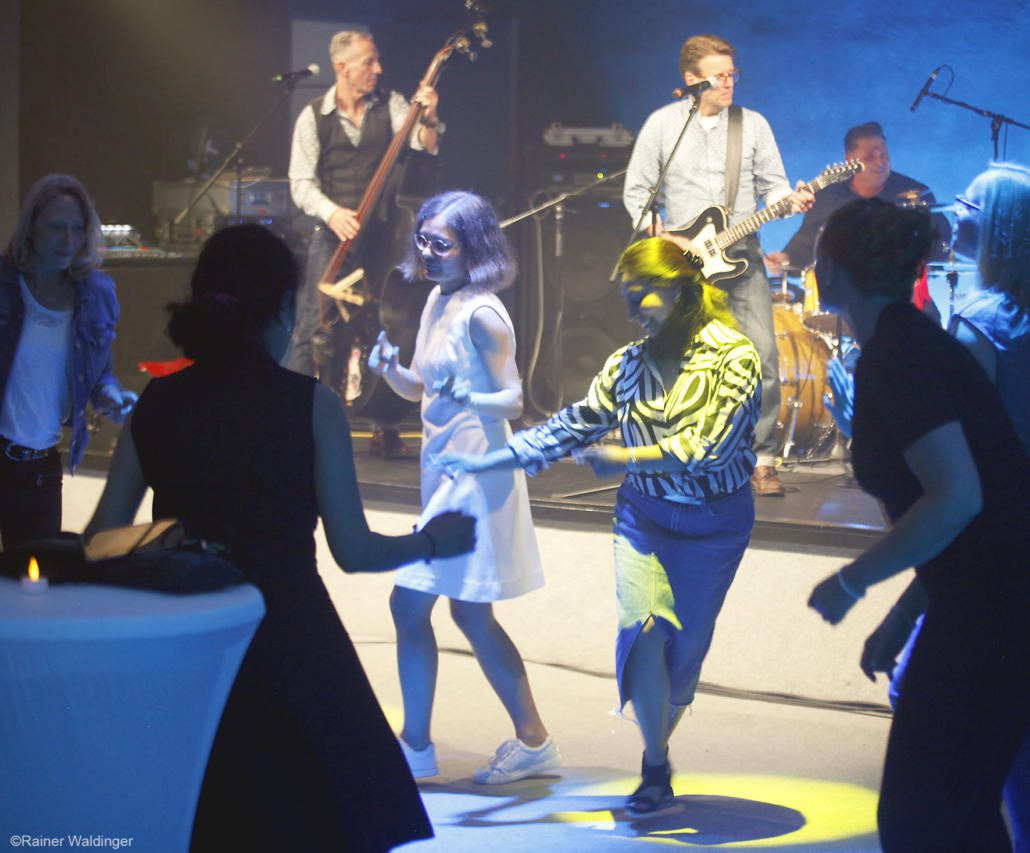
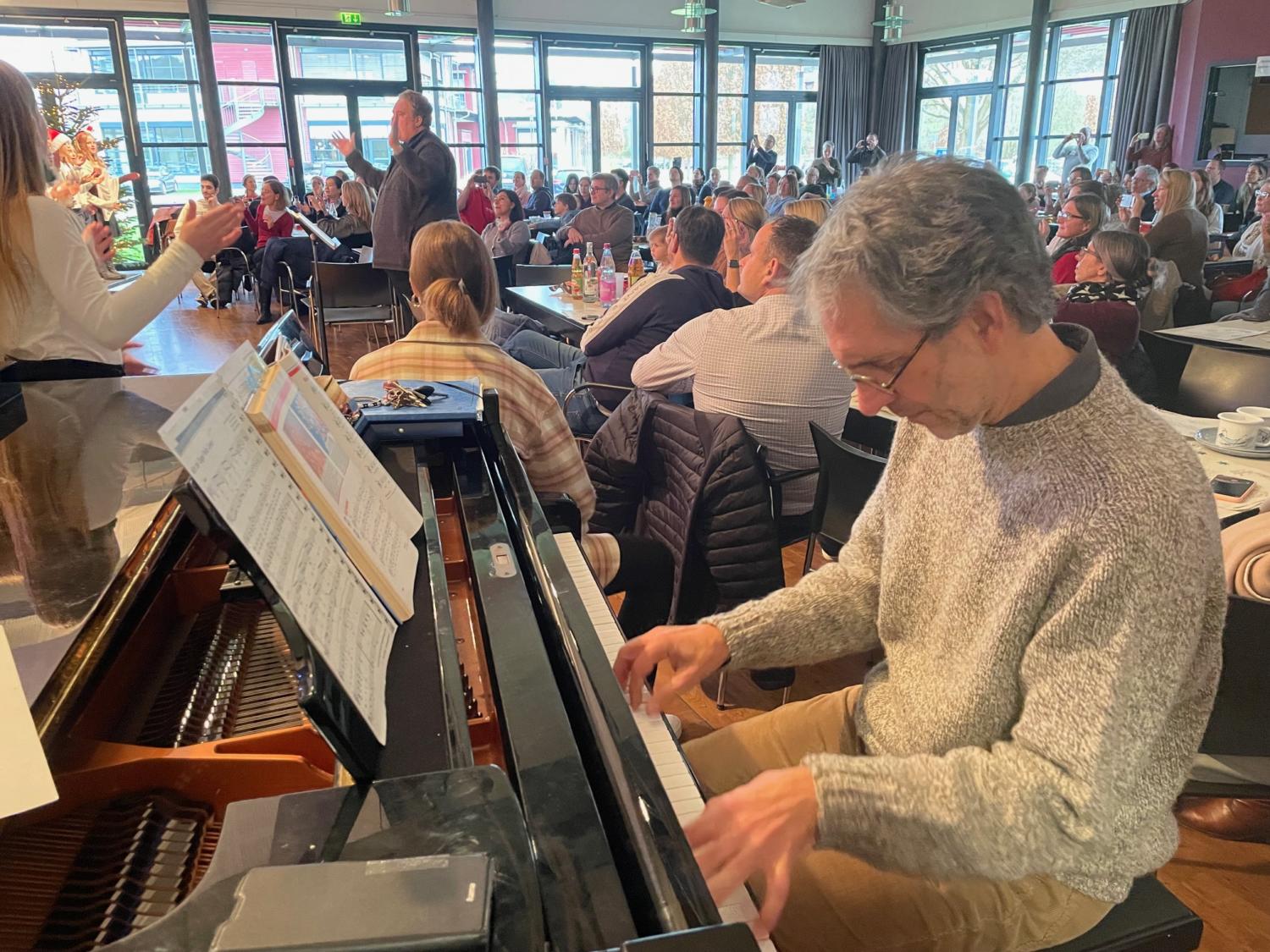
Much to the delight of Dirk Konnertz, the school and boarding school’s director, many former colleagues and alumni had also come to see what had become of “their” Steinmühle. Everyone praised the school’s diverse curriculum—particularly in the natural sciences—as well as its commitment to environmental protection and sustainability, and its active construction and modernization efforts. Among the alumni was Felix Müller, a 2023 Steinmühle high school graduate who is now a student at the Mozarteum in Salzburg; together with Gabrielle Sans on the piano, he provided the musical accompaniment for the event. Together with singer and teacher Anna Prokop and tenor Daniel Sans, Dirk Konnertz brought the evening to a musical close on the keyboard; at the very end, the event offered a unique opportunity to take a group photo of all the school principals from past years up to the present.
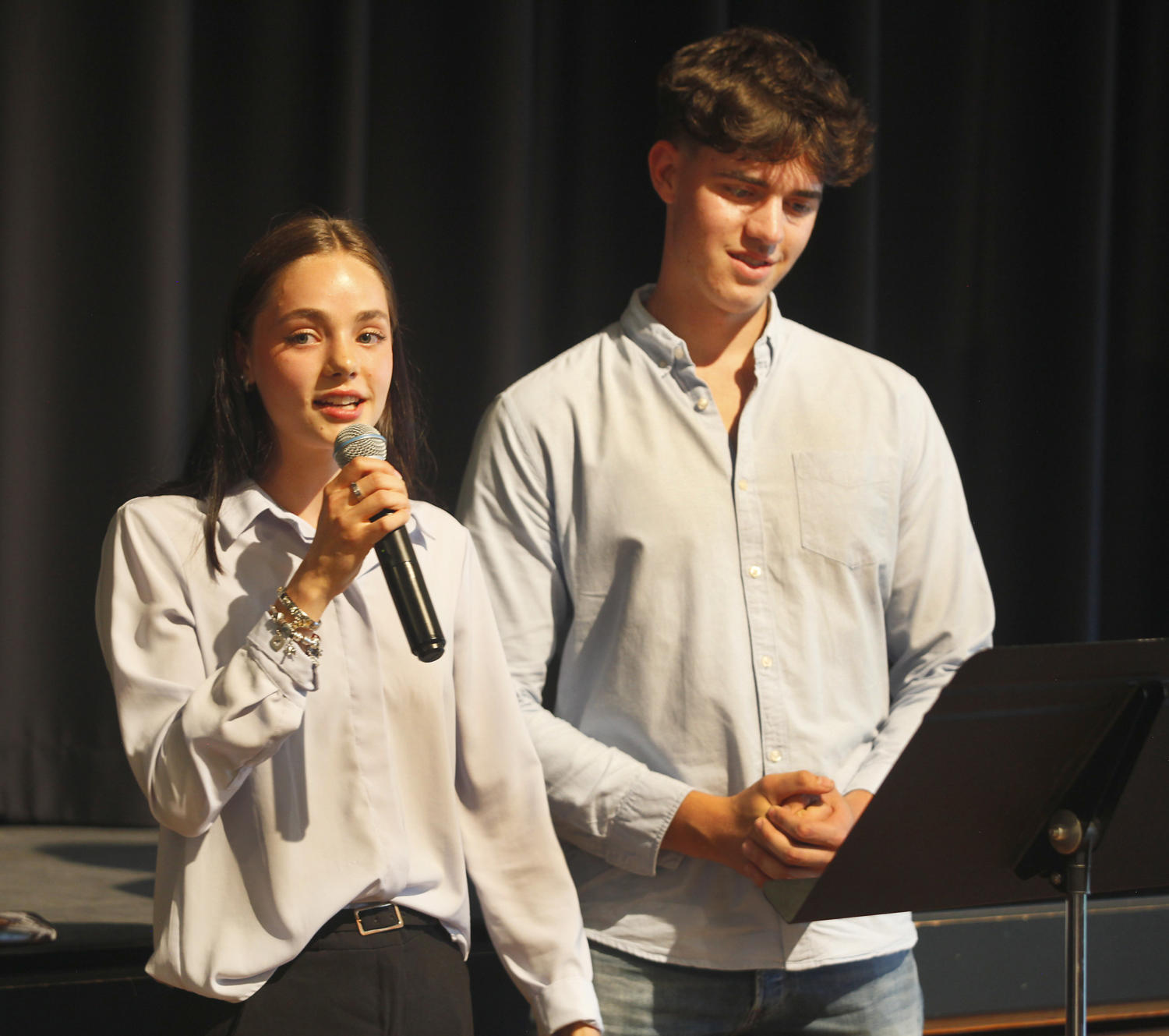
The Steinmühle welcomed the following guests: Dr. Manuel Lösel (State Secretary, Hessian Ministry of Culture, Education, and Opportunity), Christoph Aßmann (Director of the State School Authority), Michael Röhrig (Director of the Marburg Teacher Training Seminar for High Schools), Dirk Bamberger (Member of the State Parliament), Angela Dorn (Member of the State Parliament and Vice President of the Hessian State Parliament), Nadine Bernshausen (Mayor), Peter Hesse (Head of the Cappel Local Council), Dr. Falk Raschke (Executive Director of the Association of German Private Schools in Hesse), Hans-Martin Meth (Vice Chair of the Boarding Schools Association), Jasmine Weidenbach (Chair of the Steinmühle Support Association), Bianca Zenker (Chair of the School Parents’ Council), Joela Schwing and Lennart Holly (student representatives).
Steinmühle also welcomed: the Buurman family, principals from nearby schools, former and current faculty members from the school and boarding school, former and current students, parents, friends, and supporters of Steinmühle.