

Signals to the Antarctic Ocean: Exchange with the Neumayer III Research Team
“What an awesome day that was!”—when students leave class saying that, it means the teachers have done something right!
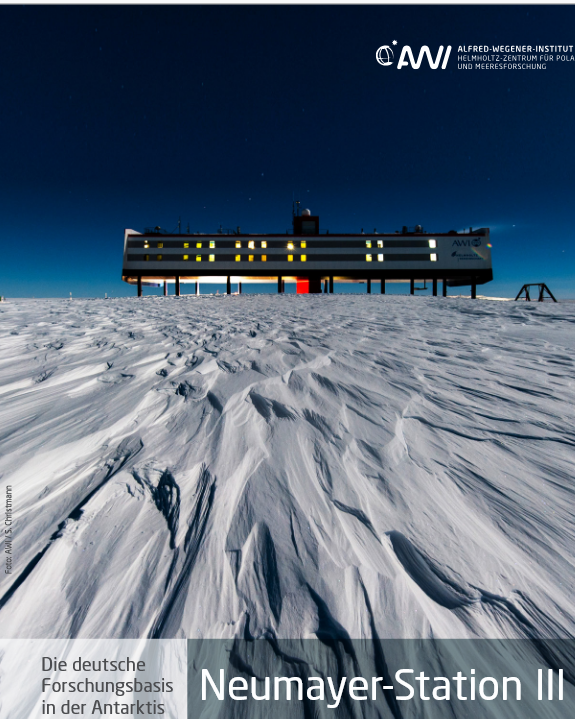
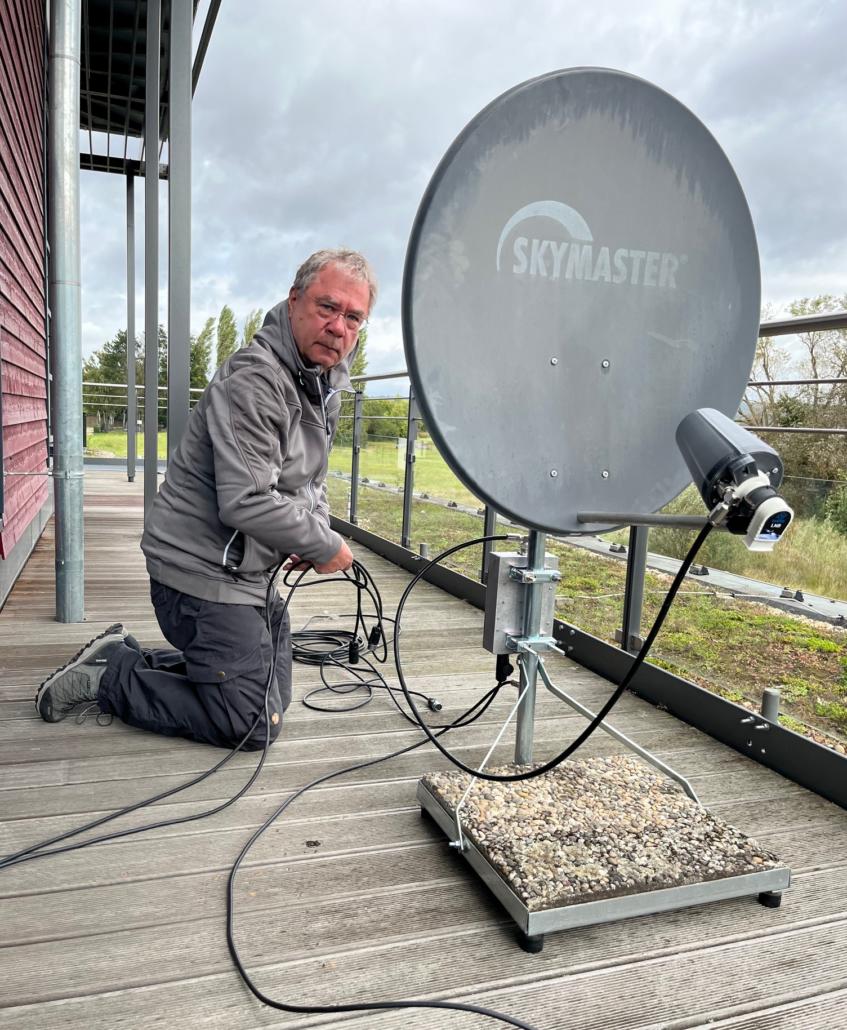
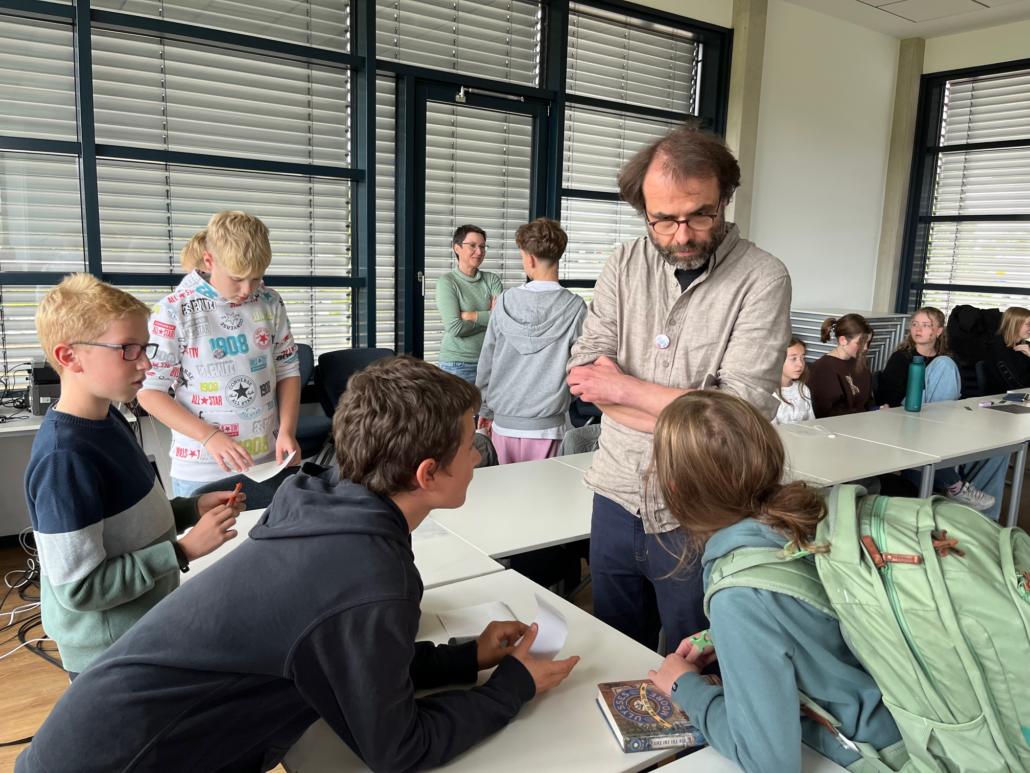
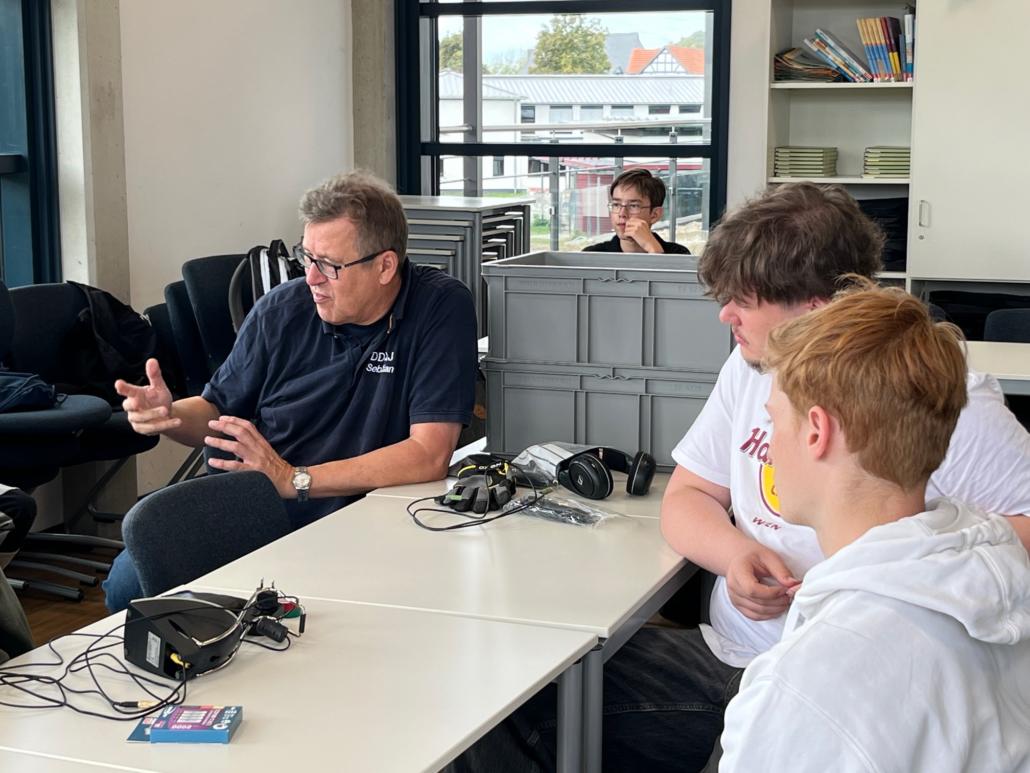
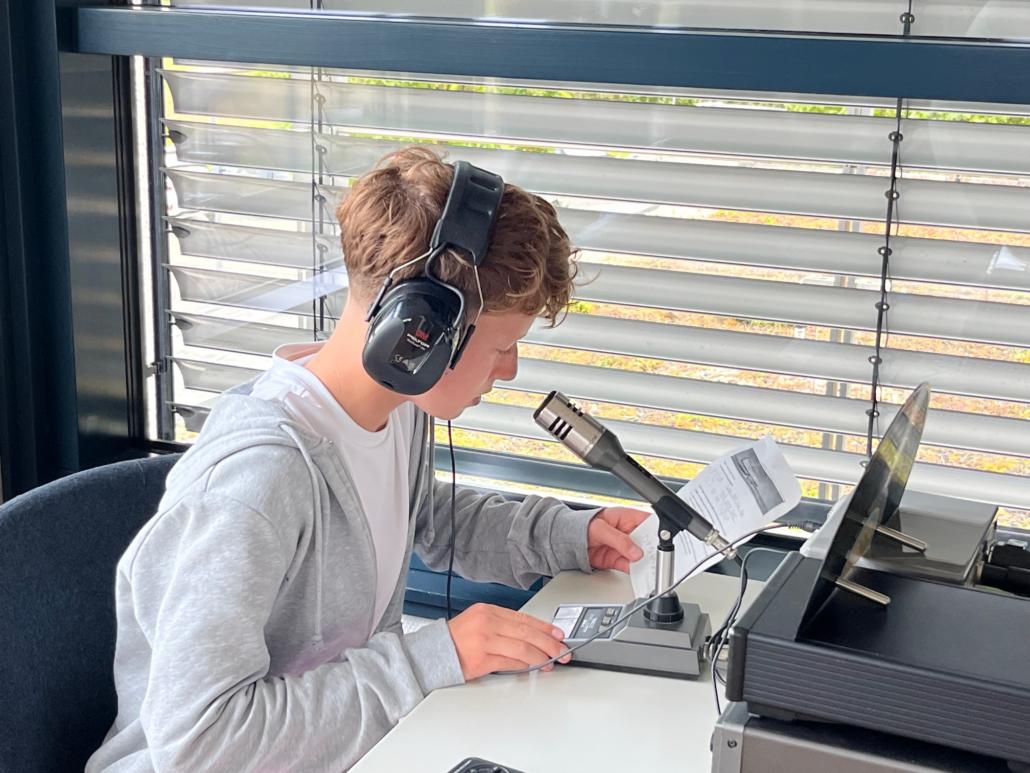
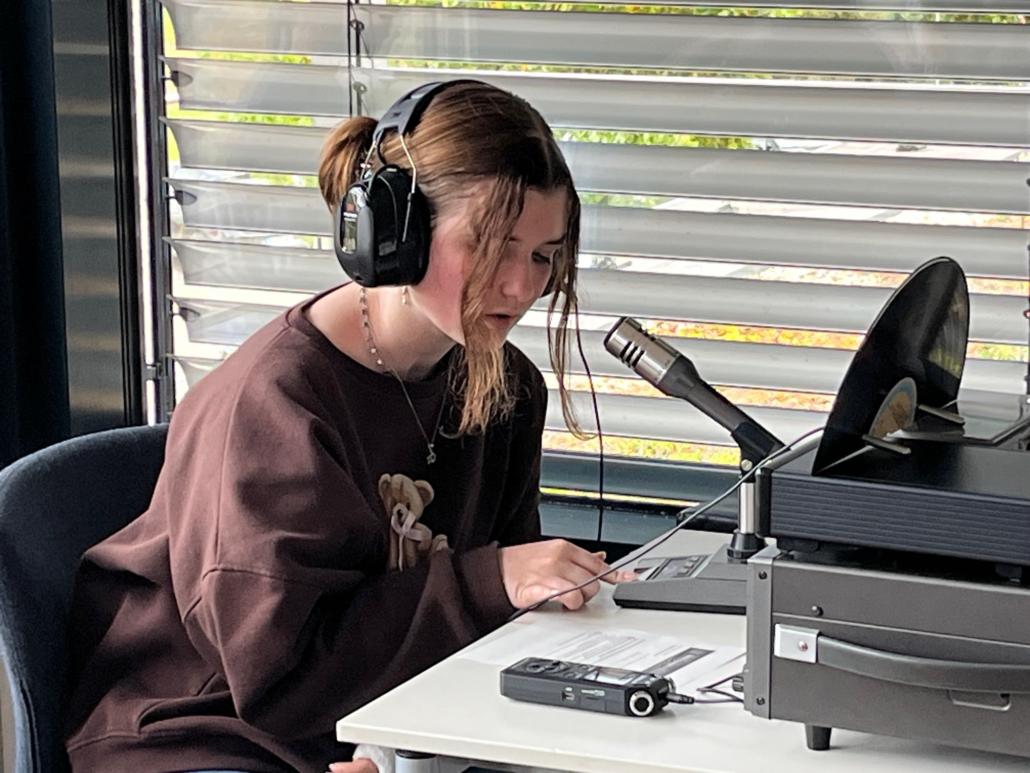
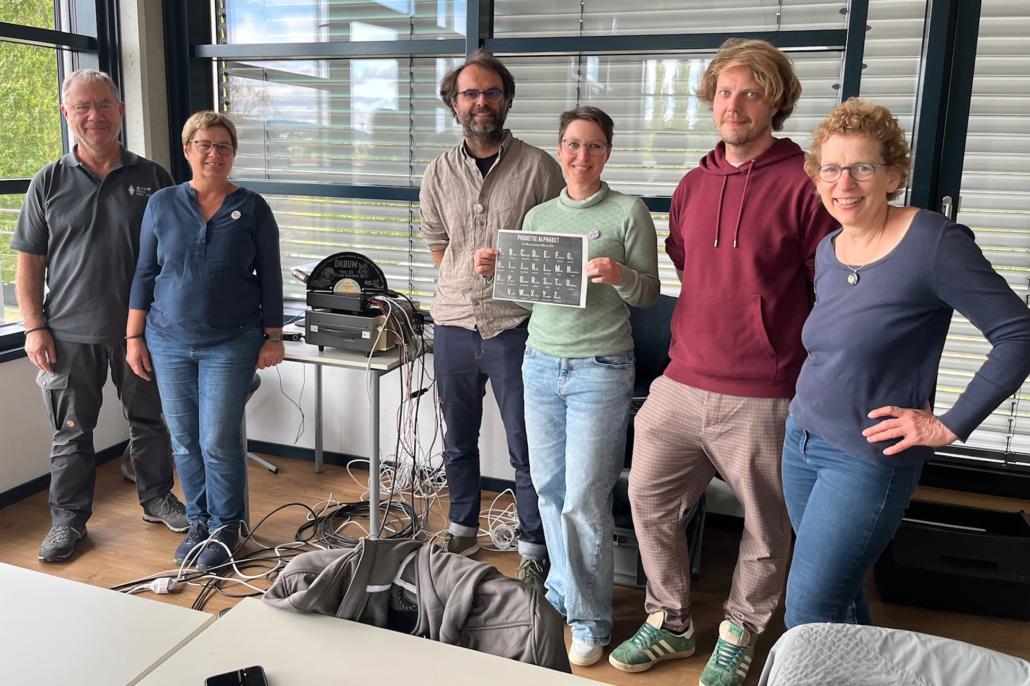
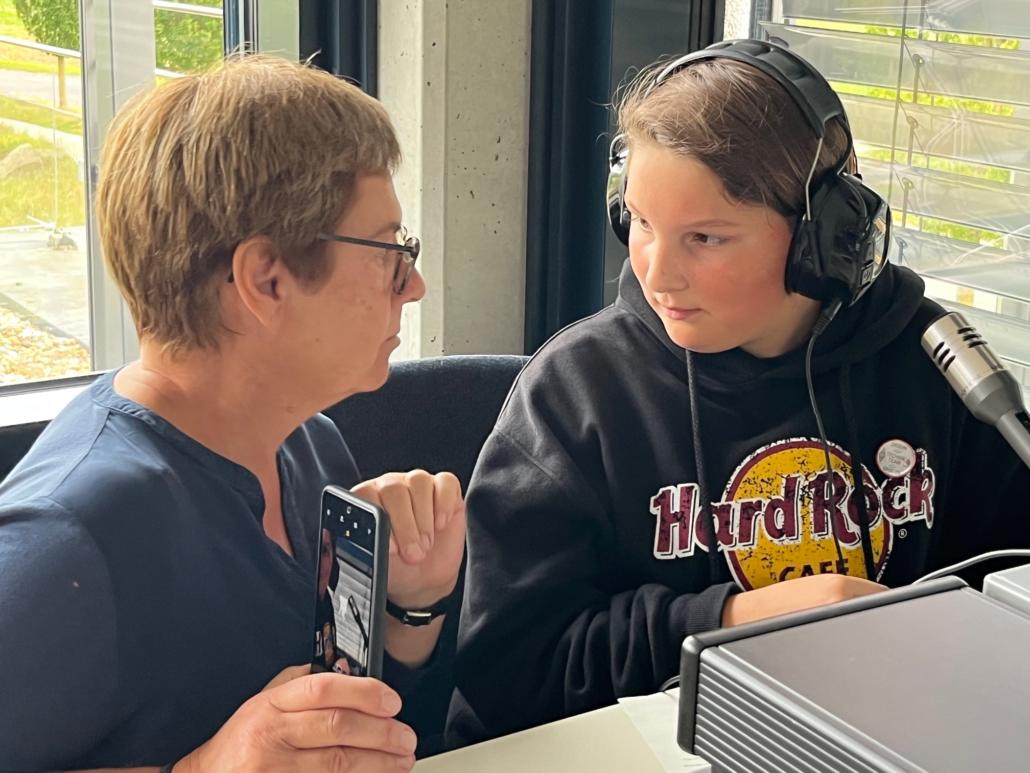
One thing is clear: It’s not every day that you can establish radio contact with the South Pole. When the opportunity arose on September 24, many students at Steinmühle were thrilled to speak with the Neumayer III research station in the Antarctic ice. Establishing contact with the crew and receiving their answers to various questions from Steinmühle was made possible by technical support from the German Amateur Radio Club (DARC), by working out questions for the scientists together with the STEM teachers at Steinmühle, and by maintaining discipline during the radio communication. After all, just saying something casual into the microphone isn’t enough.
A Quick Introduction to the Basics of Radio Communication
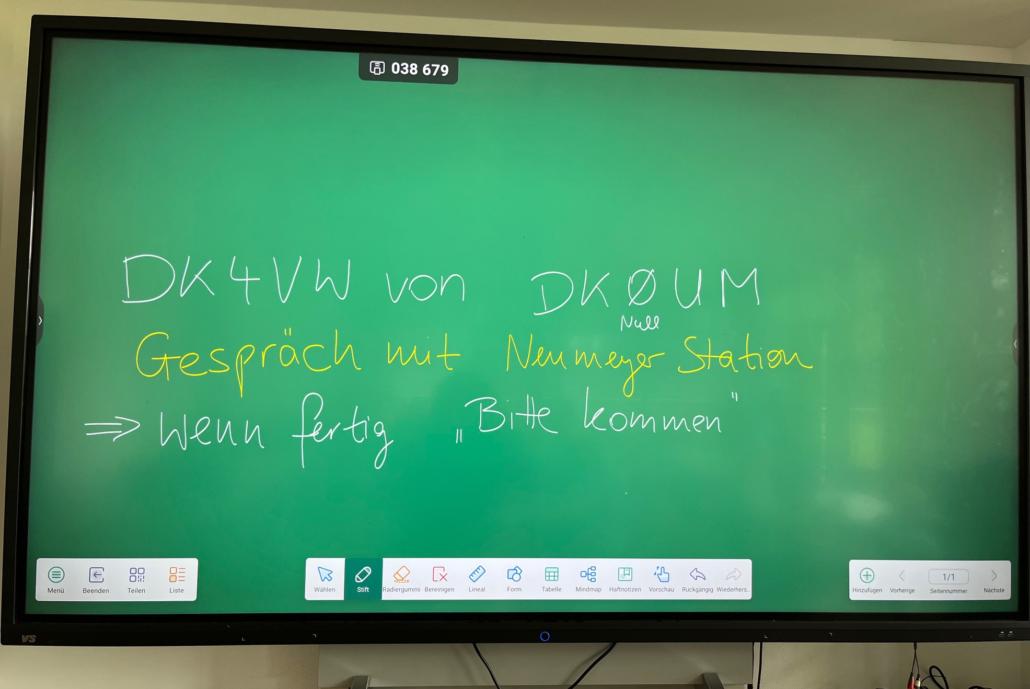
Under expert guidance, the task was to familiarize oneself with the radio alphabet, recite the call sign of the other station, and then state one’s own call sign. Each sentence had to end with “come,” which signals to the other party that you are finished. “Over and out” ends the conversation completely.
Research findings of global interest
To be able to hear the scientists’ answers to the questions posed by the Steinmühlen students, discipline and keeping one’s own voice down were helpful. Just imagine: Nine people are located about 12,000 kilometers away in the Southern Ocean, at a research station built on stilts. And beneath them lies 200 meters of ice. They are experts in various fields, such as meteorology, geophysics, climate research, and biology. Their tasks include Earth observation, radiation measurement, and climate research using data, temperatures, and time series. These are the issues of our time.
Many questions were on people’s minds
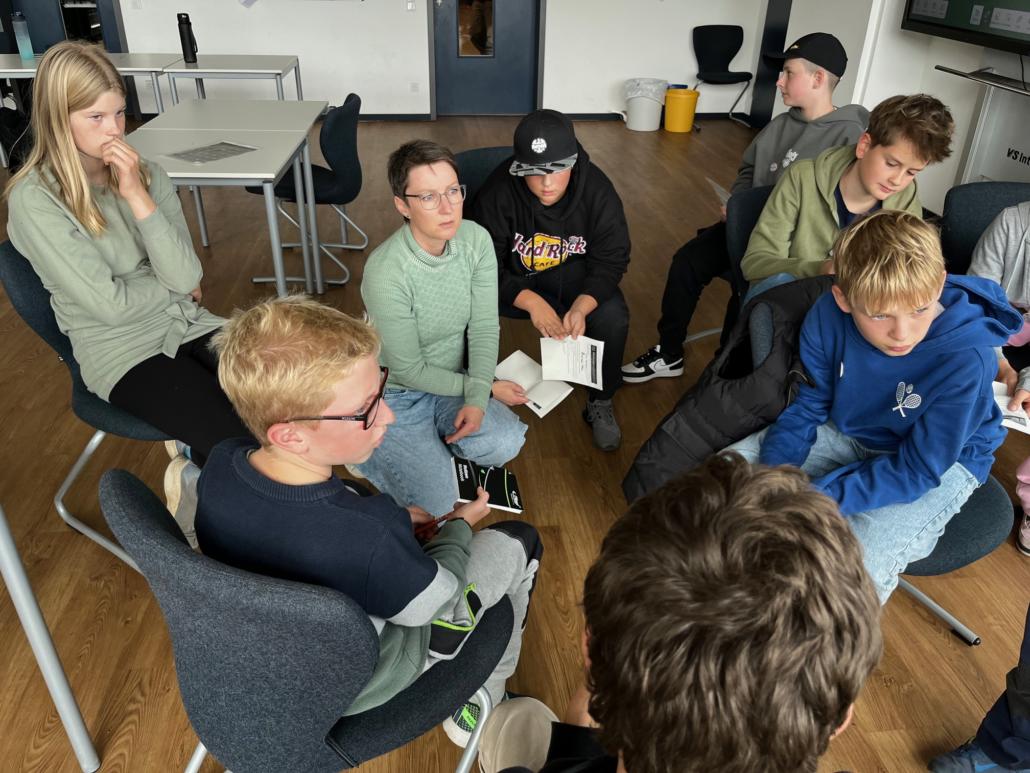
“Hello, Luna,” came the greeting back over the airwaves. When it became clear that radio contact was working, excitement mounted once again. There was a barrage of questions: what data is collected on glacier movements and ice thickness, how energy is generated at the station, whether there’s cell service on site, whether penguins are also being studied, where wastewater is discharged, and much more.
What is life like in isolation?
But the students also had personal questions for the team. “How are you coping with the isolation? How do you take care of yourselves? What do you eat? What do you do in your free time? And how do you stay warm?” Given the outside temperature of around minus 40 degrees Celsius, that’s a valid question. The team, which included a doctor, explained their daily routine, which each member could tailor within certain limits—“…with puzzles, on the rowing machine, or on the treadmill, for example.” No, there isn’t really a big Christmas spirit; much of it comes down to individual preferences. Fortunately, however, they’ve had internet for the past three years through the provider Starlink, which brings high-speed connectivity even to remote corners of the world—enabling not only communication but also the ability to watch the occasional video.
150 meters per year toward the ice edge
Returning to civilization after months of research can also be challenging. However, the projects, research, and findings make up for the very unique life at the research station, which must be raised regularly to prevent it from sinking into the ice. The station, operated by the Alfred Wegener Institute in Bremerhaven and which moves 150 meters closer to the ice edge every year, is currently located 10 kilometers away from it. The current team has been on site since November 2024 and will begin their journey home by plane—the same aircraft used to deliver supplies once a year—this coming December.
More opportunities than in Germany
When asked why someone would subject themselves to these unconventional working conditions for such a long time, there is one answer that researchers are likely to understand particularly well: “I simply have more opportunities here than in Germany.”
“One of the best experiences I’ve ever had”
For the students, this radio contact with the Neumayer III research station in the Southern Ocean was undoubtedly the highlight of the year. This was evident from comments such as “One of the best experiences I’ve ever had.” The project was organized under the leadership of Steinmühlen teachers Malte Klimczak and Dr. Eva Neumann. Kudos for this extraordinary “journey”! A very heartfelt thank you also goes to Frank Riedel and Marina Meixner from the German Amateur Radio Club. Your dedication was outstanding and indispensable. Angela Heinemann
The following link provides insights into the conversations between students at Steinmühle and the scientists at the Neumayer III research station:
https://cloud.steinmuehle.info/s/tS4zQq3qRzogNXj