

A sport for those who prefer a more relaxed pace: Fencing builds coordination, dexterity, and strength
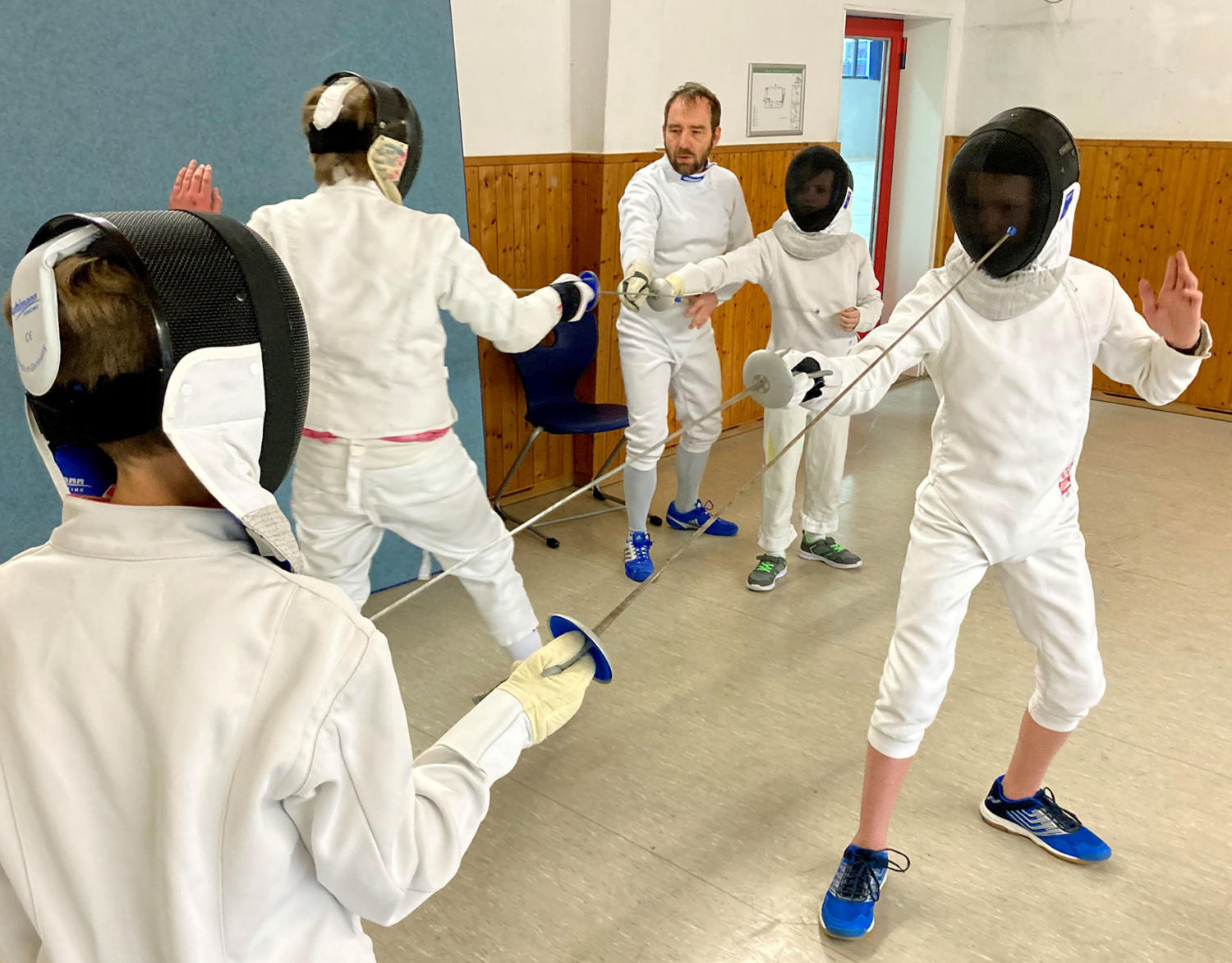
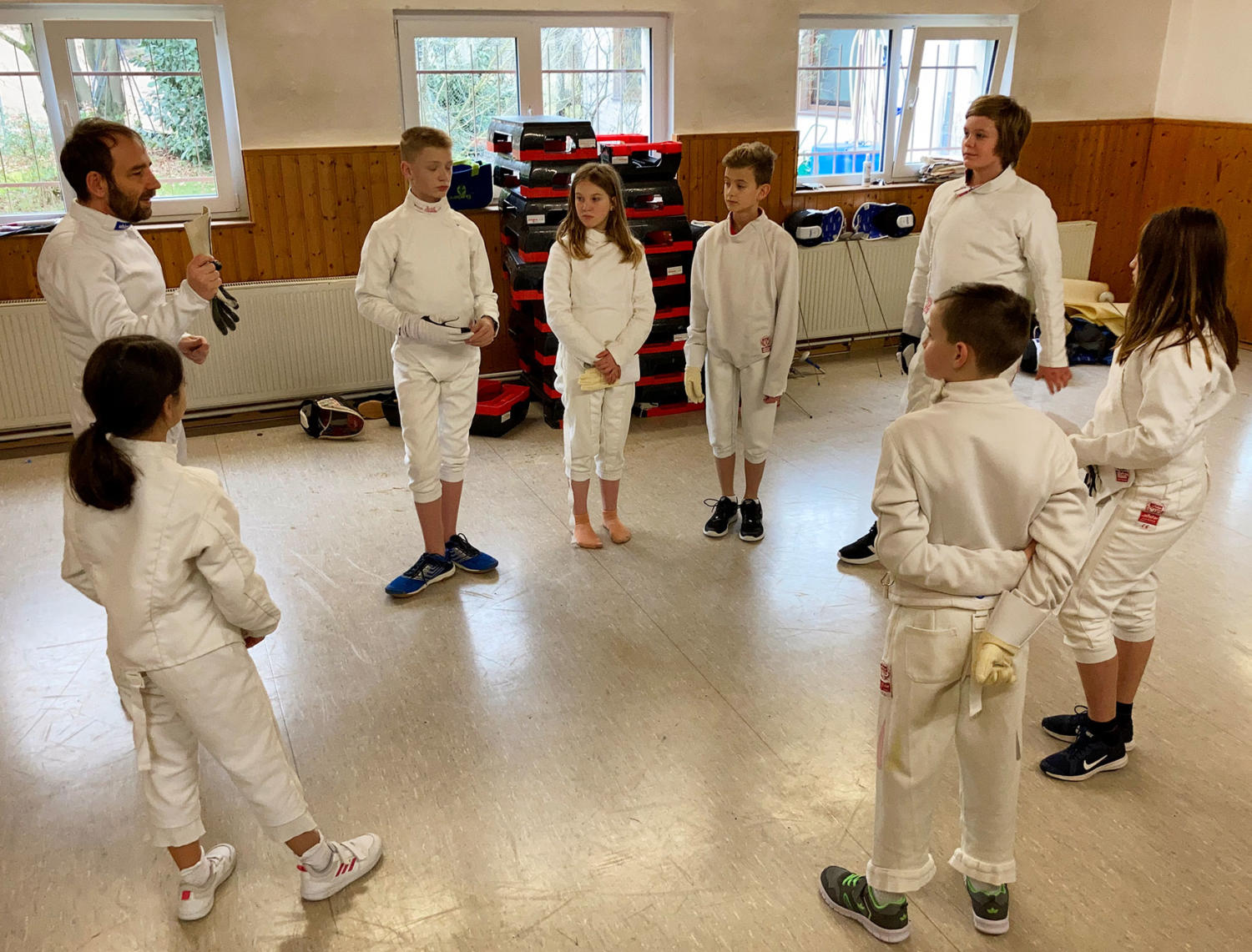
To get this out of the way: Statistically speaking, fewer accidents occur in fencing than in winter sports or soccer. As is so often the case, it all comes down to good training, the right equipment, and people who are eager to learn something from the ground up. All these criteria are met when Steinmühlen teacher Steffen Ullwer meets with a group of boys and girls every Wednesday for fencing lessons. The after-school club has been running since the start of the 2020–21 school year—though, unfortunately, it has been interrupted several times due to pandemic-related restrictions.
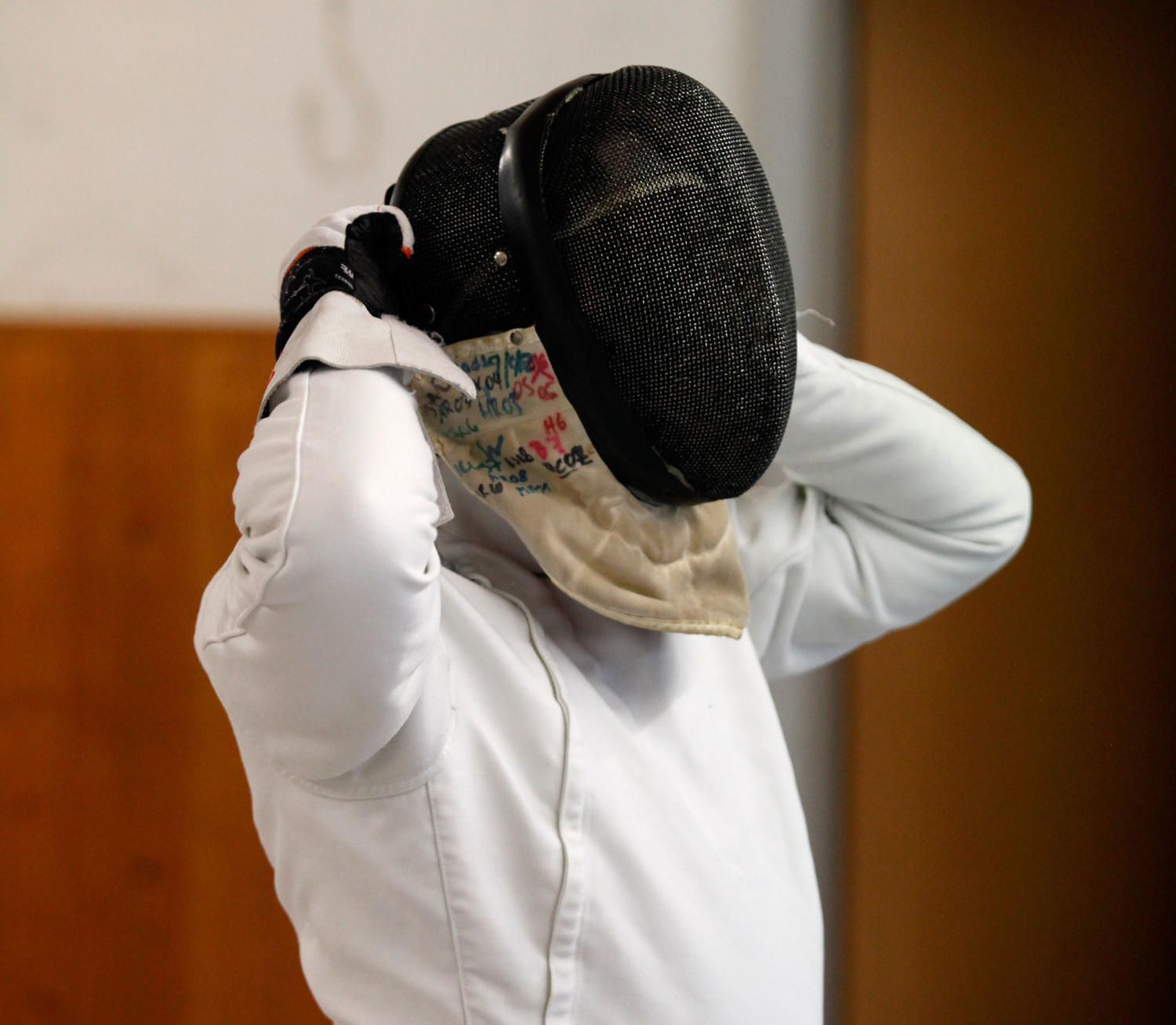
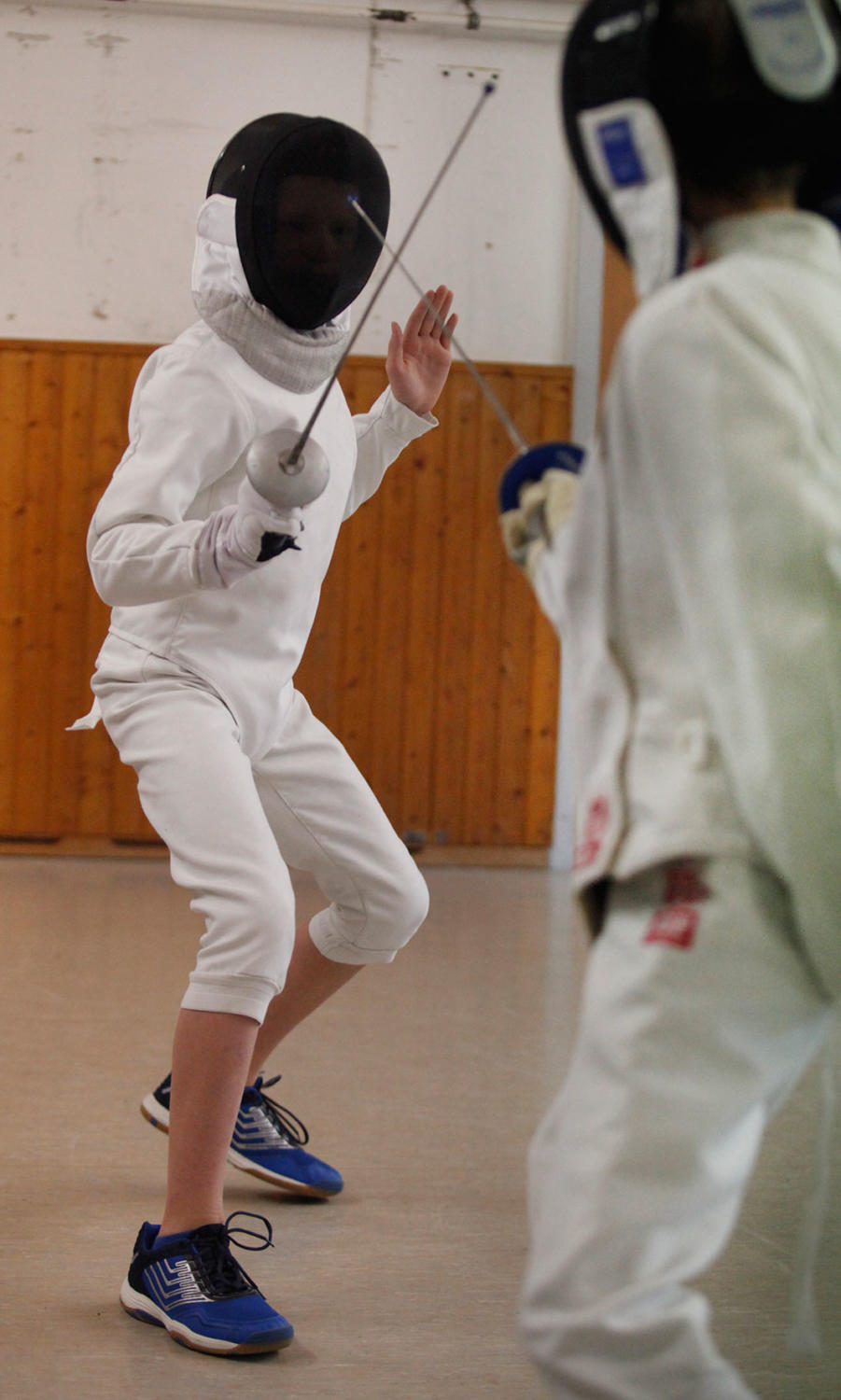
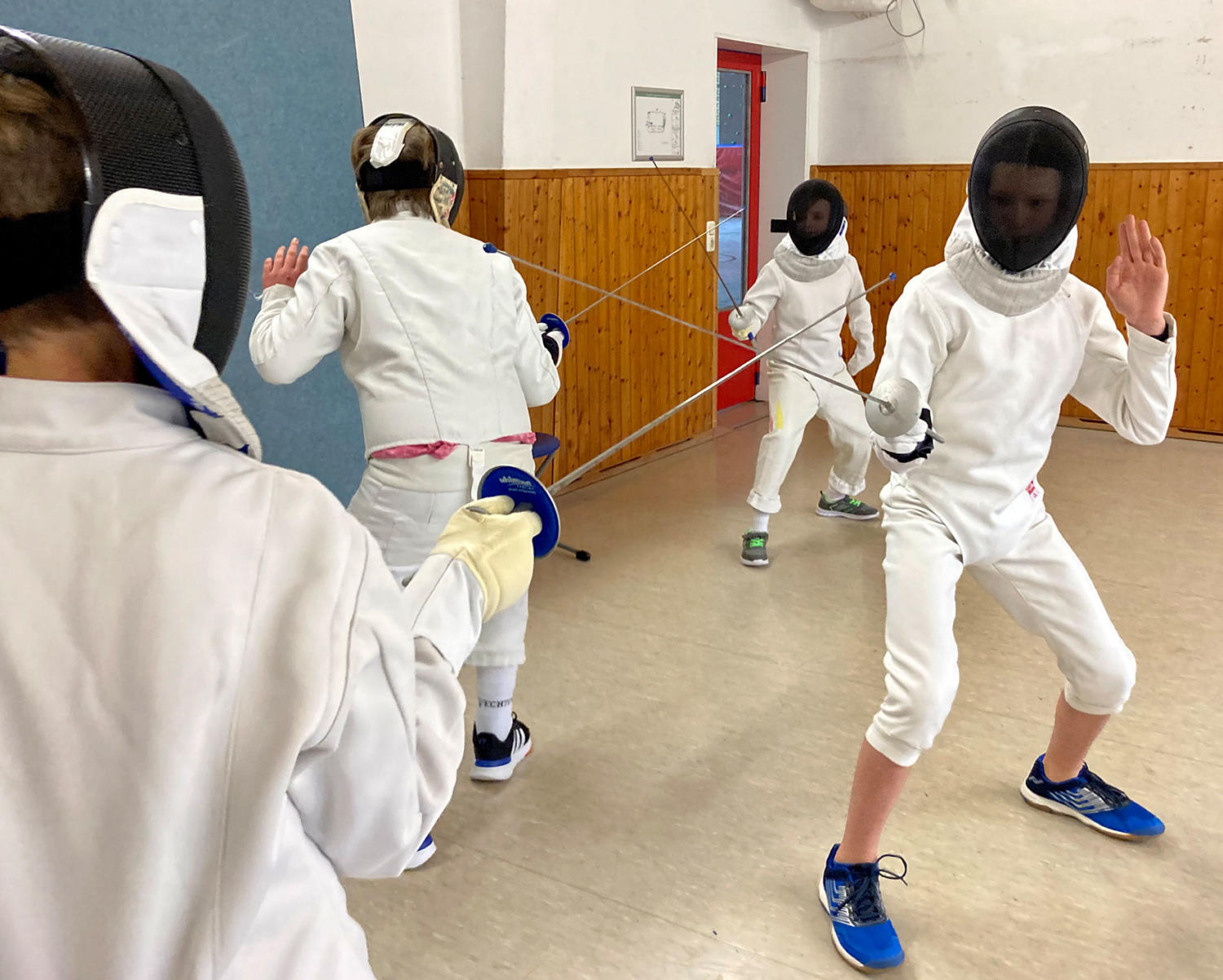
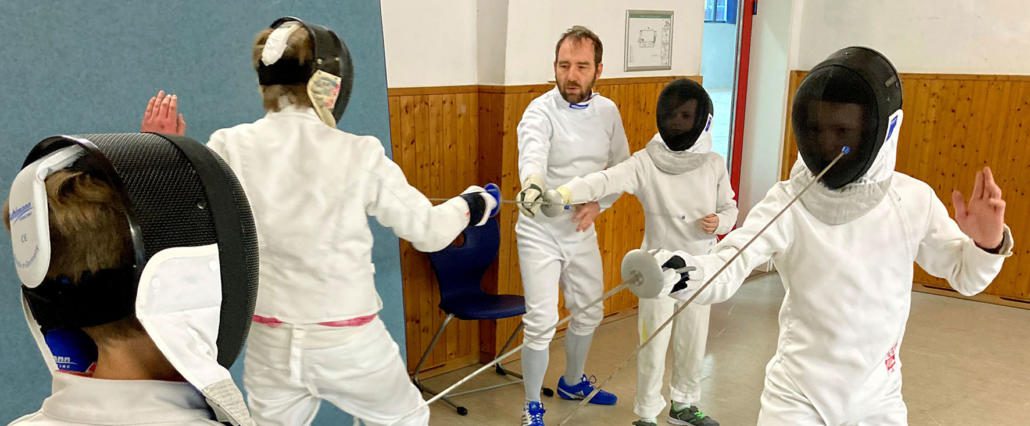
In the locker room, they swap their face masks for fencing masks. They quickly learn that “helmet” is the wrong word. The fencing mask is made of steel mesh and protects against blows and strikes. They put on their white protective suits—and off they go. A maximum of 8 students can participate in each group to learn how to use the foil. Currently, participants in grades 5 and 6 are training.
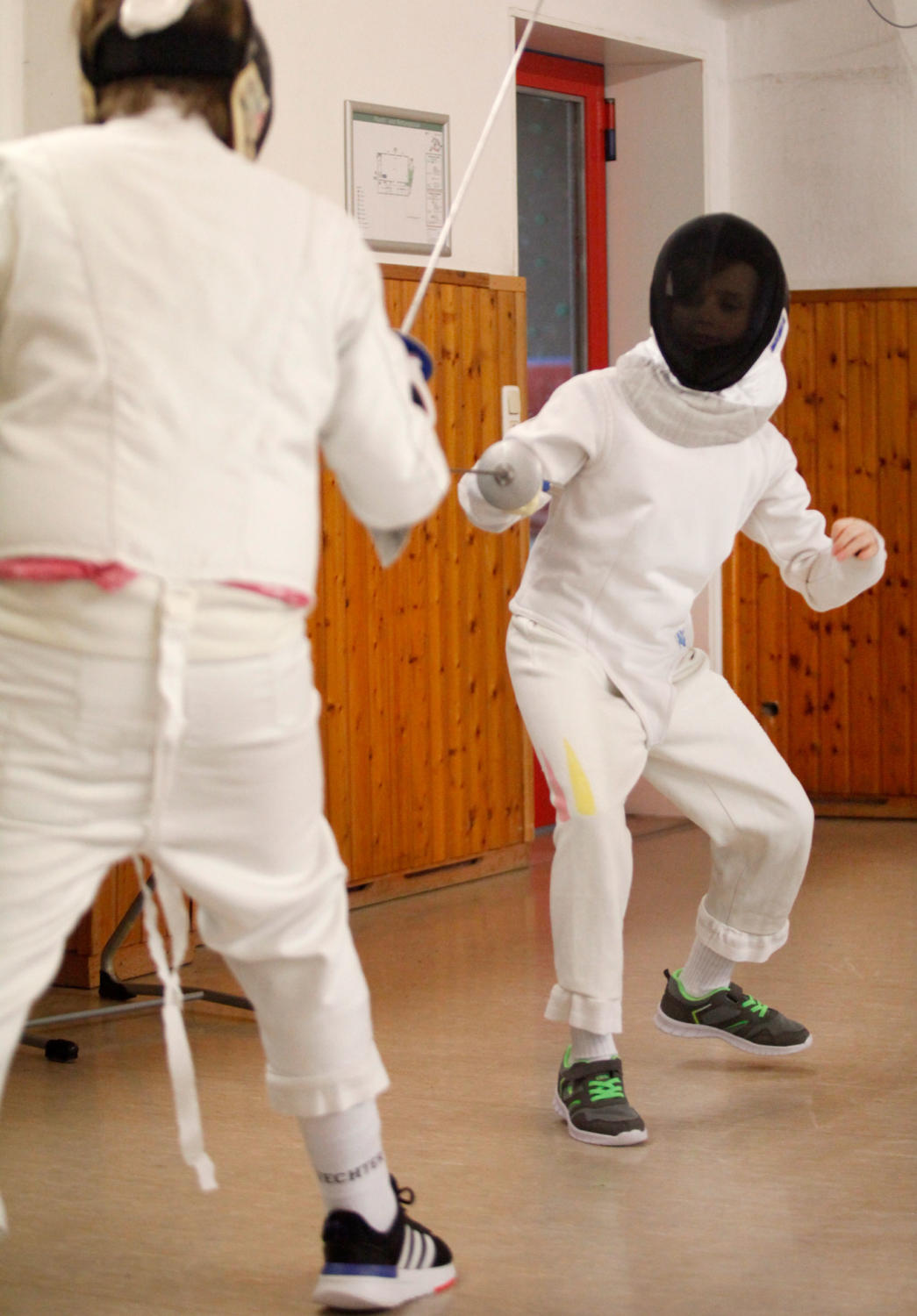
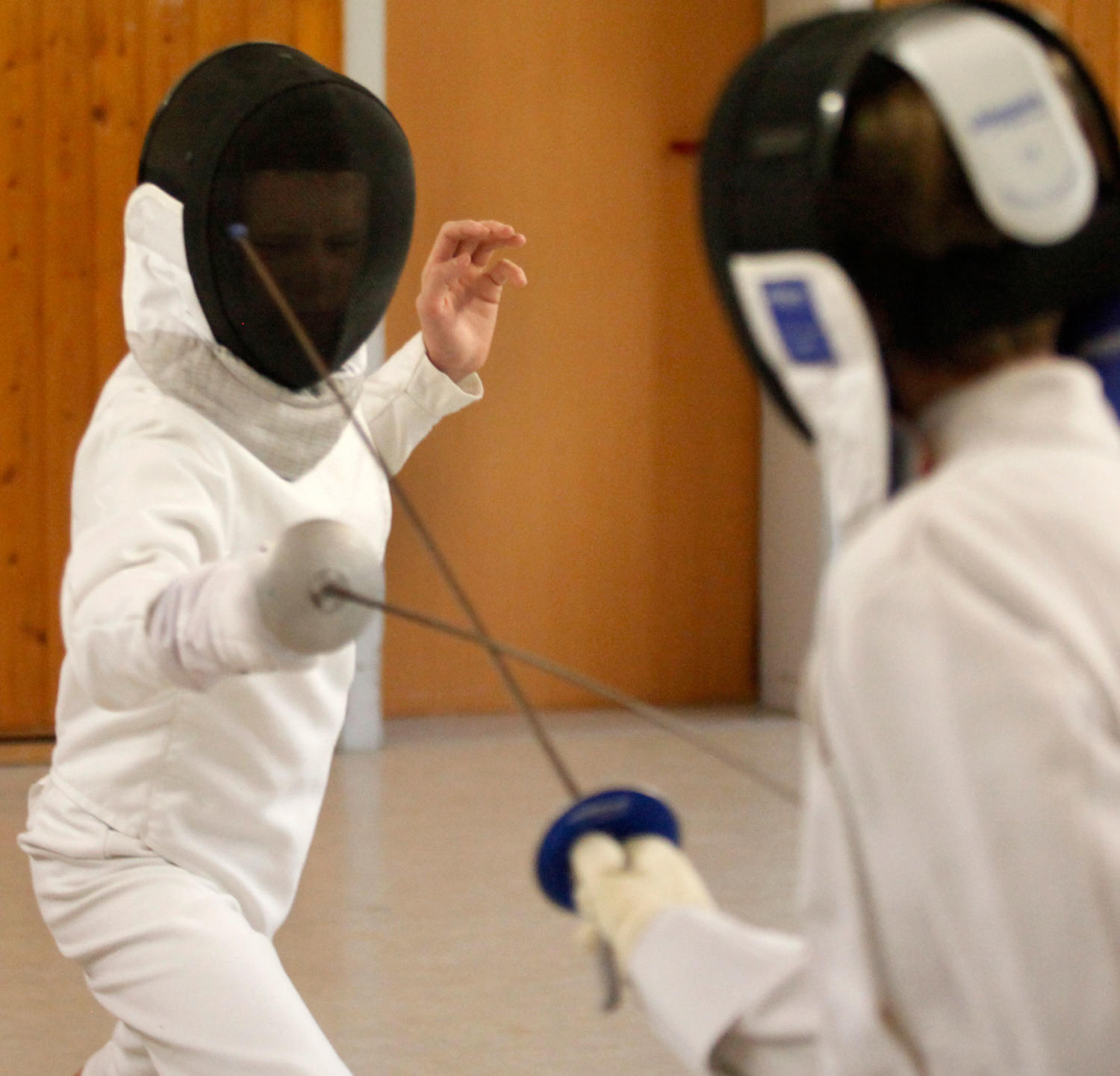
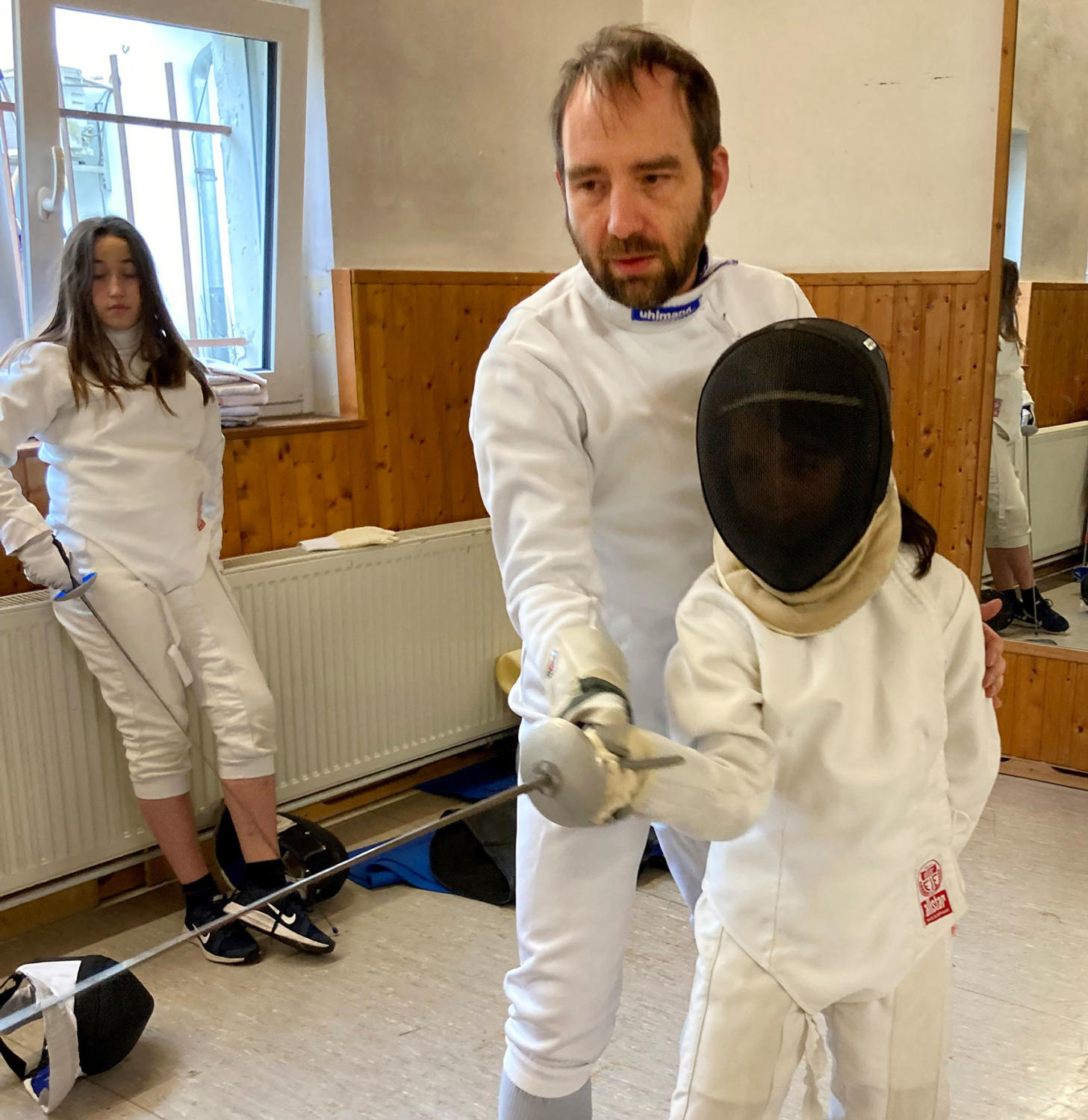
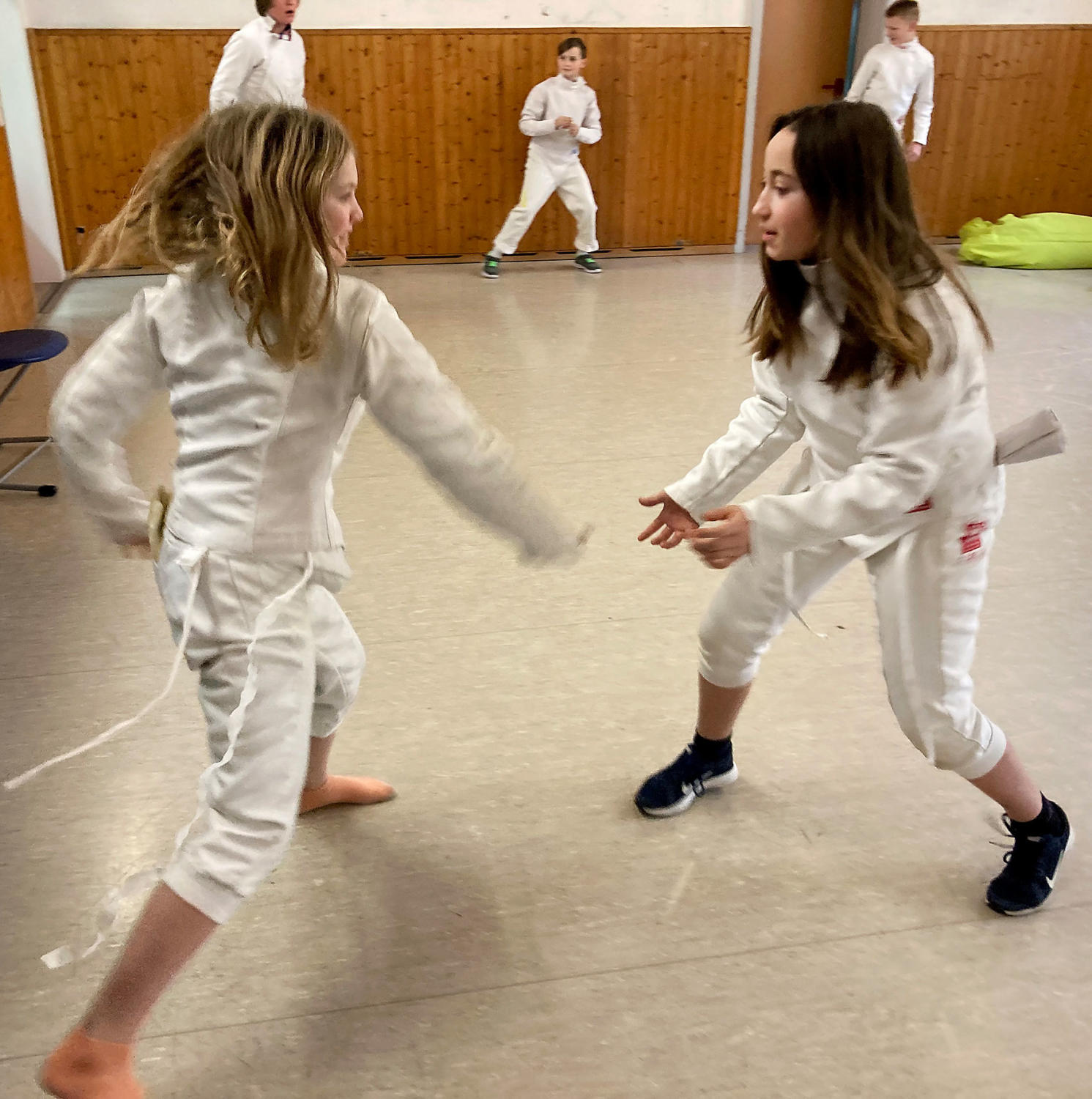
The foil is a thrusting weapon. At first, it takes some effort to use it and aim where you’re supposed to. The only valid target area is your opponent’s torso. Not the head, not the arms, not the legs. “Go ahead, it won’t hurt me.” Steffen Ullwer encourages the student to use the foil. A correct stance is important, as is good posture. By stepping forward with the front leg and extending the back leg, you close in on your opponent. This “lunge” must be executed perfectly. Once you’ve had some practice, the goal is to identify your opponent’s weaknesses. This can be done with feints—a threatening move, such as extending your arm, that isn’t followed by a thrust. Instead, your opponent’s defensive reaction opens up a new opportunity to attack. This time, you take advantage of it.
Fencing has several physical benefits. The sport strengthens the muscles and the cardiovascular system and is beneficial for the nervous system and concentration. It is said that those who fence develop physical strength, speed, agility, quick reflexes, as well as alertness and decisiveness.
Steffen Ullwer, the coach, is an experienced fencer. A math and physics teacher at Steinmühle, he has been involved in the sport since the age of 7, thanks to his father. He also coaches adults in the fencing division of VfL Marburg 1860.
“Fencing is a sport for the more calm-natured,” says Ullwer. Anyone looking to improve their coordination is in good hands here. Steffen Ullwer makes sure that beginners perform their first fencing movements with the right equipment. The foil used in the club—which is also available in a smaller version for younger participants—has blades made of flexible, rust-resistant steel. A fencing glove and a pair of fencing socks round out the equipment.
In the second semester of the 2021–22 school year, the fencing club will meet on Wednesdays. Until now, the club has met on Mondays. For any questions about fencing or what equipment is available, please contact teacher Steffen Ullwer (steffen.ullwer@steinmuehle.net).