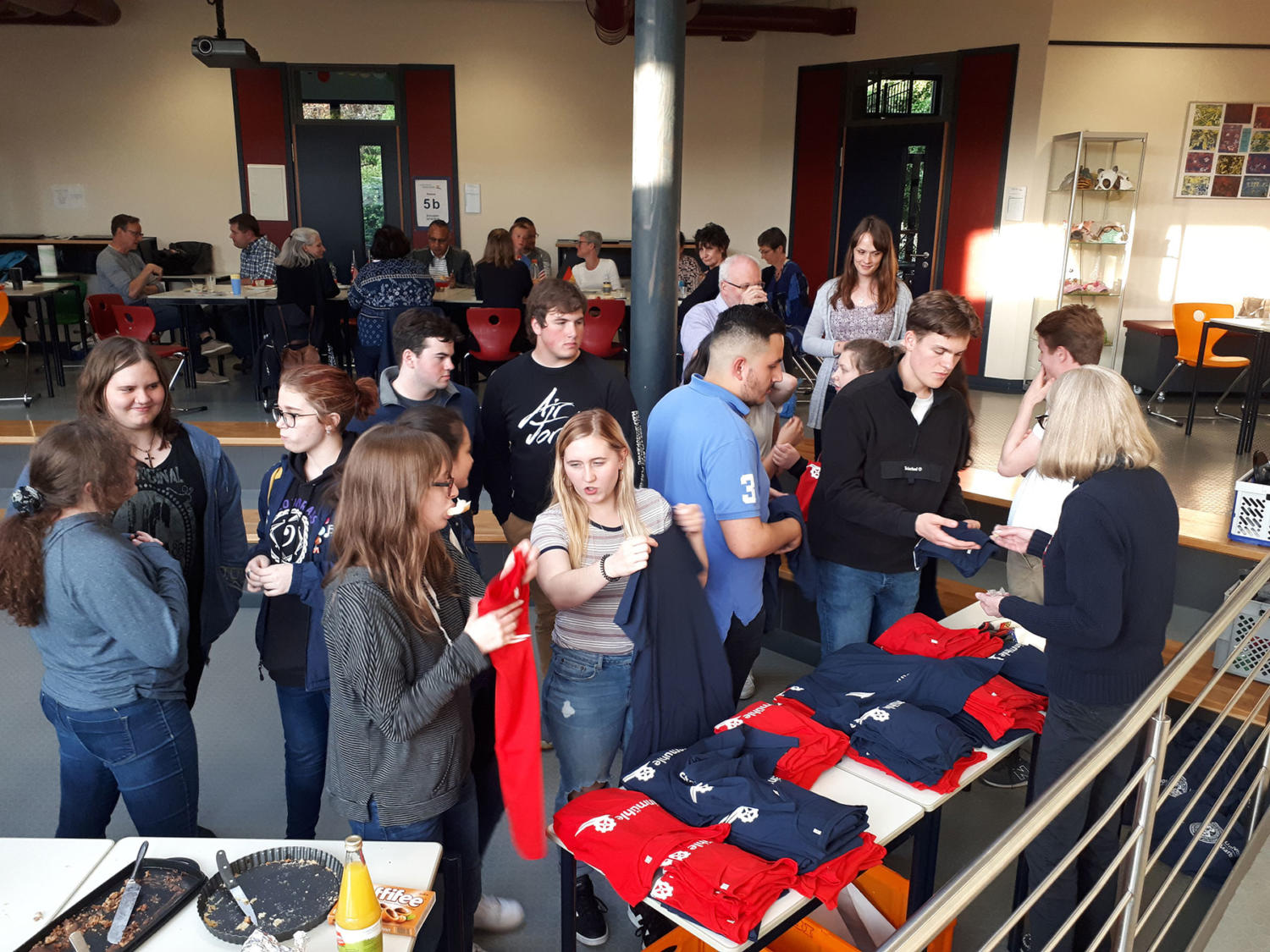
The Steinmühle boarding school community got off to a great start in the new 2019/2020 school year: The first week of school went well, and now it’s finally time for the house trips.

The first boarding school weekend of the school year is traditionally dedicated to building community and fostering teamwork within the house groups. It’s simply a matter of stepping off campus on purpose to get to know the new residential community better in a small group setting. Each residential team finds a suitable location for its students to participate in activities together that help transform a group of people—some of whom are still strangers to one another—into a cohesive residential community. During this weekend, academic pressure is deliberately set aside, with the focus instead on the joy of being together.

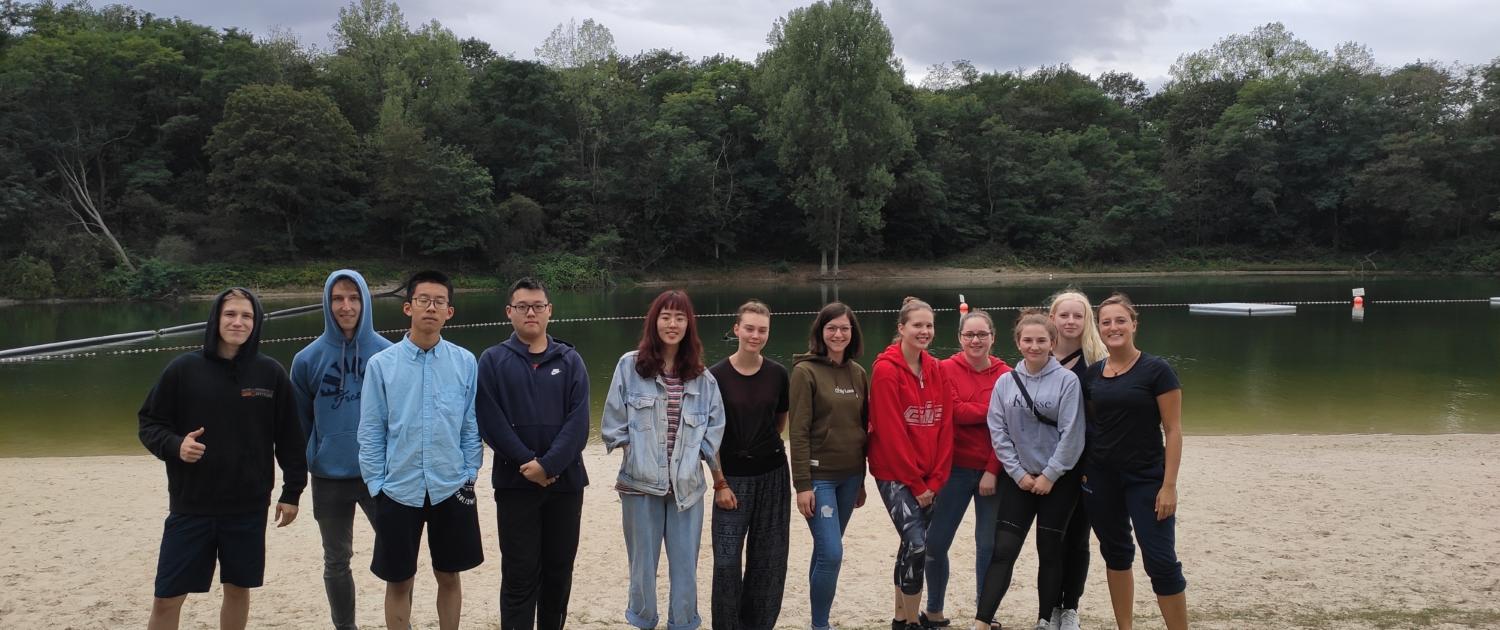
And so, last weekend, the six separate residential groups set out on short trips to various destinations across Germany.

A Wild Roller-Coaster Ride with the Biohaus at Europa-Park in Rust

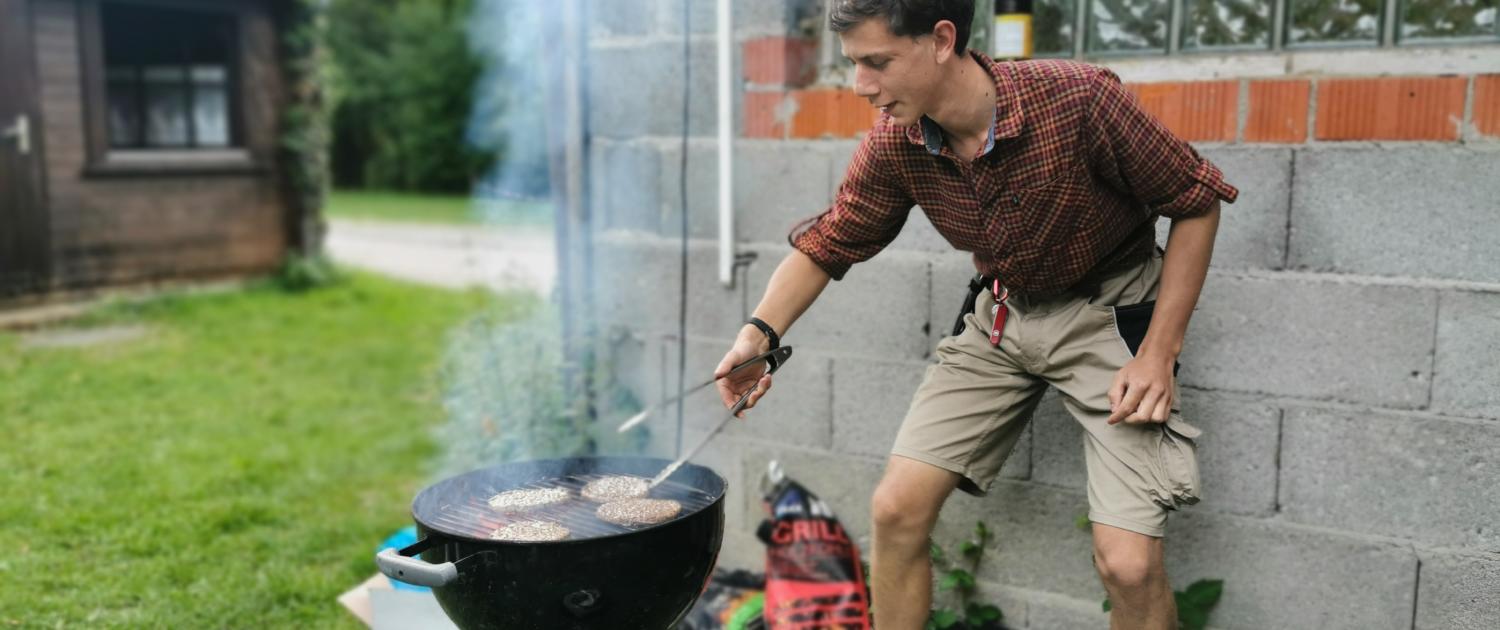
The Biohaus organized an adventure-filled weekend at Europa-Park in Rust for the boarding school’s youngest students. On the border with France, the residential group camped right outside the park’s gates with a view of the various attractions. The students were already looking forward to the weekend on the day they arrived, enjoying a barbecue with a panoramic view of the park. On Saturday, the big day finally arrived: With perfect weather, they made the most of the roller coasters and shows, and in the evening, they wrapped up their action-packed day with a relaxing meal at a restaurant.

Ladies in Schöningen: Hessenhaus Takes a Stroll Through the City Galerie

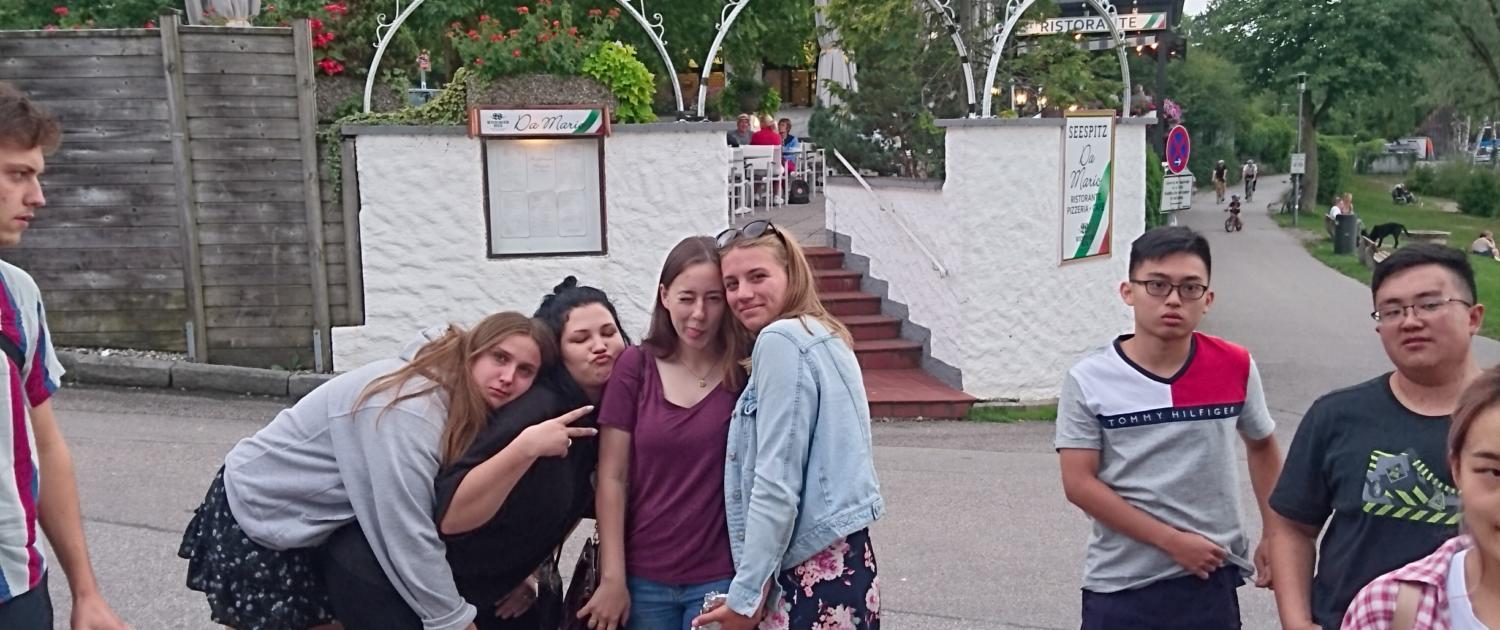
The residential group, now under new educational leadership, settled in comfortably in Schöningen, on the border with Saxony-Anhalt. The newly formed Hessenhaus is once again an all-girls residential group this school year. What could have been better than a weekend of shopping at the City Galerie in Wolfsburg, followed by pizza and a movie to round off the weekend together?

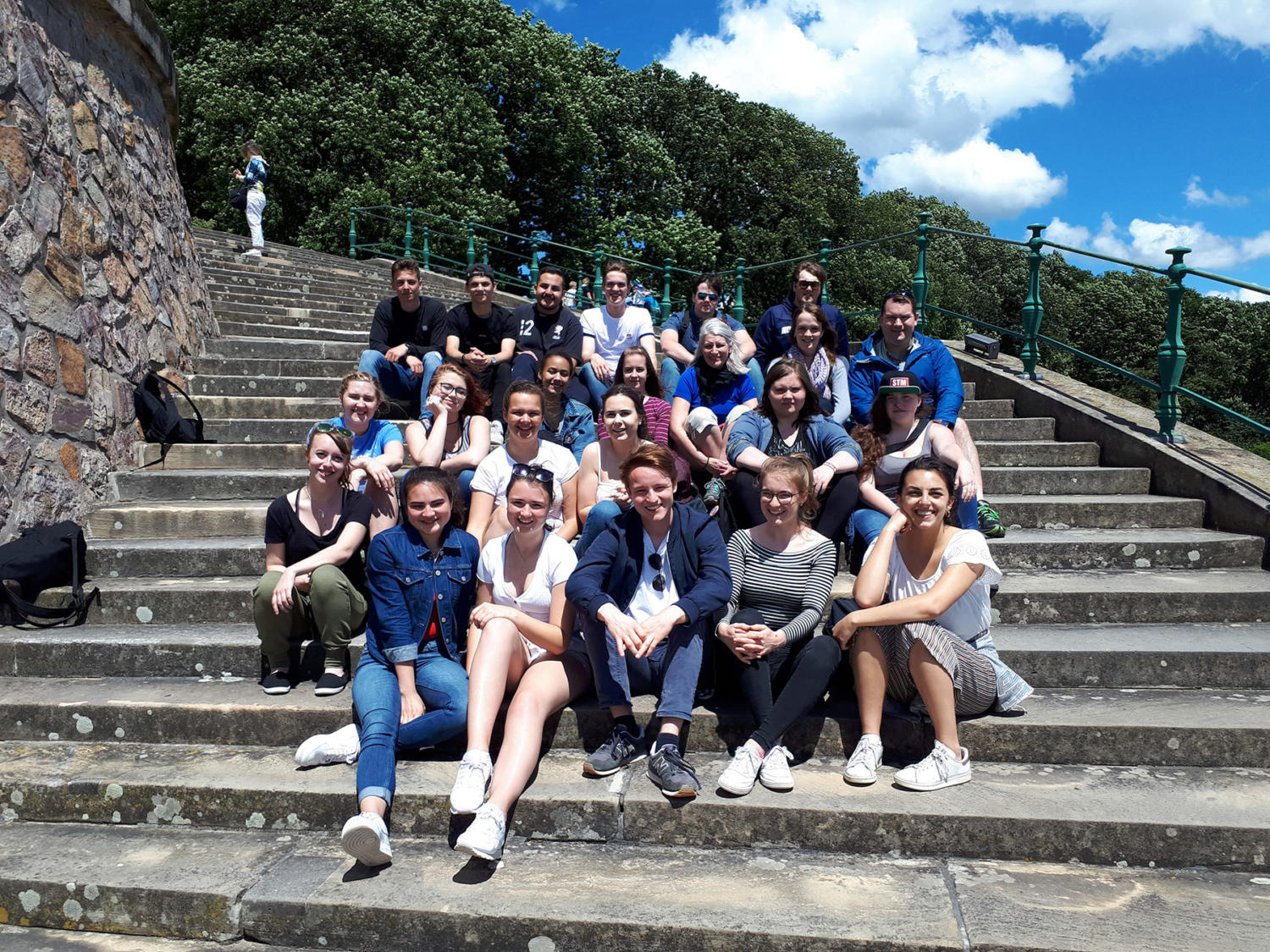
Culture and Leisure: Mühle Enjoys Heidelberg’s Rich Cultural Heritage

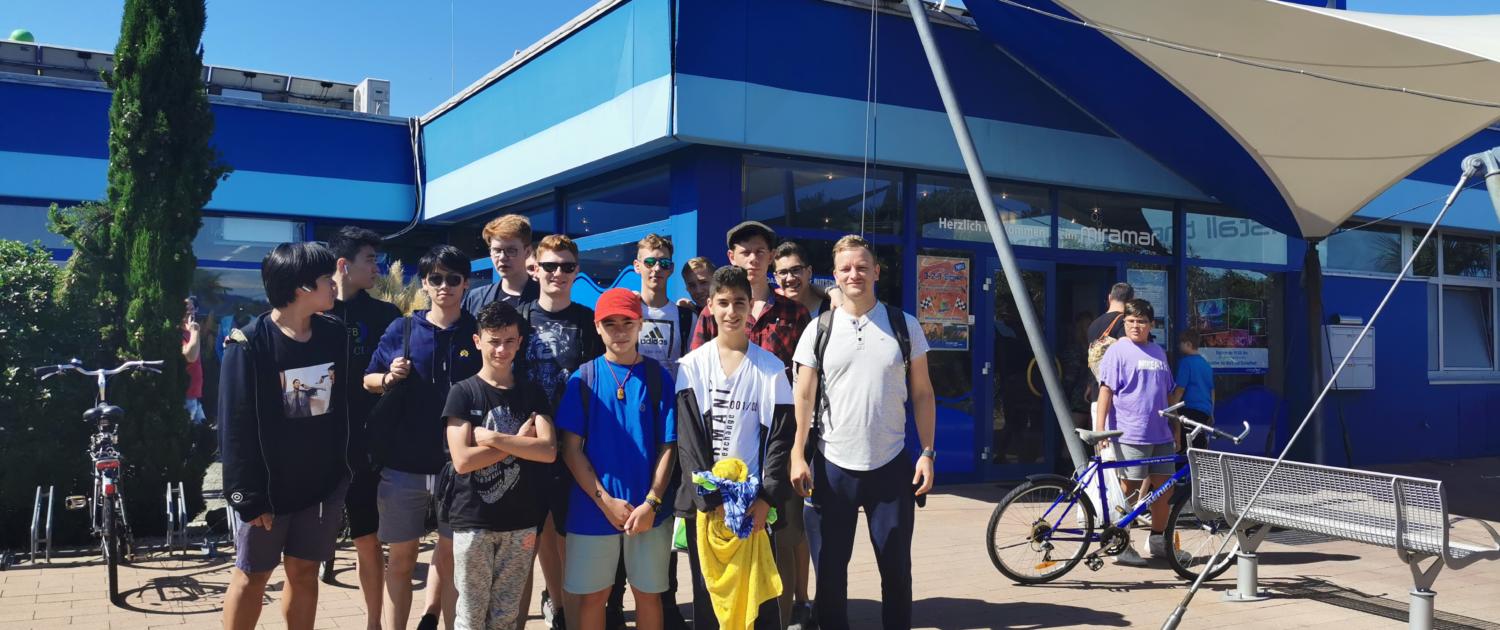
The residents of the Mühle first enjoyed the beautiful view from Heidelberg Castle of the sunny Neckar Valley before strolling together through the streets of the Old Town and shopping to their hearts’ content. And to make sure the boys from the Mühle were thoroughly exhausted after such a weekend, they headed back to the Miramar swimming pool on Sunday. Every slide fan got their fill here: the Hurricane Loop and the Typhoon Slide gave the Mühle boys one last serious adrenaline rush before they headed back to the boarding school grounds.

The Steinmühle’s roller-coaster ride continues: Its flagship location at Phantasialand

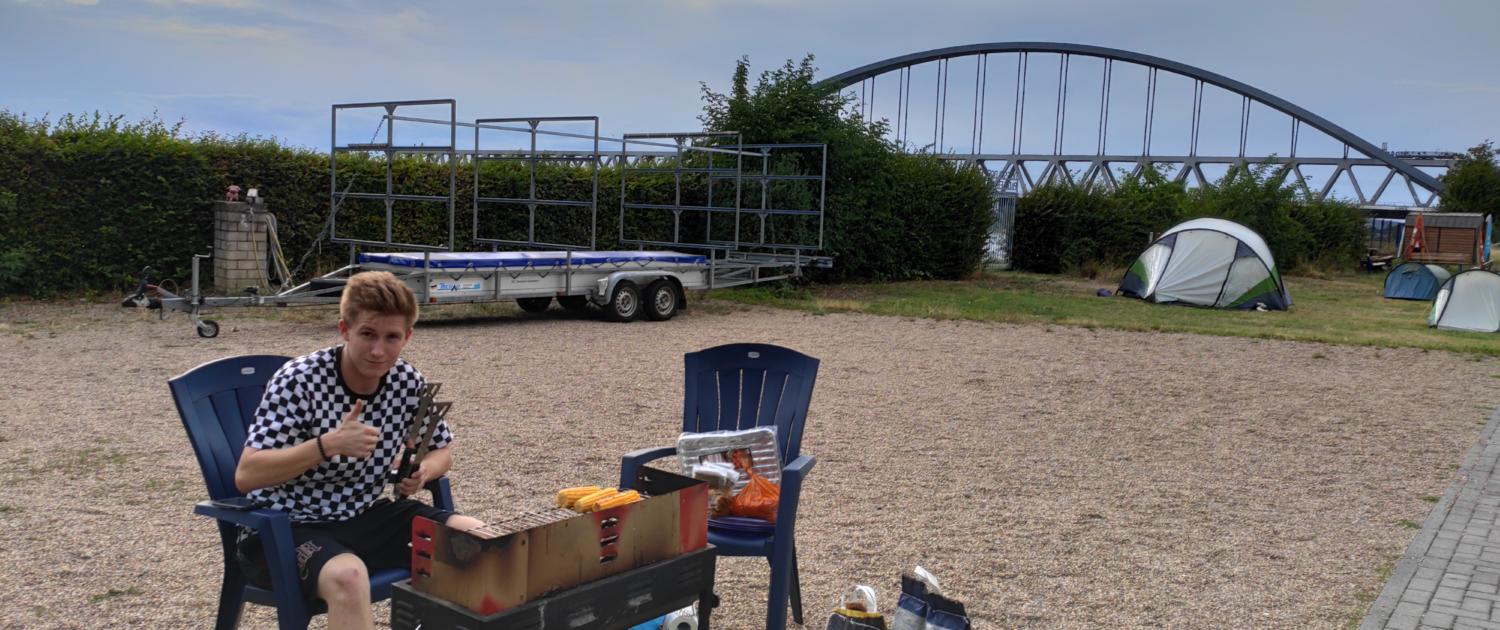
The main group had a blast at Phantasialand near Cologne in perfect weather and threw themselves into the thrilling rides. After all the thrills and excitement of the day, the group relaxed at the campground at Rhine kilometer 681. Barbecuing right on the picturesque banks of the Rhine, students and teachers alike were able to enjoy the weekend as the sun set.

Ammersee and Andechs Abbey for the Westfalenhaus

When boarding schools support and cooperate with one another, something wonderful can happen: Landheim Schondorf gave the nearly 30 students and teachers from Westfalenhaus the opportunity to stay overnight free of charge in the beautiful facilities of the Upper Bavarian boarding school. As a result, the soon-to-be high school graduates from Steinmühle were able to spend a lovely weekend on Lake Ammersee and enjoy a cozy dinner and drinks in the evenings at Andechs Abbey.

Team-Building on a Raft at the Bremerhaus

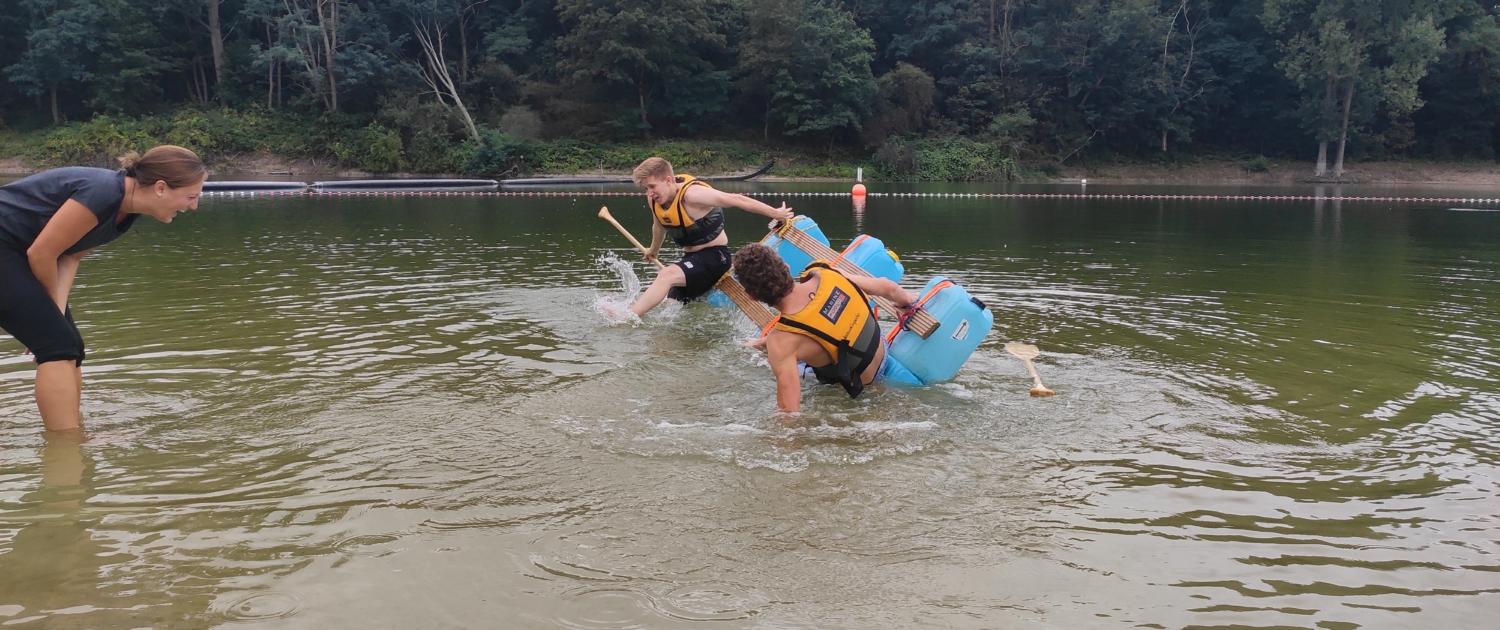
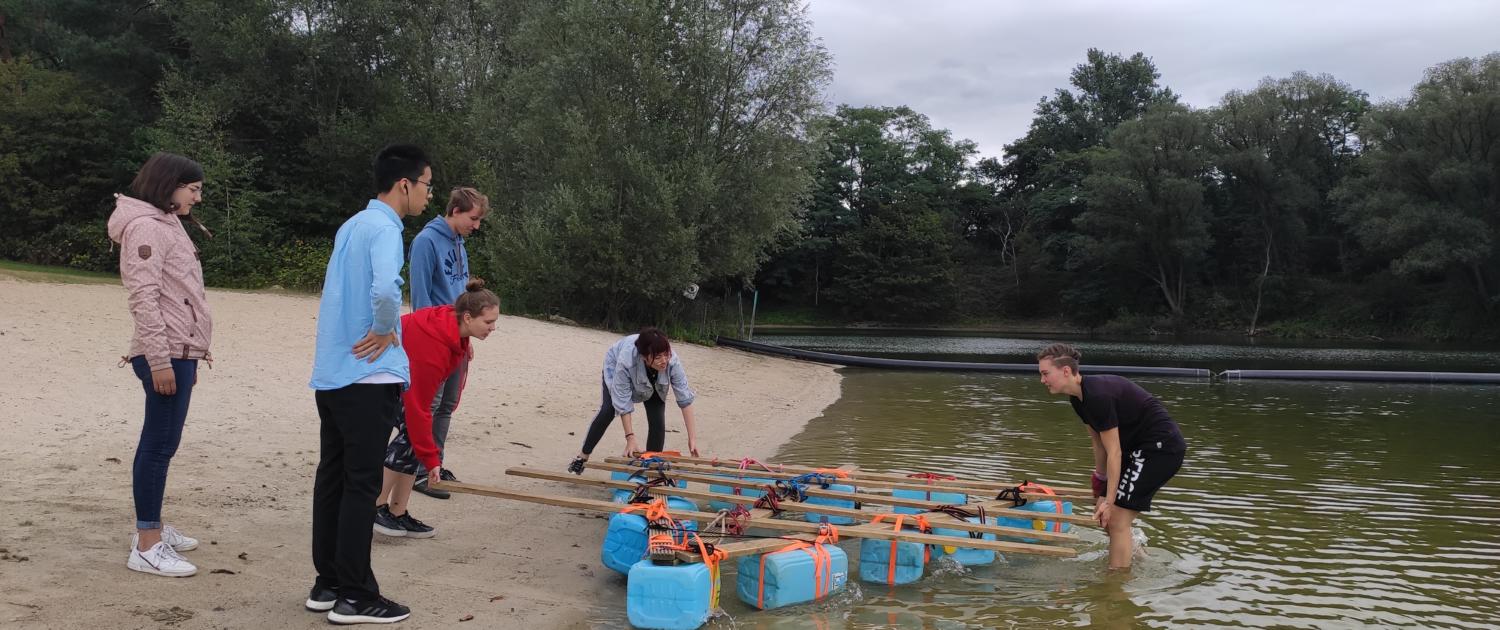
The Bremerhaus, a brand-new residential group under new educational leadership, came together for the raft-building project at the Vingst outdoor natural swimming pool in Cologne. While the group had fought fiercely during the day to build the best—and above all, the most stable—raft, by evening all rivalries were forgotten: And so, during a cozy barbecue at the Germania Rowing Club’s facility in Düsseldorf, they laughed late into the night over the most spectacular (water) stories in the best Rhineland tradition.
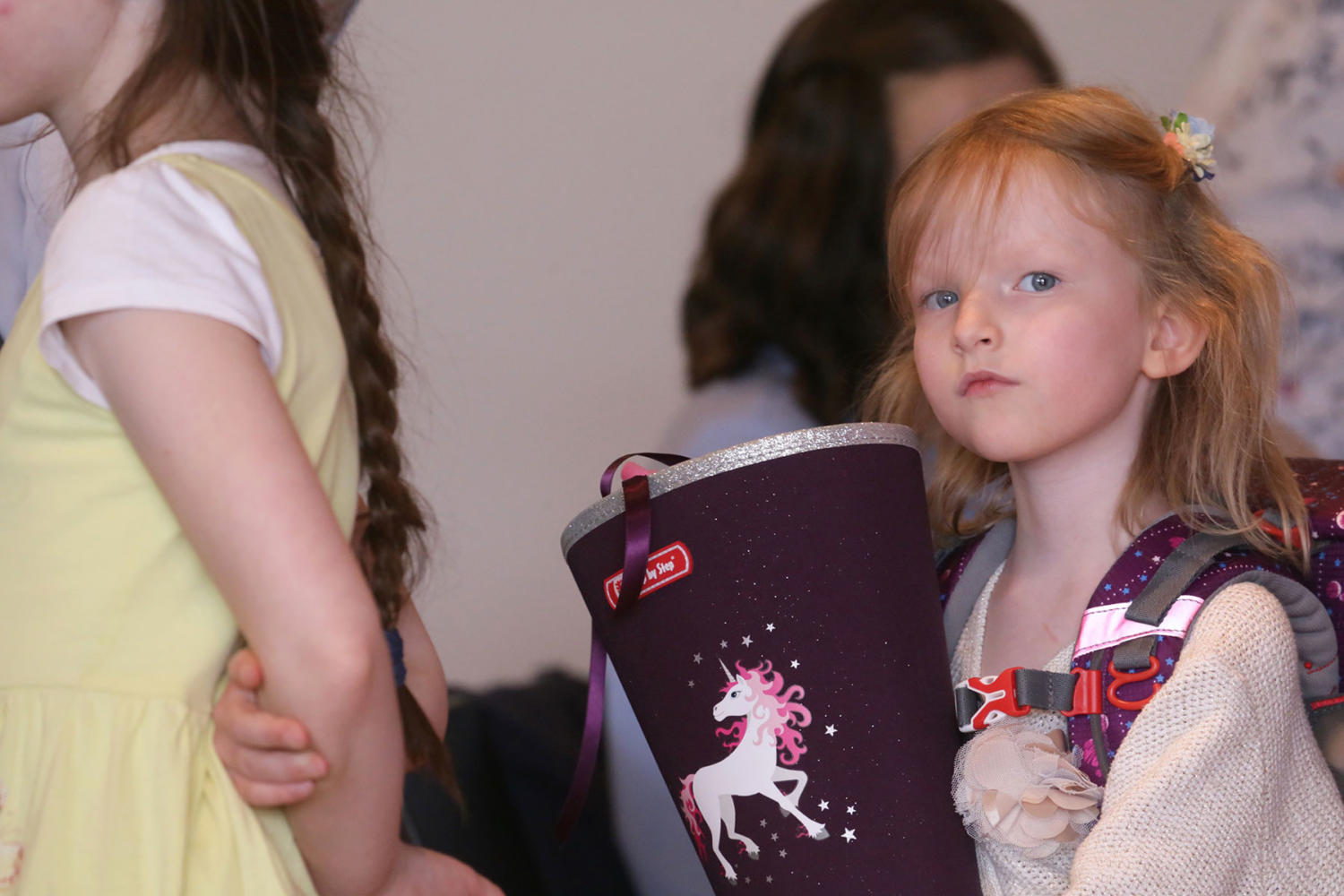
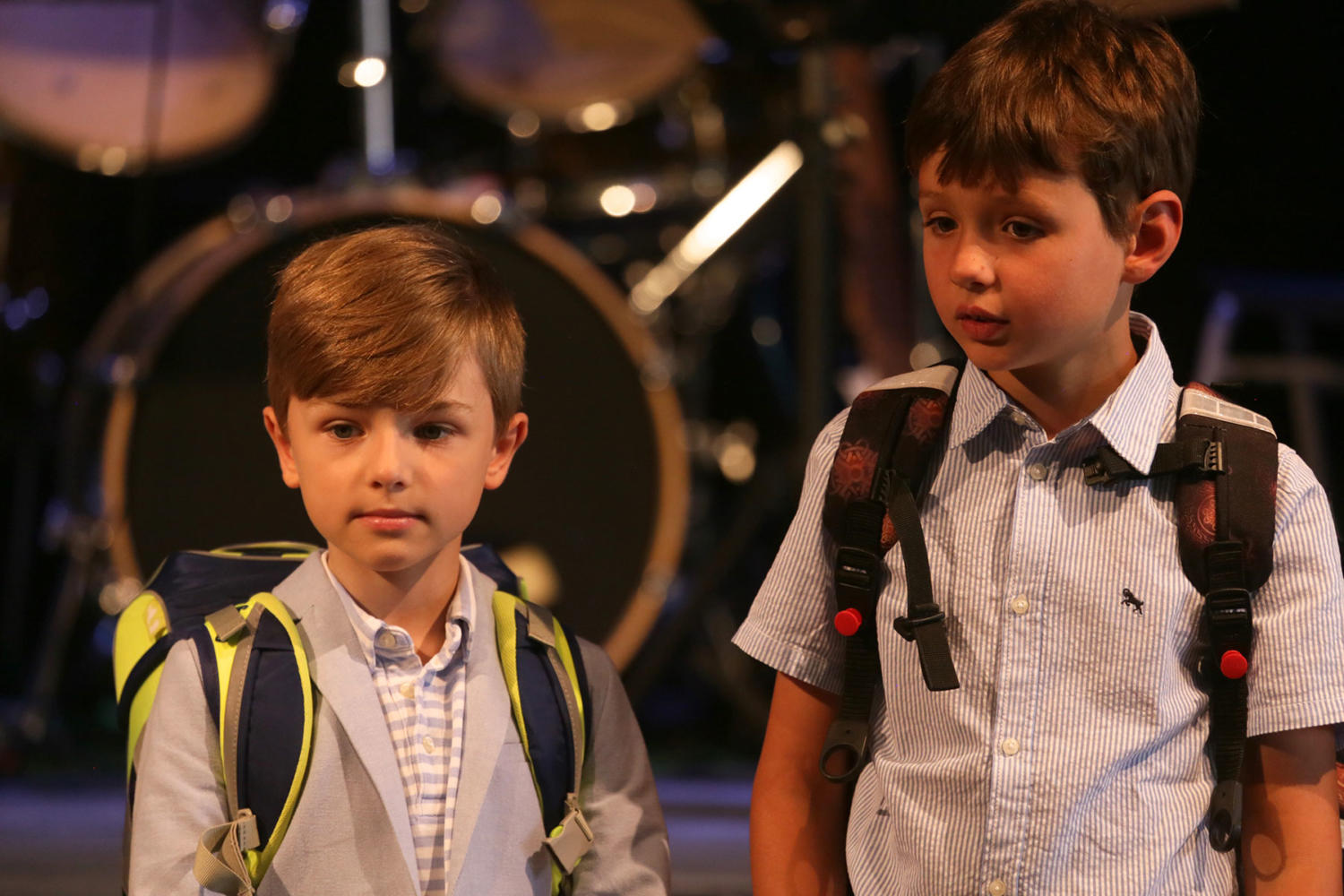
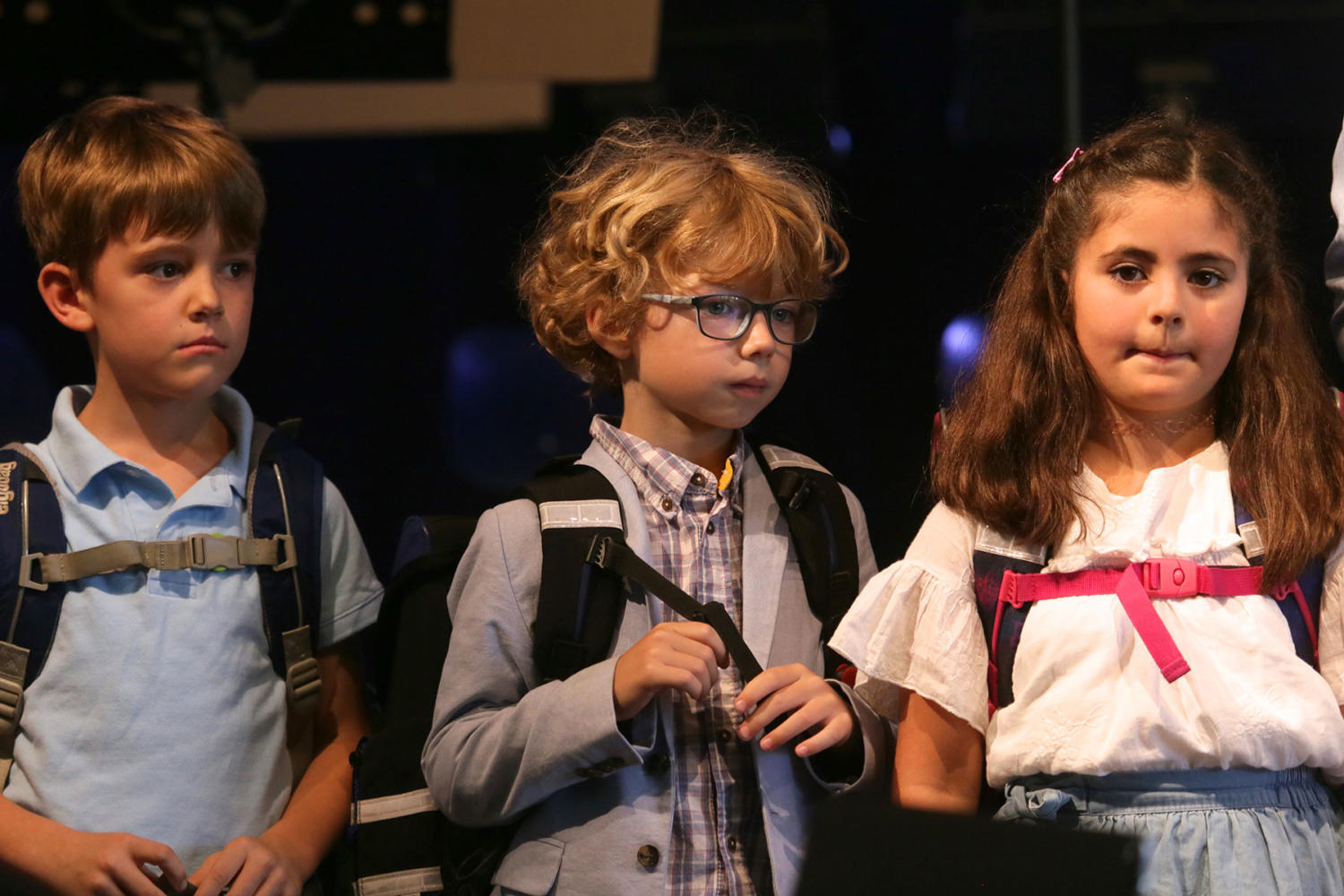
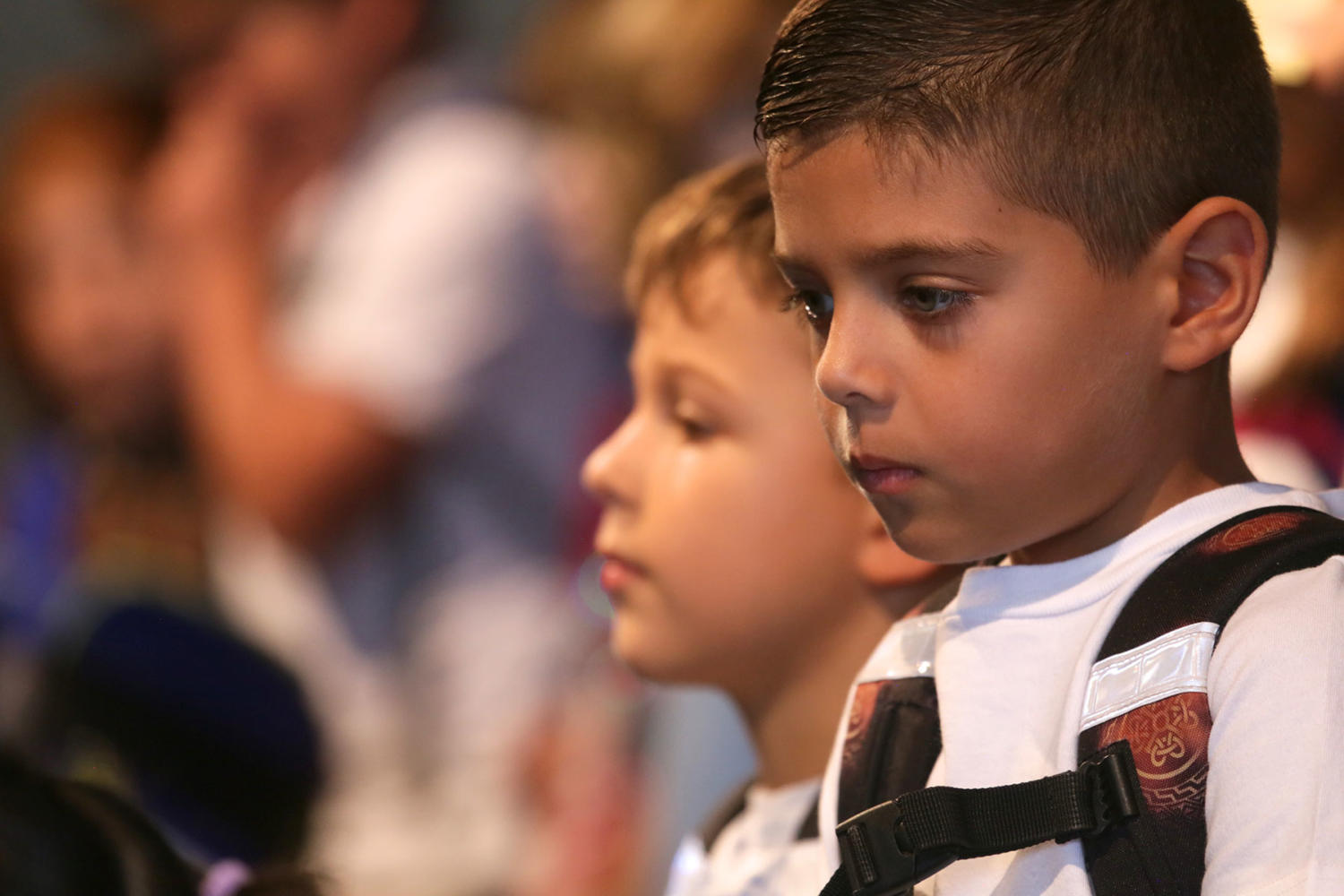
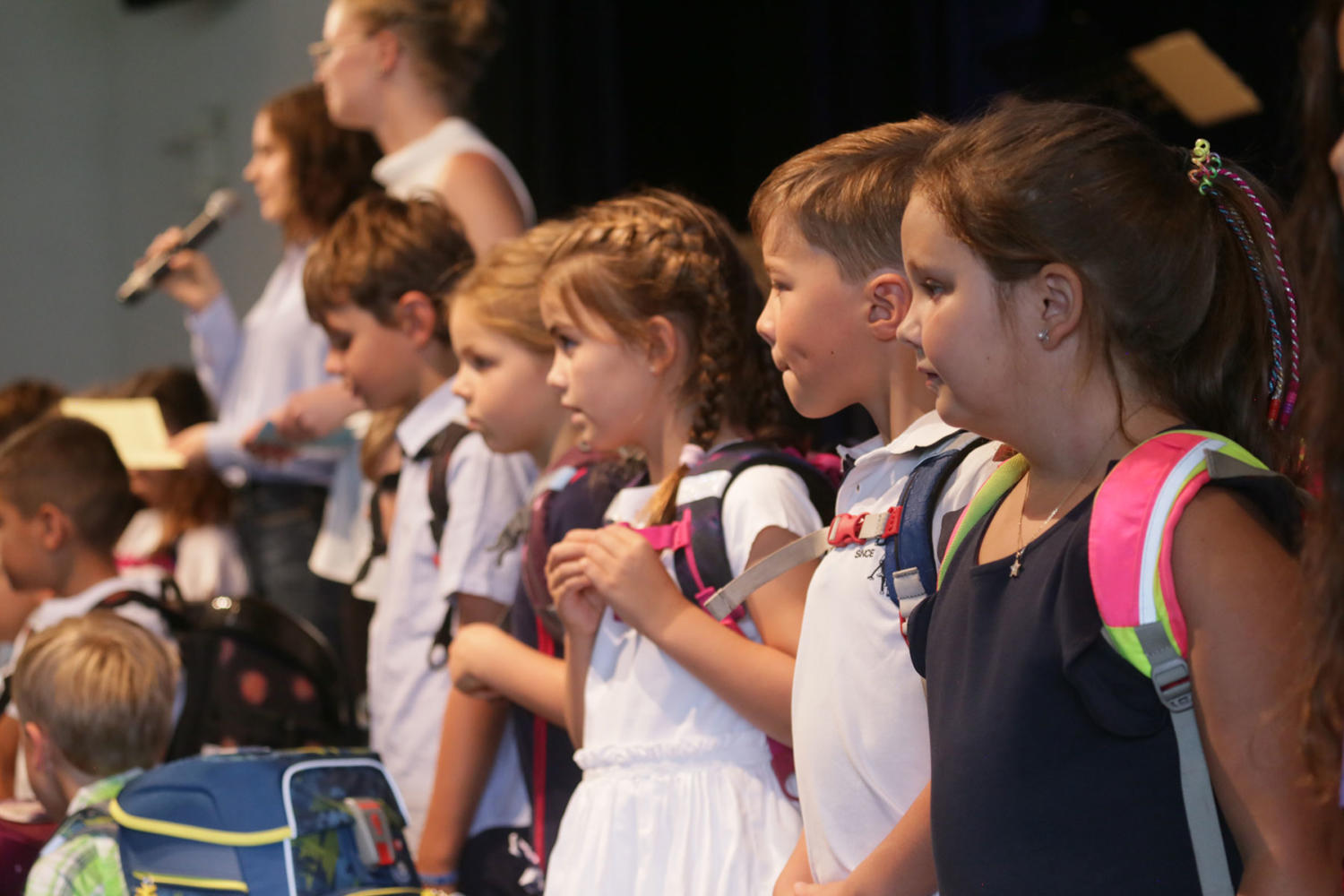
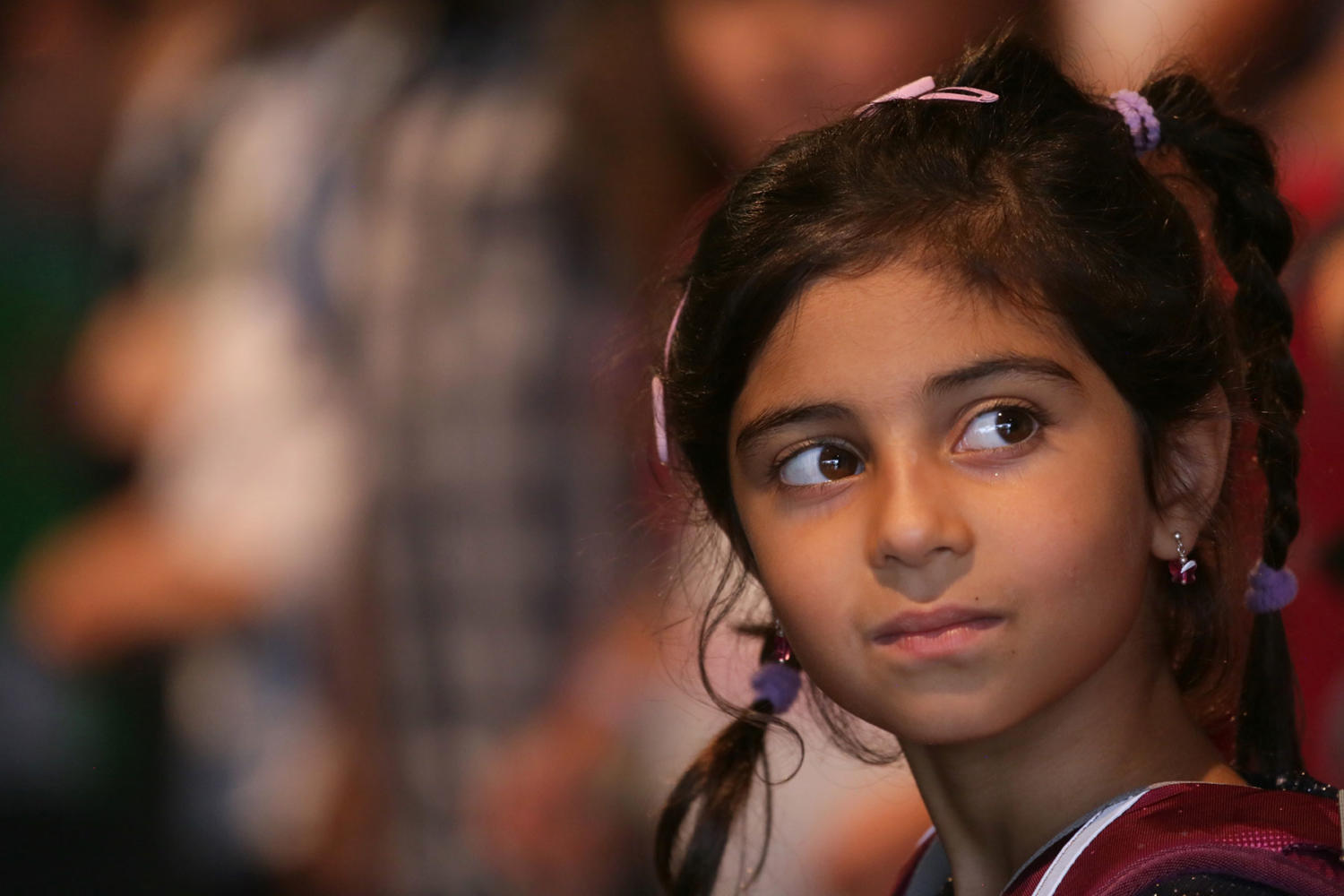
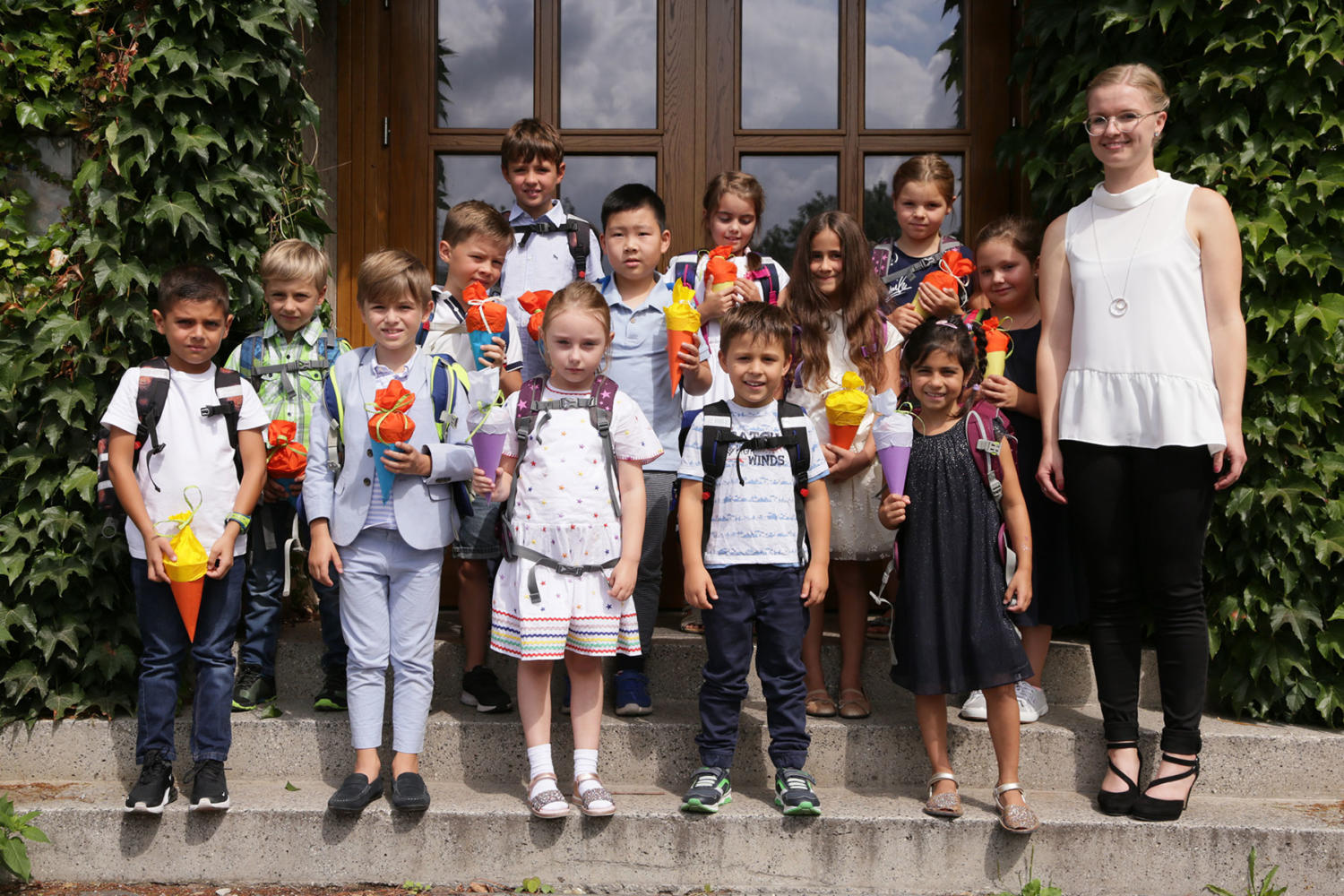
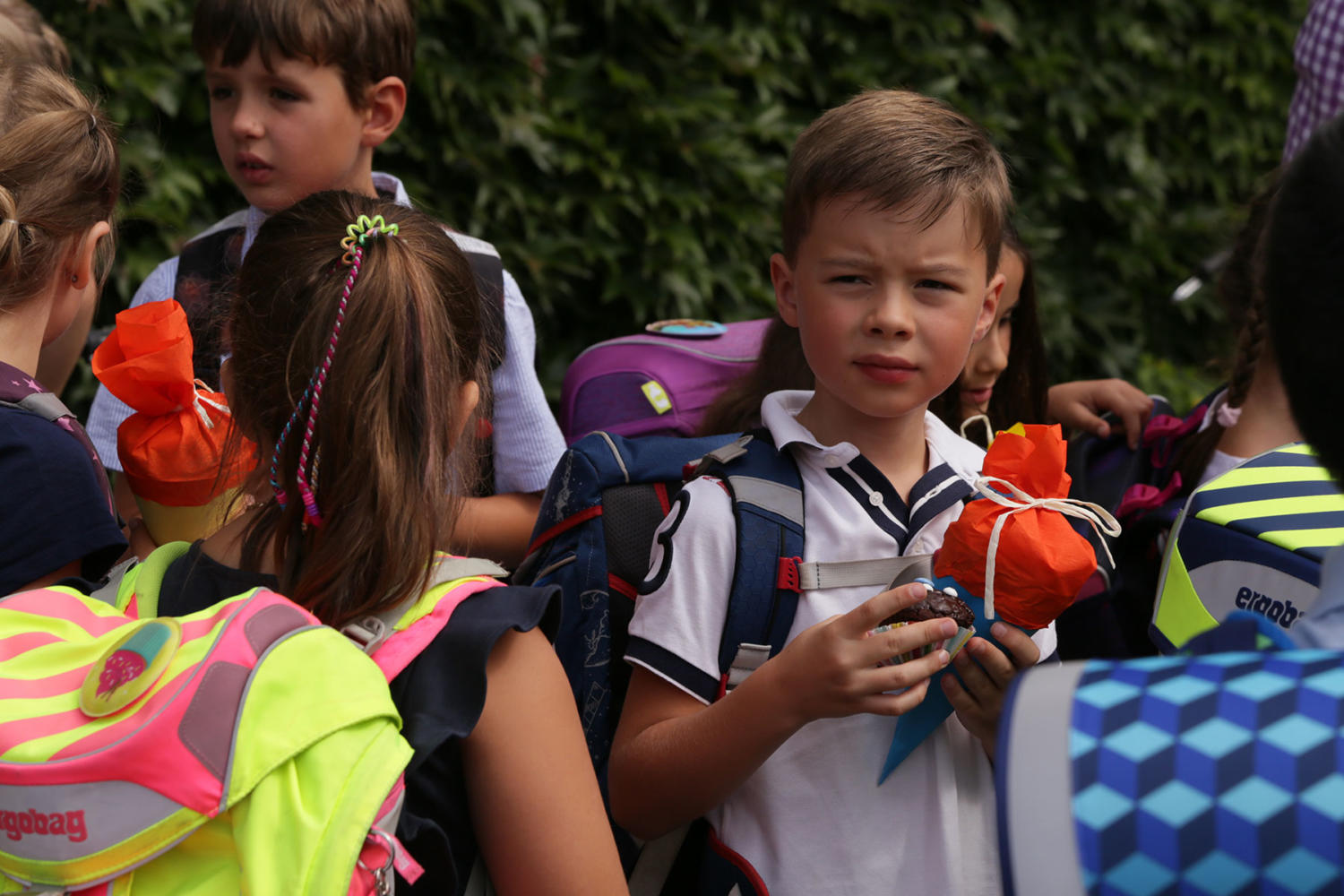
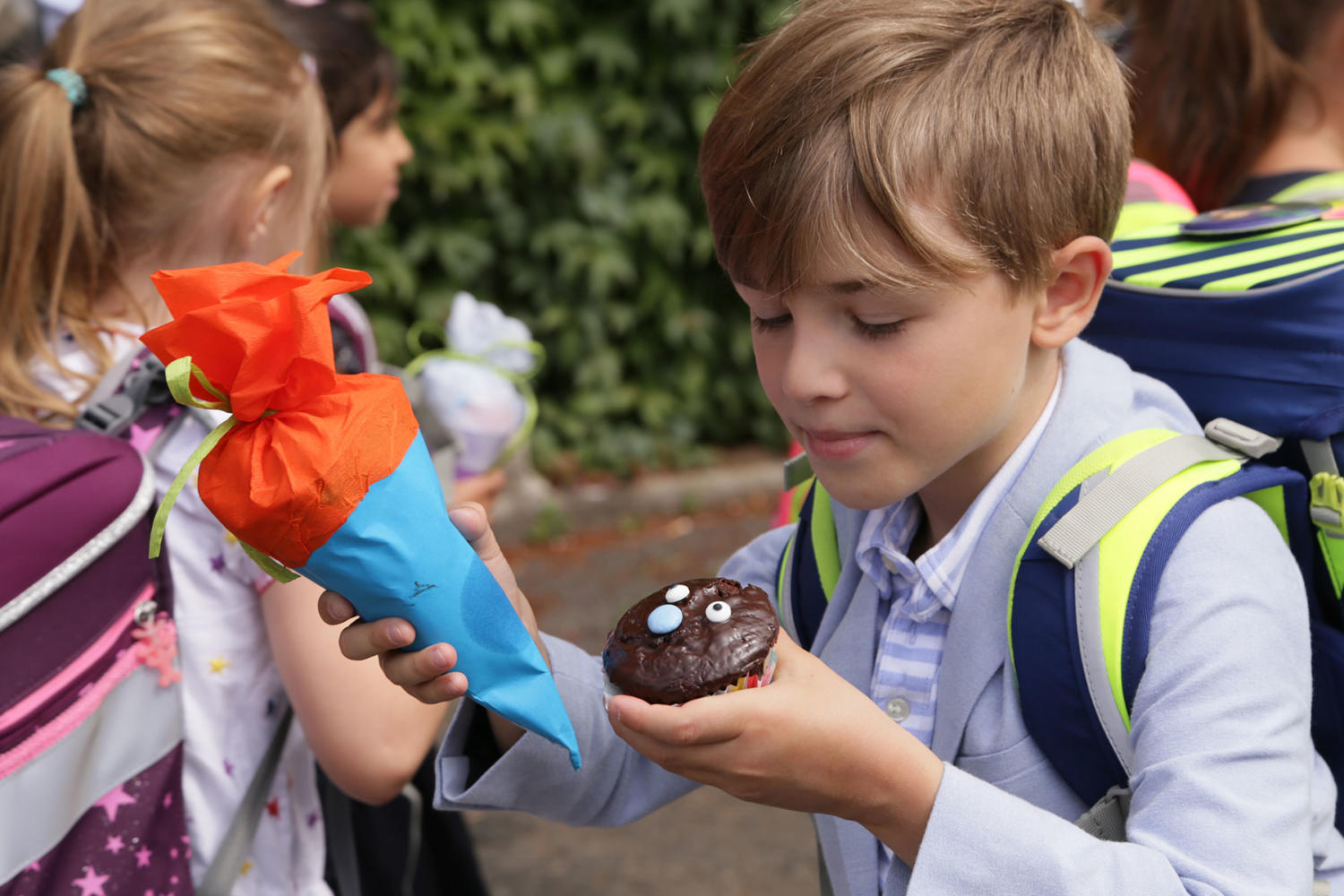
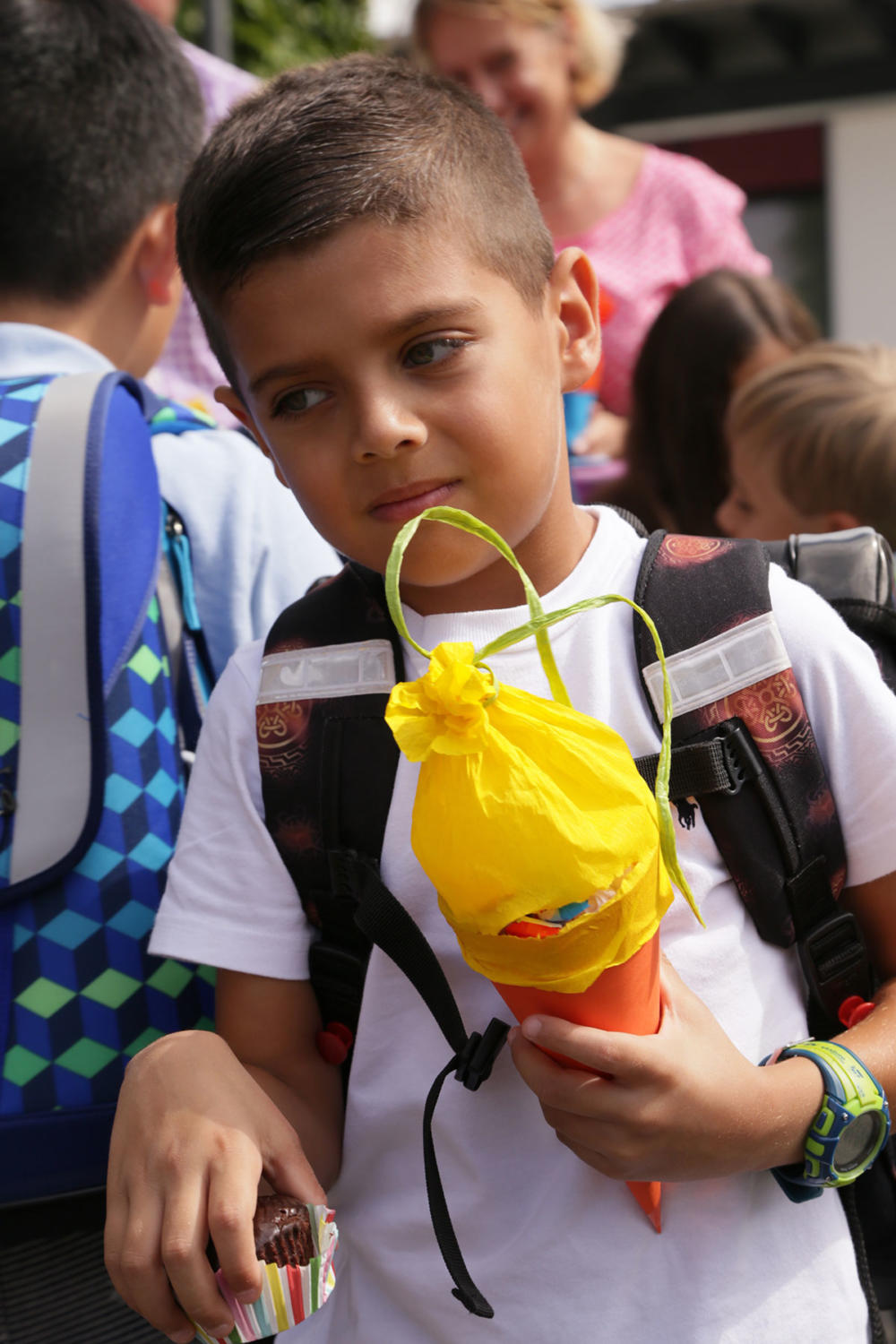
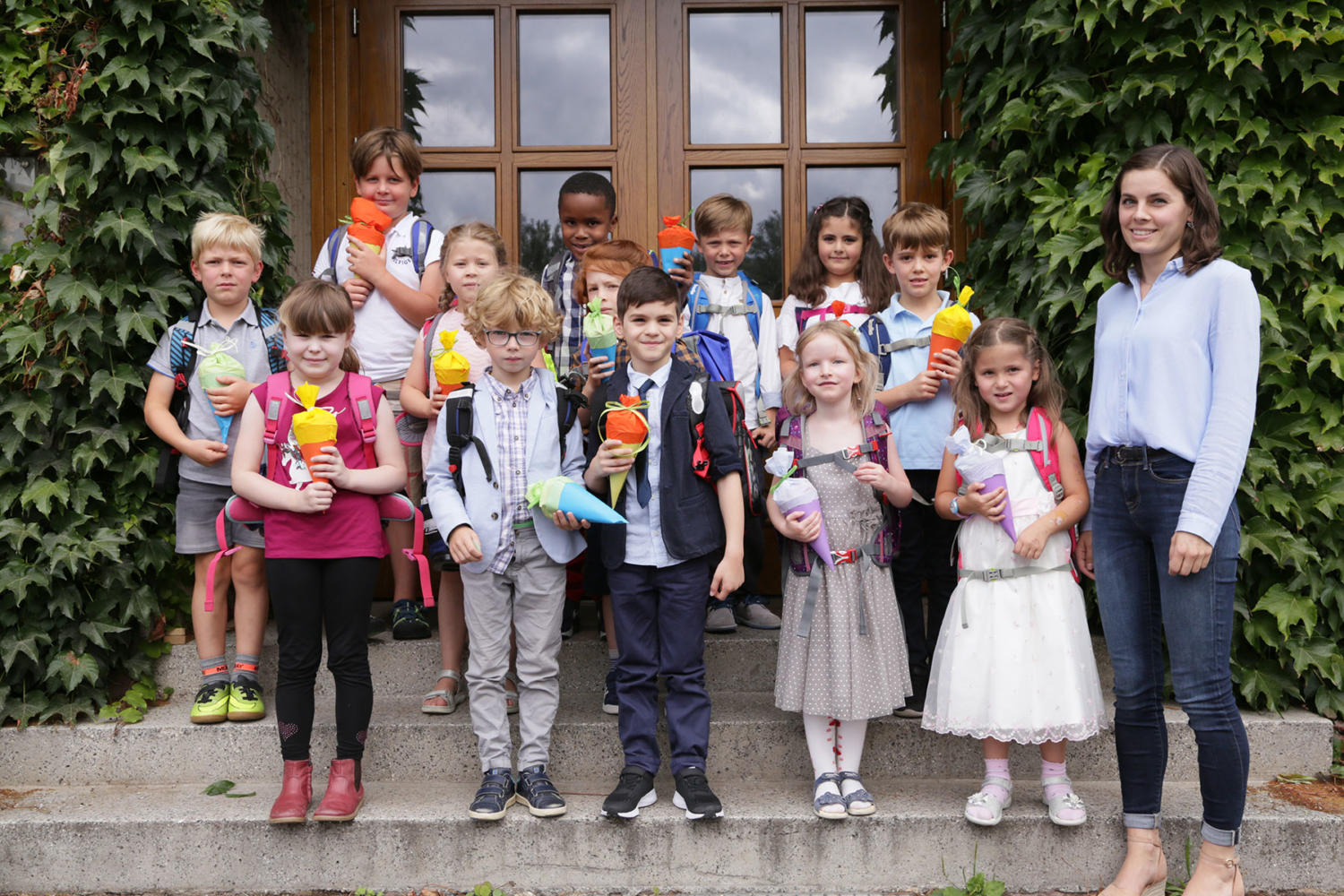
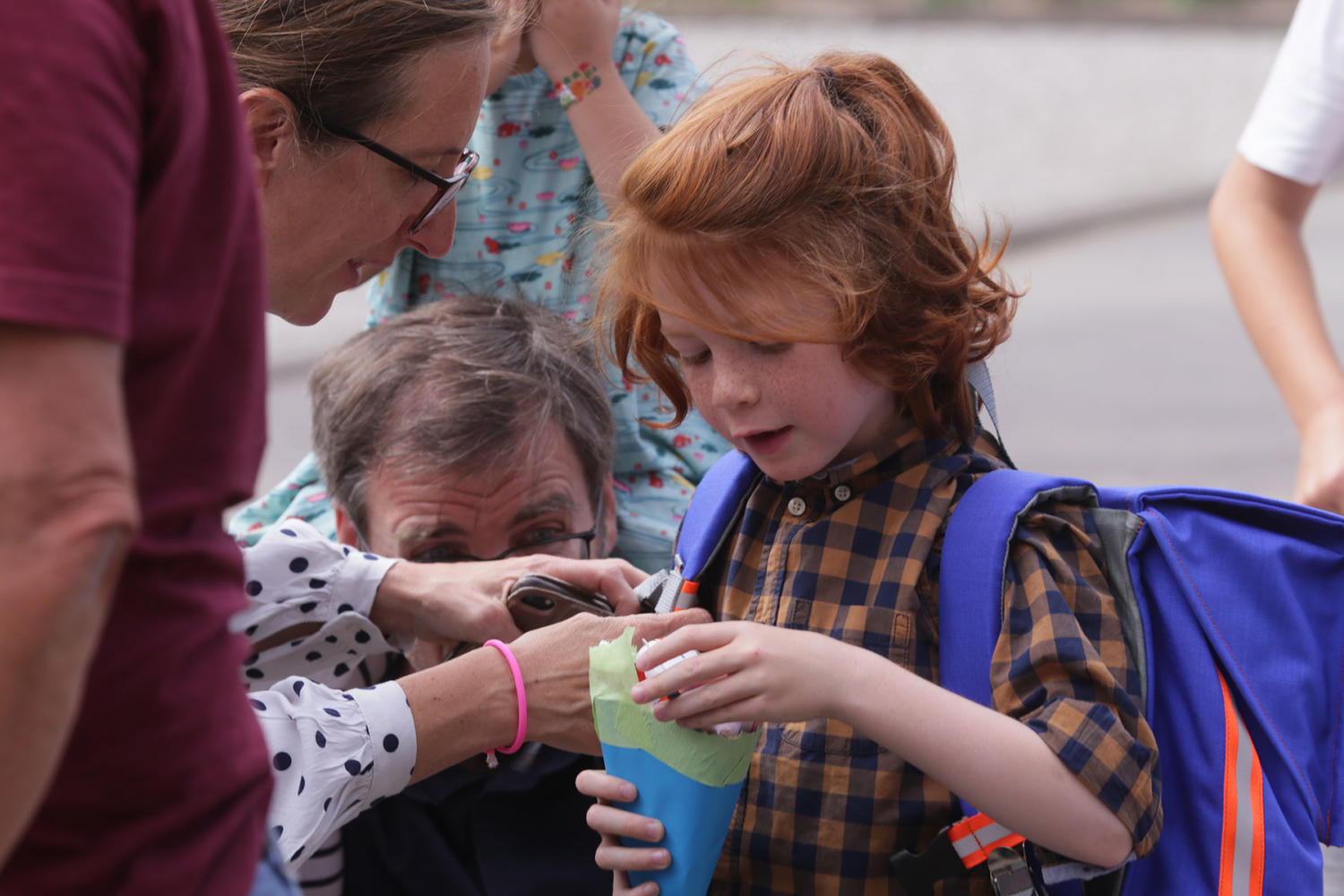
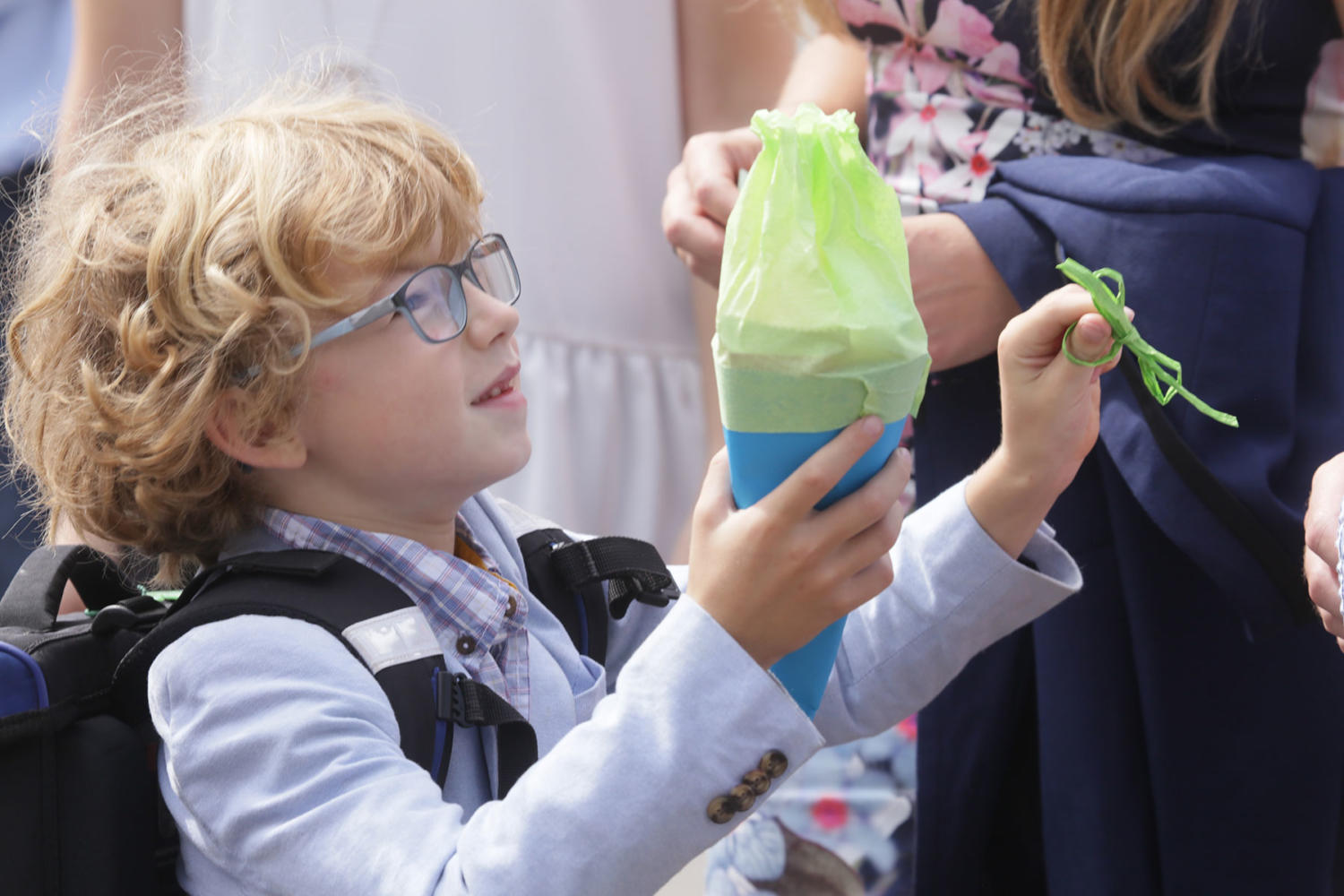
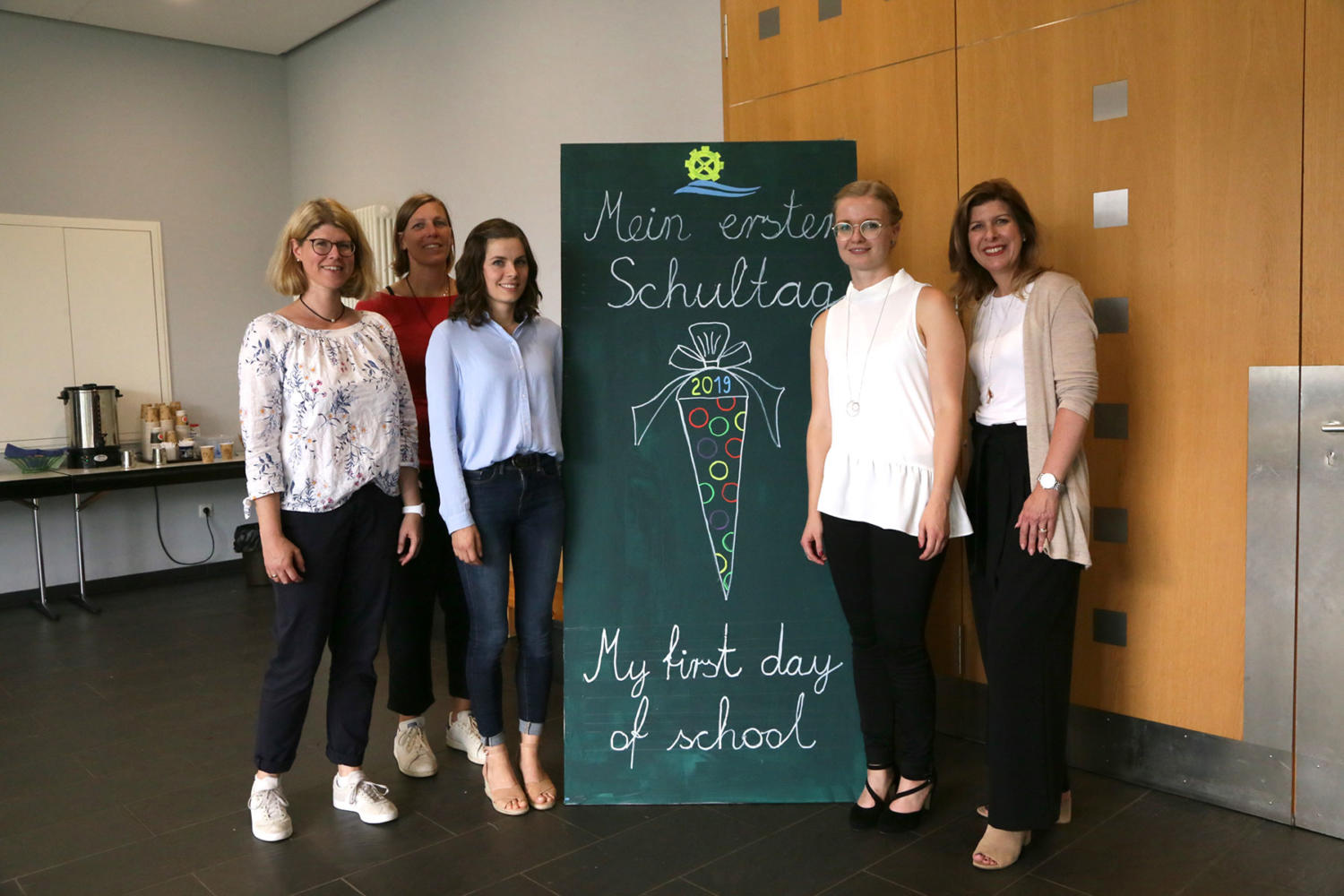
The little girls and boys, some carrying large back-to-school gift bags, made it clear that something very special was happening on the Steinmühle campus on Monday: the students of the new bilingual elementary school program were starting school. For Steinmühle, this day marked the achievement of yet another milestone. The high school, boarding school, and bilingual elementary school are now all located on the same campus on Cappeler Steinmühlenweg.
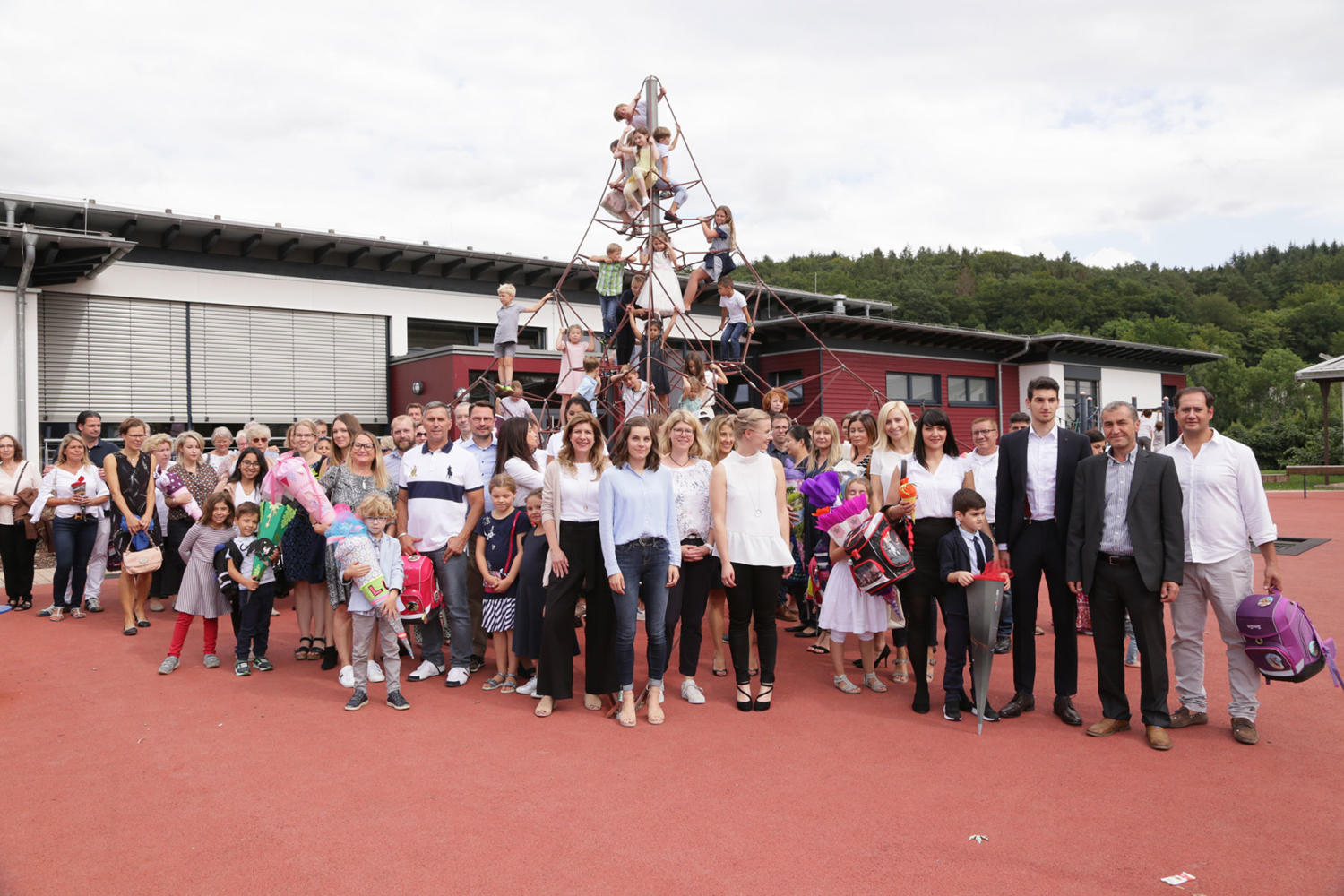
It’s hard to say who was more excited: the students, their parents—or perhaps the teachers? At 2:00 p.m., elementary school students, parents, and family members took their seats in the rows of the auditorium.
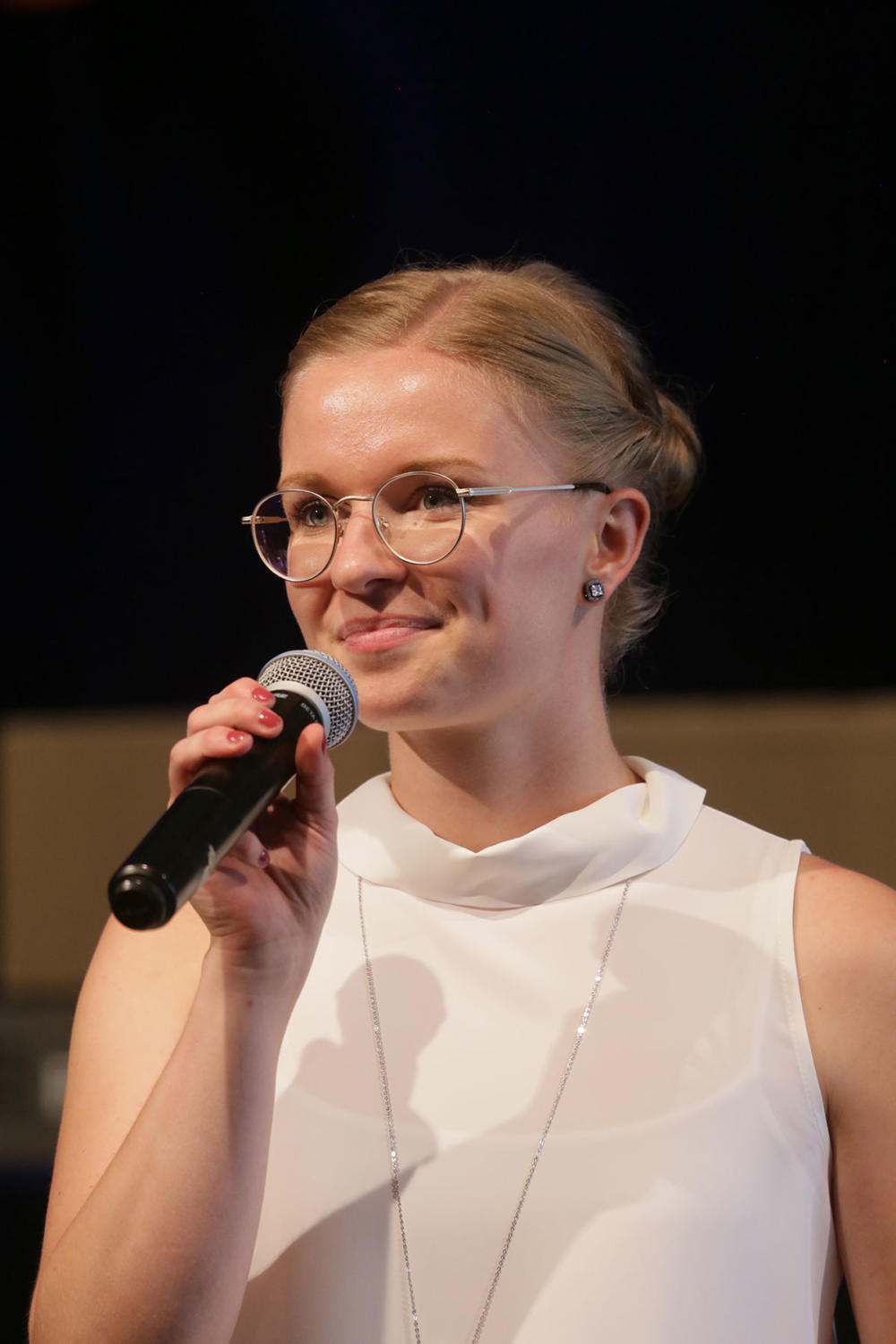
It was now time for the team led by Elementary School Program Director Janine Neckenich to take the stage. Meanwhile, Steinmühlenschule Principal Björn Gemmer, Bernd Holly, and Dirk Konnertz, executive director of the school association, mingled with the audience. After a process spanning several years—from the initial idea to its implementation—they could finally sit back and relax, at least for this moment.
“I’d like to say thank you. We wouldn’t be here without you.” Janine Neckenich’s words were directed at them—and first and foremost at Principal Björn Gemmer, who had shouldered the bulk of the work involved in the application process. Now the Steinmühle Bilingual Elementary School could finally get off the ground. A momentous occasion.

Program item organized by 6th-grade classes

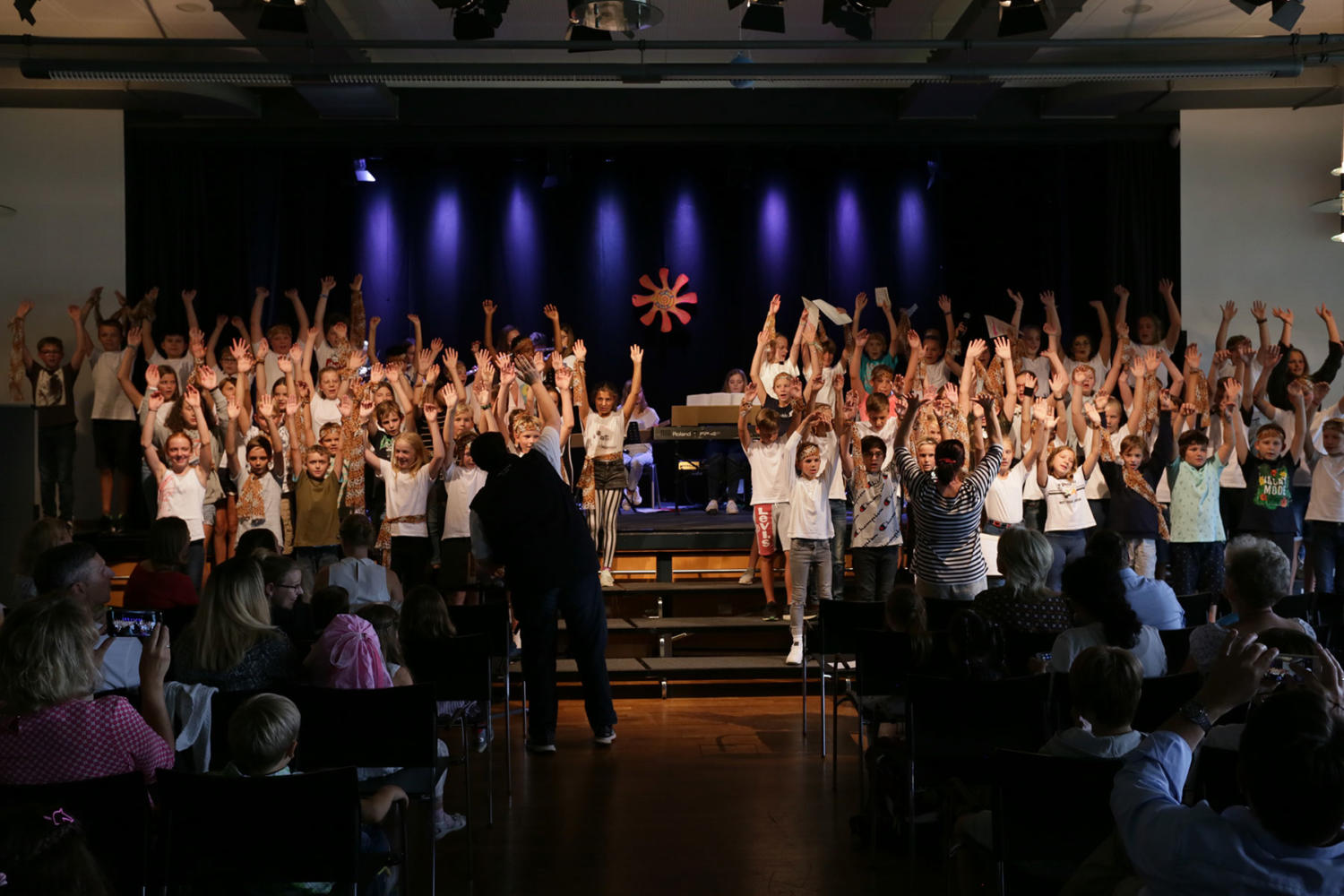
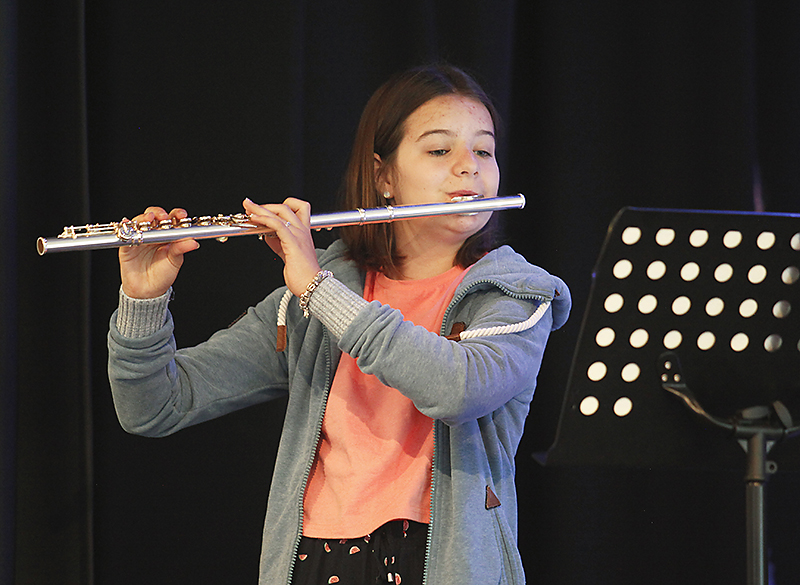
To help ease the excitement a bit, the 6th-grade classes performed an excerpt from their fantastic musical from last year, “Kwela Kwela.” This entertainment—by children, for children—helped break the ice a bit, and many were amazed by the vocal power and sense of rhythm displayed by the large group of performers. Older students, who are already well-known at Steinmühle for their musical performances with their instruments, hit all the right notes in every sense during their performance.

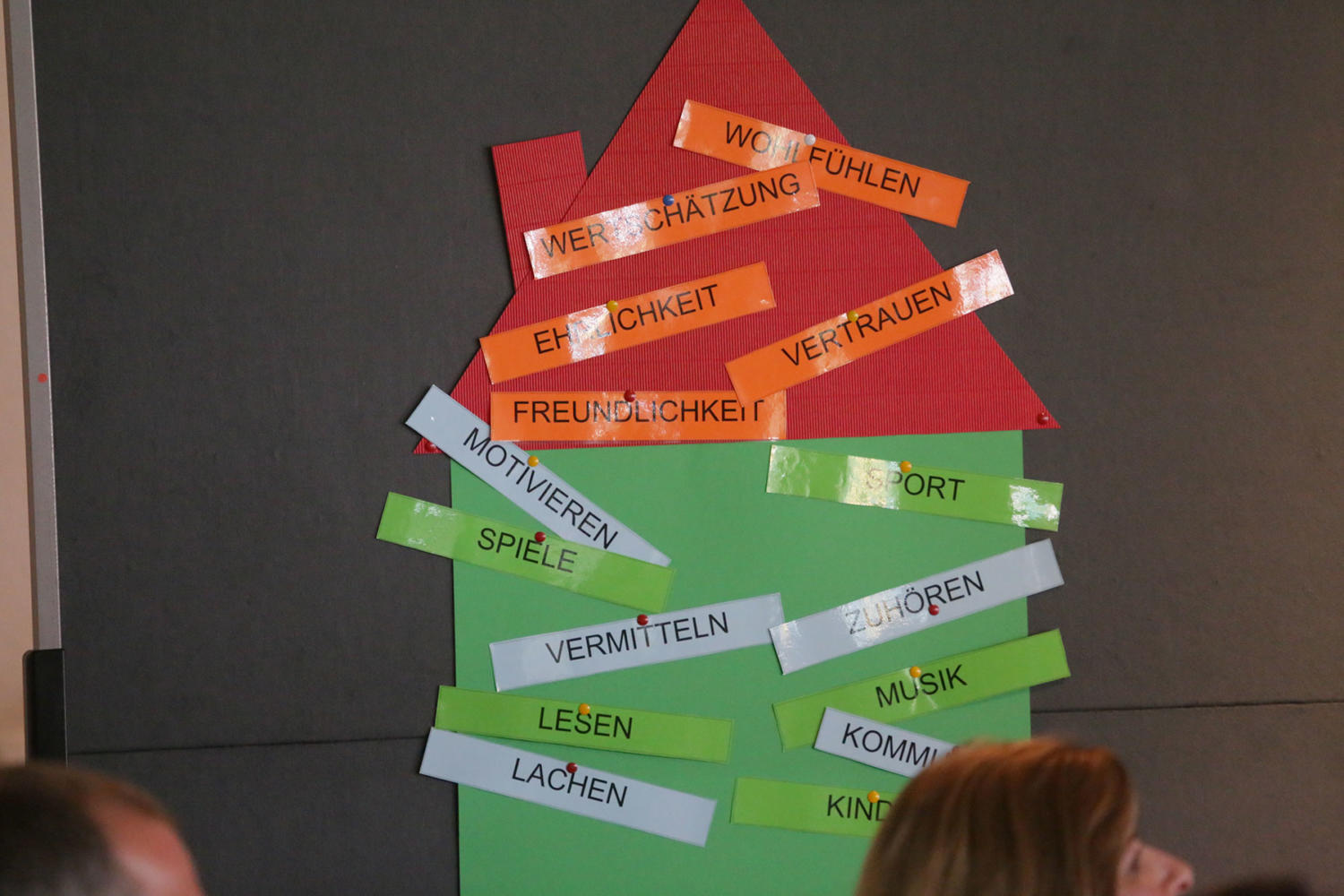
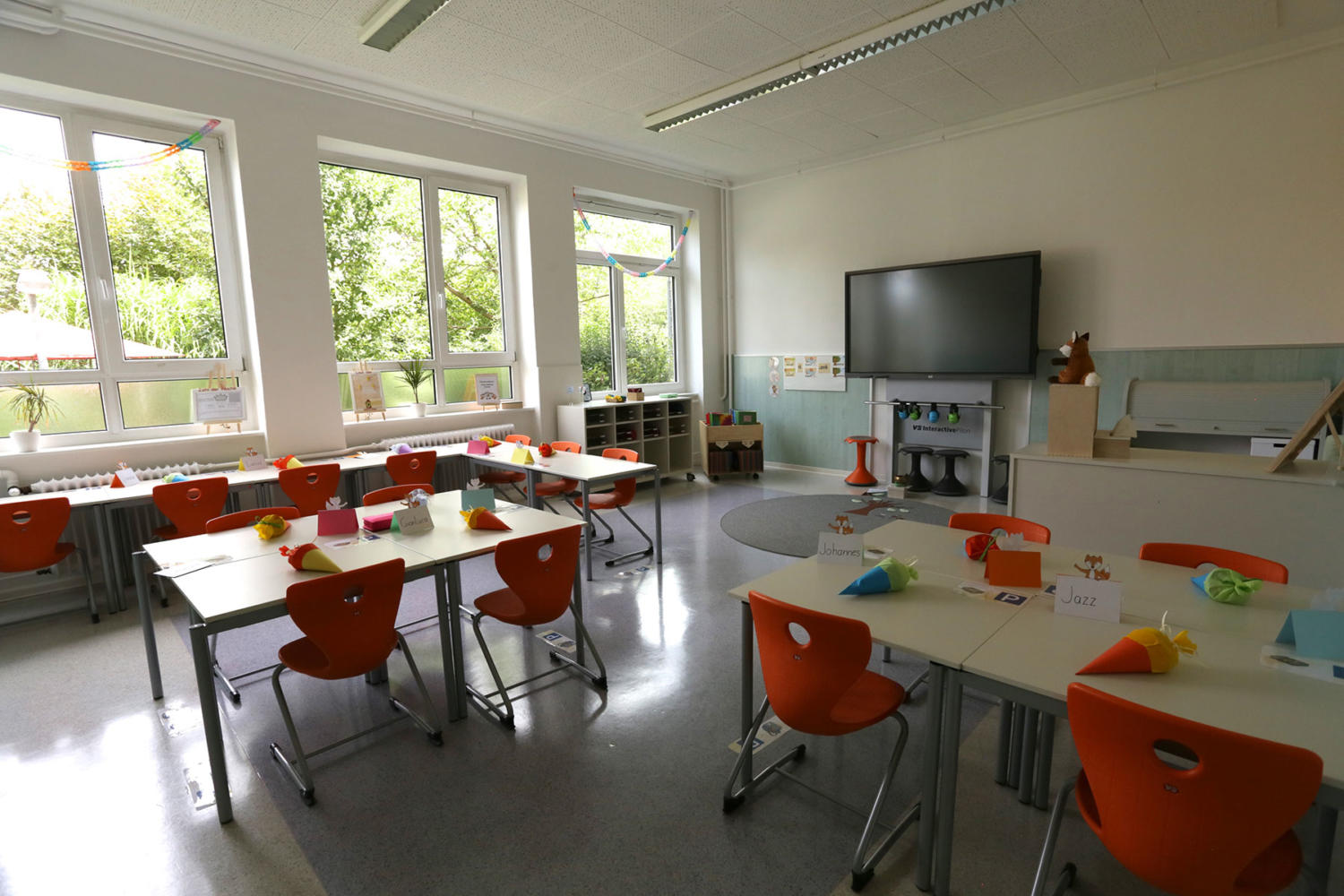
After the teaching team—consisting of Janine Neckenich, Hannah Achenbach, Lori Hermann, Nicole Johnson, and Miriam Kaps, had introduced themselves and presented not only their subjects but also their personal areas of focus and goals in a child-friendly manner, Janine Neckenich and her colleague Hannah Achenbach announced the class assignments. They are the homeroom teachers for the two Flex groups and then headed toward the Bremerhaus with their students. There, the first lesson took place right away in the two classrooms, which had been lovingly renovated, refurbished, and equipped over the summer break. “We prepared everything carefully,” Janine Neckenich revealed—and shortly afterward, the parents of Steinmühle’s youngest students were able to see this for themselves with amazement, after spending the interim time enjoying coffee, cake, and conversation. They were also invited to join the Steinmühle Support Association. Chairwoman Jasmine Weidenbach was on hand to answer any questions.
At the end of this exciting afternoon, after taking lots of photos during the event in the forum, there were also photos of the two classes together with their teachers: Look at the camera—try not to blink.

The youngest students at Steinmühle did a great job—they had just completed their first day of school. The entire school is delighted that the Steinmühle community has been enriched by yet another member.

“We’re both named Nils. But…you’ll figure it out.” With a wink, boarding school director Nils Schwandt welcomes a new boarding student on Sunday afternoon. The teenager grins mischievously, now knowing that Nils Schwandt and his colleague Nils Zeller are the house directors of the main dormitory. He’ll be moving into his room there shortly. It will be his home for the school year, which begins the next day. The other new arrivals are doing the same: getting their bearings in their new living and learning environment. They come from Munich, Jena, but also from South Korea and China. The Steinmühle boarding school currently has 79 children and teenagers and is thus continuing to expand. Exactly one year ago, the Biohaus on the Steinmühle campus was inaugurated as an additional residence for boarding students.

Additional Housing: The Bremerhaus

Recently, the Bremerhaus has also become housing for boarding school students. The group of unaccompanied minor refugees in this building was disbanded at the end of the school year; three of the refugees continue to live in the boarding school and are now preparing for their Abitur exams. “An example of successful integration,” says Francine Olschewski. The dorm director—like “Nils & Nils”—is a long-standing member of the teaching staff. “Some staff members are new to the faculty,” she says, adding, “We’ve restructured.”

A New Chapter in Life

Boarding school director Anke Muszynski fulfills the final individual requests of the new arrivals. Something is still missing here; something else needs to be taken care of there. For this dedicated and energetic educator, who dashes back and forth attentively, “service” is more than just a word.

In a few words, without any long-winded speeches, Anke Muszynski introduces the teaching staff to the new students and their parents. Some students are accompanied by their grandparents as well. It’s quite a big step for these young people to send their loved ones home alone shortly afterward. The atmosphere in the dining hall, with coffee, cake, and fruit, is relaxed and not at all wistful. Parents strike up conversations with other parents at the round tables. A new chapter in life is beginning—for everyone! So everyone is a little excited, “including us,” says Francine Olschewski. But she also knows: “Later, that is, tonight, everything will be just as usual.”

Getting to Know Each Other

The next morning is “business as usual.” That’s when classes begin, with students heading to the renovated main building or the newly constructed atrium. The upcoming weekend will be all about the so-called “ house trips.” The individual residential groups will go on outings to get to know each other better.

The main campus, for example—the group centered around “Nils & Nils”—is heading to Cologne. As part of this trip, they’ll also visit Phantasialand. But there won’t be any boredom later on at the Steinmühlen campus either. A wide variety of sports activities and the natural surroundings offer entertainment and learning in a comfortable atmosphere.

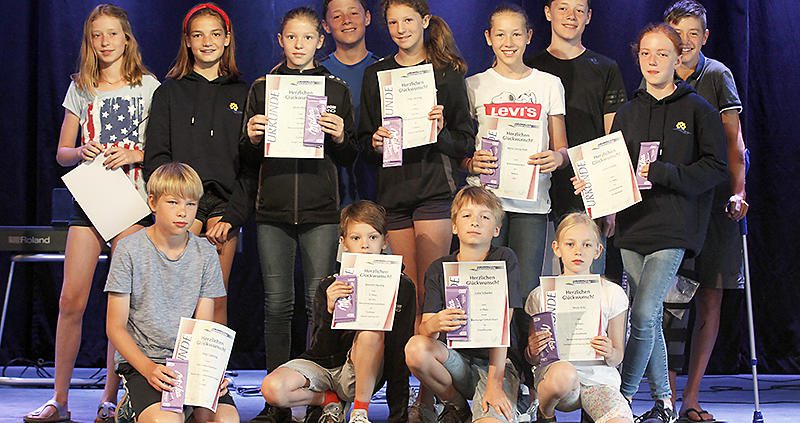
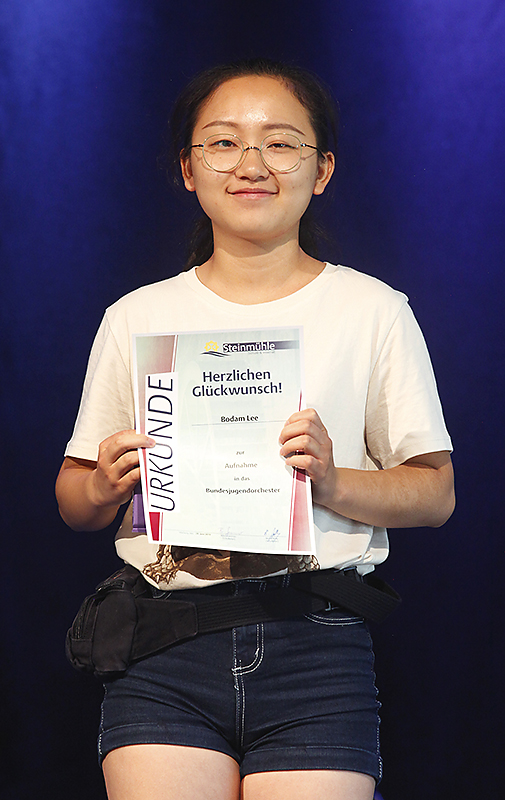
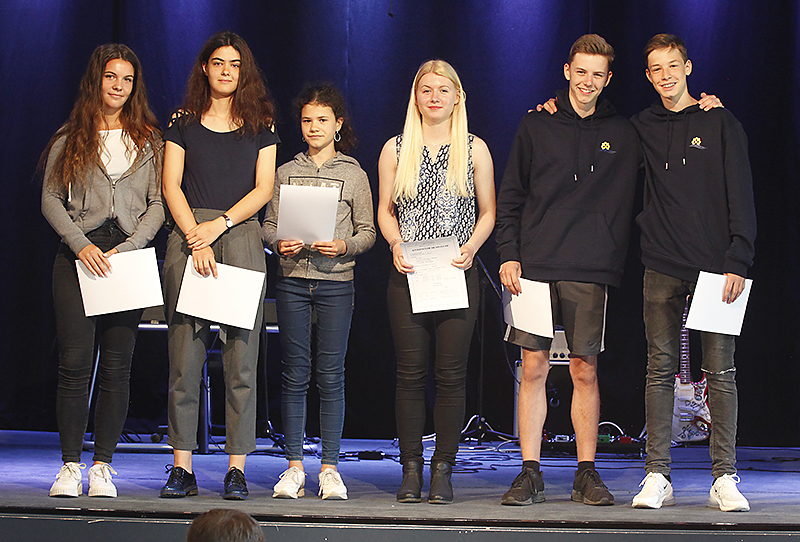
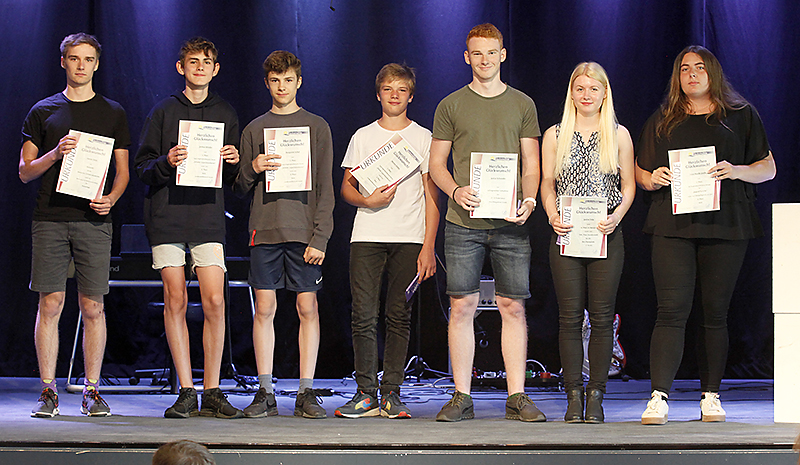
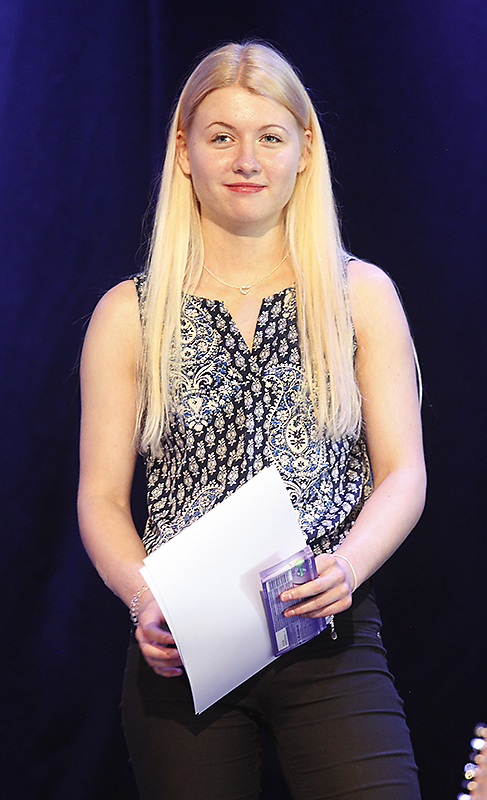
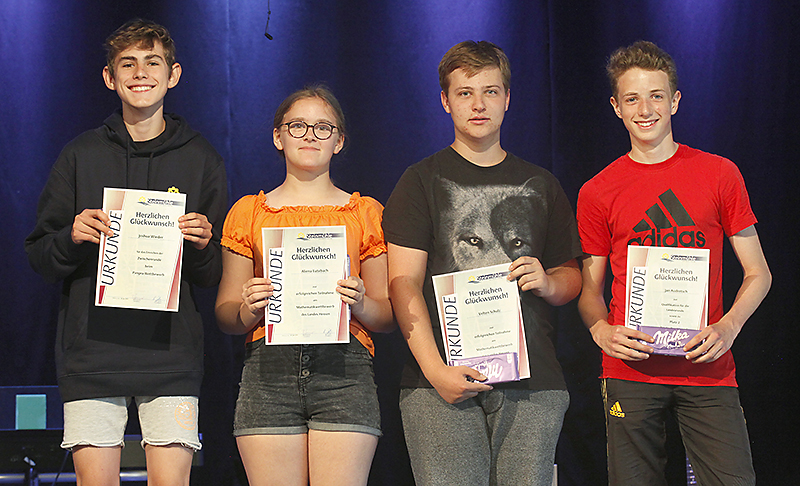
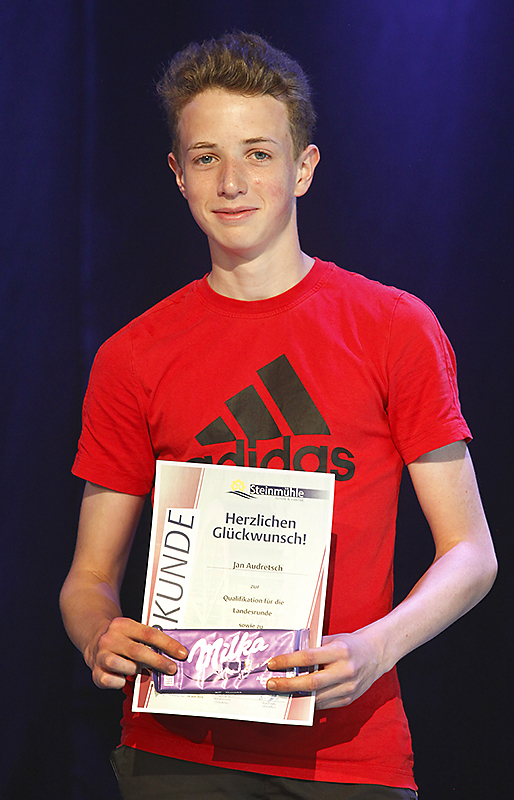
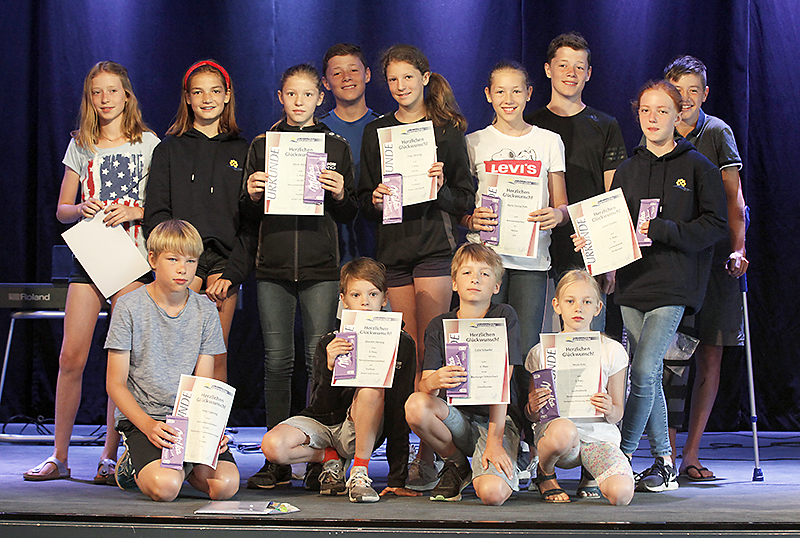
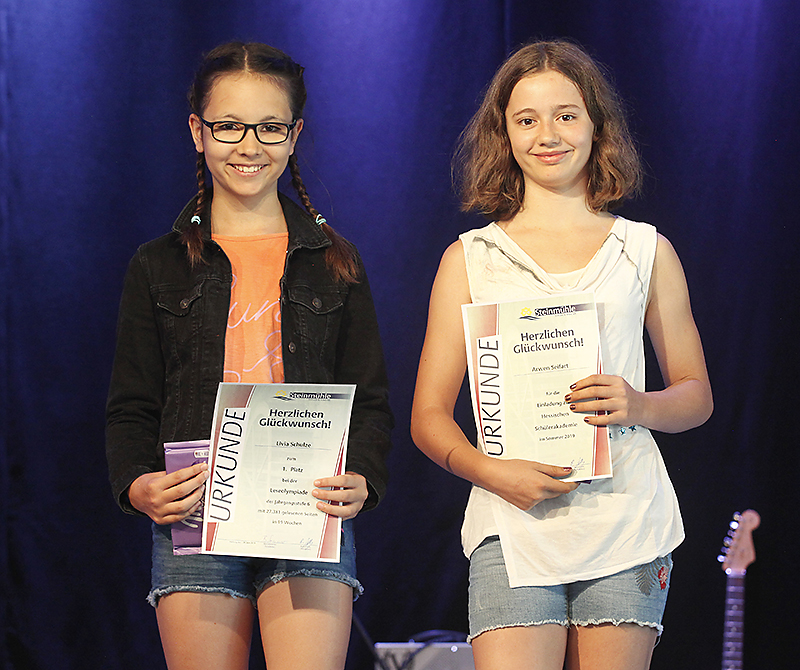
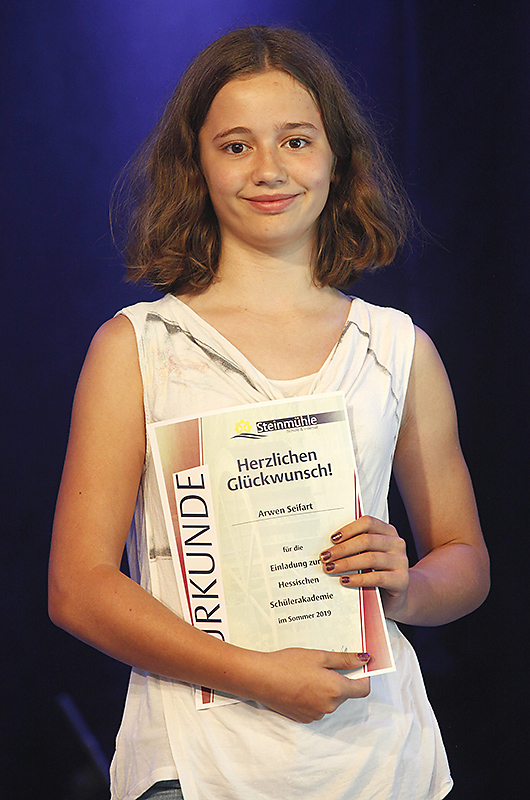
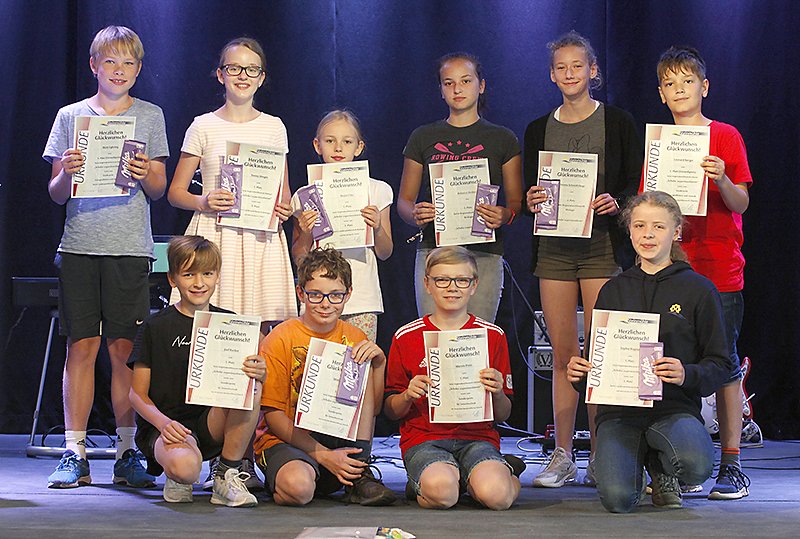
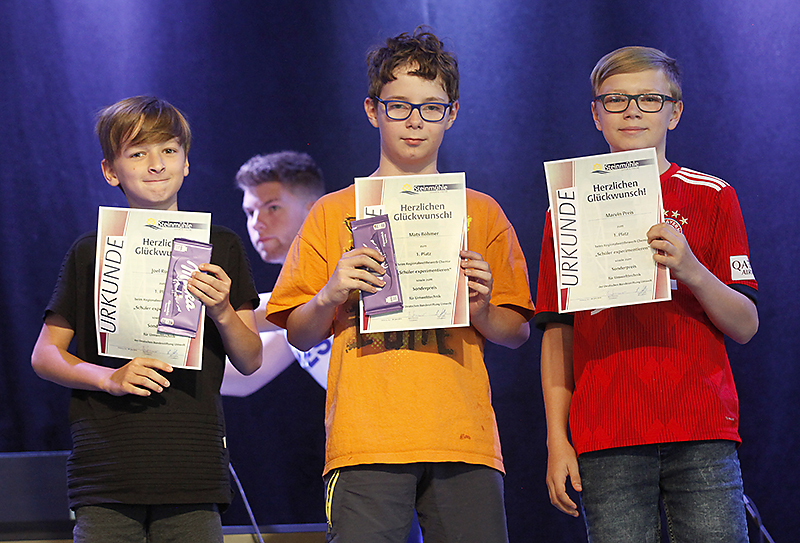
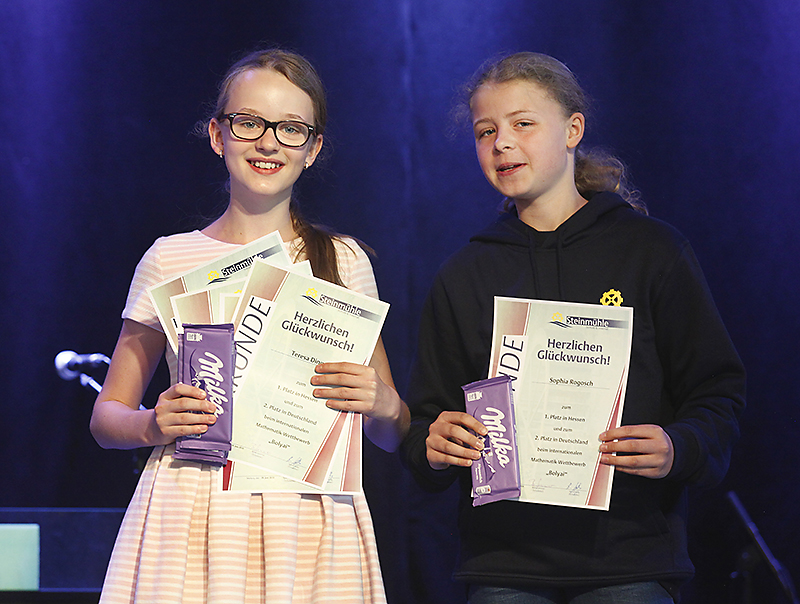
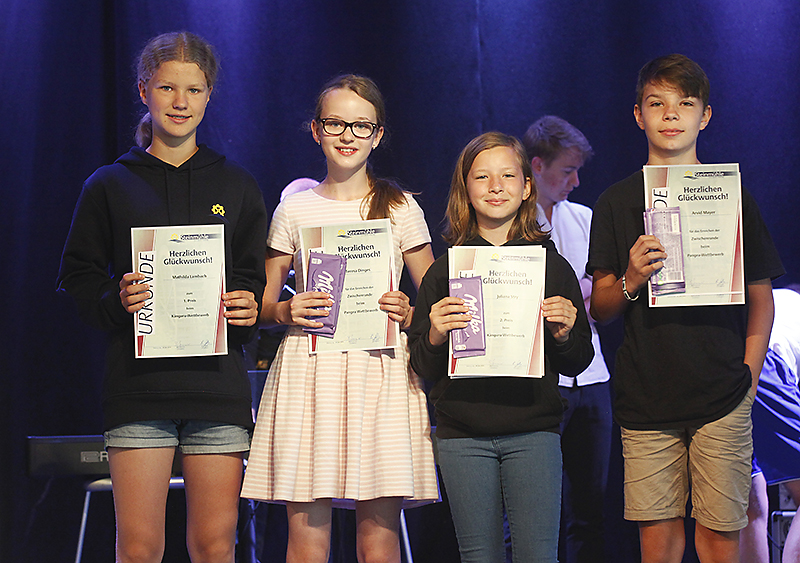
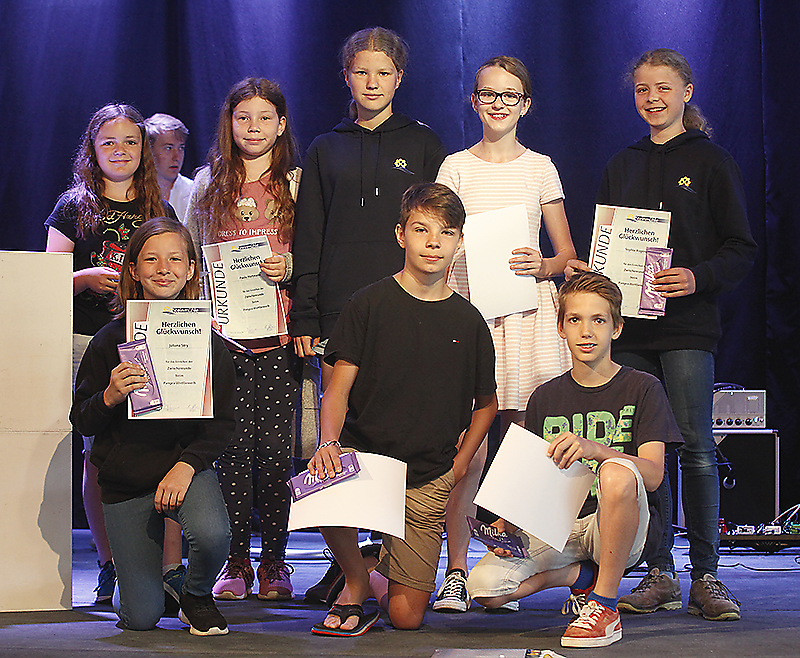
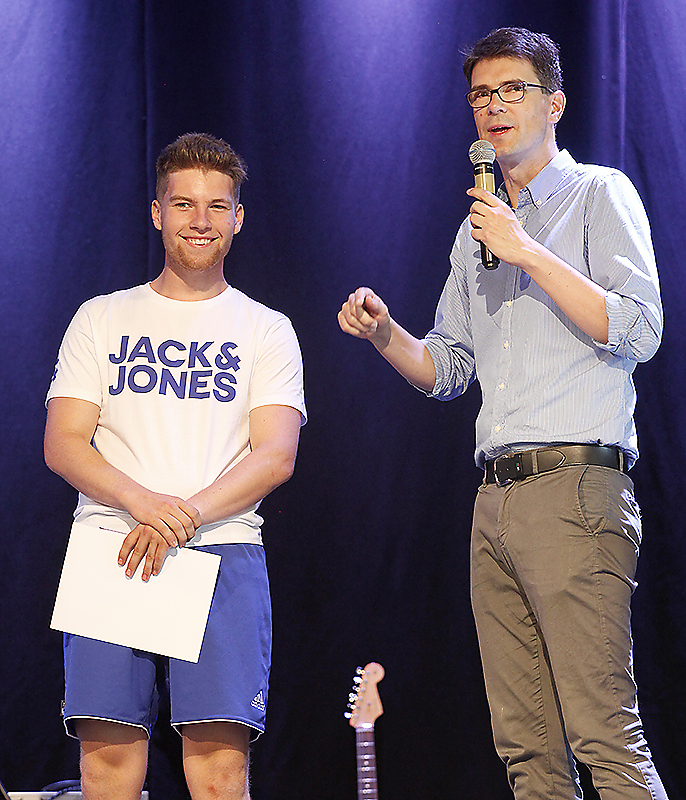
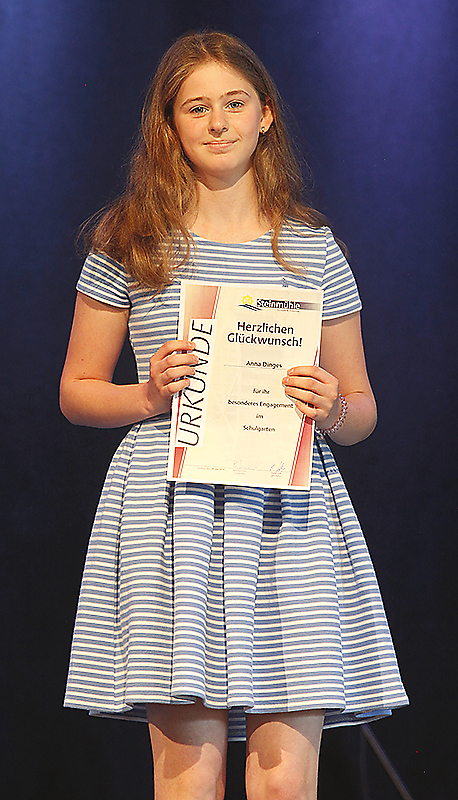
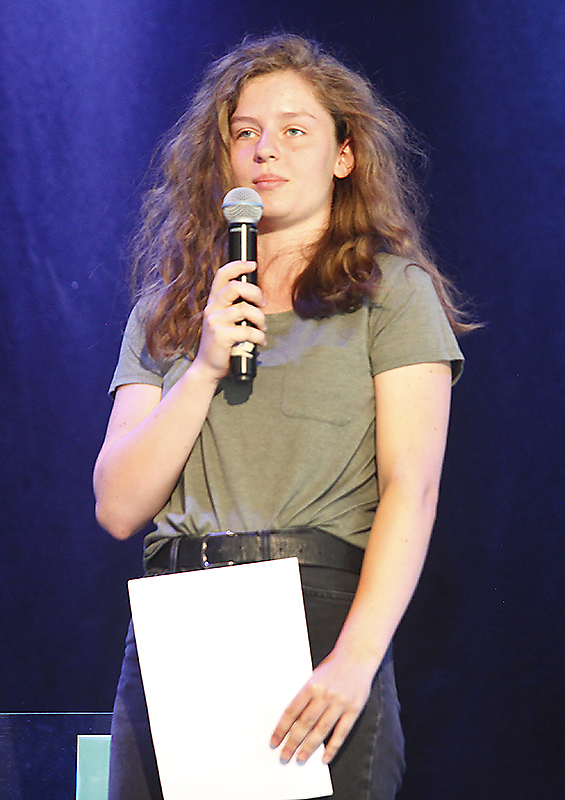
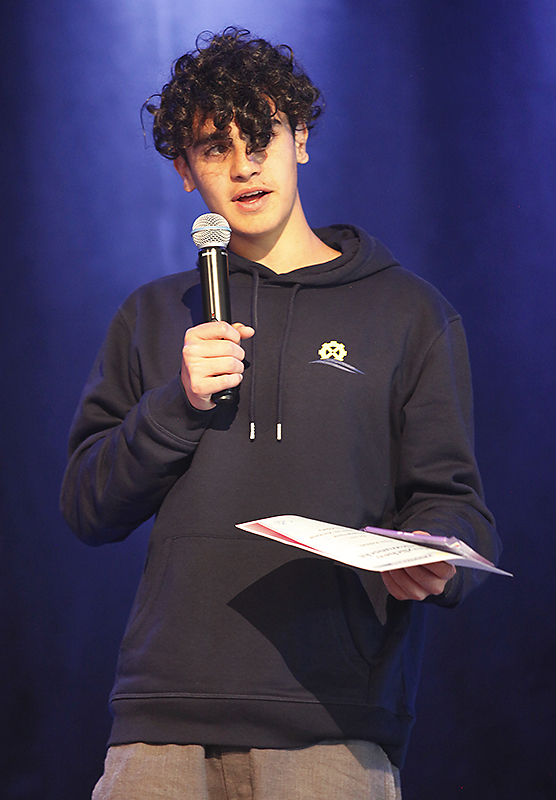
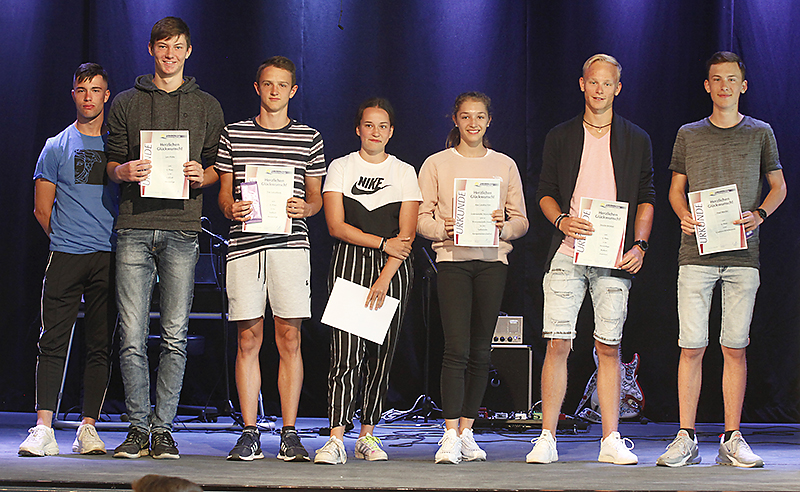
Traditionally, on the last day of school before report cards are handed out, Steinmühle honors the extracurricular efforts of students from various grade levels. Principal Björn Gemmer handed out certificates and candy to children and teenagers who have been active in sports, cultural activities, and competitions in the natural sciences, mathematics, or music. Awards were also given to students whose efforts benefit the school community through work in the school garden or in organizing events. However, these are just a few examples. The awards ceremony is also an opportunity to recognize those who volunteer in their personal lives, for example, through social service. In order to present these awards, the school administration always relies on recommendations regarding who is making a commitment in which area. This is especially true for initiatives that take place outside the school community.

The last Thursday evening before summer break is traditionally not only the date of the “teachers’ barbecue.” It is also a time to say goodbye to colleagues who are leaving Steinmühle.

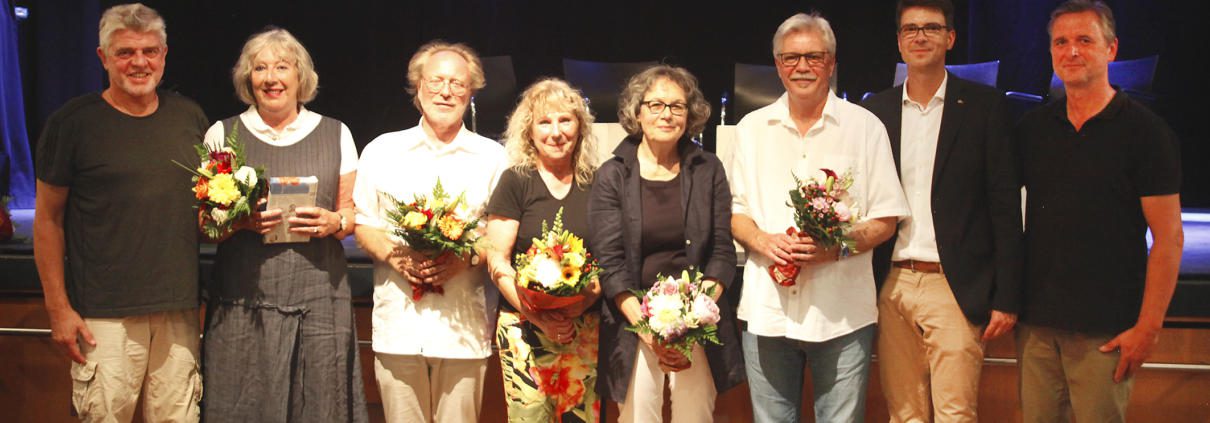
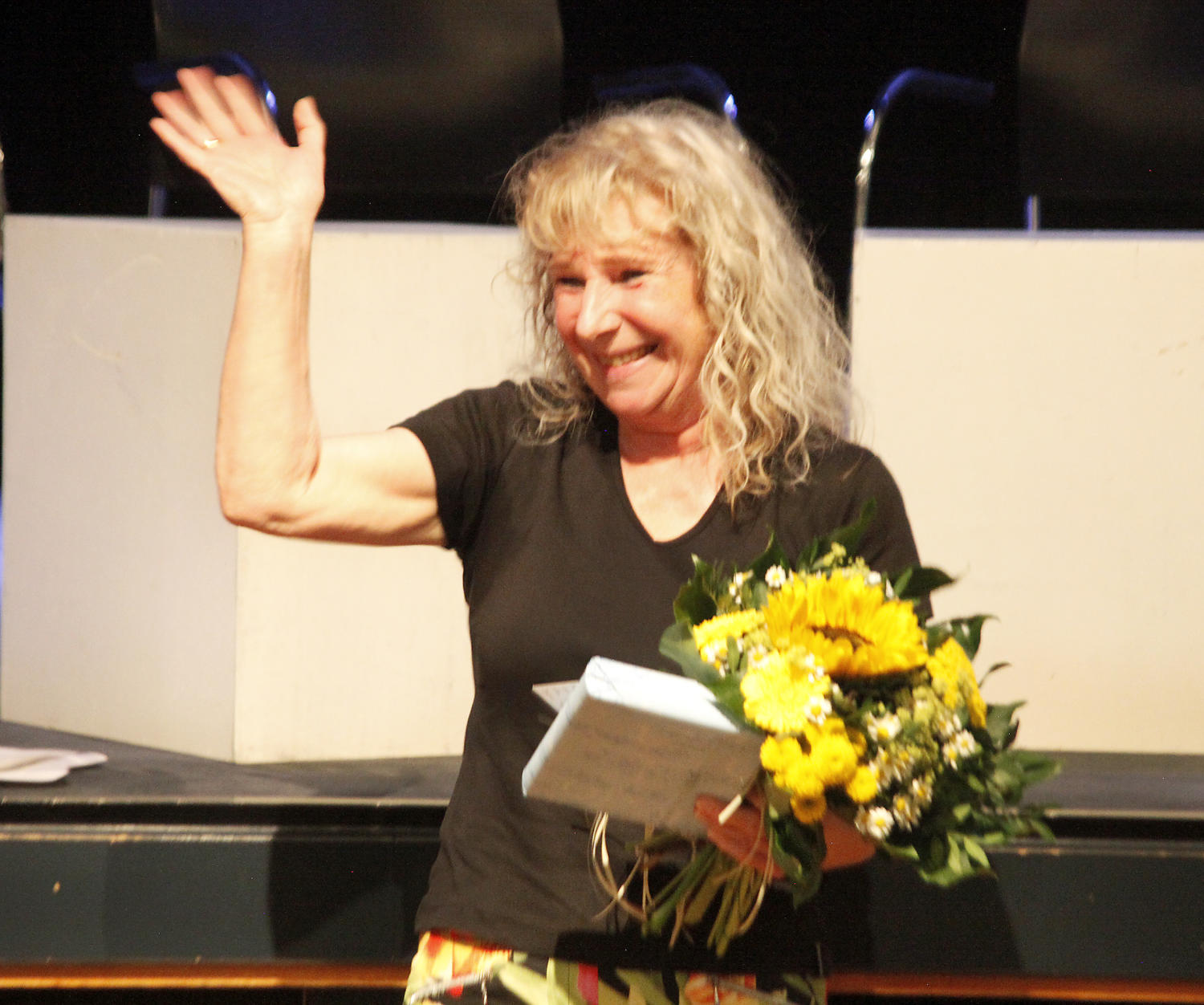
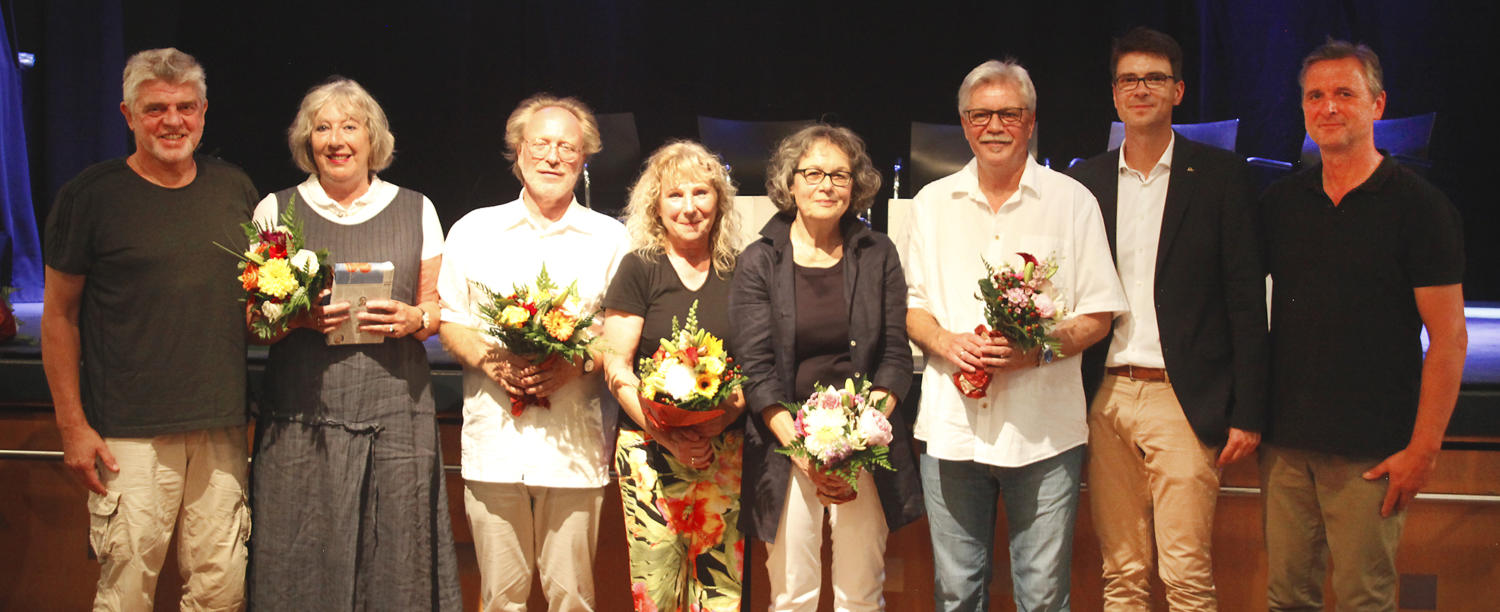
This summer, five teachers are saying goodbye to Steinmühle and beginning their retirement. They are Dr. Dietmar von der Ahe, Rosie Boebel, Wolfgang Reinert, Sigrid Stechmann, and Ulrike Wassum.

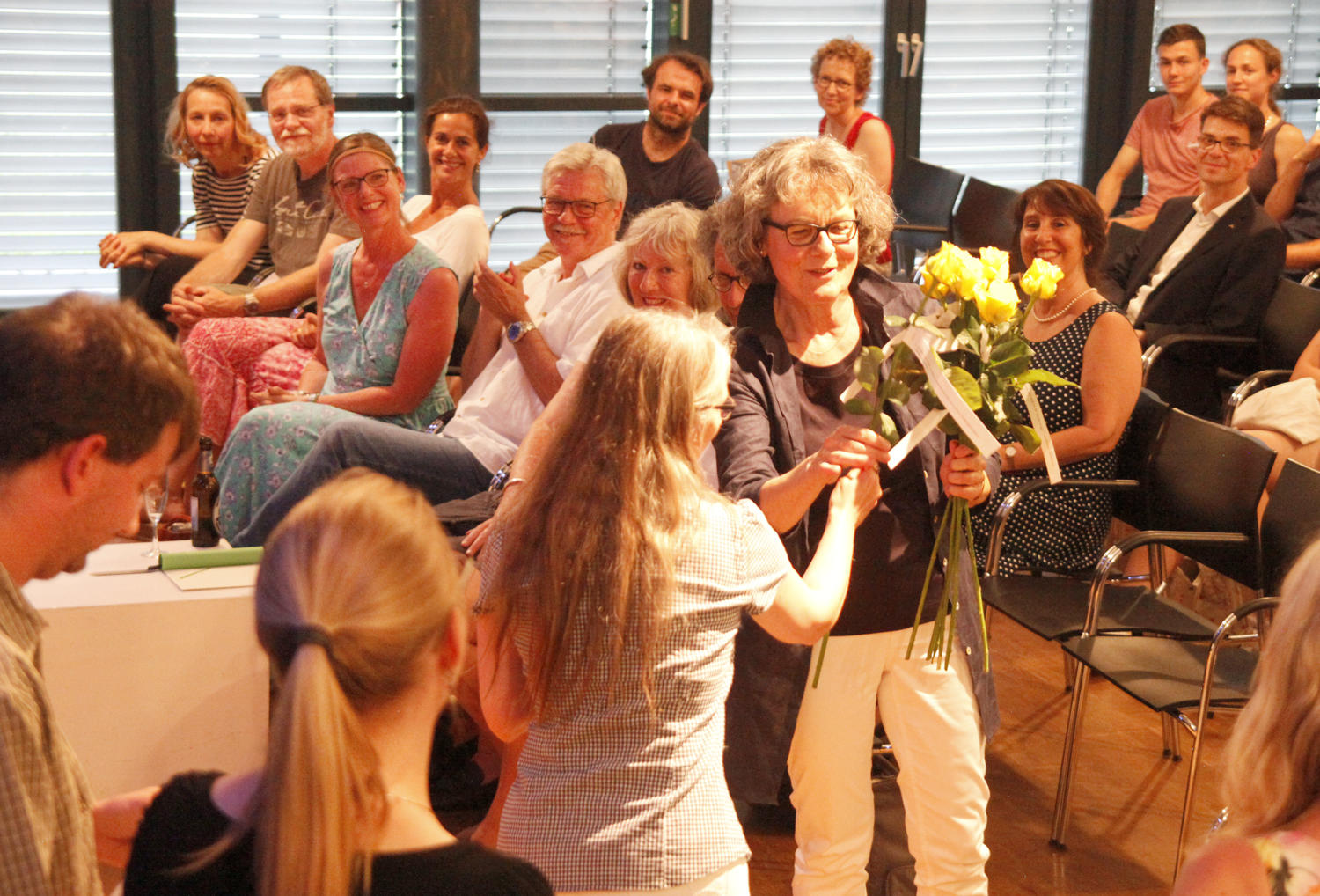
At the Steinmühle Forum, Principal Björn Gemmer paid tribute to the achievements of his colleagues and spoke in detail about their individual contributions over the years and decades. In doing so, he highlighted specific incidents that he either remembered particularly well or that were especially characteristic of the retiring staff members’ work.

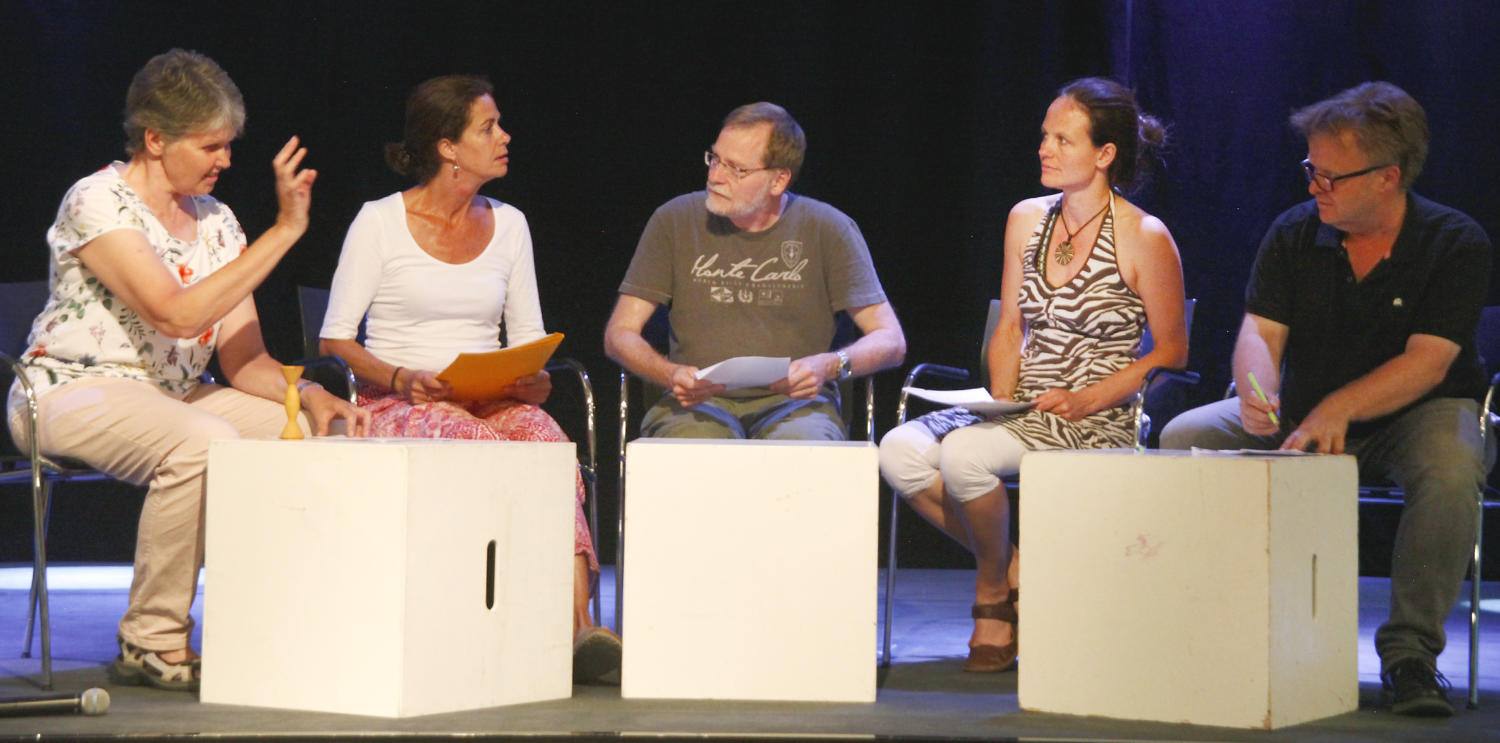
Afterward, the stage belonged to the faculty associations to which the teachers belonged. Through humorous skits, the members took a close look at the characteristics, habits, and behaviors of the long-serving teachers and reflected on certain past events. Both the school administration and their colleagues managed, through their remarks, to use their words to take some of the wistfulness out of the evening.

Dirk Konnertz, executive director of the school association, used the farewell ceremony to thank Tanja Herfert for her four years of service as director of the Steinmühle youth welfare facility. The facility closed at the end of the school year.

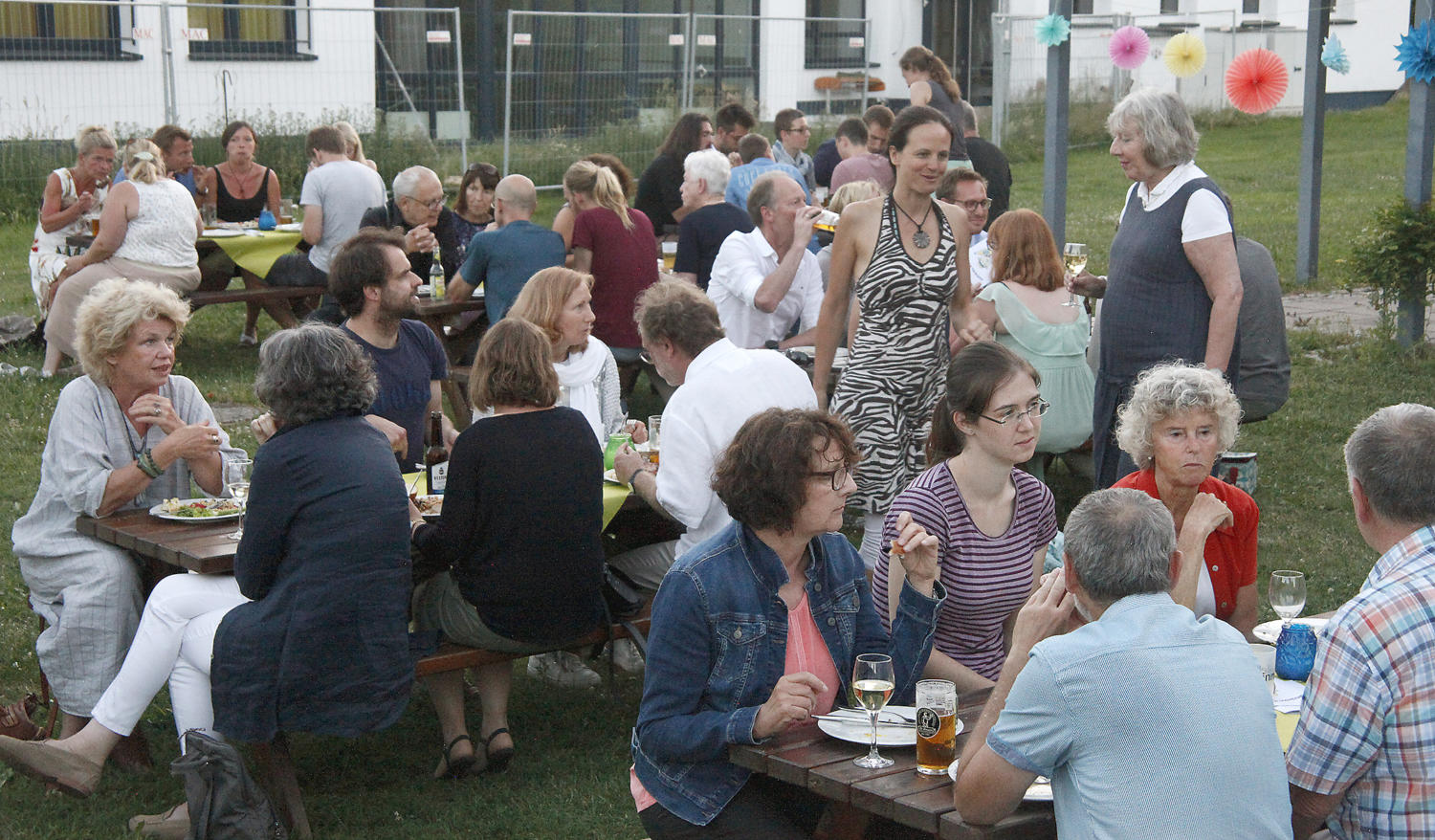
After the many words of praise and reflection, it was only natural that both the honorees and the audience—consisting of the rest of the faculty—began to feel the need for cold drinks and grilled food. As is the case every year, everyone was then able to enjoy the food and refreshments while chatting in front of the Forum. Hardworking hands had set up beer tables and benches there. Sausages, steaks, salads, and the radiant evening sun ensured that the evening came to a pleasant culinary conclusion.
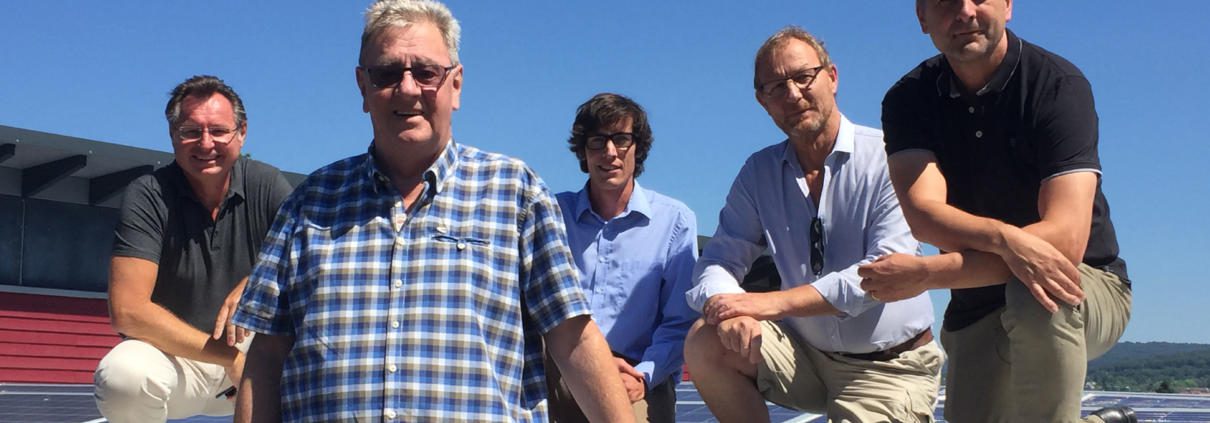
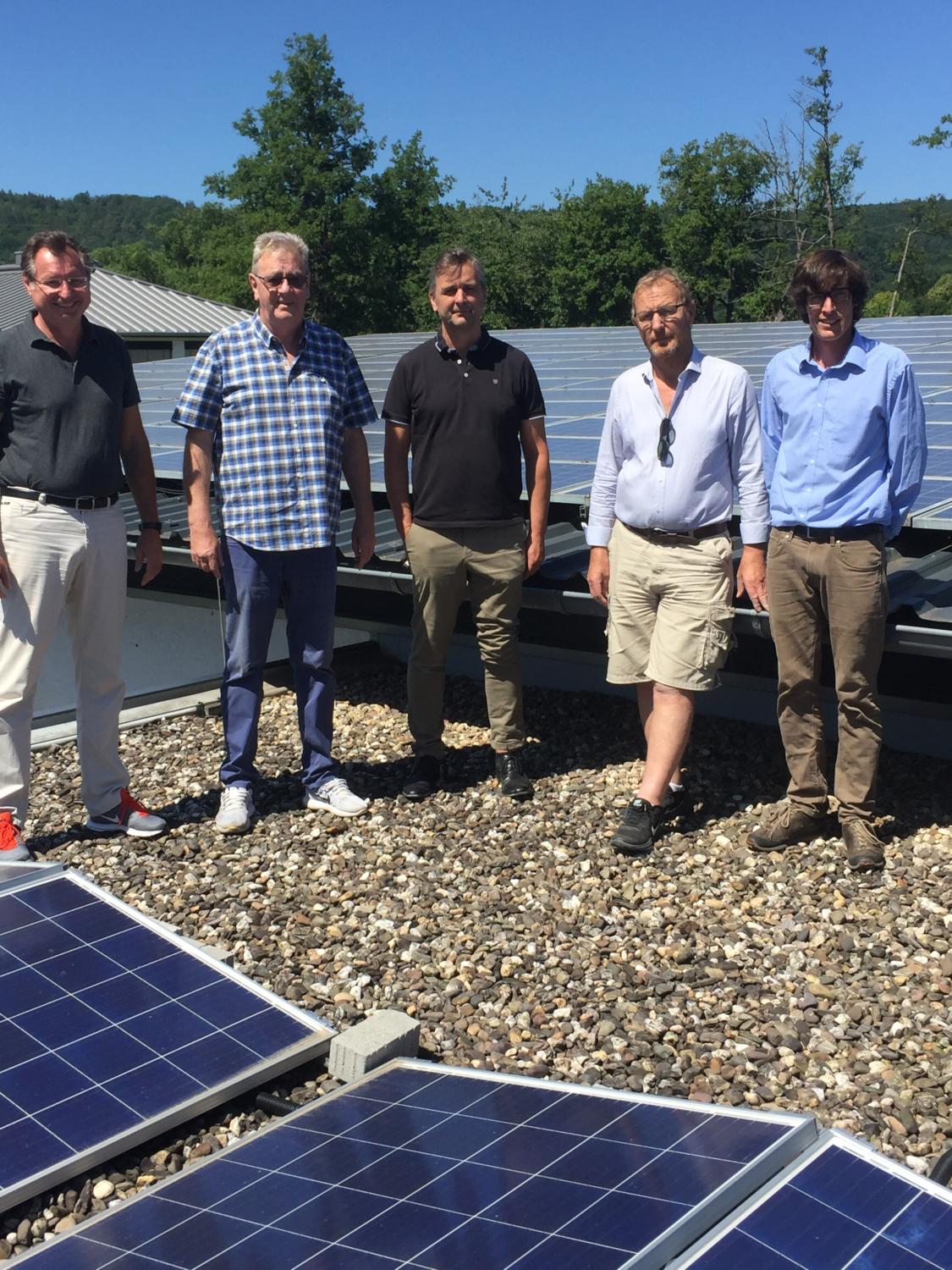
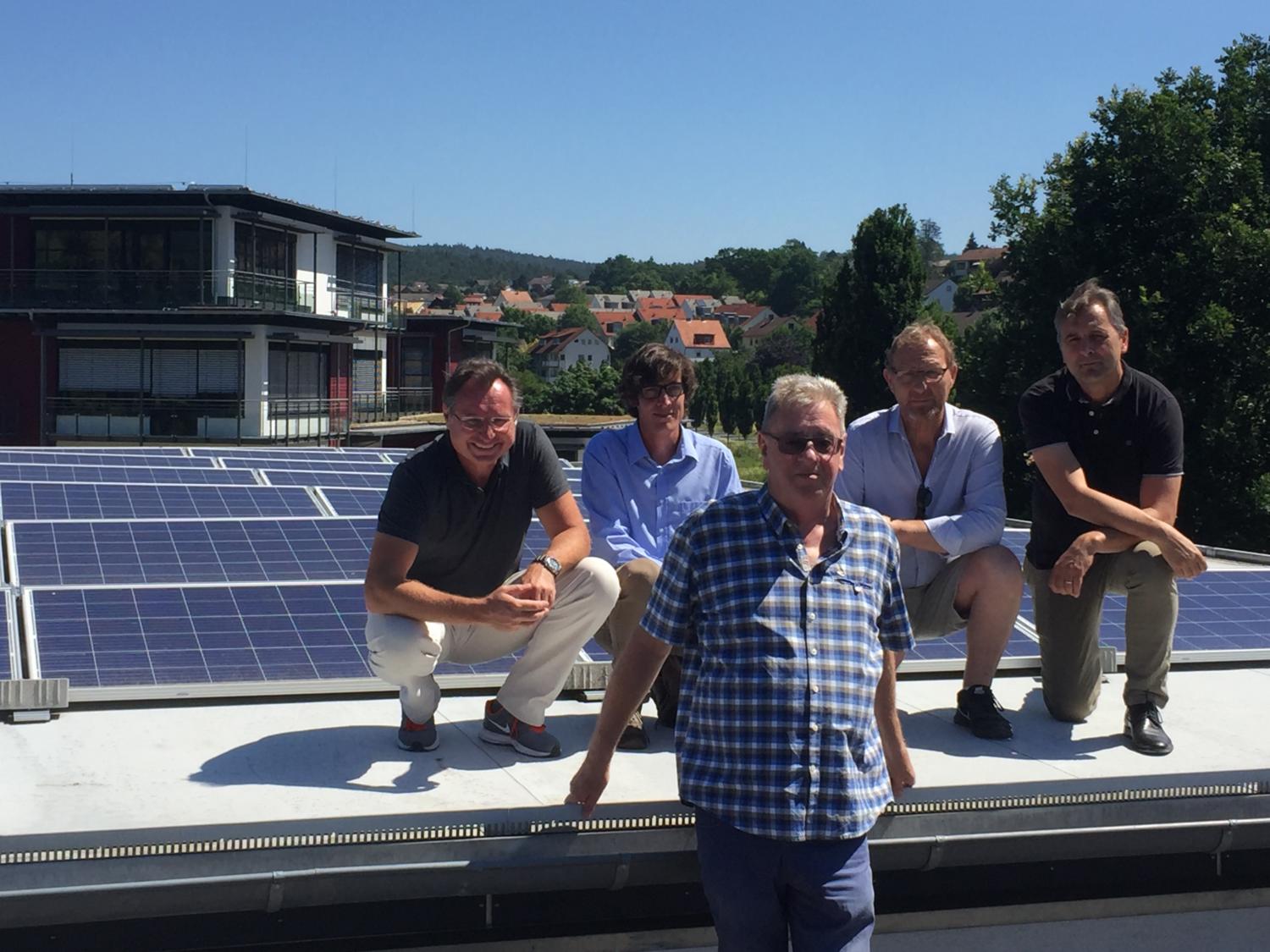
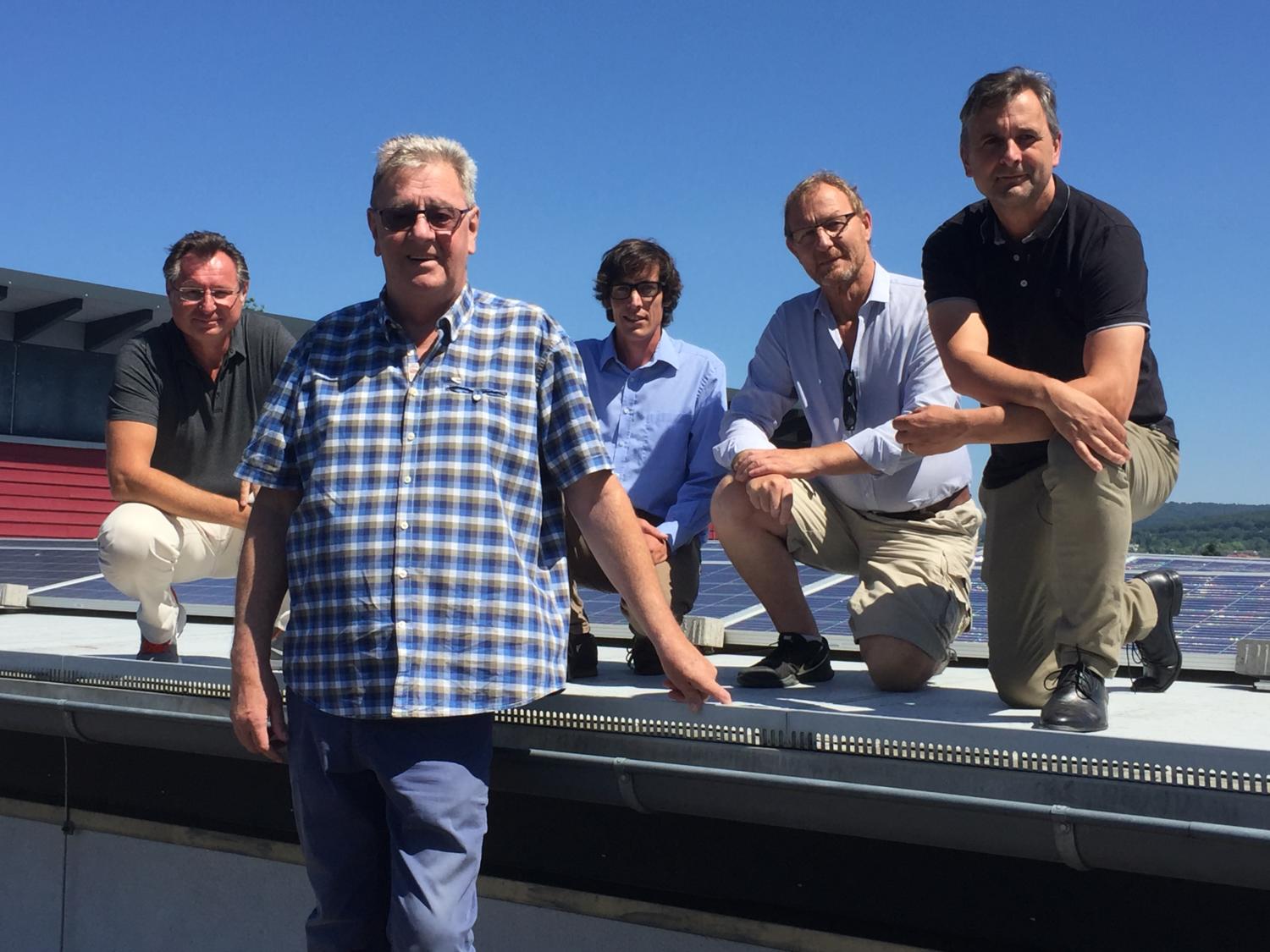
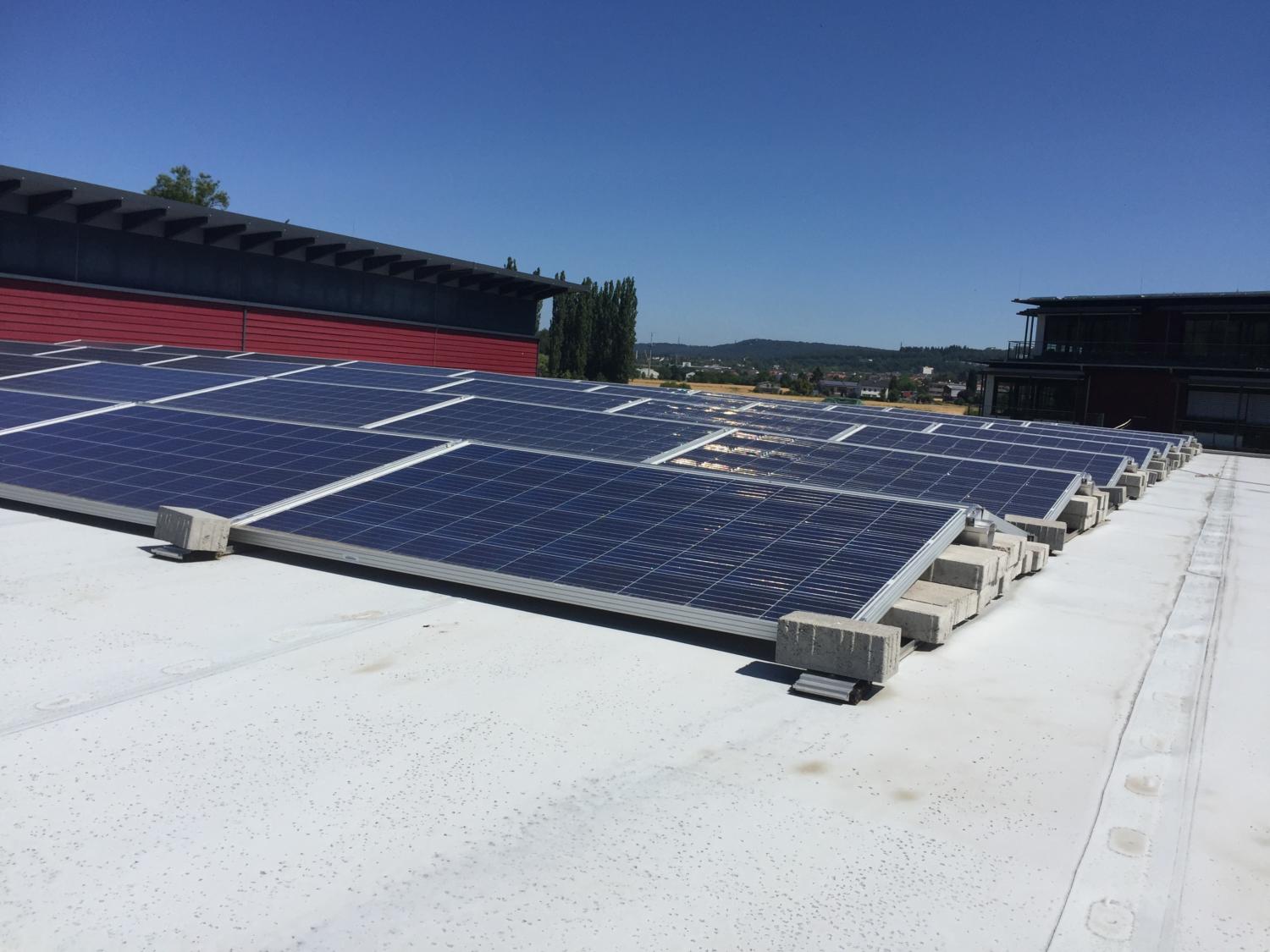
Steinmühle is stepping up its efforts to promote renewable energy. Additional photovoltaic systems have recently been installed on the roofs of Steinmühle. Egon Vaupel, chairman of the Steinmühle Marburg School Association, inaugurated the systems together with representatives of the Sonneninitiative association and school principal Dirk Konnertz on the last day of school before summer break.
“The school association is making the roofs of the School Forum and the new ‘Atrium’ building available to the Sonneninitiative association. The association, in turn, makes them available to interested citizens who want to generate environmentally friendly solar power there,” Konnertz reported, explaining: “For us, this project is another step toward utilizing renewable energy.” Steinmühle already has its own hydroelectric power plant, which covers its own electricity needs and feeds surplus electricity into the grid.
With the continued installation of solar panels on buildings—part of the Schulforum was already equipped with its own system and has now been expanded in cooperation with the Sonneninitiative association—the Steinmühle is on the right path toward the future: “We are considering installing solar panels on additional buildings.”

Sonneninitiative e.V., a Marburg-based association led by Volker Klös, is organizing the project and handling the accounting. It already operates 250 community solar power plants.

The Steinmühle community solar power plant can generate up to 125 kilowatts of solar power. This can reduce carbon dioxide emissions by 91 metric tons annually. The annual electricity generation of 122,000 kilowatt-hours would be sufficient to meet the private electricity needs of approximately 40 households in Marburg.


Steinmühle Community Solar Power Plant, Marburg

Additional data:

Capacity: 125 kWp
Area: 780 m² net module area
Lifespan: 30–40 years
Shading: none
Owners: 10 citizens
Total cost of the system: approx. 150,000 euros
Annual electricity revenue: 13,500–14,000 euros

On class project day, students regularly engage in activities outside of school. The goal is to experience life “out there,” and often there are specific tasks the students set for themselves. It’s not uncommon for these to involve social service. Class 8a, for example, recently dedicated itself to serving the community. Teacher Gisela Opper reports:

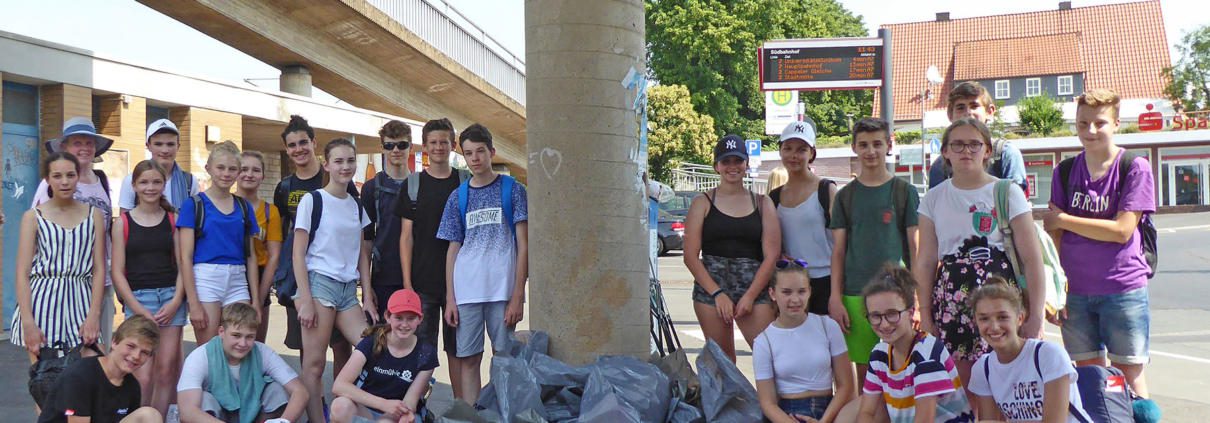
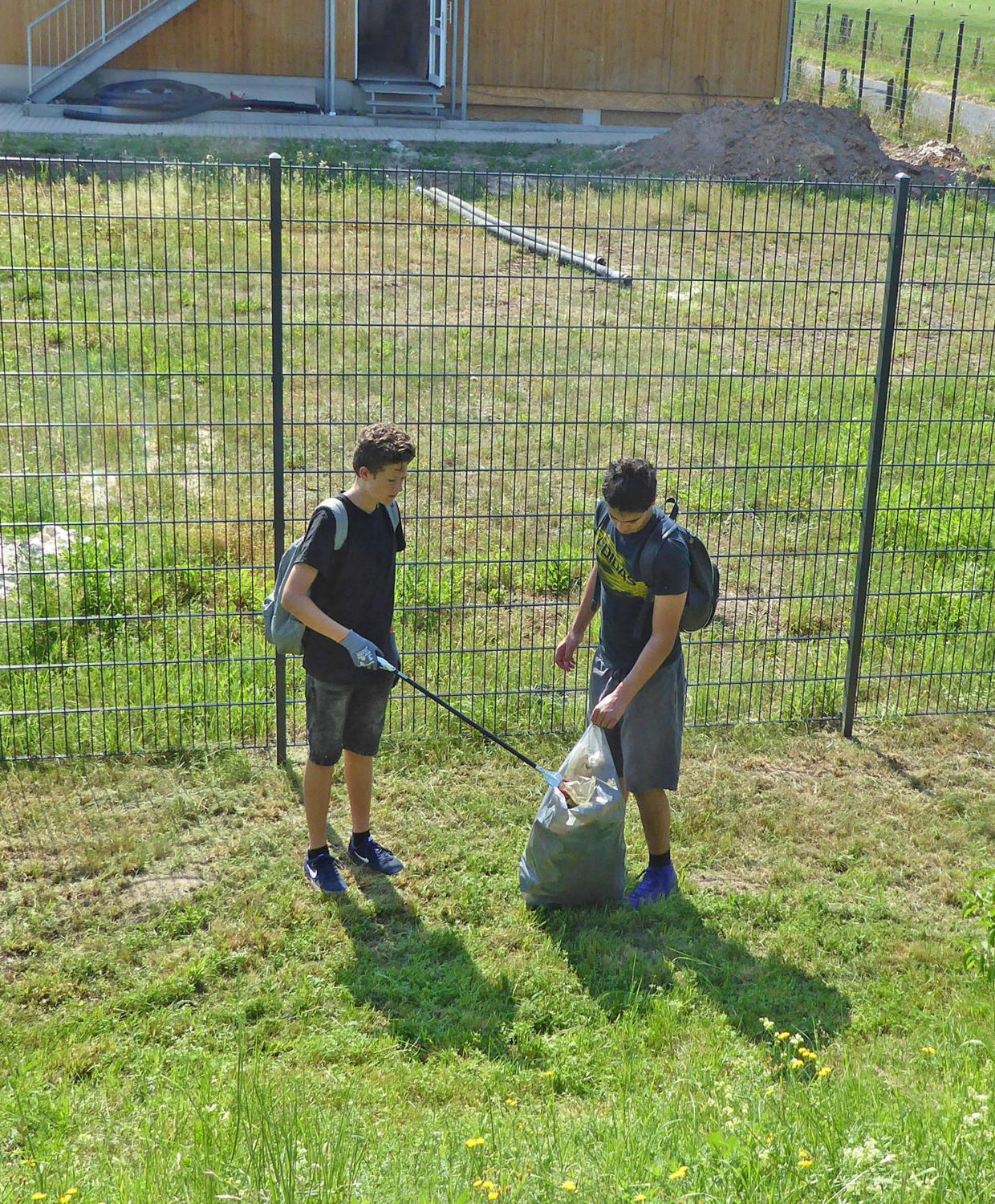
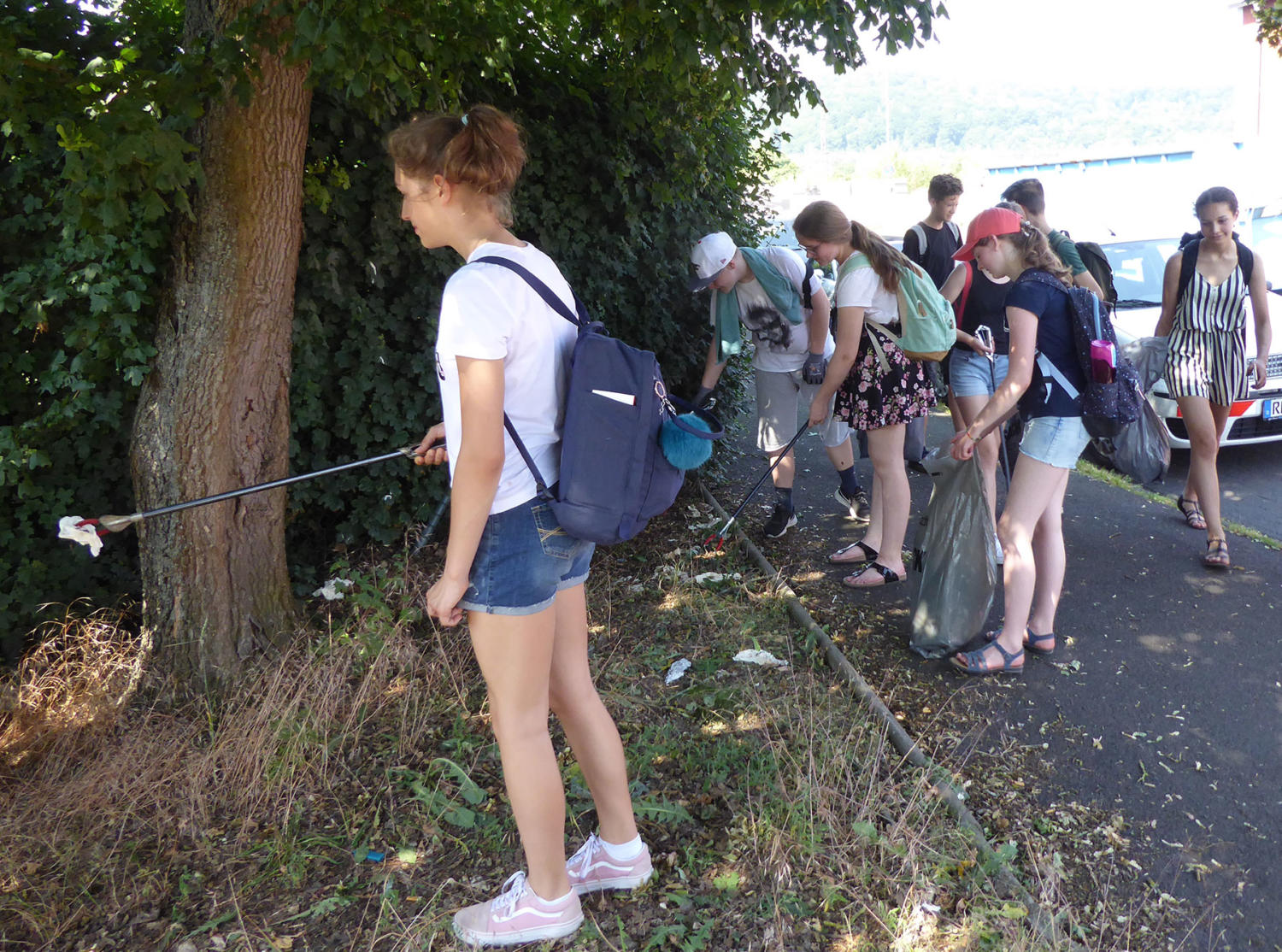
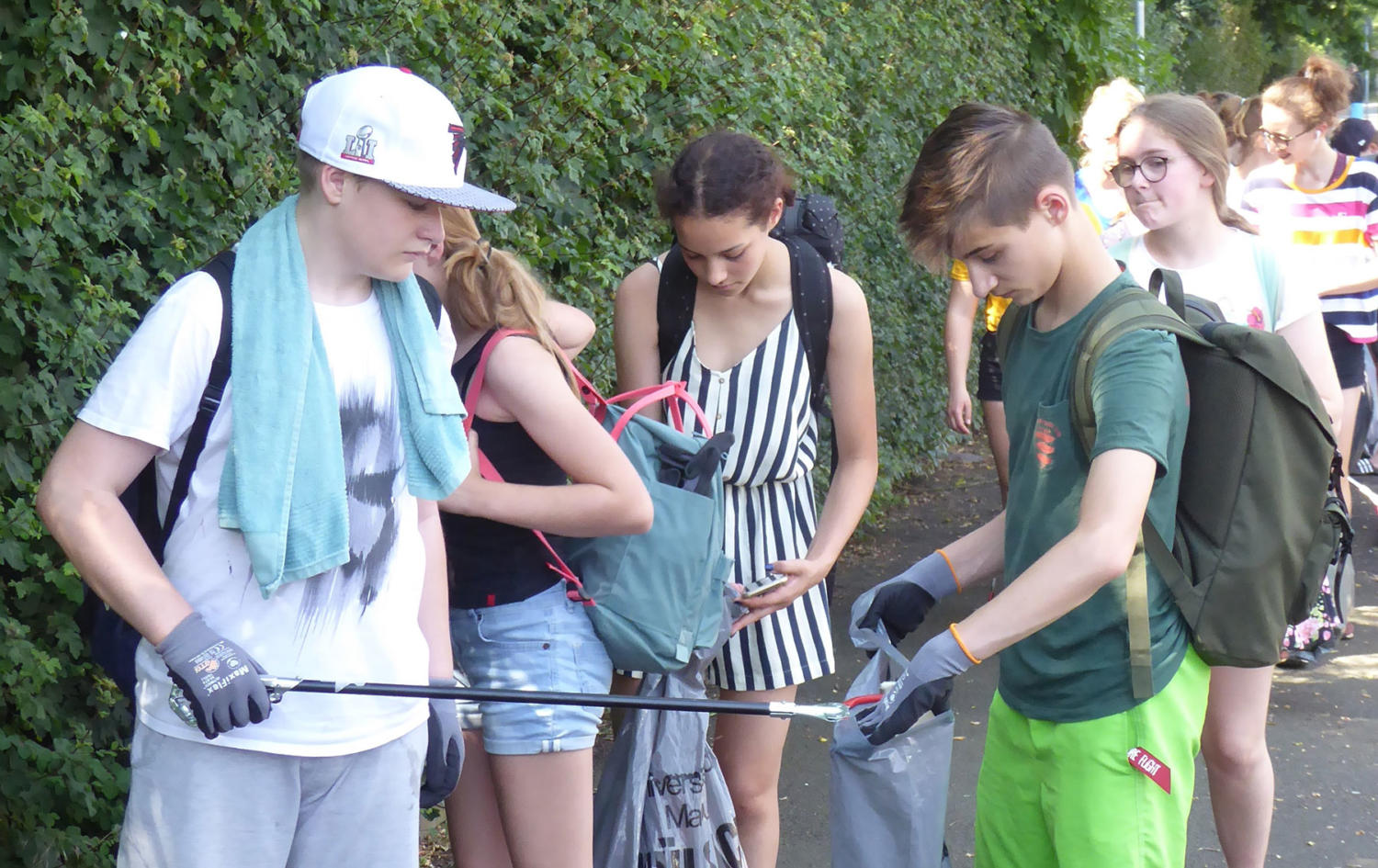
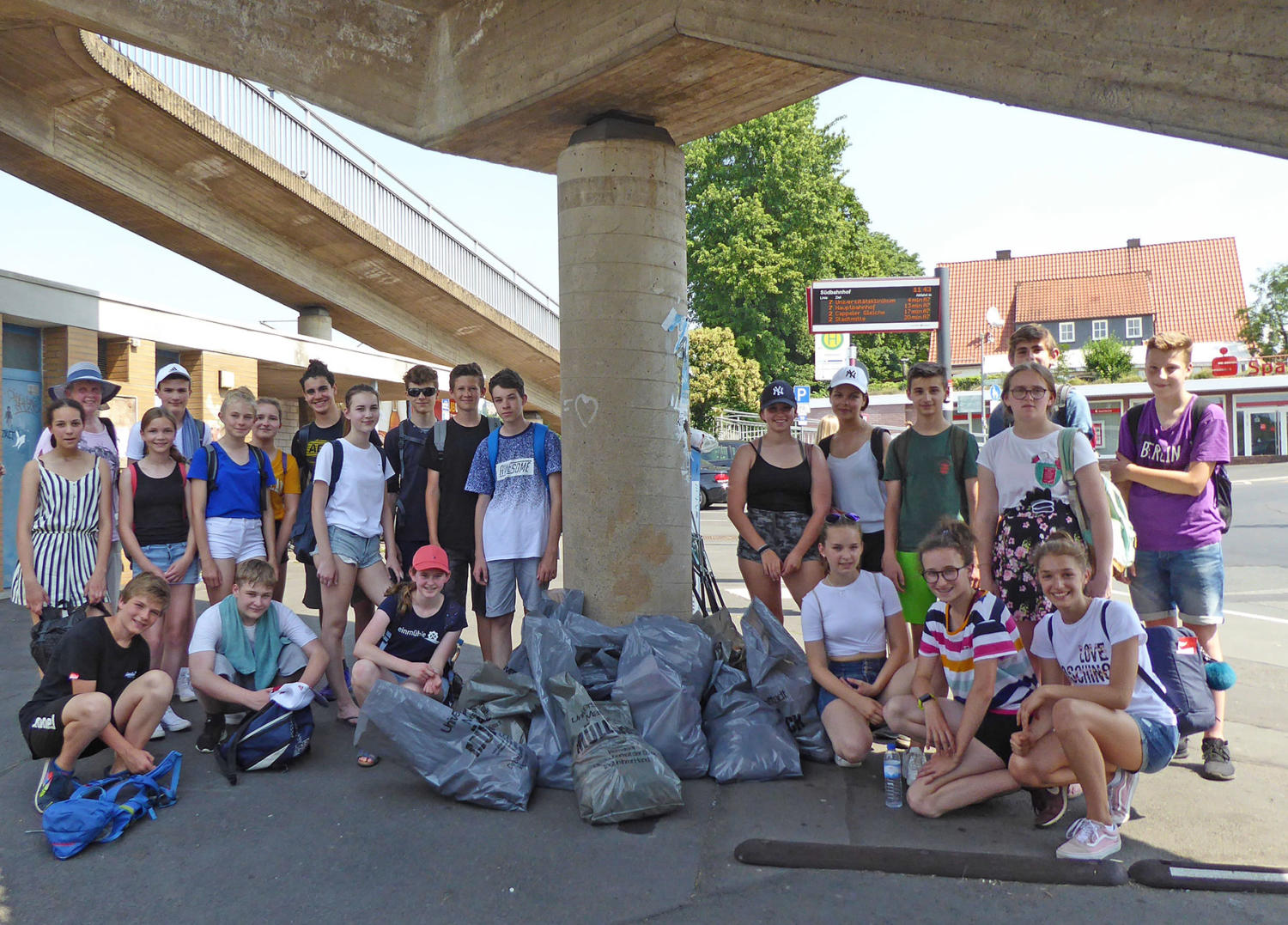
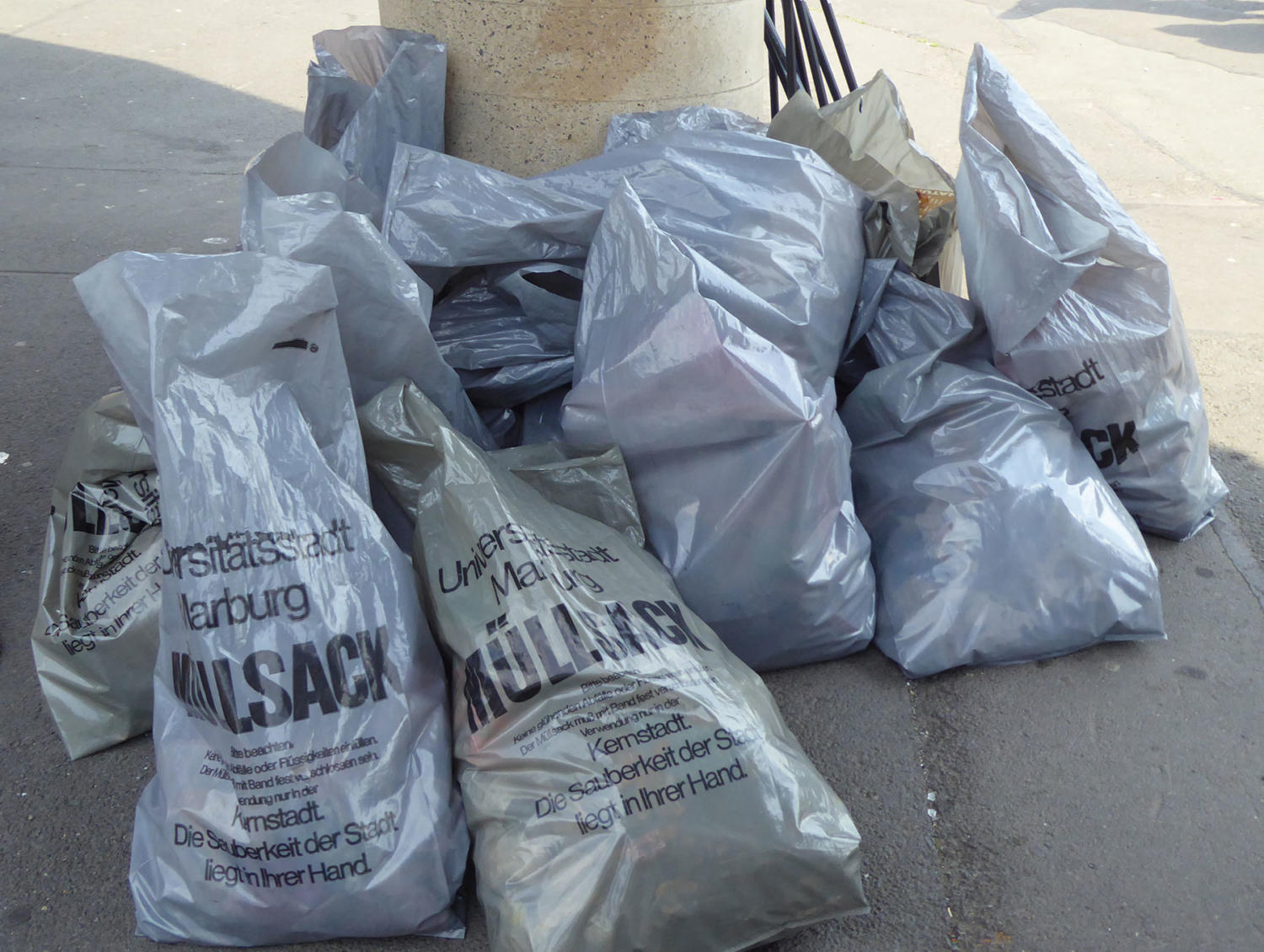
On the class project day, after having breakfast together, Class 8a took part in the “Cleaner Way to School” campaign. Some students had explored the topics of “plastic waste in water” and “waste prevention” as part of their water-related project, so participating in this campaign was a natural fit. Equipped by the DBM with trash grabbers, trash bags, and gloves as needed, they walked from the Steinmühle to the Südbahnhof. Along the way, they eagerly collected paper, various types of packaging, bottles, cans, bottle caps, hundreds of discarded cigarette butts, and all sorts of unidentifiable items. “A cool activity—we could do this again, maybe with the whole school,” was one comment. The plan to walk all the way to Rudolfsplatz was abandoned due to time constraints and the intense heat. This allowed some students to take a well-deserved dip in the cool water at the lake afterward.

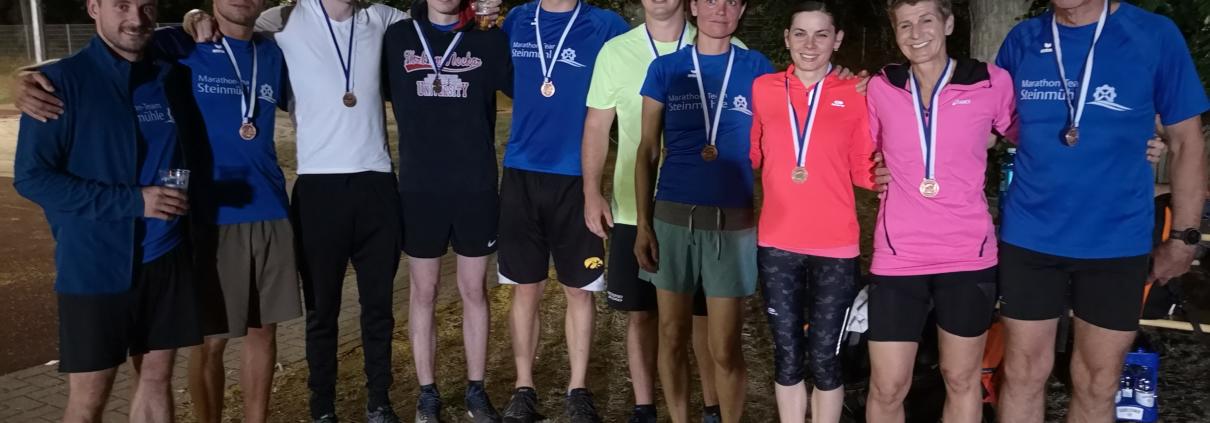
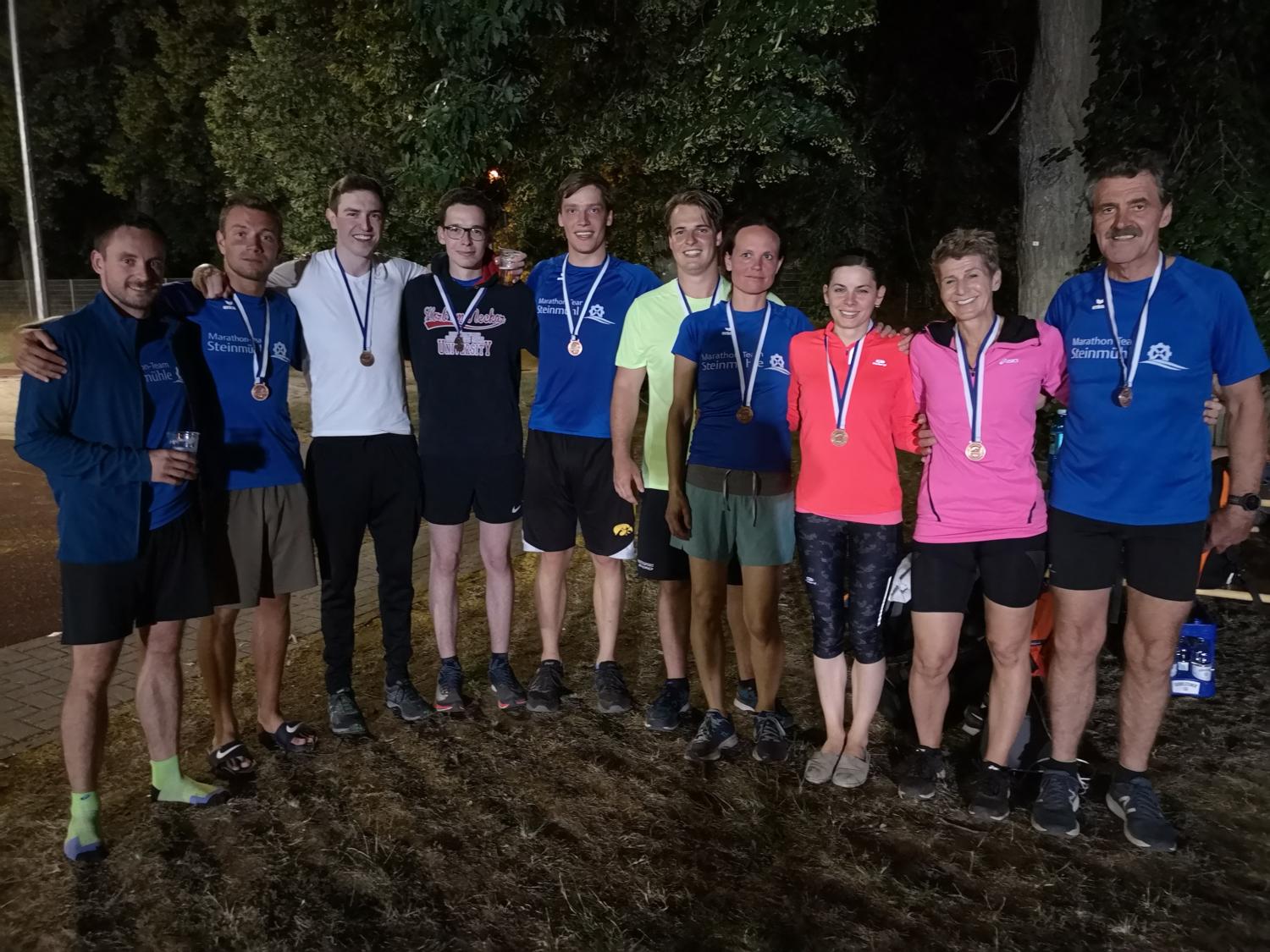
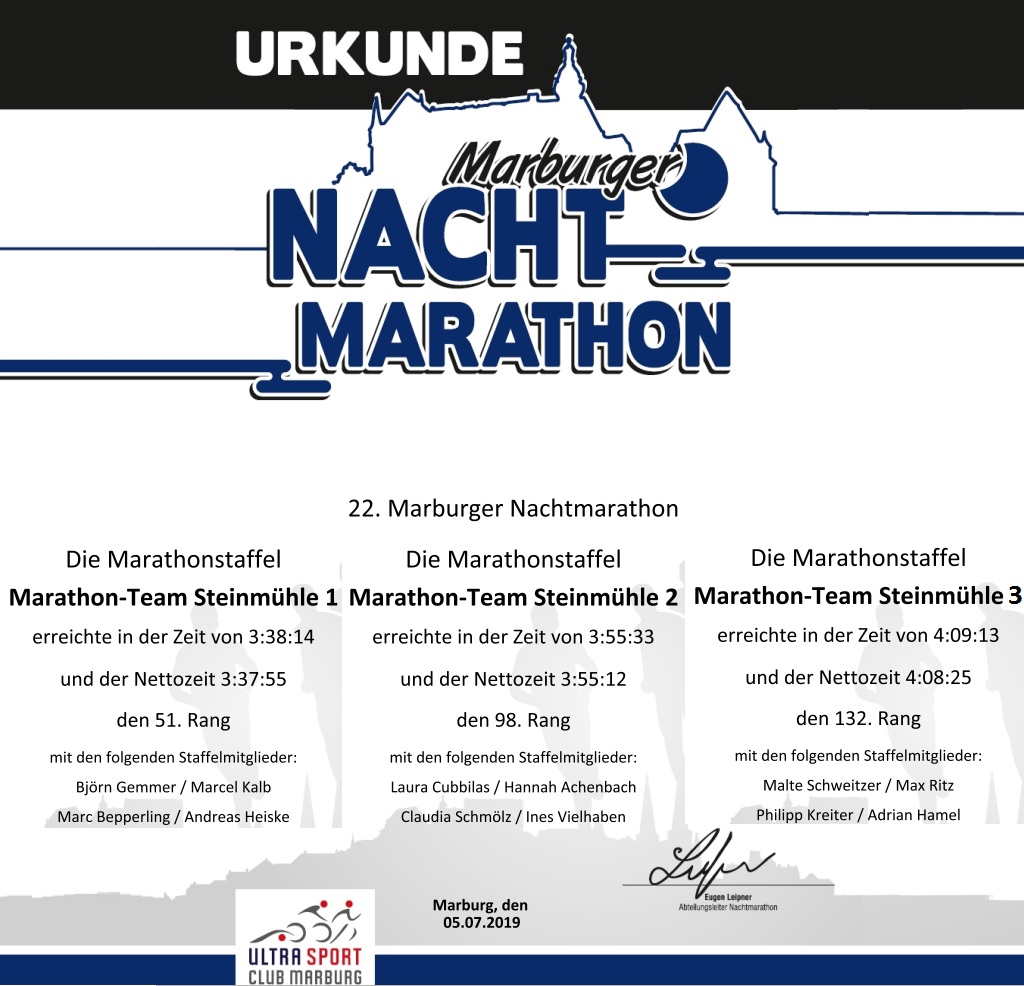
With the support of several new teachers and former students, a group of dedicated participants from Steinmühle took part in this year’s Night Marathon.

Due to the summer break, only a small number of participants gathered for the sporting event this time. In particular, no current students were available due to scheduling conflicts. However, the active participation of alumni from the classes of 2015 and 2016 demonstrated their traditional connection to the event. Steinmühle has now participated in the Marburg sports event for the seventh consecutive year, with initiator Dr. Andreas Heiske and Principal Björn Gemmer taking part every year. “Next year, we’re aiming for even greater participation. It’s essential that we keep this tradition alive,” they said in unison.
The group photo of the three classes shows (from left): Marcel Kalb (student teacher), Marc Bepperling (teaching assistant), Max Ritz (alumnus), Philipp Kreiter (alumnus), Adrian Hamel (alumnus), Malte Schweitzer (alumnus), Ines Vielhaben (teacher), Hannah Achenbach (teacher), Dr. Claudia Schmölz (chair of the parents’ council), Dr. Andreas Heiske (teacher). Missing from the photo are Laura Cubillas (teacher) and Björn Gemmer (principal).
mde

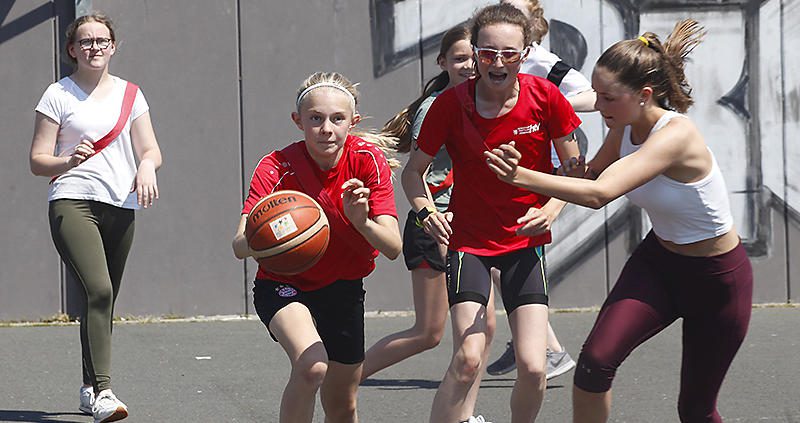
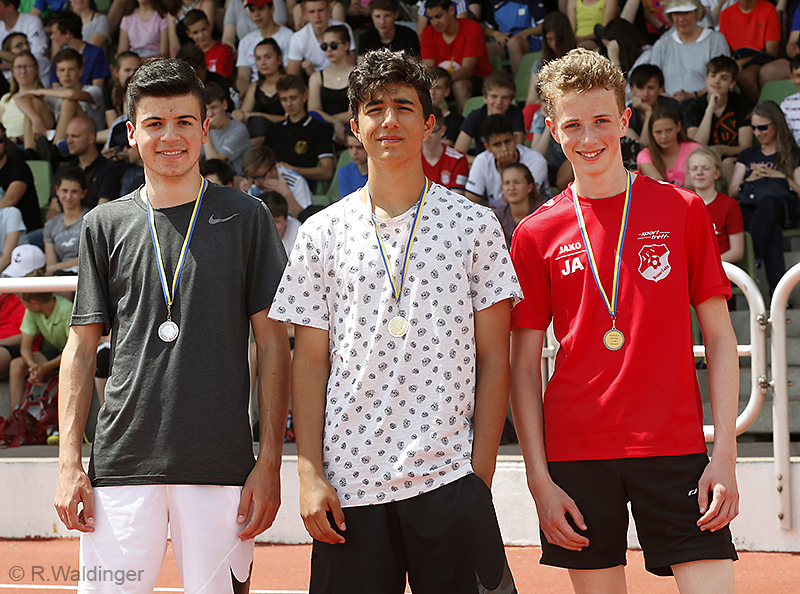
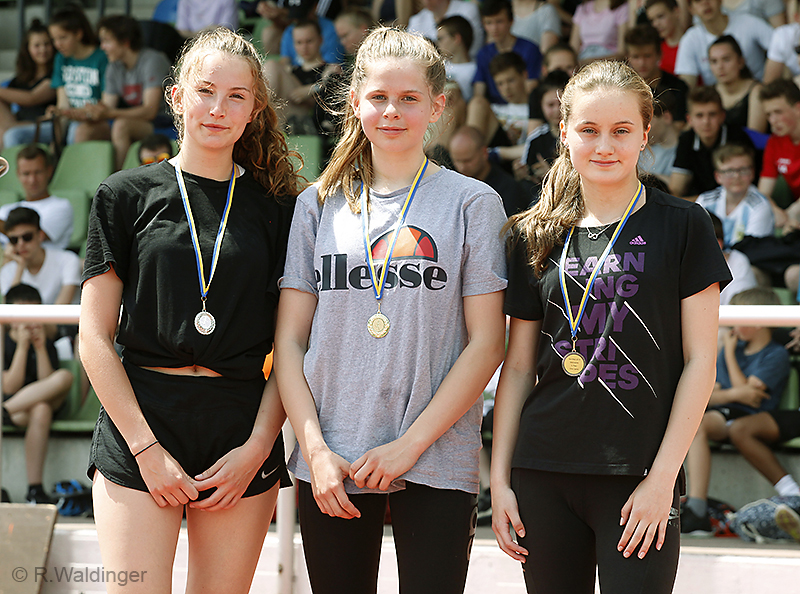
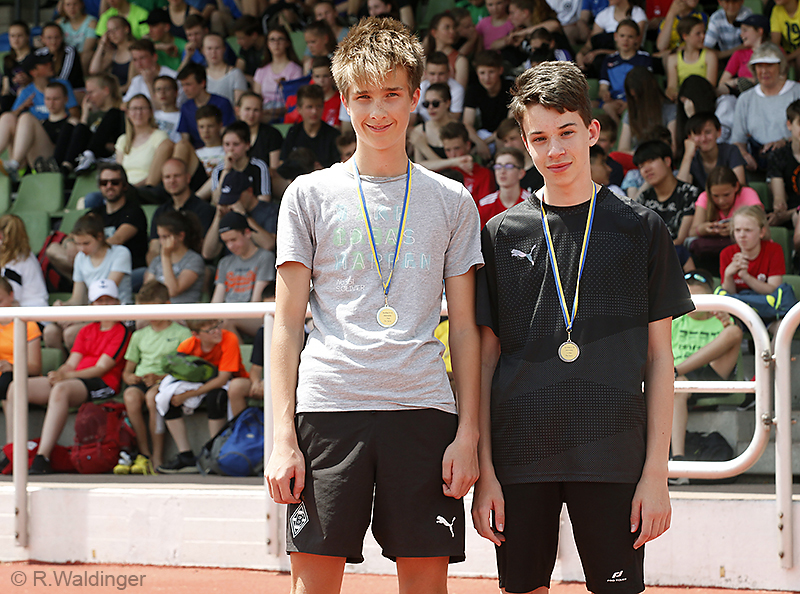
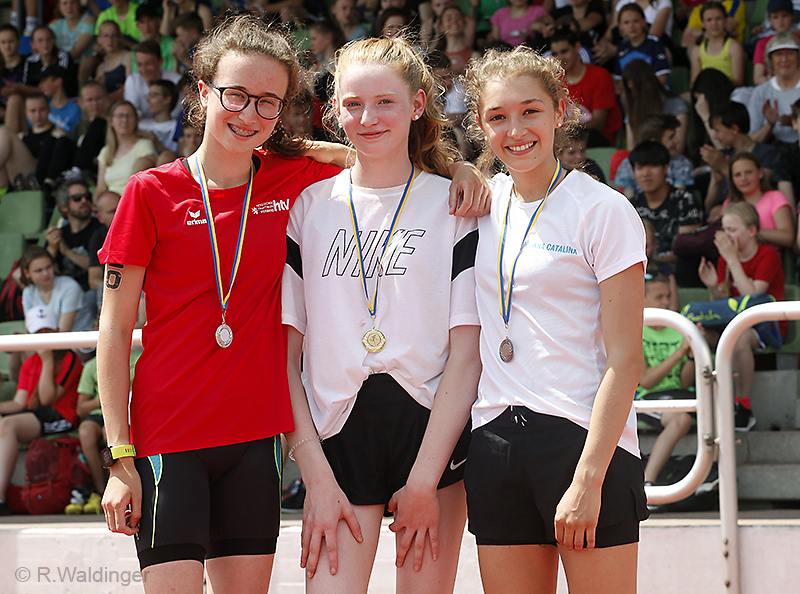
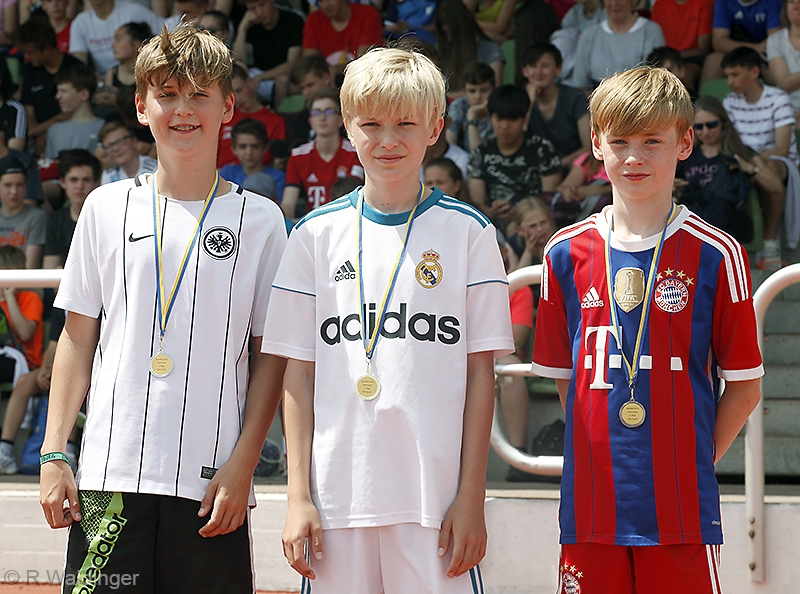
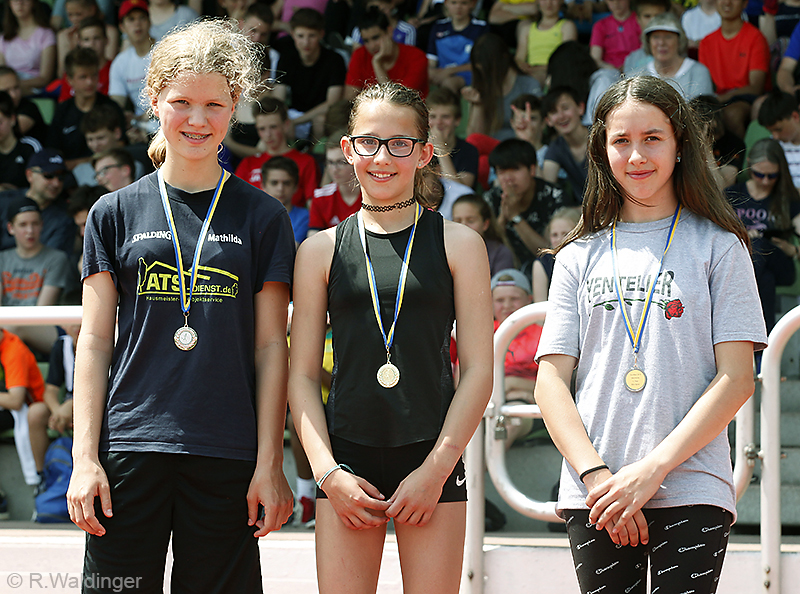
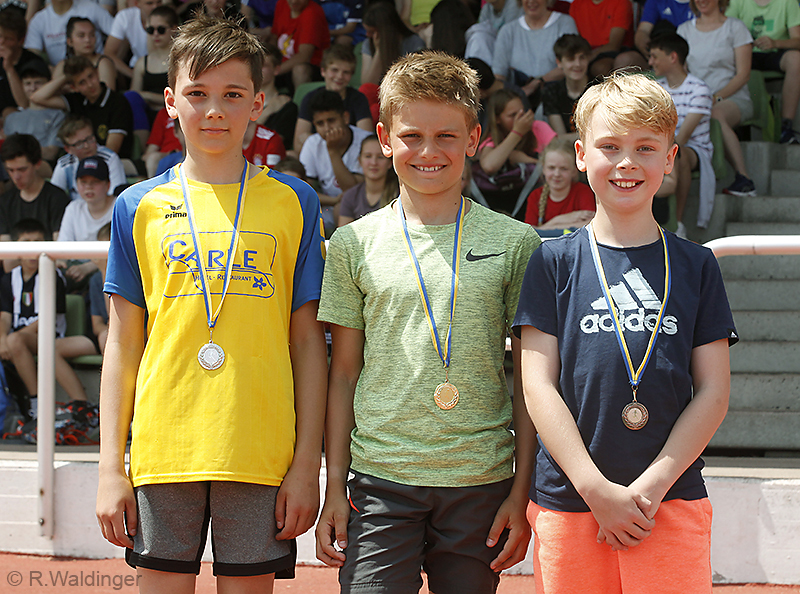
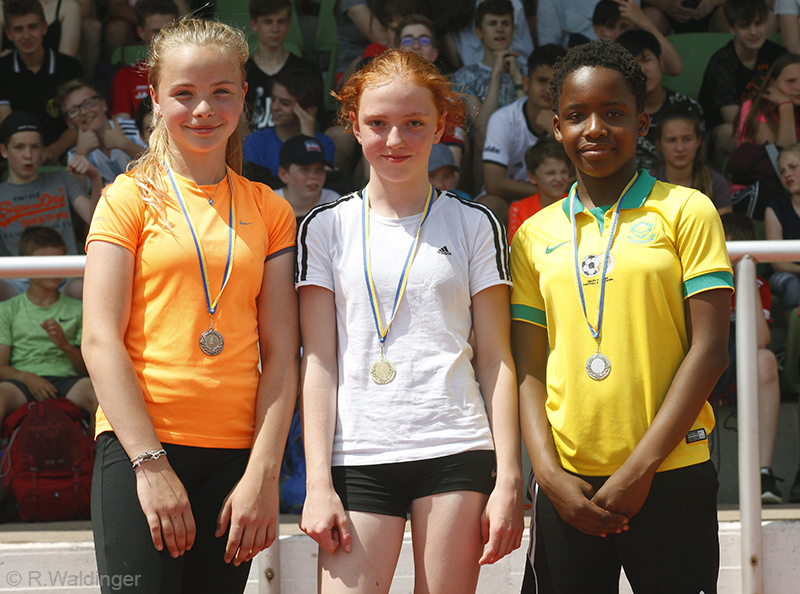
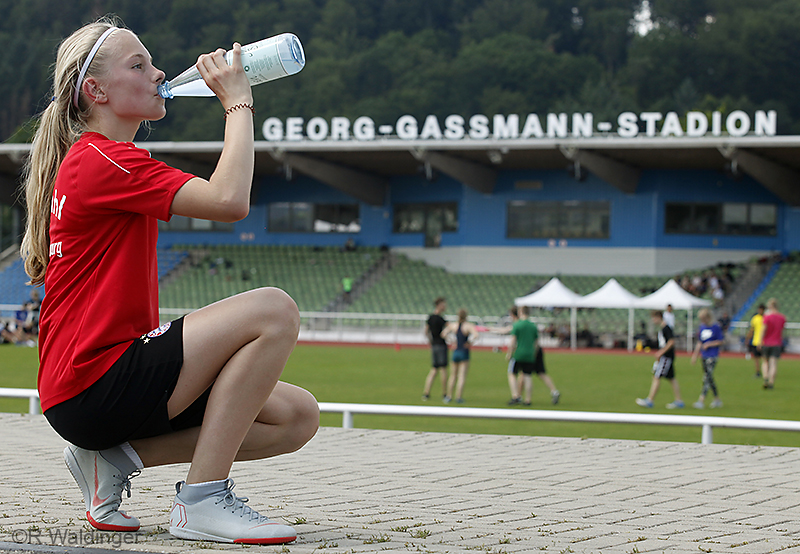
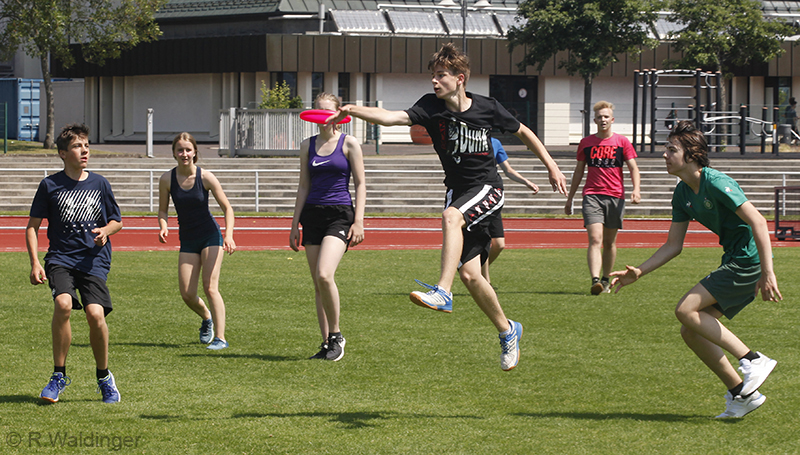
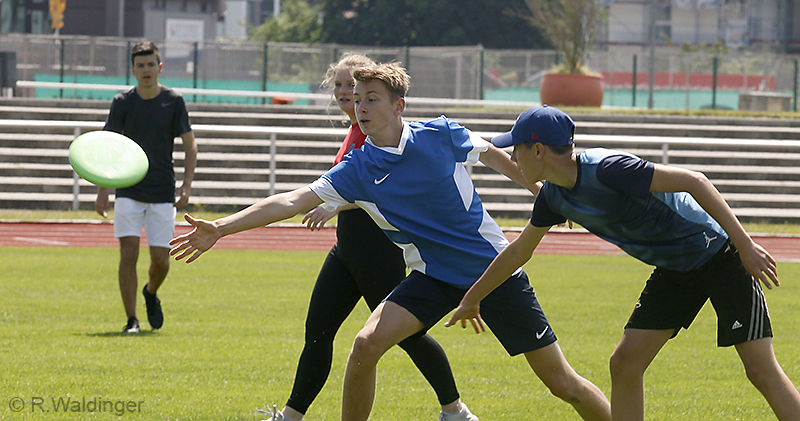
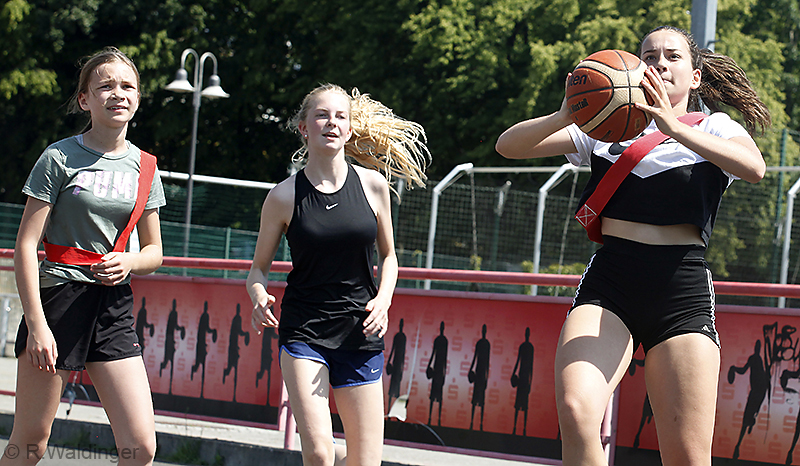
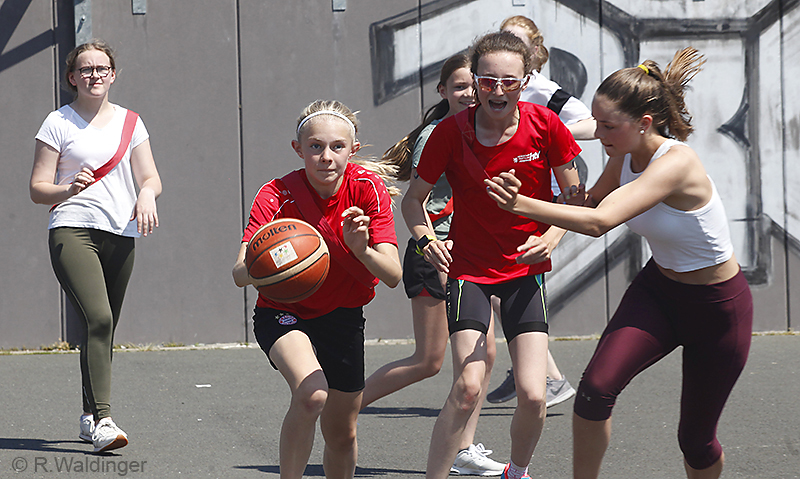
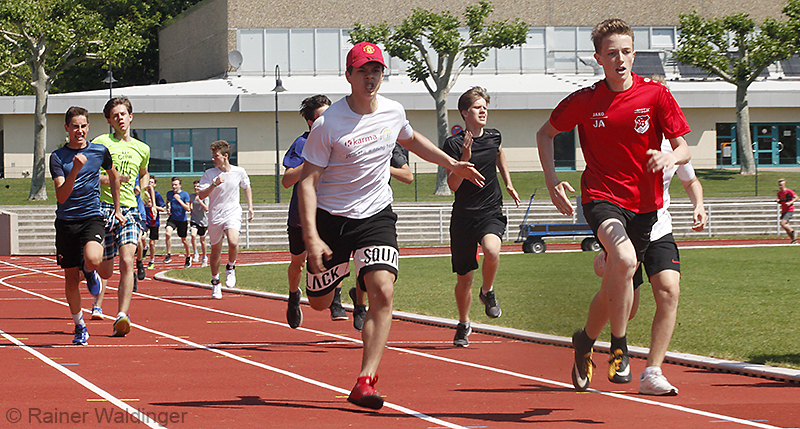
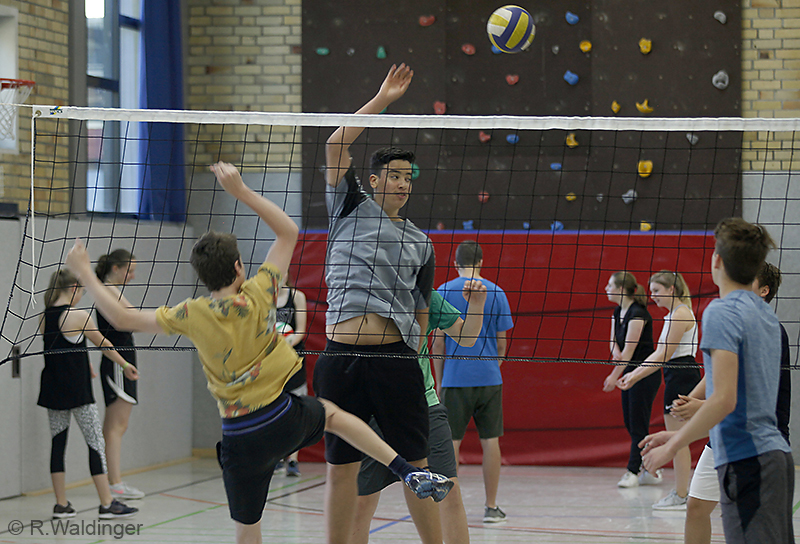
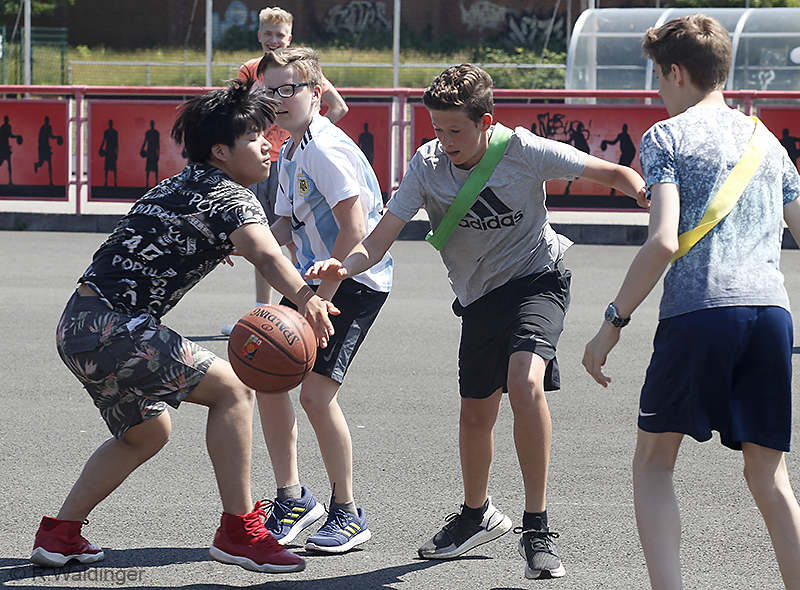
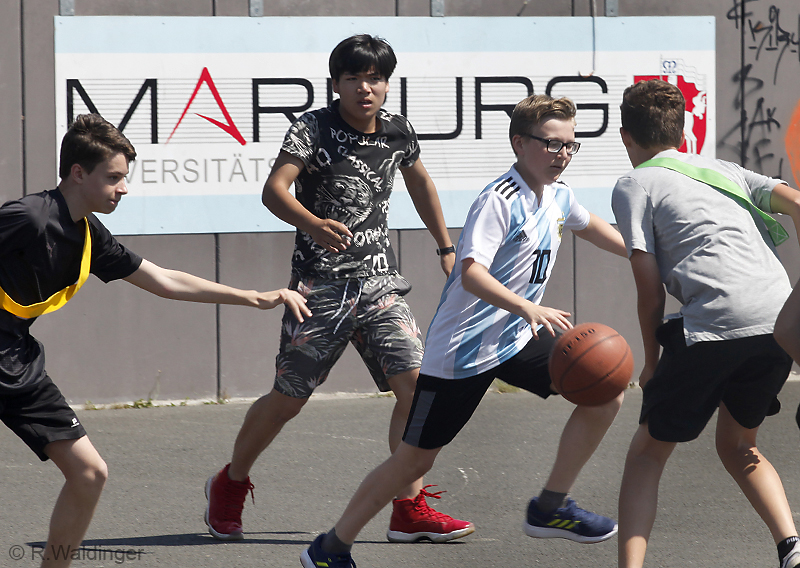
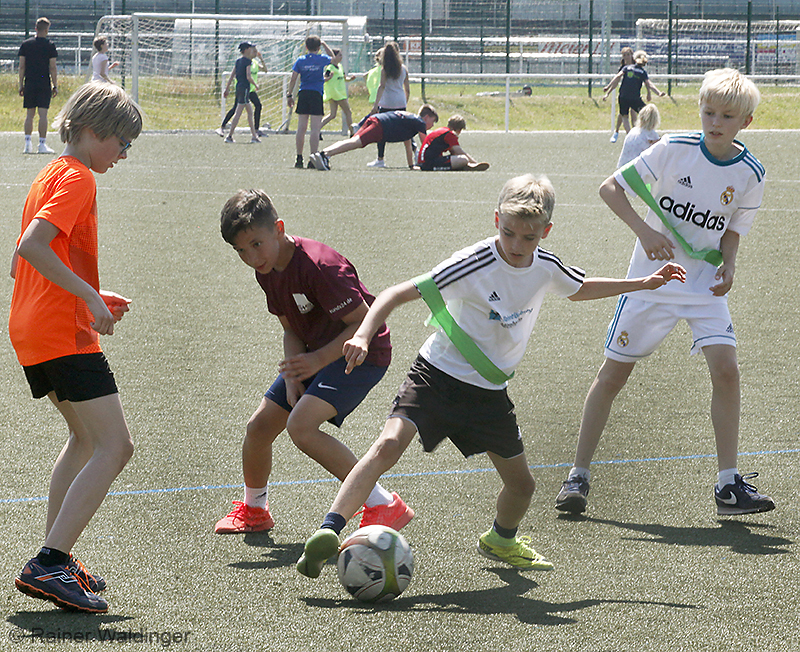
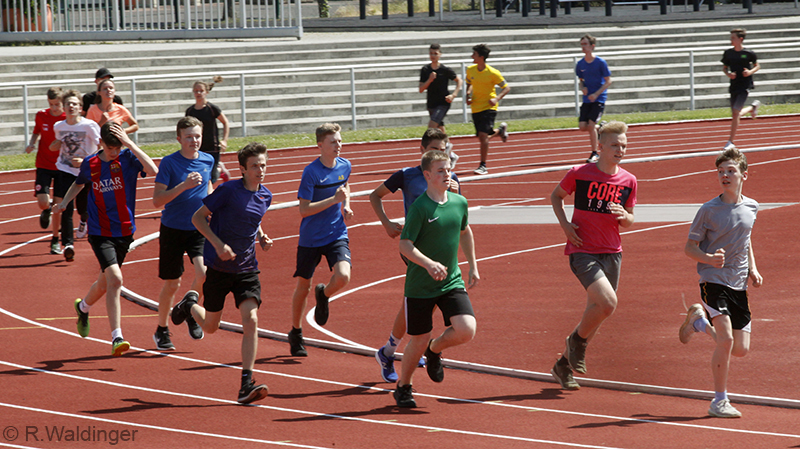
Once again this year, the Lower Secondary School Sports Day was on the schedule. While the 10th-grade classes, led by Patric Hahn (Steinmühle Boarding School), held a volleyball tournament, the younger students competed in several events at Georg Gassmann Stadium as part of the Federal Youth Games. School athletic director and organizer Michael Neirich was assisted in running the event by various colleagues from Steinmühle. Students received medals and certificates for their strong performances in the individual disciplines. These achievements also serve as the basis for earning the 2019 German Sports Badge. In addition to the running events (sprint/endurance) of the National Youth Games, this year’s class champions were also determined in the sports games dodgeball (Grade 5), soccer (Grade 6), basketball (Grade 8), and Ultimate Frisbee (Grade 9). Sports Day ended at 1:00 p.m.

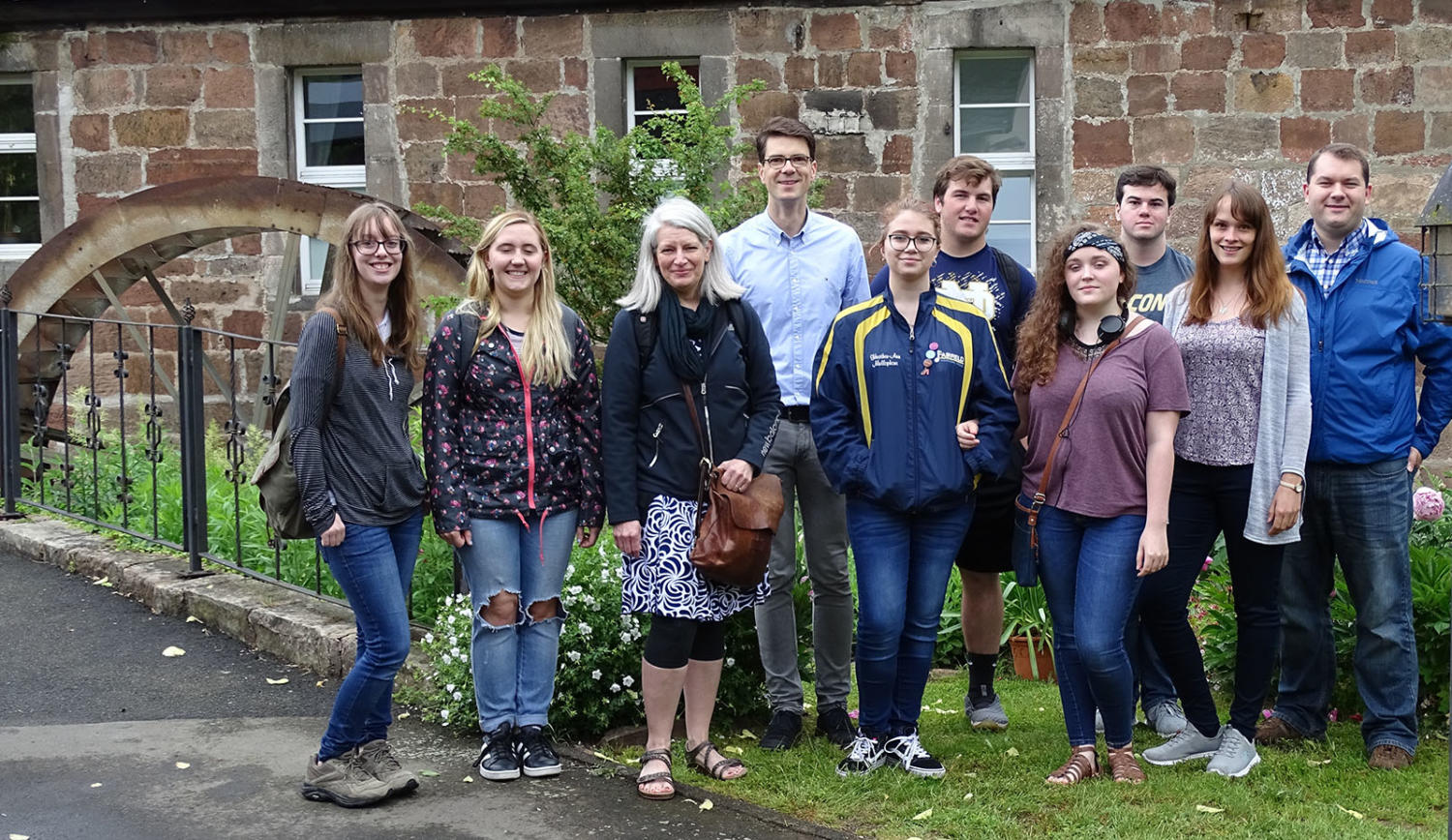
The exchange program with the U.S. is a well-established tradition at Steinmühle. This spring, it was organized by English teacher Eva Stelz, with her colleague Rosie Boebel contributing her many years of experience. Eberhard Wieth accompanied the group on the trip to the U.S. as the second teacher traveling with them.

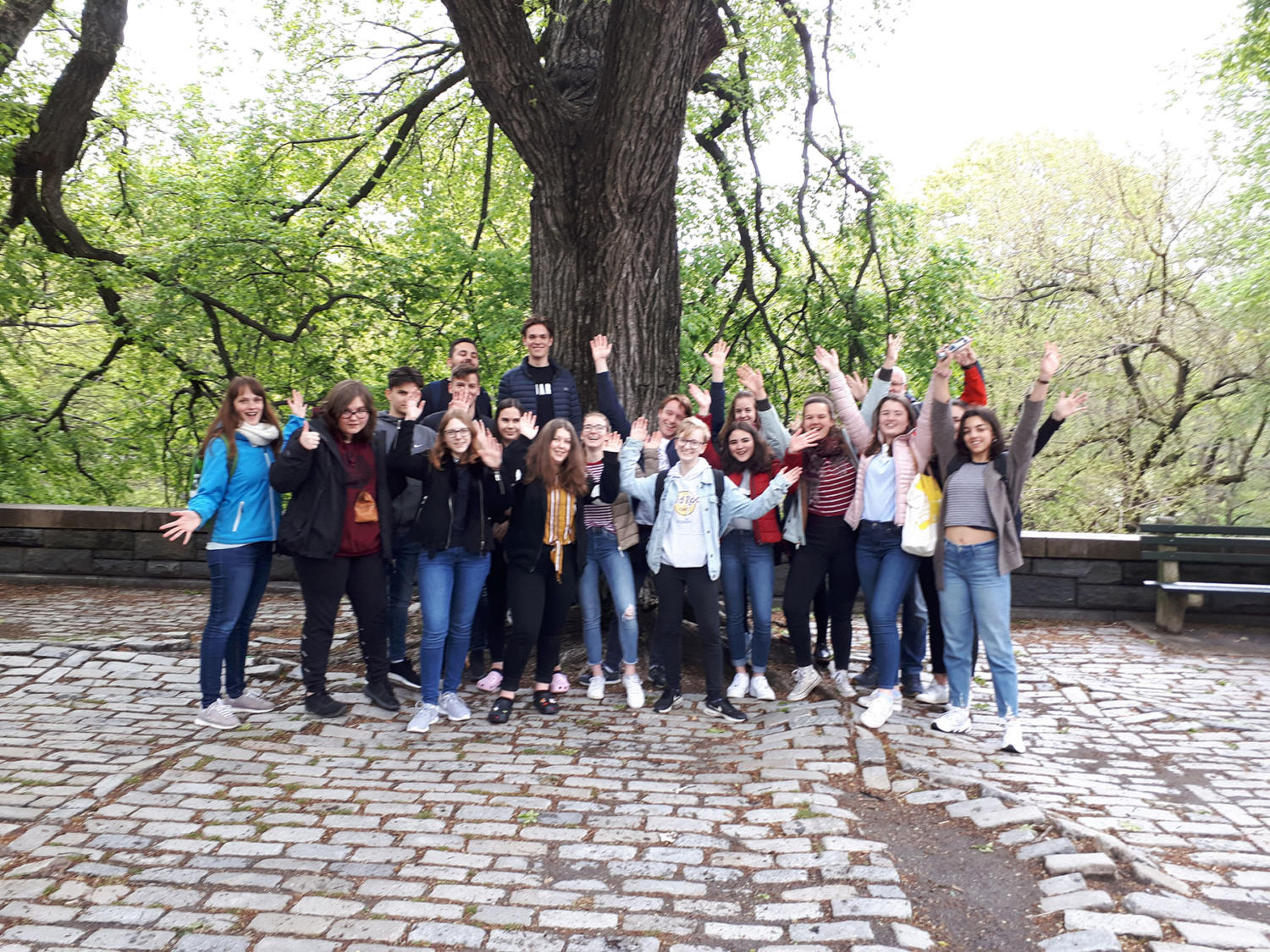
First, the Steinmühle students were in Goshen, where they accompanied their exchange partners to class. “Everyone got a taste of typical high school life,” reports Eva Stelz. In the third week, the group visited Chicago and New York City. Of course, a souvenir photo in front of Central Park was a must. The Americans’ return visit to Steinmühle took place from June 5 to 19. The itinerary included, among other things, a trip to the Rhine.

The trip boosted motivation to use the language

There’s no doubt that the students were able to gain a wide range of experiences through the exchange. Eva Stelz: “Above all, however, they were able to greatly improve their language skills, since they spent every day with their host families and had to speak English there. It was clear that they can now speak much more fluently and that their motivation has generally increased thanks to the wonderful experiences they had in an English-speaking country.”