

In-School Teacher Professional Development 2024: Toward a New School Day Model
At the 2017 conference on the future of Steinmühle 2025, one central message stood out: 25 hours are enough! What this meant was that the curriculum requirements should easily be able to be covered within 25 class hours in a way that puts the focus on student learning, and that offering students more choices would be a valuable way to strengthen their motivation for independent learning. Furthermore, students could be encouraged to identify their own areas of focus when engaging with—or rather, their own lives within—the shared world. According to Deci and Ryan’s self-determination theory from the 1990s, self-determination and self-efficacy—along with strong social integration—are still considered central aspects of successful learning today.
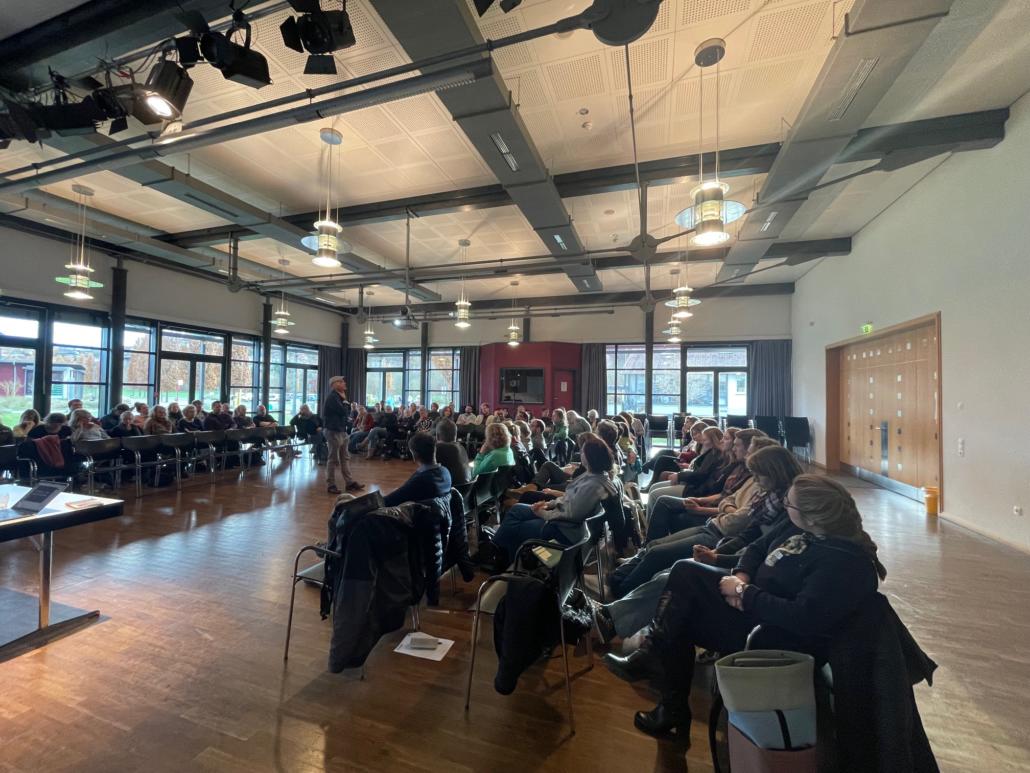
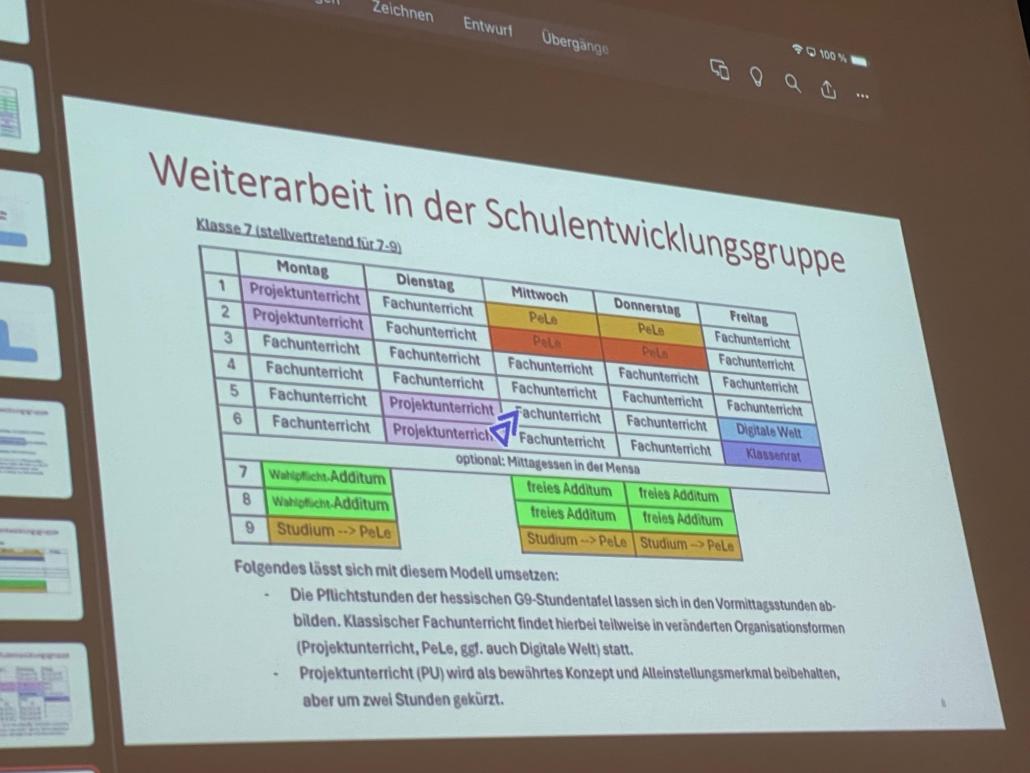
Despite interruptions during the COVID-19 years, Steinmühle has continued to pursue this focus over the years through a school development group comprising teachers and parents, right up to the present day. On November 25–26, as part of the school’s internal teacher training program (SchiLF), the goal was to address the following next steps with regard to the previously outlined draft of an improvement-oriented school schedule model: We considered,
1. Which projects should be retained in a project-based course with a slightly reduced time allocation, and
2. what attractive offerings could be included in a new elective track; numerous suggestions from the boarding school clubs were incorporated into this plan. The main focus was on
3. to further develop what we have known so far as a degree program into an even more coherent form of independent, personalized learning (PeLe)—on the second day, in-depth discussions followed on what successful coaching, as an essential supporting component, might look like. Finally, another group
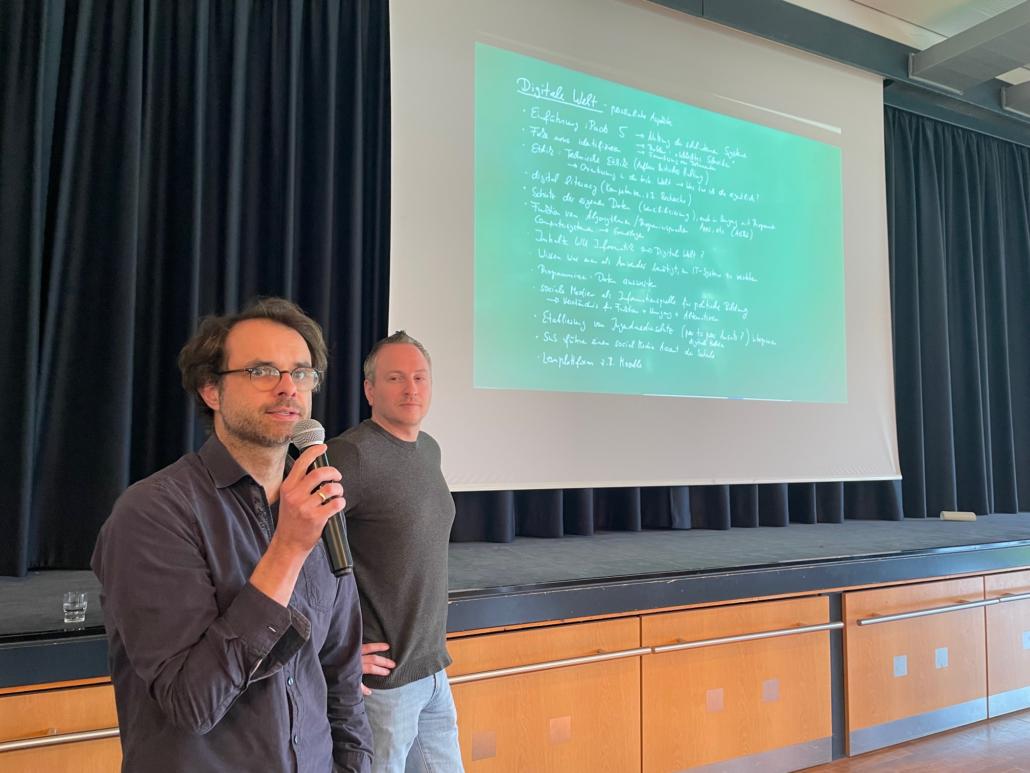
4. Considered ideas for a compelling concept for the new subject of digital learning.
About the Many Possibilities of AI Tools
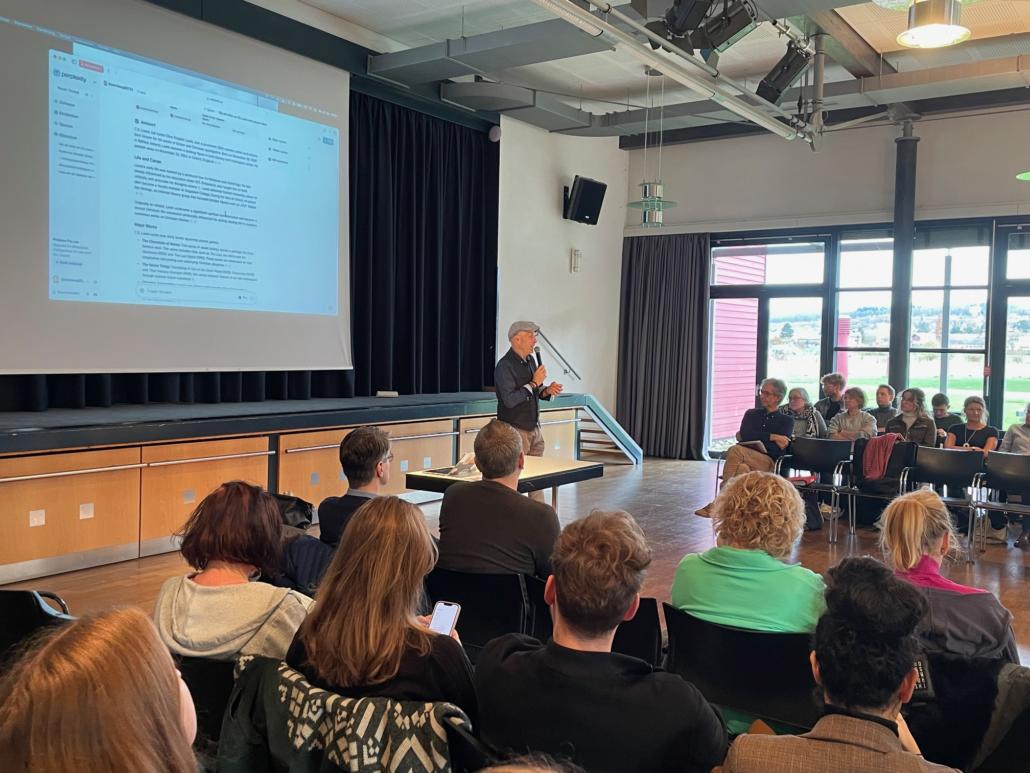
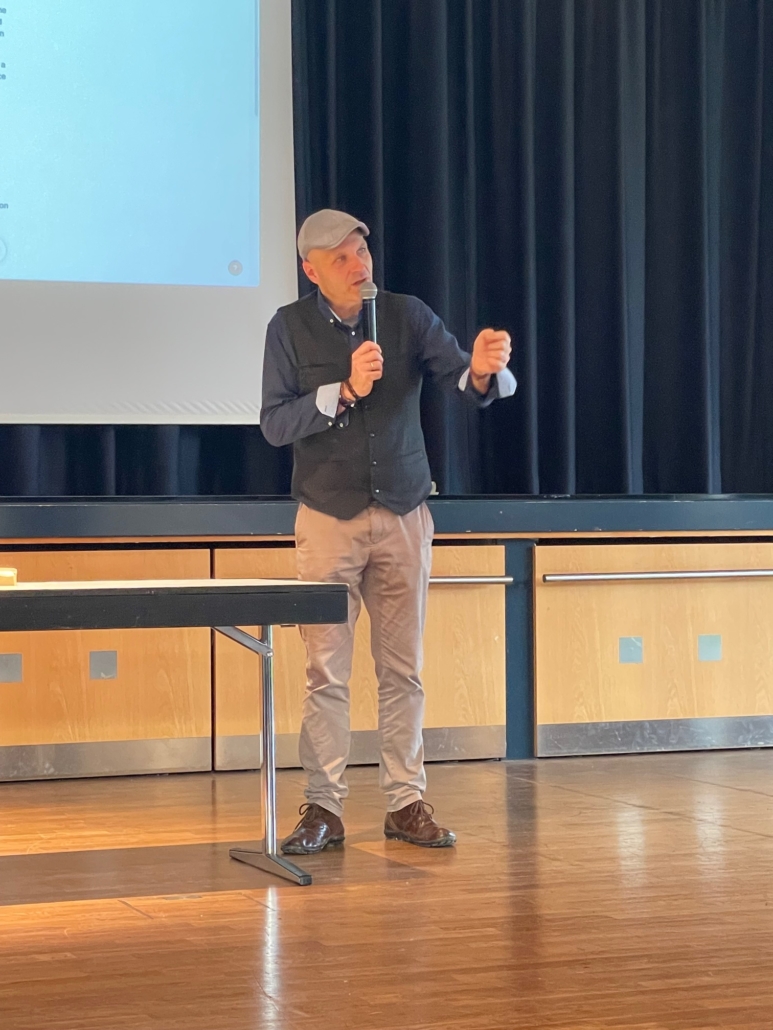
The days were filled with open dialogue and fruitful discussions, yielding many valuable insights that will now be further explored in smaller working groups before the school development group resumes work on refining the model.The event kicked off with a very inspiring presentation by our colleague Björn Wagner, who vividly illustrated the diverse possibilities of AI tools—such as tutors that teachers can design themselves—as important support systems for more personalized learning.
Evaluate Mobile Phone Practice
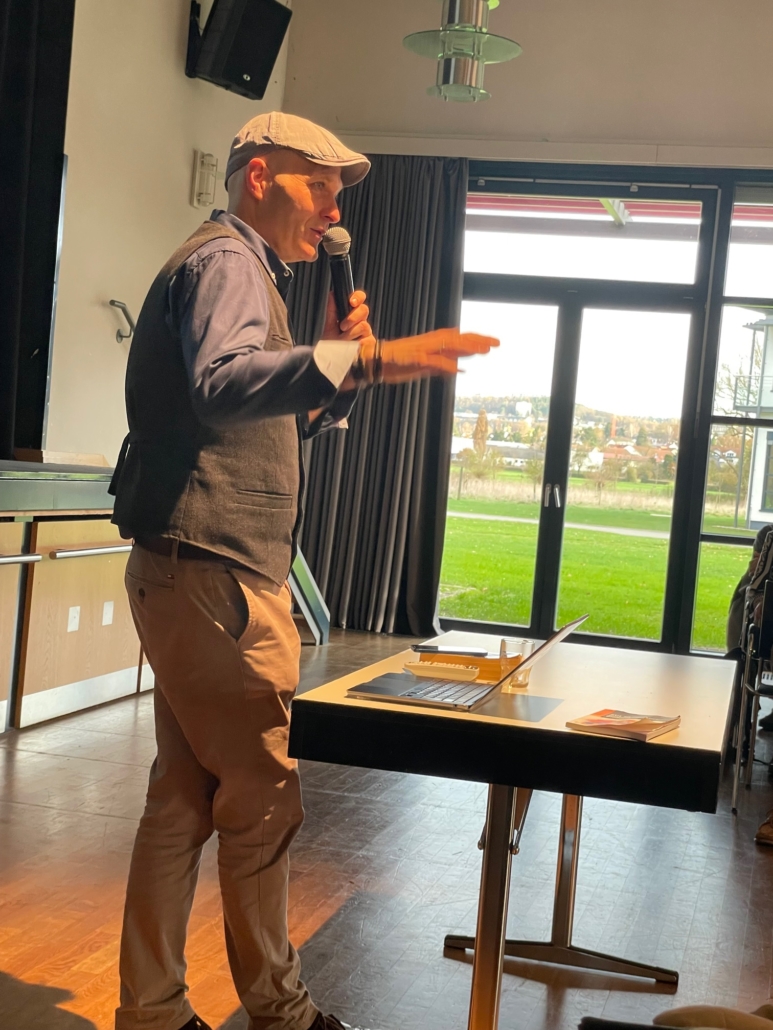
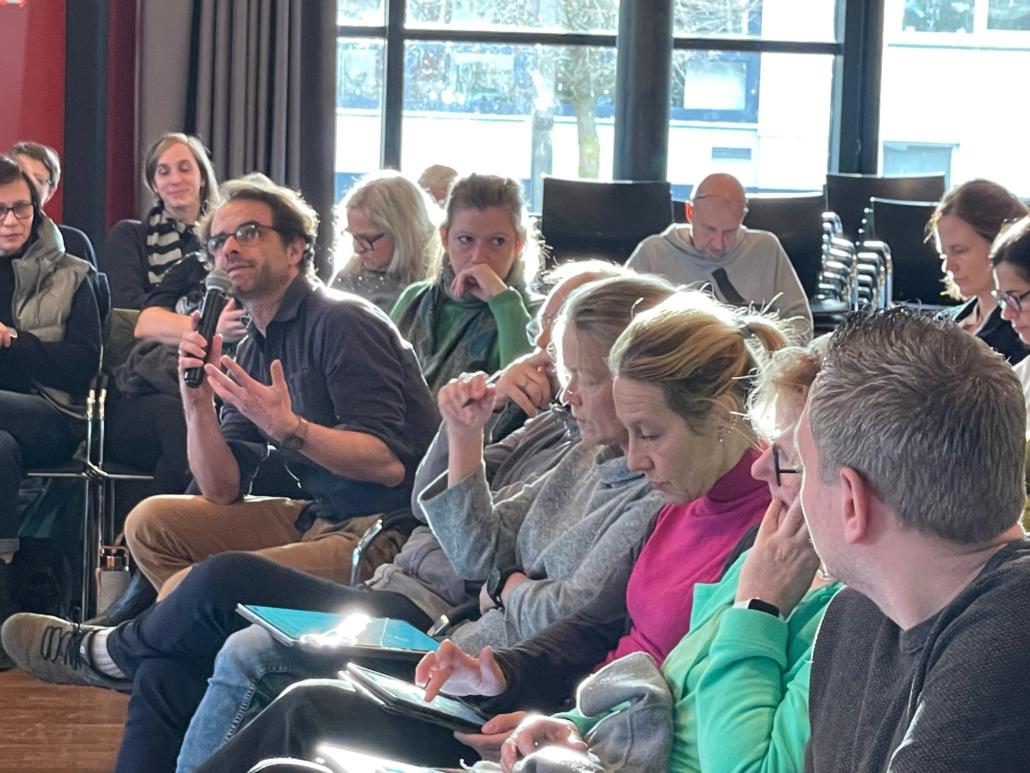
Digital technology was also the focus of a workshop on the second day of SchiLF. The topic was students’ use of smartphones and iPads. Drawing on his own observations, the findings of scientific studies, medical and developmental psychological advice, and how other countries address the issue, Daniel Deidl requested that the current regulations governing cell phone use at Steinmühle be evaluated.
The direct support from a large portion of the faculty, as well as from parent representatives present at the last faculty meeting, provided Daniel Deidl and his colleague Kristina Sokoli—who is also working on this issue—with encouraging feedback. Currently, a group of about 10 colleagues is working on more concrete proposals for a corresponding agenda item for the next faculty meeting.
Overall, these days were filled with encounters and fruitful discussions. They provided the Steinmühle faculty with a wealth of useful insights for their future work. More on that soon.