

In-School Teacher Professional Development: Optimizing and Thoughtfully Utilizing Digital Technology in Everyday School Life
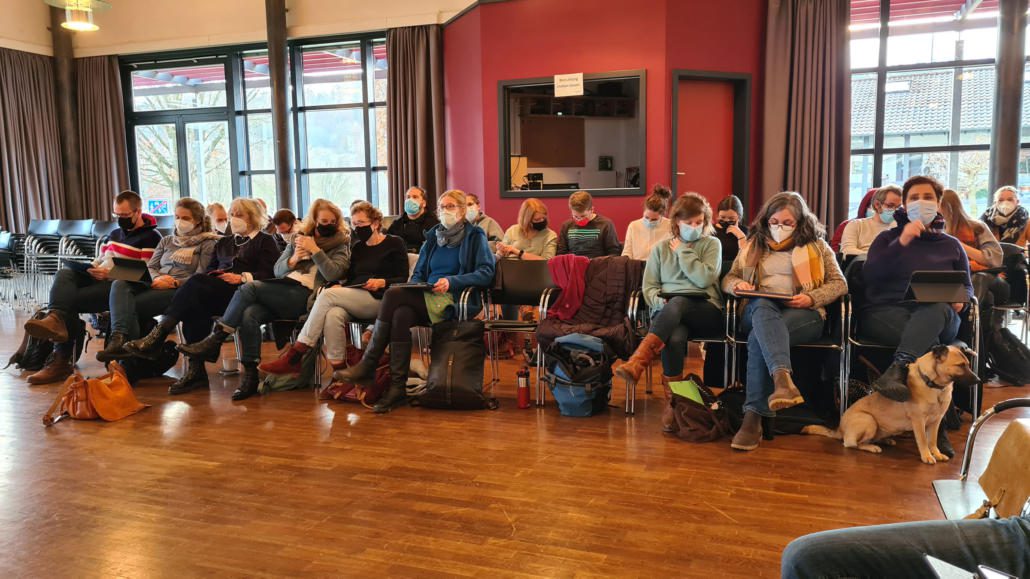
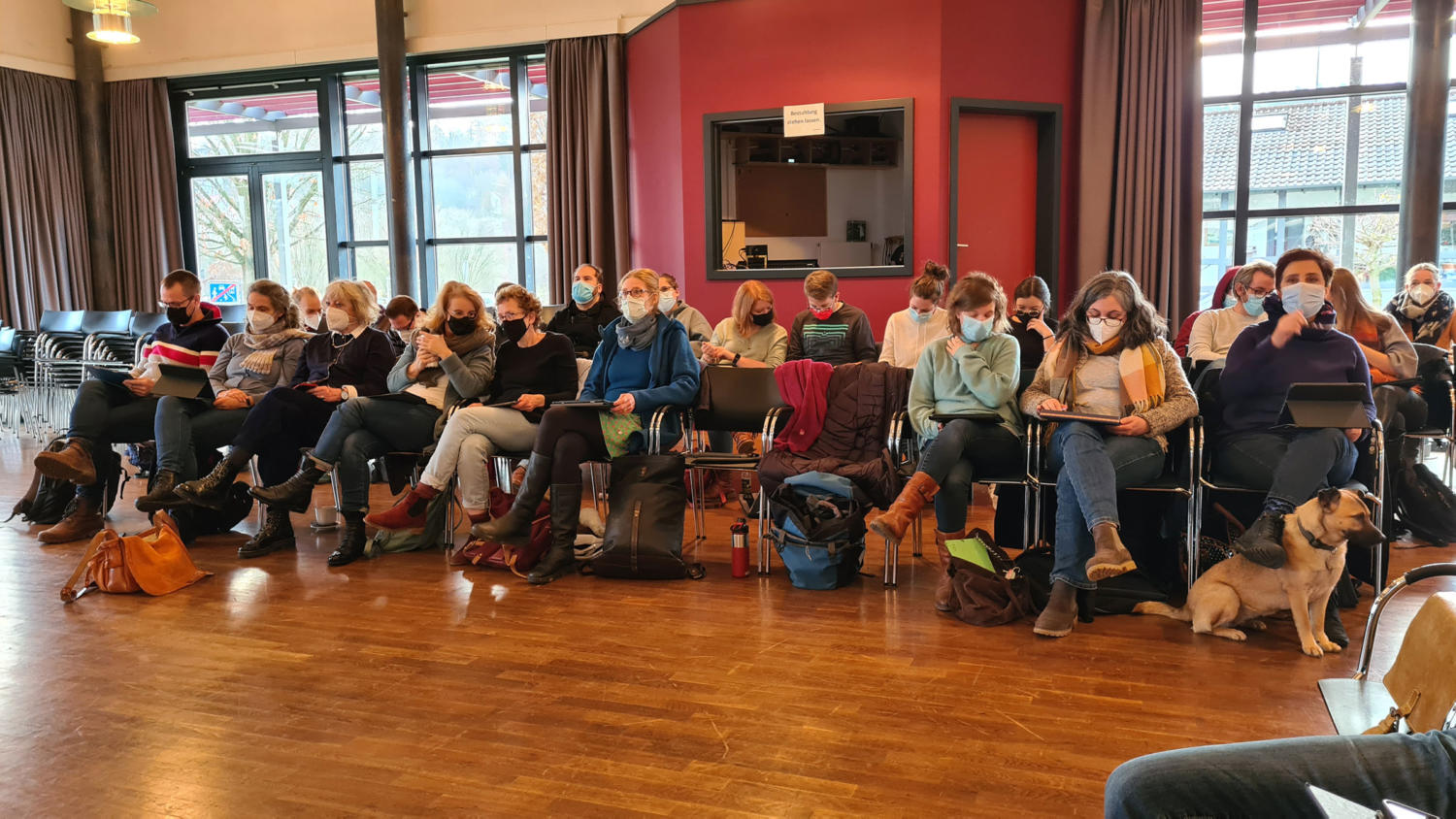
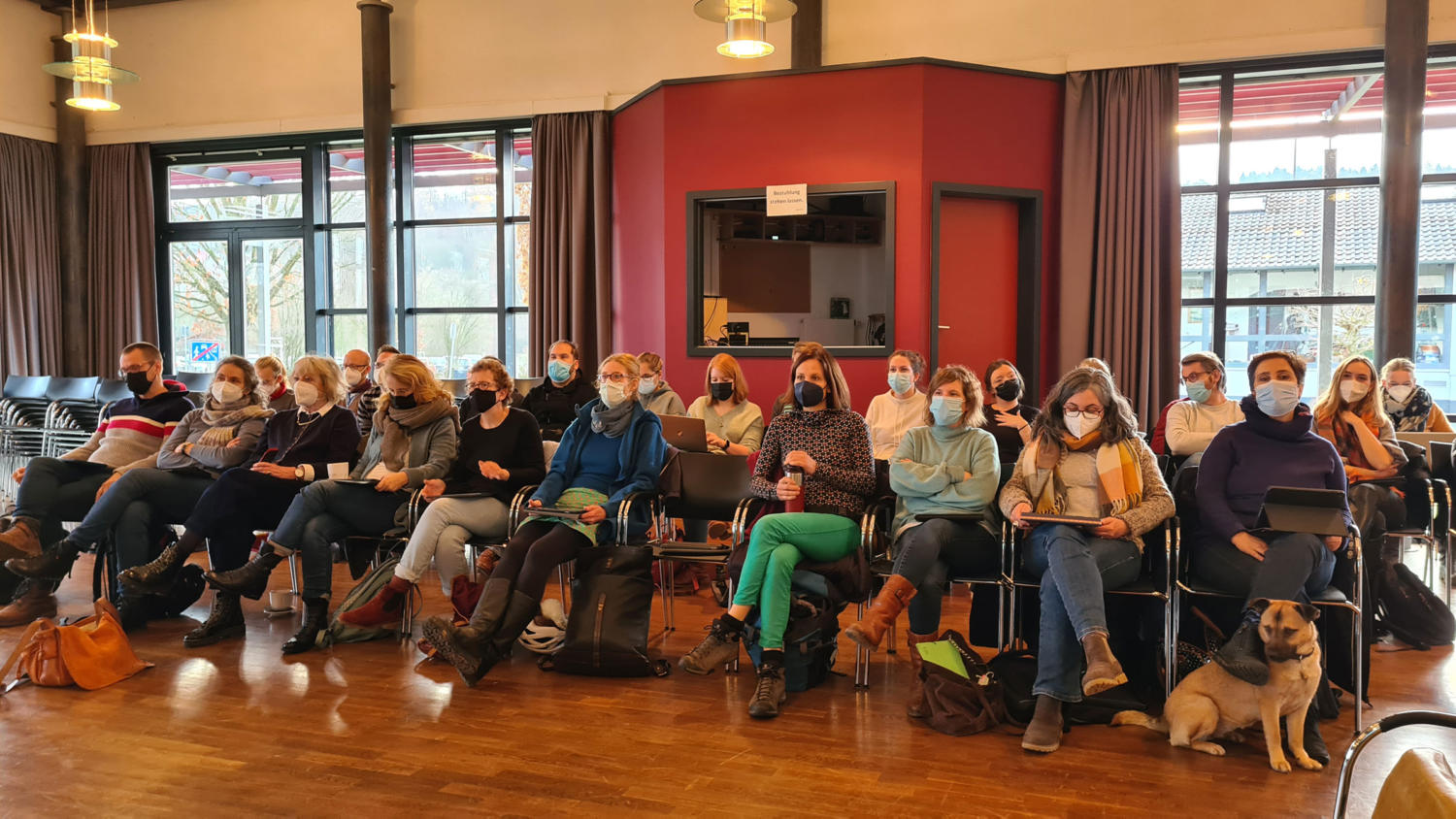
For Steinmühle, developing the StoneApp and winning Bitkom’s “SmartSchool” award are not the grand finale of its digital transformation, but rather the beginning of a further optimization process. The pandemic has forced students—but especially teachers—to become highly engaged with digital technology. But what does the future hold for digitalization—until the end of the pandemic and, above all, afterward? These questions were on the minds of the Steinmühle faculty during this year’s in-house teacher training session.
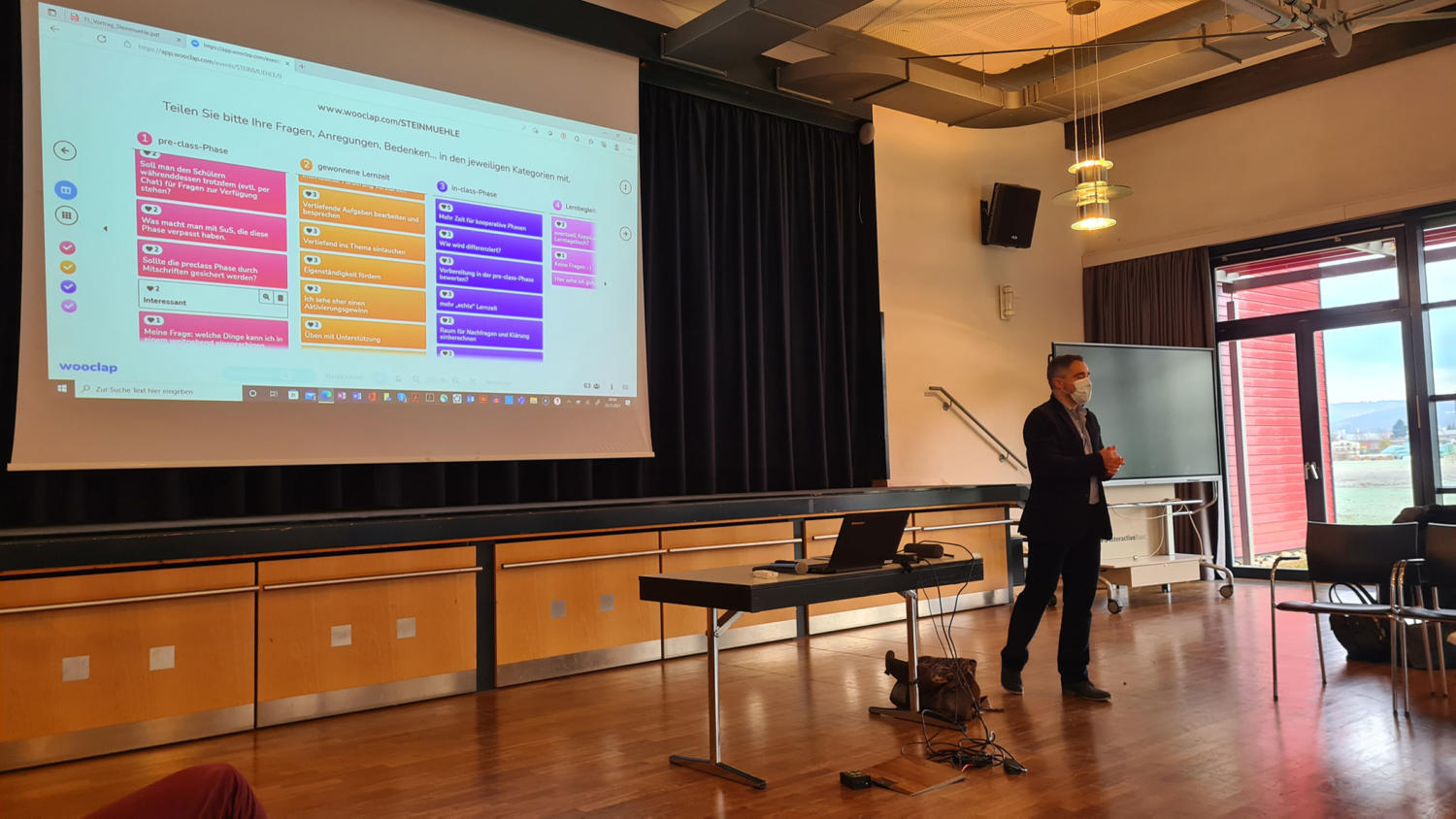
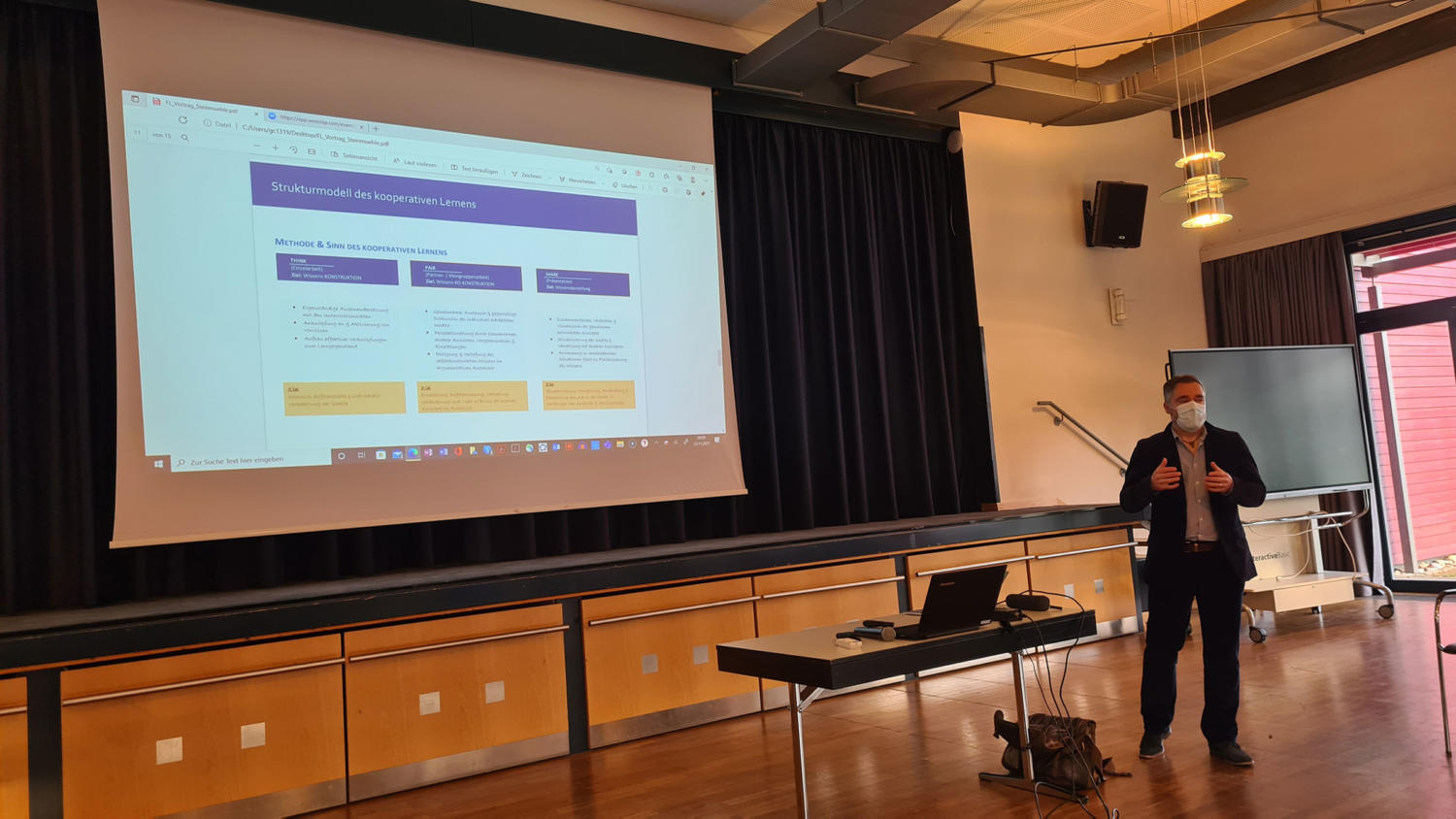
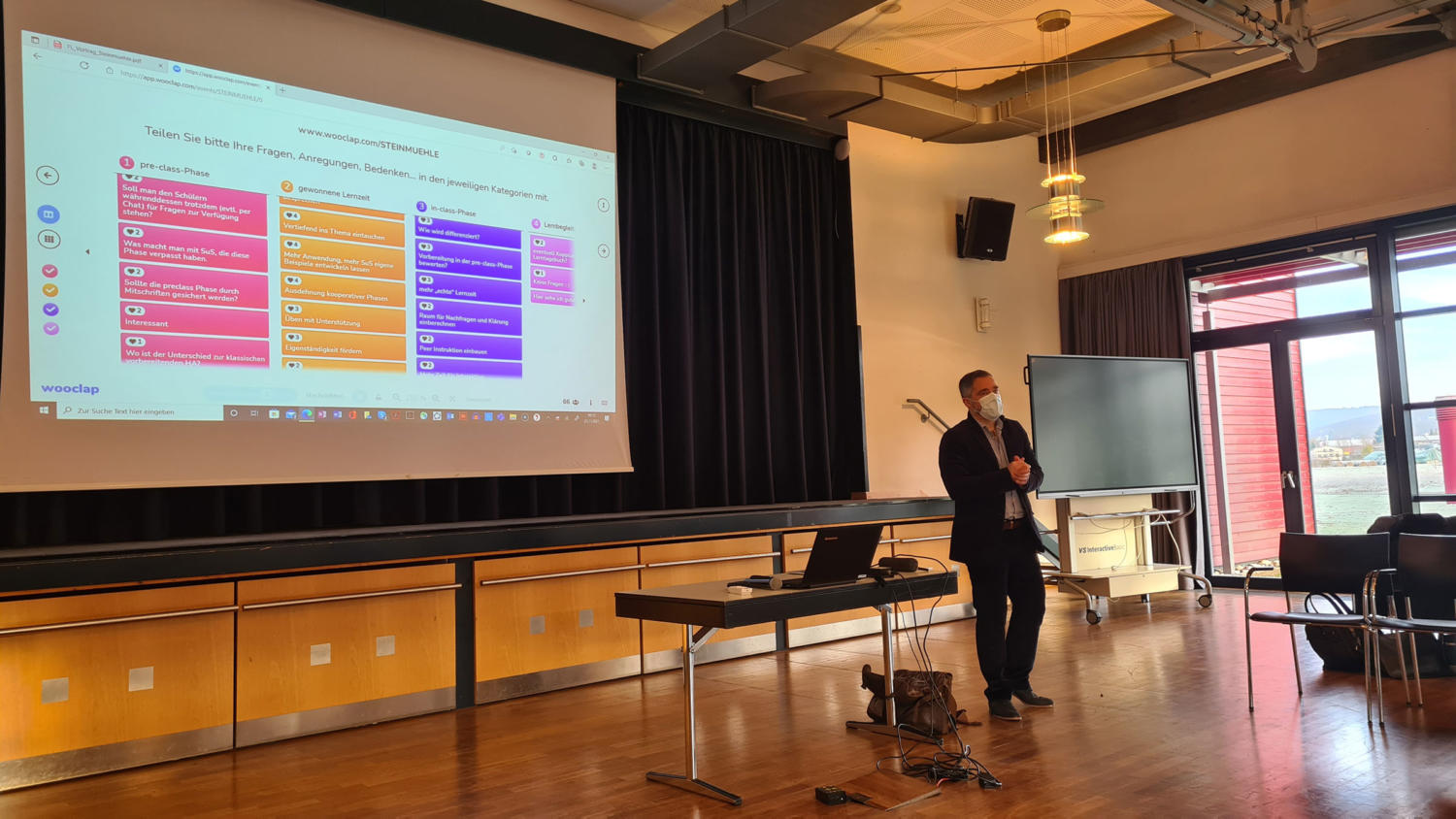
The methods used in digitalized instruction often involve various concepts. At the start of the two-day event, “flipped learning”—an “alternative approach to learning” in which students work through course material at home and then present it in class—was introduced in this context. The “Peer Instruction” teaching method, developed at Harvard University, was also explained. It is based on the observation that tasks are better understood and solved in a group than by students working alone. This is determined through a two-step question-and-answer session on the respective task, in which students first give their own assessment and then, after group discussion, provide a revised answer. In the second step, the overall results are consistently significantly more accurate.
The use of media at Steinmühle is based on a media education concept. Similarly, the protection of minors in the media plays an important role at Steinmühle. These areas, as cornerstones of our media work, are—like digitalization itself—dynamic and are structured quite differently across the various grade levels.
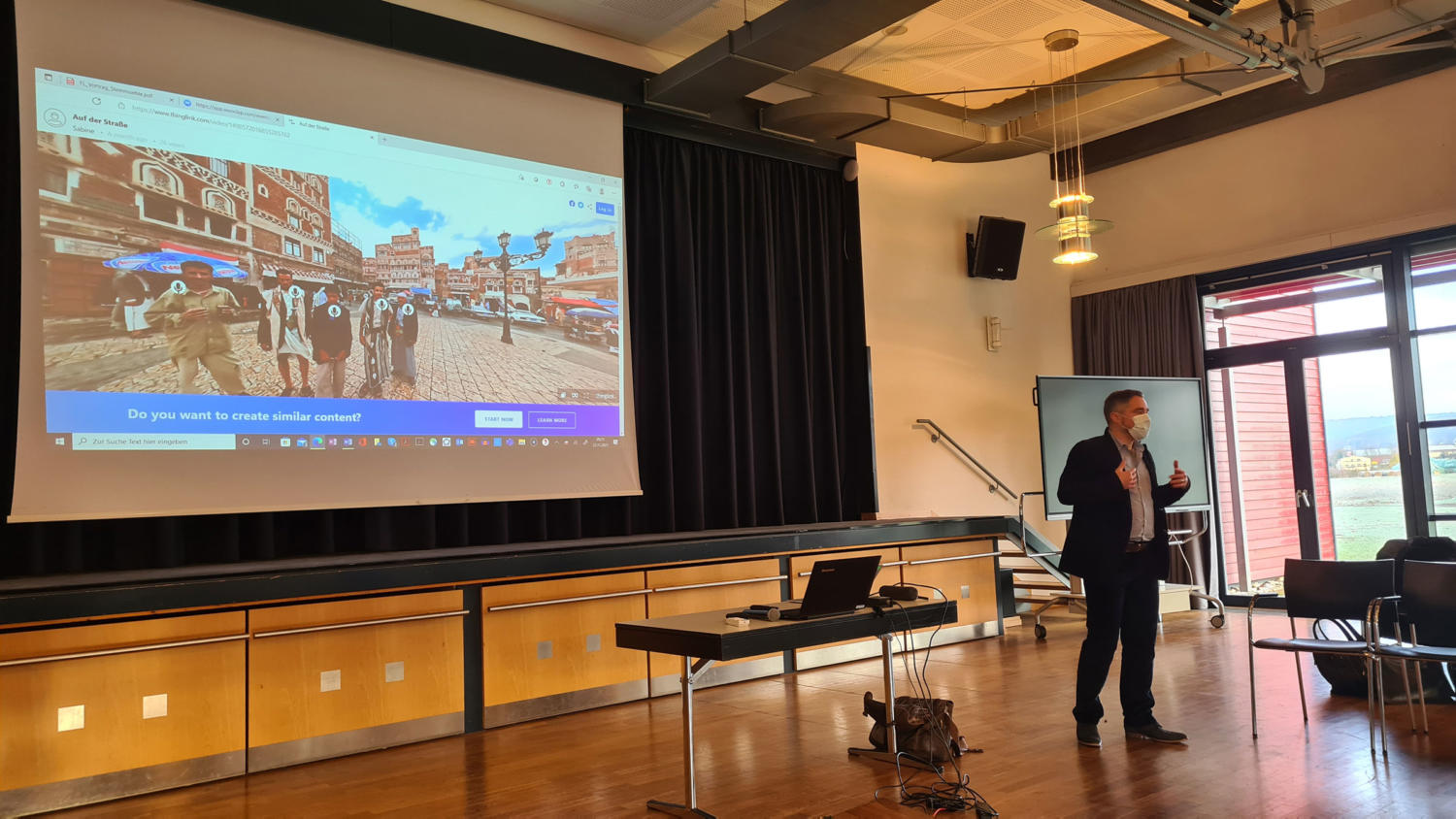
Continuously optimizing teaching and learning—a challenging situation for teachers. “Here at Steinmühle, we have the advantage of having Malte Klimczak as our digitalization coordinator, as well as many dedicated colleagues who have familiarized themselves with specific areas,” explained Frank Wemme, the event’s organizer. While the second day of professional development featured a presentation by external speaker Patrick Eckert on the flipped classroom method, but several teachers from within the faculty had also delved so deeply into specific topics that they were able to share their knowledge with the faculty in a meaningful way, either in plenary sessions or in individual workshops.
Recognizing that mediation is closely linked to both analog and digital components, the school integrated a basic training course on mediation into its internal teacher professional development program. The goal of this training is to develop a shared set of methods that promote learning processes and structure learning in a meaningful way over the years. This is done with a focus on generally developing and strengthening personal competence and social competence—particularly in cooperative learning formats and conflict resolution—as well as in the integration of digital tools.
Ideally, according to Frank Wemme, a basic methodological framework would be developed based on all the elements taught, and, above all, it would be implemented in everyday school life.