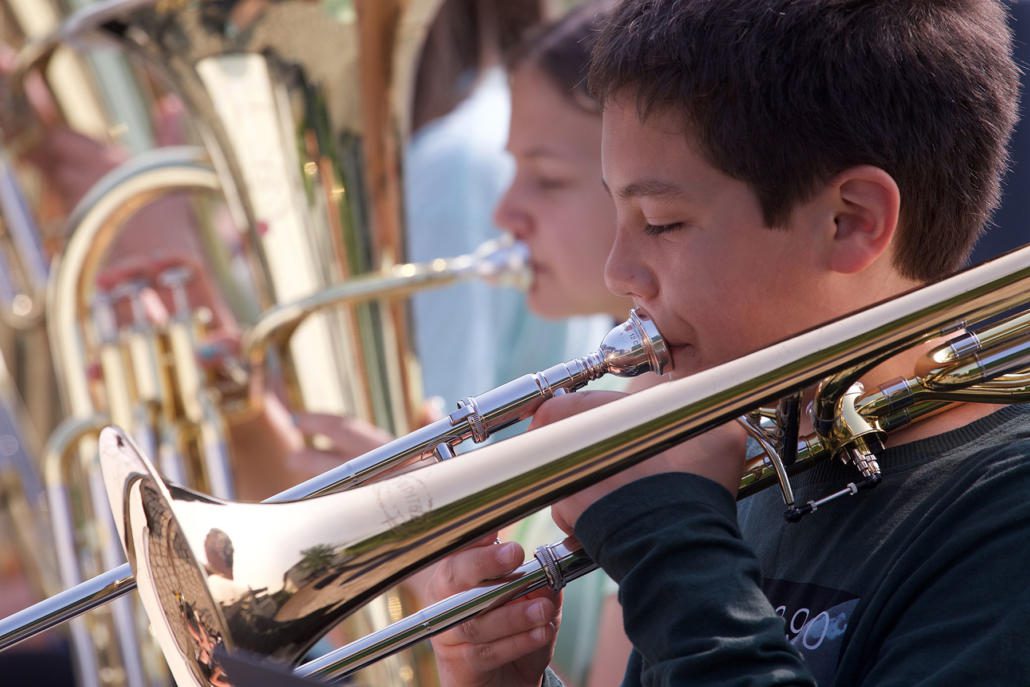
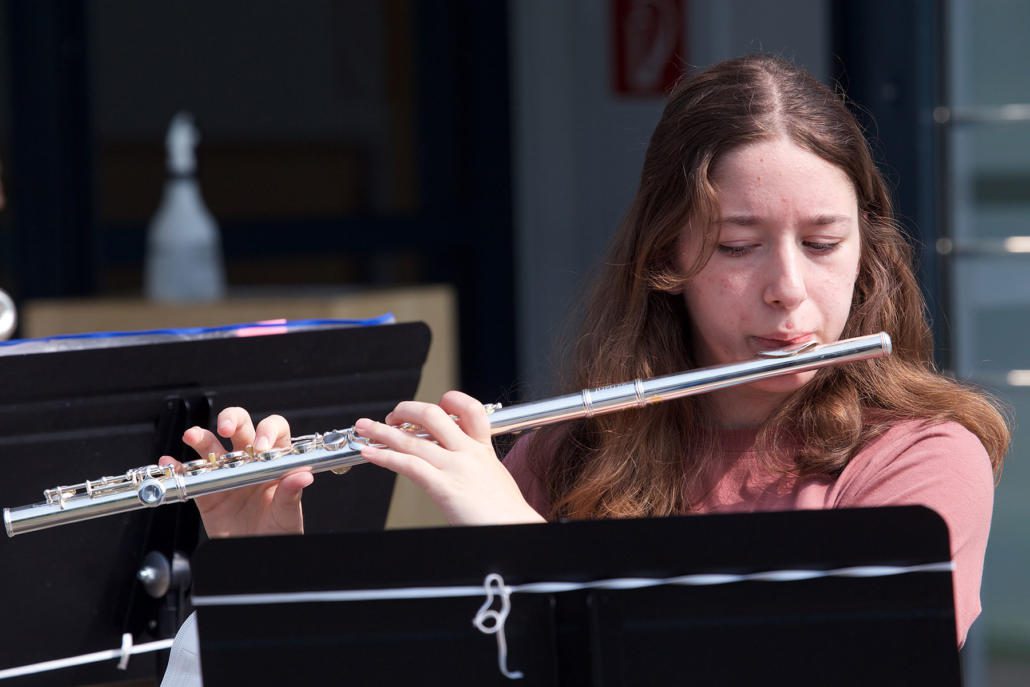
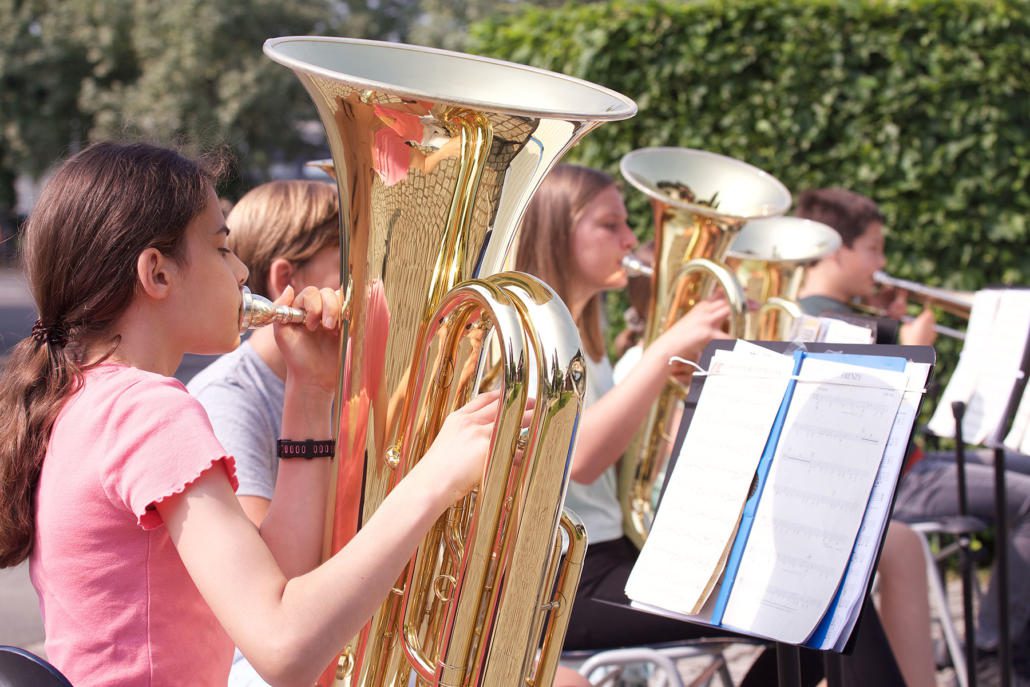
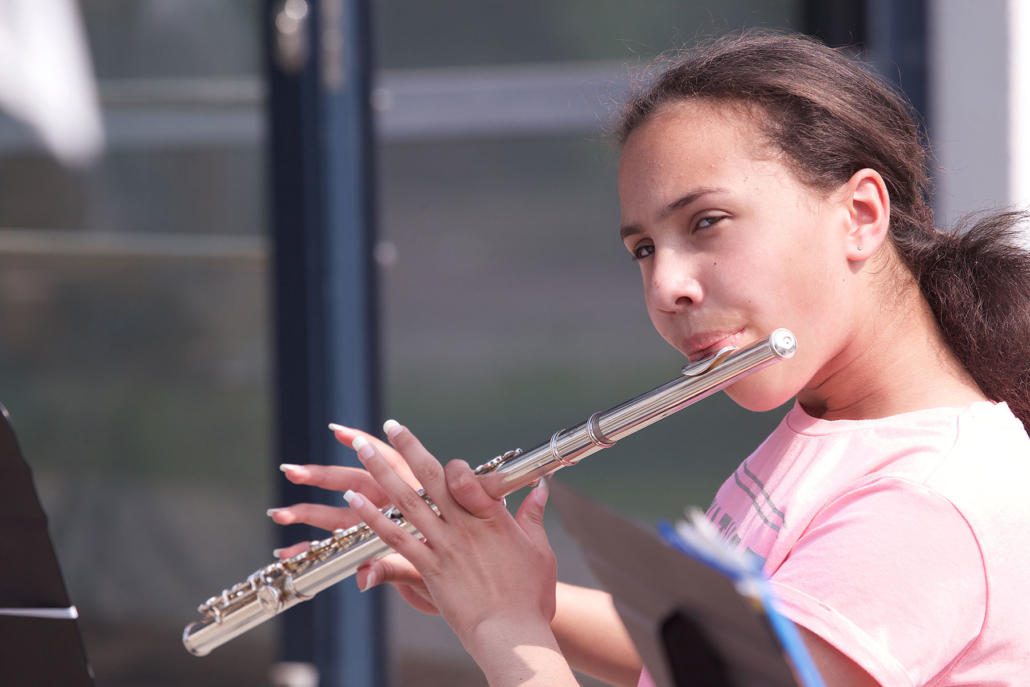
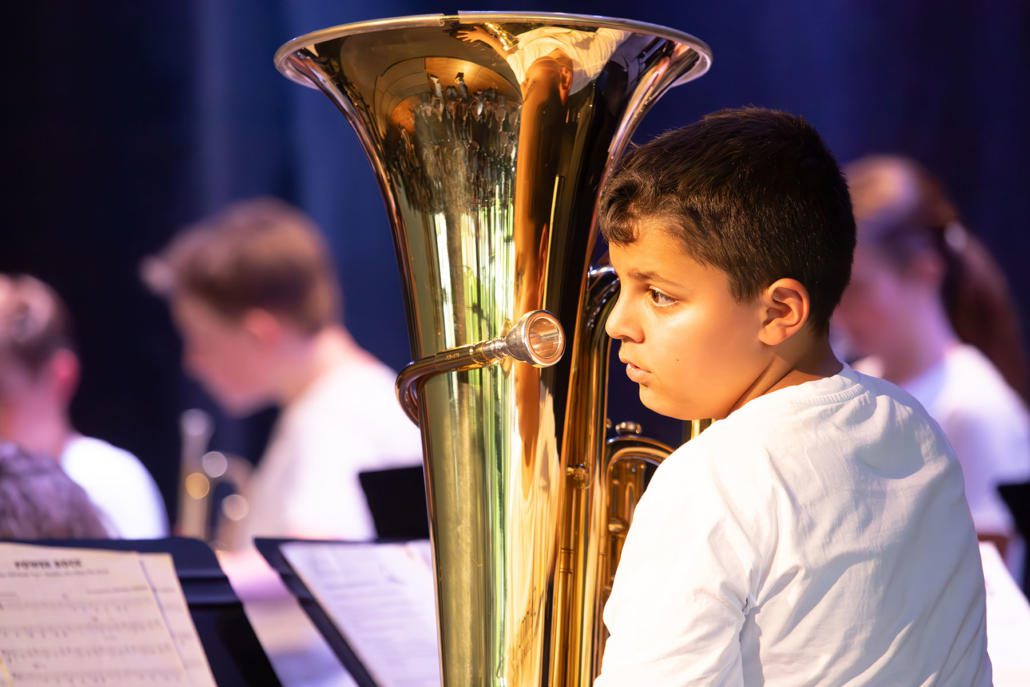
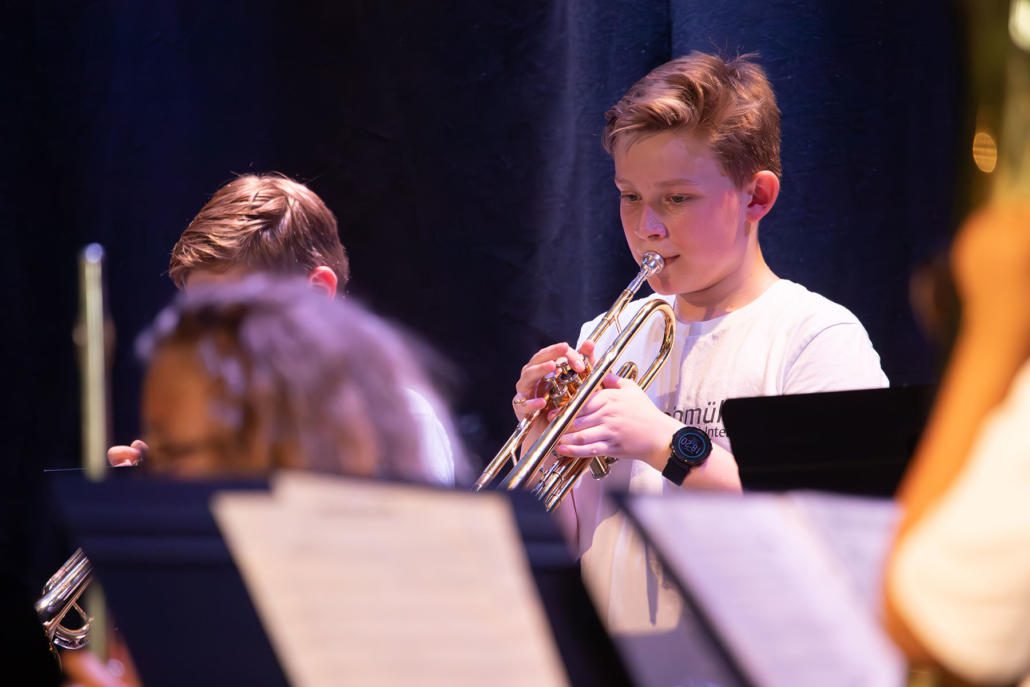
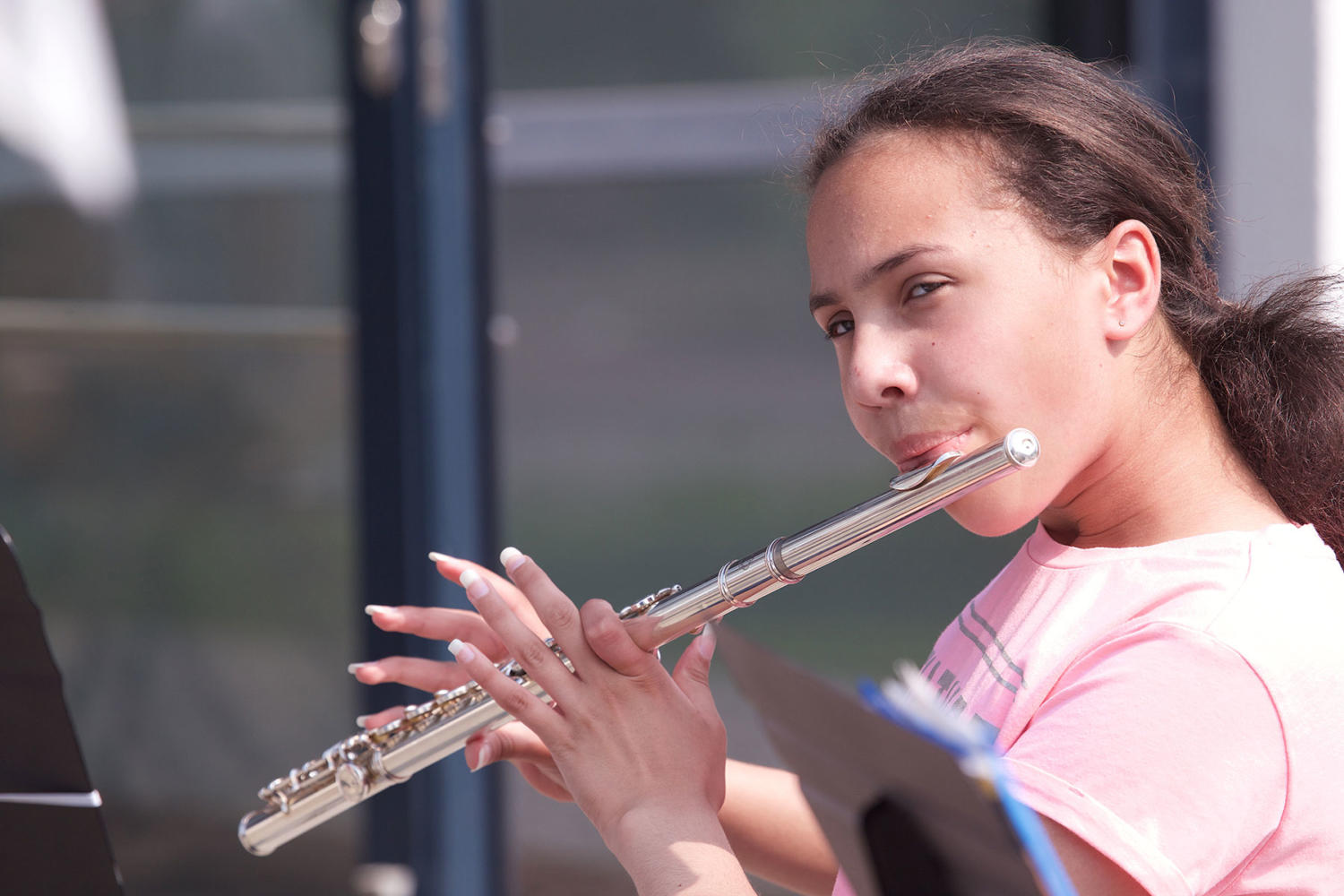
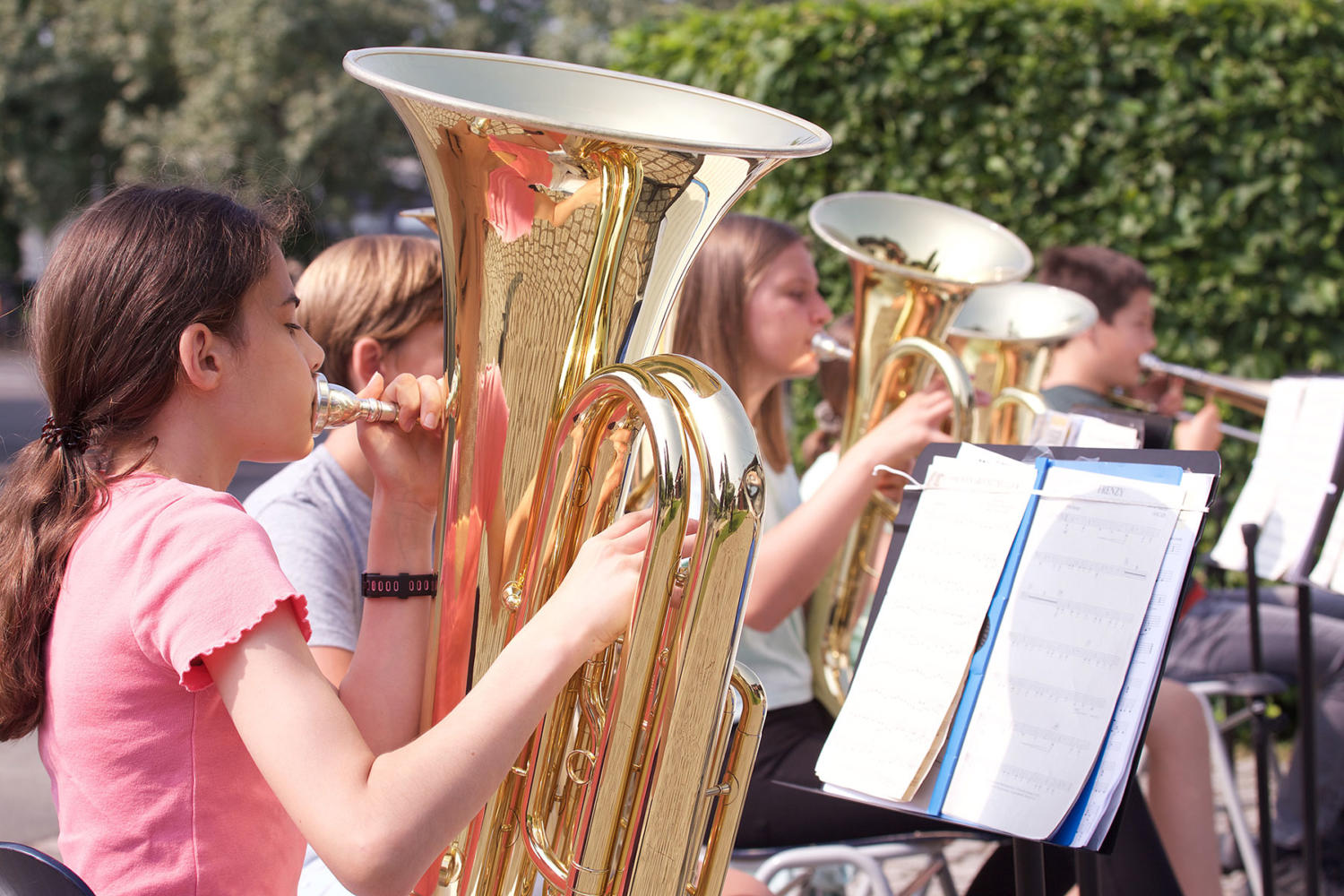
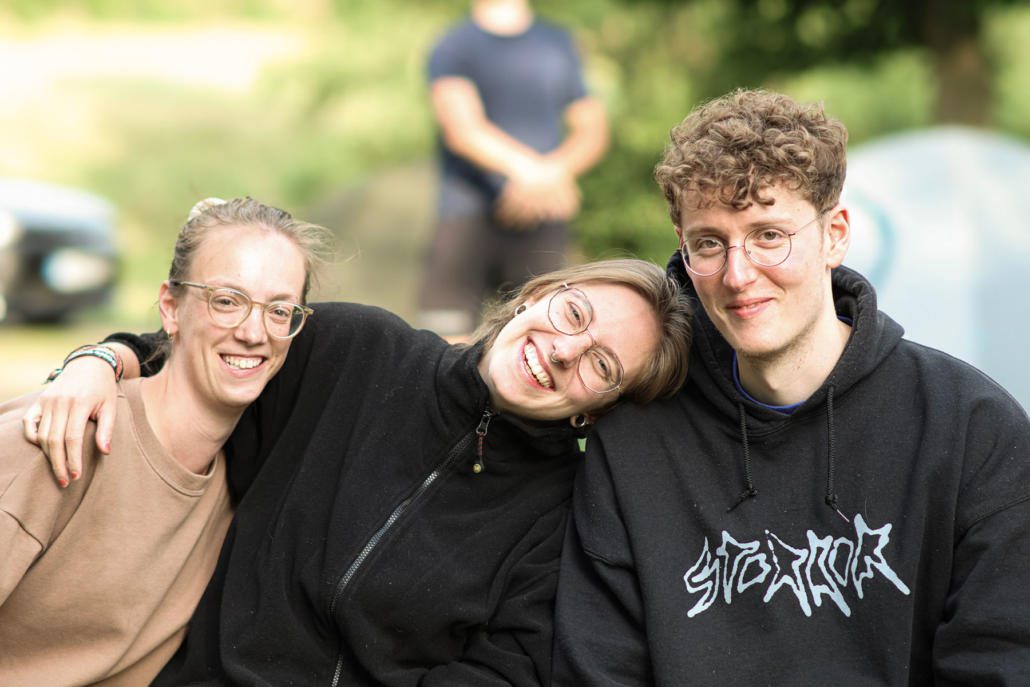
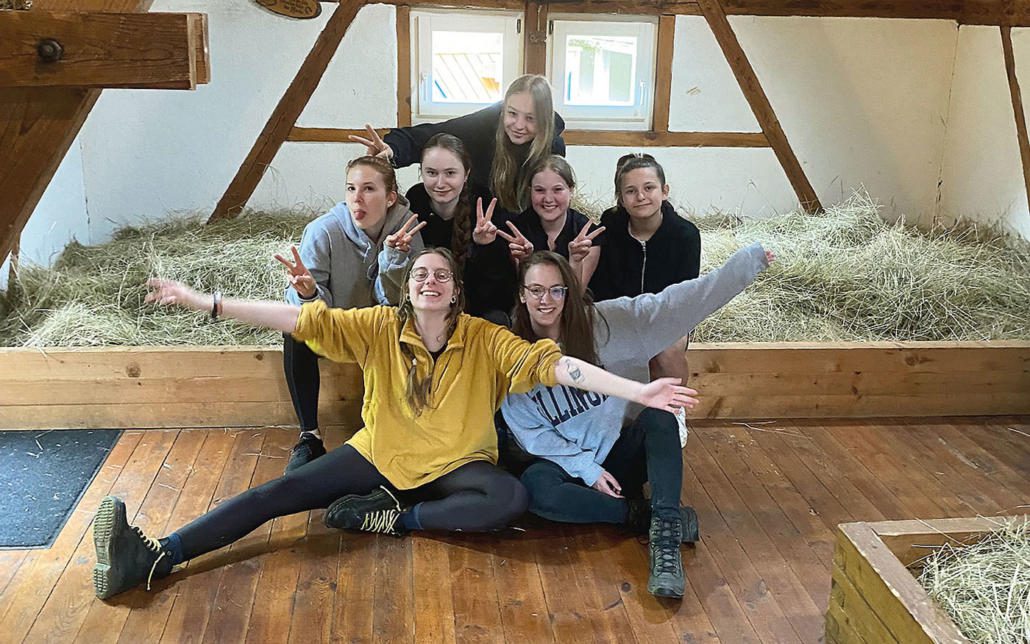
Steinmühle – a strong community!

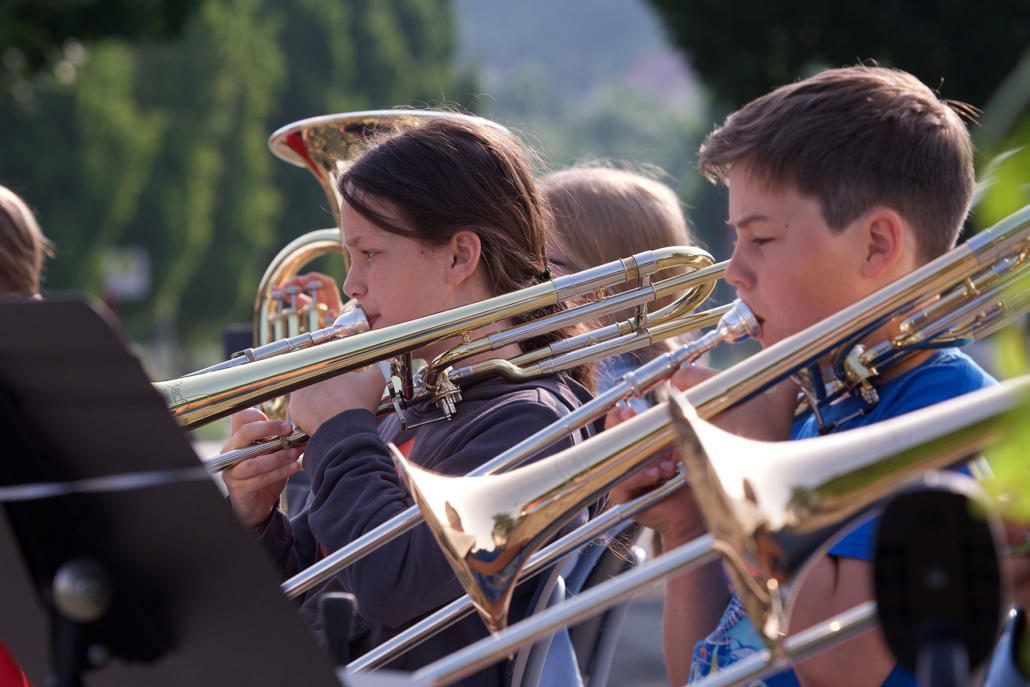
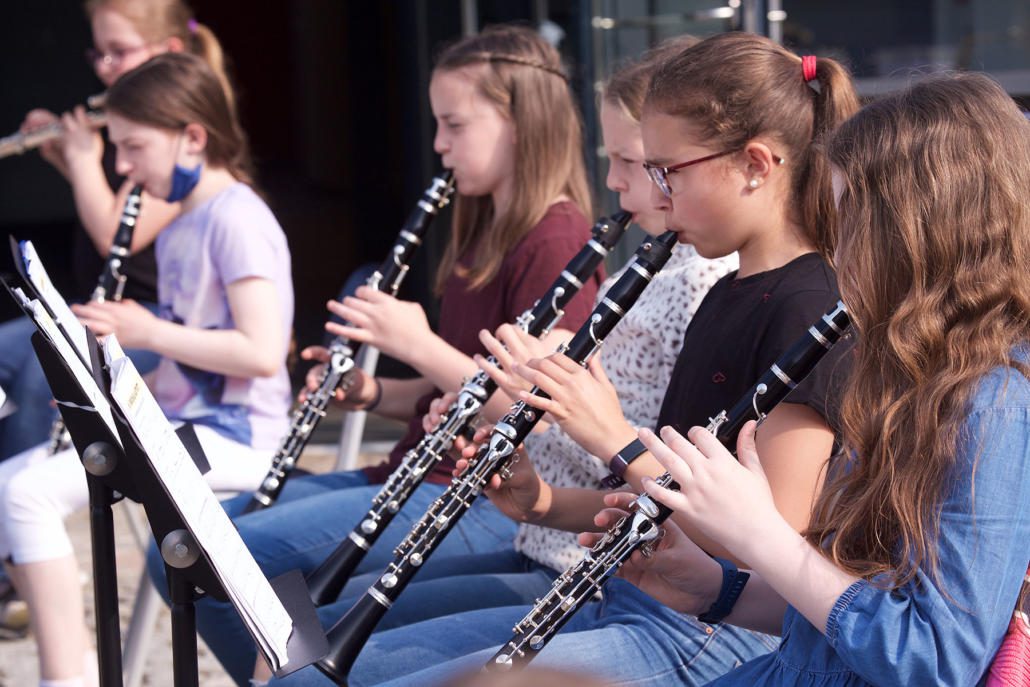
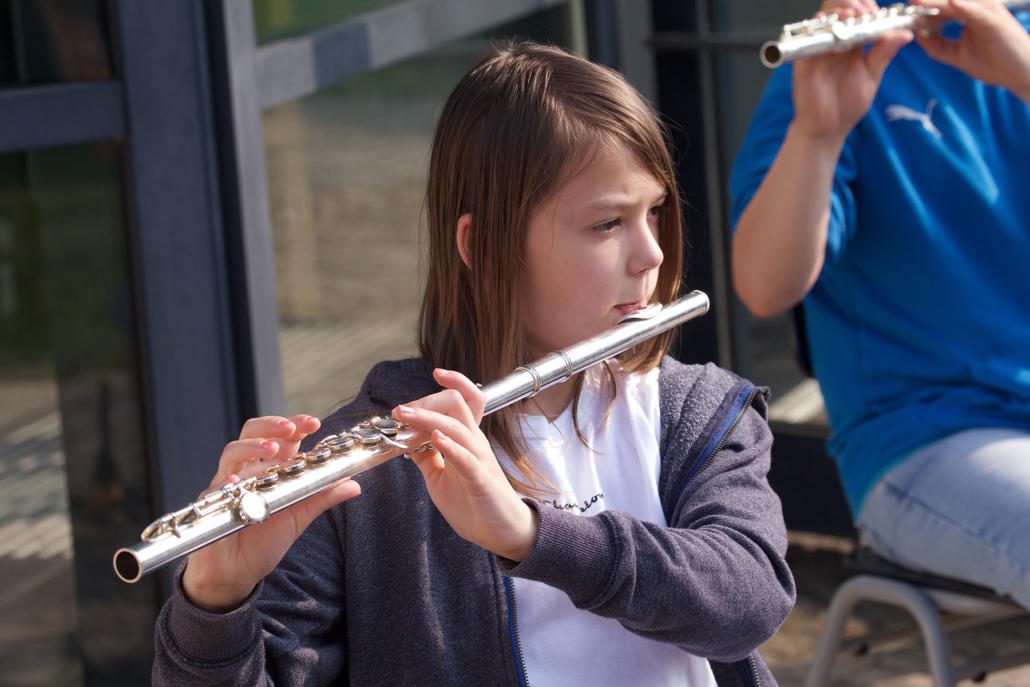
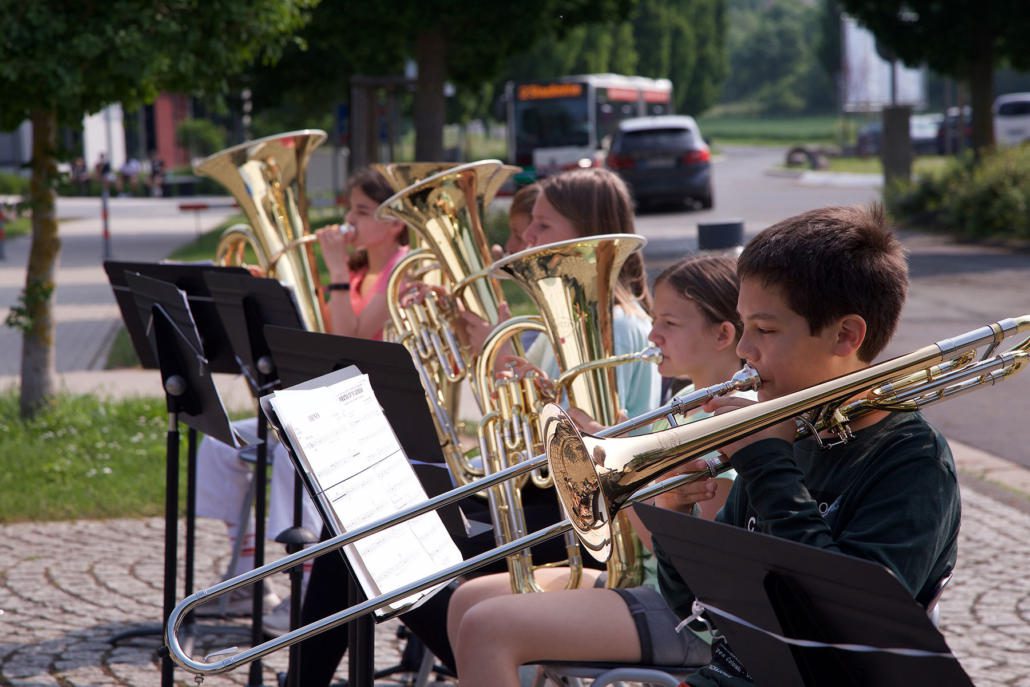
Experience community. Find your place. Shape your own development.

Life in the residential groups is at the heart of daily life at the boarding school. Our six residential groups are primarily mixed-age, and four of them are intentionally coed. This structure is modeled after established social systems and enables a wide range of interpersonal experiences. Young people take on different roles, assume responsibility for one another, and learn from each other.

In addition, there are two single-sex residential groups. When needed, they provide a protected setting in which individual developmental processes can be stabilized and personal issues can be addressed in a particularly safe environment.
The composition of the residential groups is carefully arranged each school year based on educational considerations. Young people can voice their preferences and are involved in the process. At the same time, the educational team is responsible for ensuring that sustainable communities are formed in which individuals feel a sense of belonging and the group can function as a reliable support system.

This is how residential groups emerge as temporary communities—places where young people can find their place, build relationships, and grow as individuals.

Our Homes – A Community Under One Roof

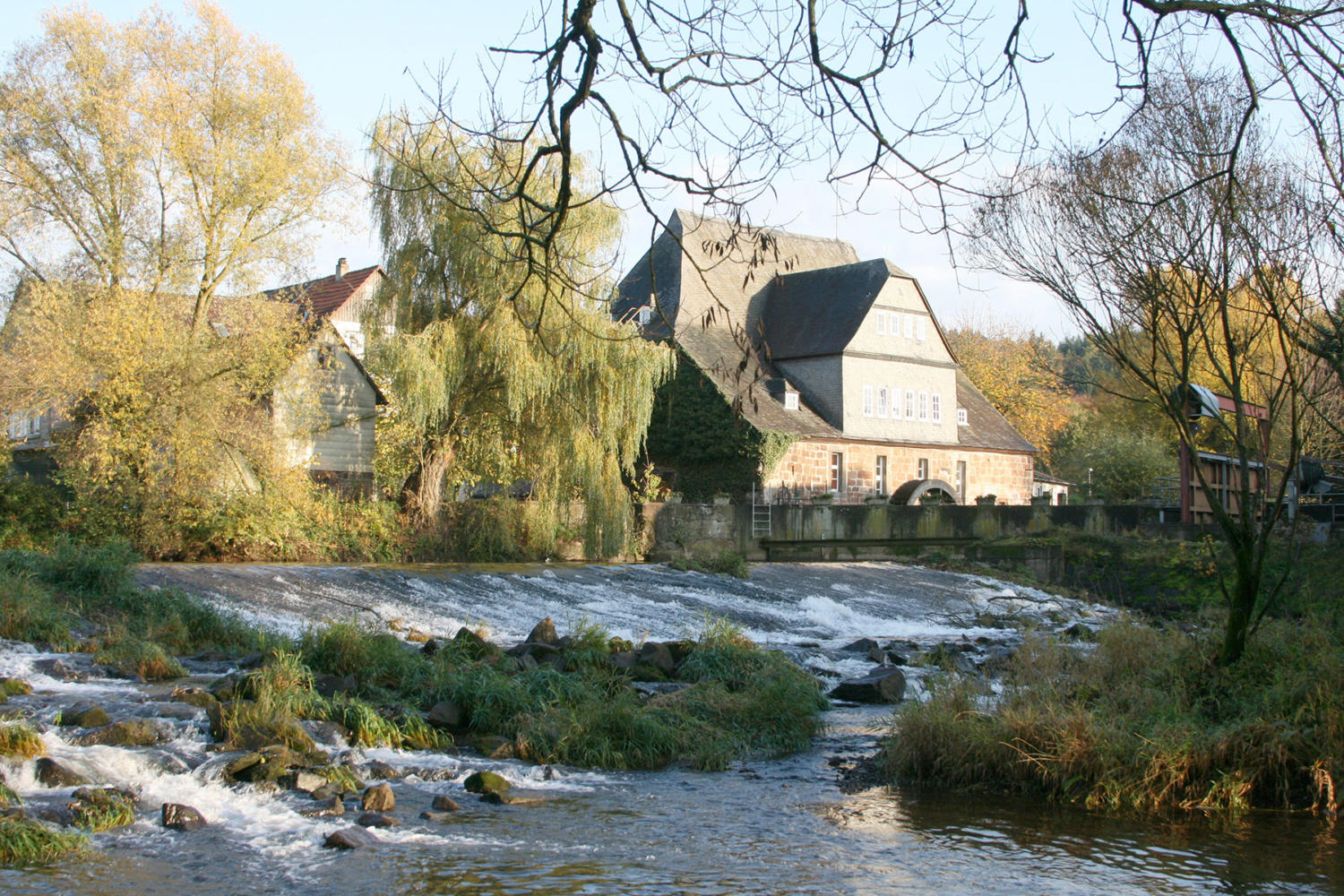
At the heart of the Steinmühlen complex stands the historic 15th-century mill—our landmark. Today, girls in middle and high school live within these two-meter-thick walls, under a historically protected roof, yet in a modern setting. From the single rooms in the attic, you can catch a glimpse of the castle in the university town of Marburg.

The main building is home to middle and high school boys. This lovingly renovated half-timbered house, with a garden and a swimming dock right on the Lahn River, features spacious rooms and common areas, and offers a cozy atmosphere where residents can feel at home. The educational focus of this residential group is on intensive academic support.

On the first floor, above the art rooms, are the girls’ classrooms, where students are primarily in middle school and the E-phase. Set back from the schoolyard, this area offers a “front-row seat” on one side with a view of the sports fields and riding facilities, and on the other side, a view of the Lahn River and the weir. The proximity to the riding stables is particularly appealing to female riders, offering the opportunity to participate in riding clubs or, if the circumstances are right, to share a horse. The tennis courts are also nearby. The cozy common room, with plenty of space, invites everyone to hang out together. The girls love organizing game nights on the weekends and cooking together.

The Biohaus is used by the younger children. This is where our students in the lower and lower middle grades live and spend their days. Through intensive personal guidance, they are gently introduced to the boarding school’s structure in a more intimate setting and with age-appropriate rules, ensuring a smooth transition from home to boarding school. The house is co-ed, but the rooms and bathrooms are separate. Students share spacious rooms in pairs. There is a cozy group room and a communal kitchen for shared activities.

The Westfalenhaus is nestled in the countryside, surrounded by meadows and pastures. In this co-ed residence, upper-level students—both girls and boys—live in spacious single rooms spread across four hallways. The communal kitchen is perfect for cooking together, the sofa area is ideal for cozy get-togethers, and in the large garden, you can enjoy the sun, have a barbecue, or sit by the fire in the evening.

Anyone entering the Steinmühle campus will immediately notice a picturesque house covered in ivy—the Bremerhaus. Located directly at the entrance to the Steinmühle grounds and perfectly centrally situated relative to the school buildings, this traditional residential building underwent a complete renovation for the 2019–2020 school year. A common room (with a view of the castle!) complete with a generously equipped kitchen was created, and the rooms were completely refurnished. The Bremerhaus houses a mixed residential group of 12 students between the ages of 16 and 19.

Residential Group During Home-Visit Weekends
“Welthaus” is the name of the residential group—made up mostly of young people from around the world—who spend time together when the German students go home to their families during home-visit weekends.

They then live in designated self-catering houses around Marburg, allowing them to come together as a group, experience a noticeably different daily routine than during the week, cook together, intentionally step away from “school” for a change, and plan activities together—while also having plenty of free time.

Our Day at Boarding School

“Good morning!”
At 7 a.m., it’s time to get out of bed. Breakfast time! In the dining hall, boarding students can enjoy a varied and hearty selection of fruit and cereal, tea, coffee, orange juice, and a colorful assortment of breads and rolls.
Morning classes begin at 8:10 a.m. Math and science subjects alternate with arts and language classes, project-based learning, and sports. Most classes are taught in double periods. This allows students to stay focused and delve deeply into the topics.
A second breakfast is available during the first long break for those feeling a little hungry.

Starting at 12:30 p.m., the students gather for lunch together. They make plans, laugh, chat, and catch up. And they enjoy a good meal! The children and teens can choose between a meat-based meal and a vegetarian option. In addition, two types of pasta, four sauces, and a wide selection of salads are available to them every day.
Afterward, lower-grade students can attend lunch clubs. At 2:00 p.m., afternoon classes resume. During breaks between classes, students have the opportunity to do their homework with supervision, work intensively in the study center, or spend time with friends.

In the evenings, boarding students can dine together in a friendly atmosphere, take advantage of the wide range of sports and recreational activities, study, listen to music, or simply wind down the day in good company.
Depending on their grade level, students go to bed between 9:00 p.m. and 10:30 p.m. During the personal “goodnight” routine, students have a quiet moment to recount the day’s events, discuss their experiences, and share insights.

Once a week, always on Wednesdays, things get especially cozy: Menu Night! In a special atmosphere, with dimmed lights and candlelight, and a festively set table, an exclusive meal is served. Students and the educational team sit together with members of their residential group, sharing stories about the week as well as discussing current topics and changes. The evening is also used to offer congratulations and recognize special achievements, celebrating them as a community.
The Boarding School Council and the staff have the opportunity here to provide updates on current events, such as weekend activities, field trips, and events.
Afterward, the residential groups gather for house meetings. The house meeting offers students the opportunity to actively help shape daily life in their residential groups, suggest changes, and express their wishes. This is also where the program for the communal house evening—which takes place on Fridays during boarding school weekends—is planned.
Afterward, everyone can wind down the evening together in the tea room.

Healthy Eating and Flexible Cooking

Our kitchen team is committed to making all meals as healthy and delicious as possible. About 22 people work to ensure that students, the teaching staff, faculty, administrative staff, and all other employees can enjoy high-quality meals.
109,000 kilograms of food are consumed annually at the school and boarding school.
Of this amount, for example,
accounts for ground beef: 845 kg
accounts for organic rice: 775 kg
accounts for organic pasta: 1,772 kg
accounts for milk: 5,500 liters
Food is sourced as locally as possible.
To keep the menu as balanced as possible, there is one vegetarian day (“Meatfree Monday”) and one day when fish is served.

Salt and sugar are used sparingly.
The kitchen is cleaned using eco-friendly cleaning products that carry the EU Ecolabel.

Our kitchen takes allergies and food intolerances into account as much as possible, so that everyone affected can make their meal choices accordingly.
Allergies and food intolerances must be reported upon admission to the Steinmühle boarding school.

Healthy Eating and Flexible Cooking

Our kitchen team is committed to making all meals as healthy and delicious as possible. About 22 people work to ensure that students, the teaching staff, faculty, administrative staff, and all other employees can enjoy high-quality meals.
109,000 kilograms of food are consumed annually at the school and boarding school.
Of this amount, for example,
accounts for ground beef: 845 kg
accounts for organic rice: 775 kg
accounts for organic pasta: 1,772 kg
accounts for milk: 5,500 liters
Food is sourced as locally as possible.
To keep the menu as balanced as possible, there is one vegetarian day (“Meatfree Monday”) and one day when fish is served.

Salt and sugar are used sparingly.
The kitchen is cleaned using eco-friendly cleaning products that carry the EU Ecolabel.

Our kitchen takes allergies and food intolerances into account as much as possible, so that everyone affected can make their meal choices accordingly.
Allergies and food intolerances must be reported upon admission to the Steinmühle boarding school.