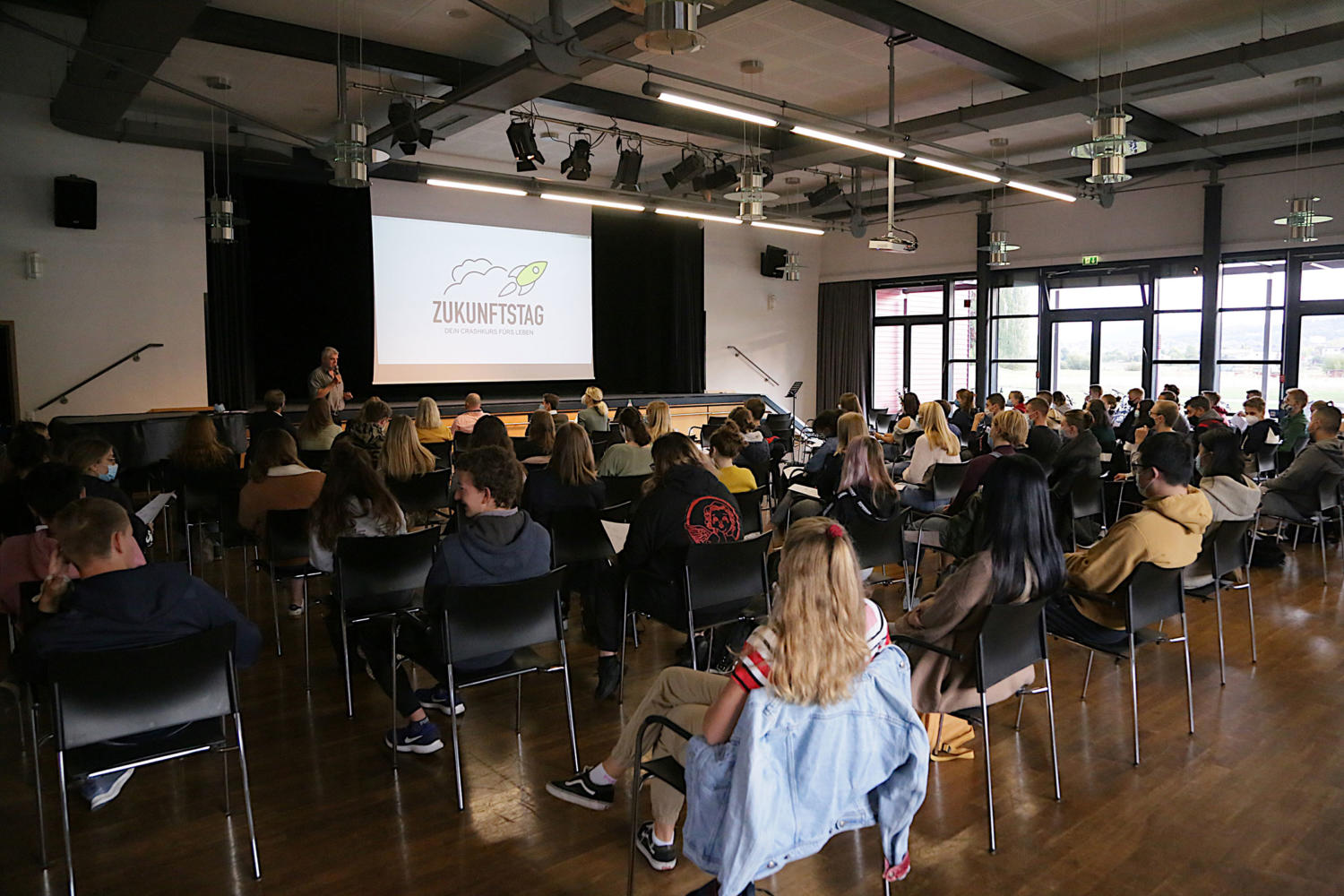
The Steinmühle was the first high school in Marburg to host the so-called “Future Day.” The goal of the organizer, the “Initiative for Economic Education for Youth” from Kassel, is to teach high school students skills related to finance, housing, taxes, and health insurance.
These four areas are not covered in depth in secondary school curricula—much to the chagrin of many students, who, while they leave school with a strong academic foundation, are unfamiliar with rental agreements or financial investments. The Kassel Initiative, a nonprofit organization whose members themselves have not been out of school for very long, addresses this very issue. Since January 2019, these young people have held their “Future Day” event dozens of times at various schools throughout Germany. Ever since the Handelsblatt reported on it, the event has practically become a runaway success.
Speakers from the region
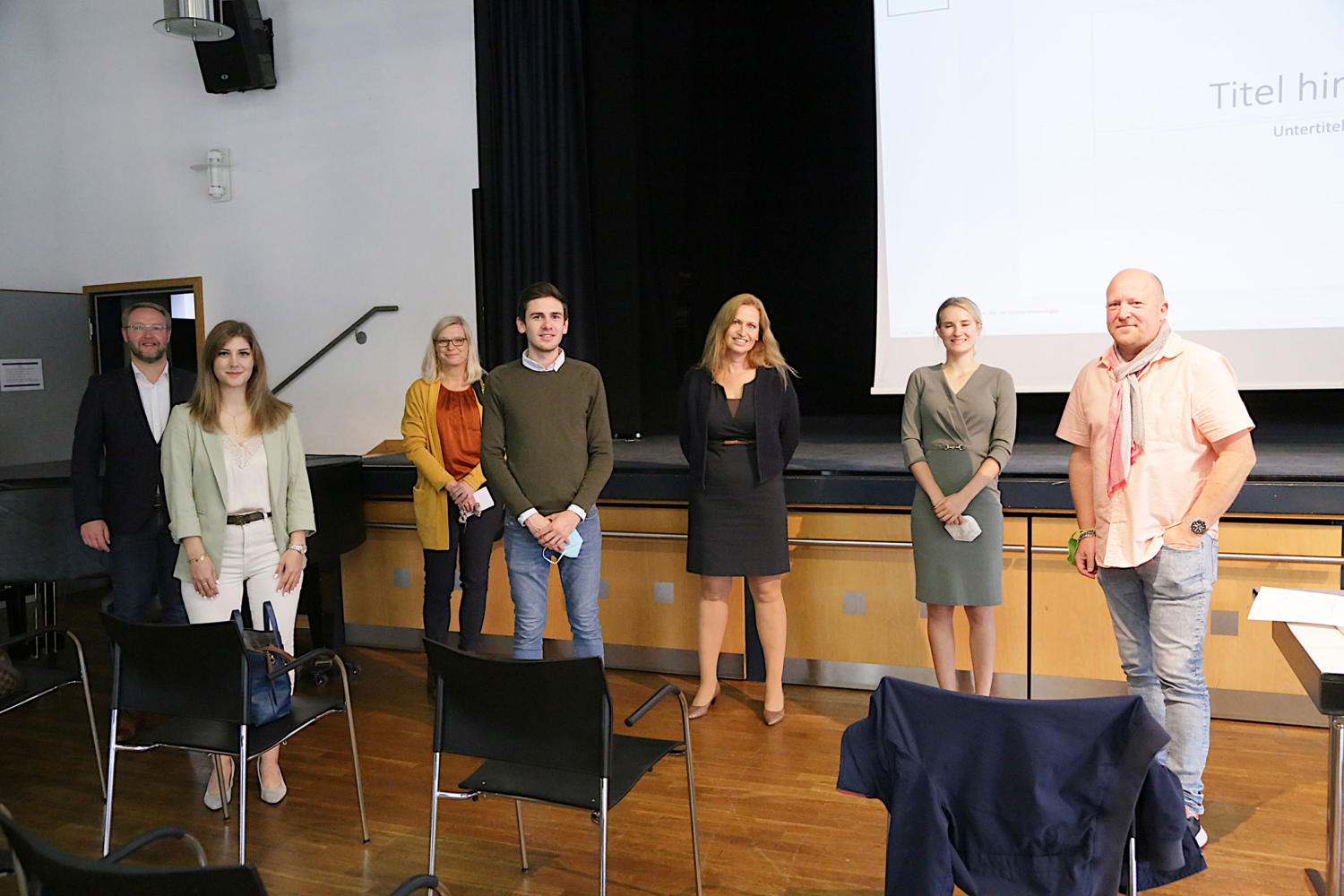
In all cases, experts from the region provide information on finance, housing, taxes, and health insurance. The speakers are hired by the association and are required to refrain from promoting their employers. To ensure this, the association works with the respective experts in advance to develop the content.
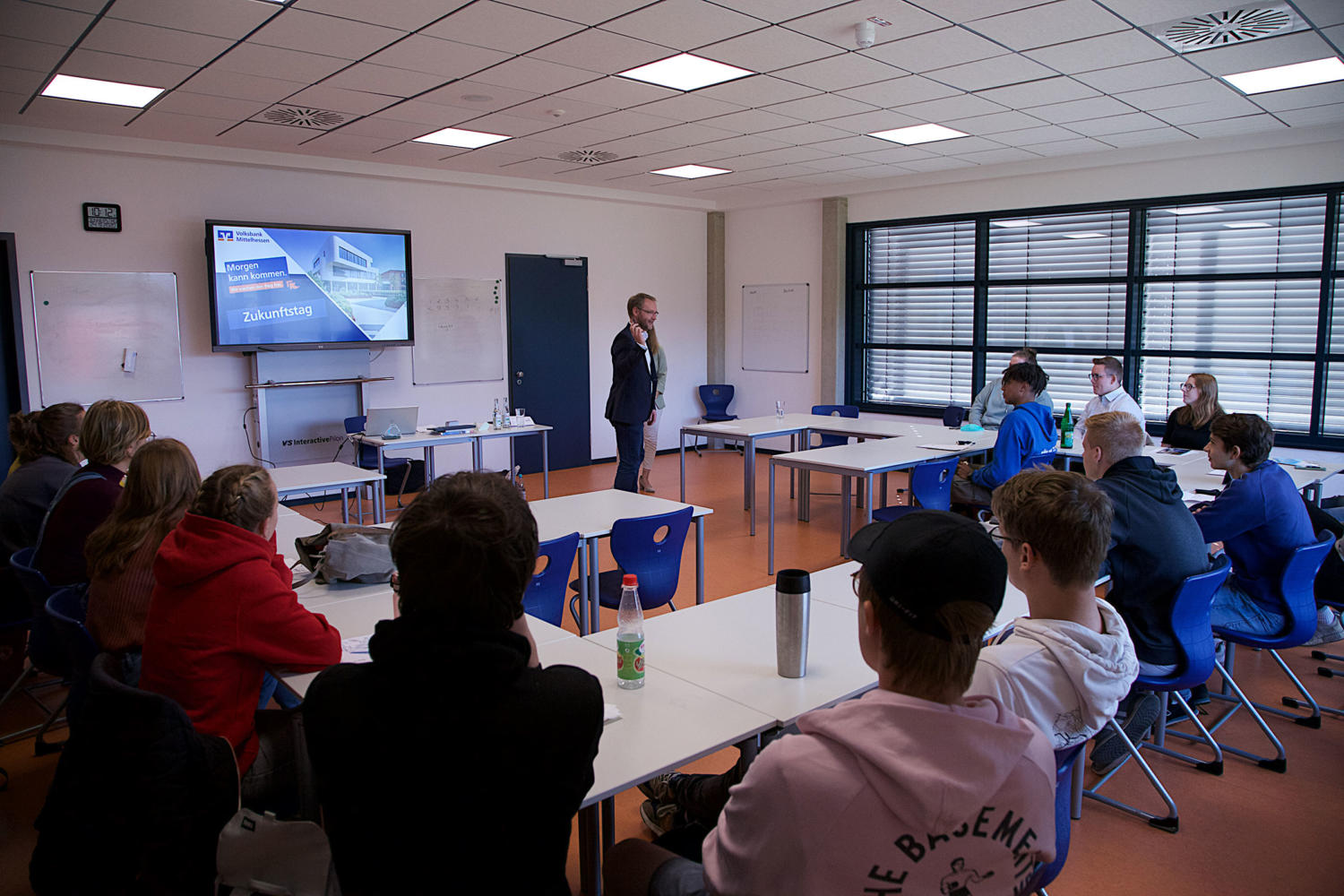
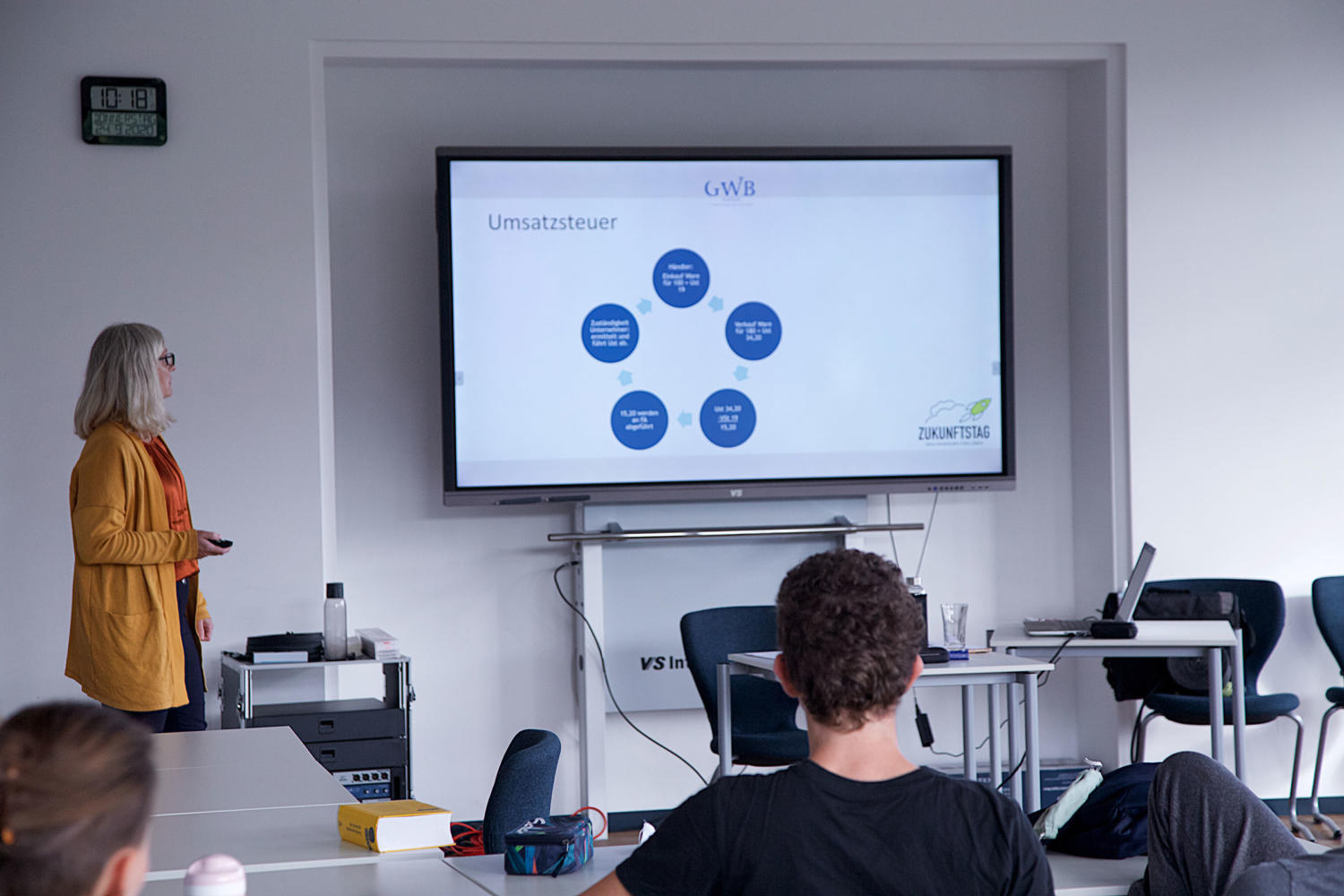
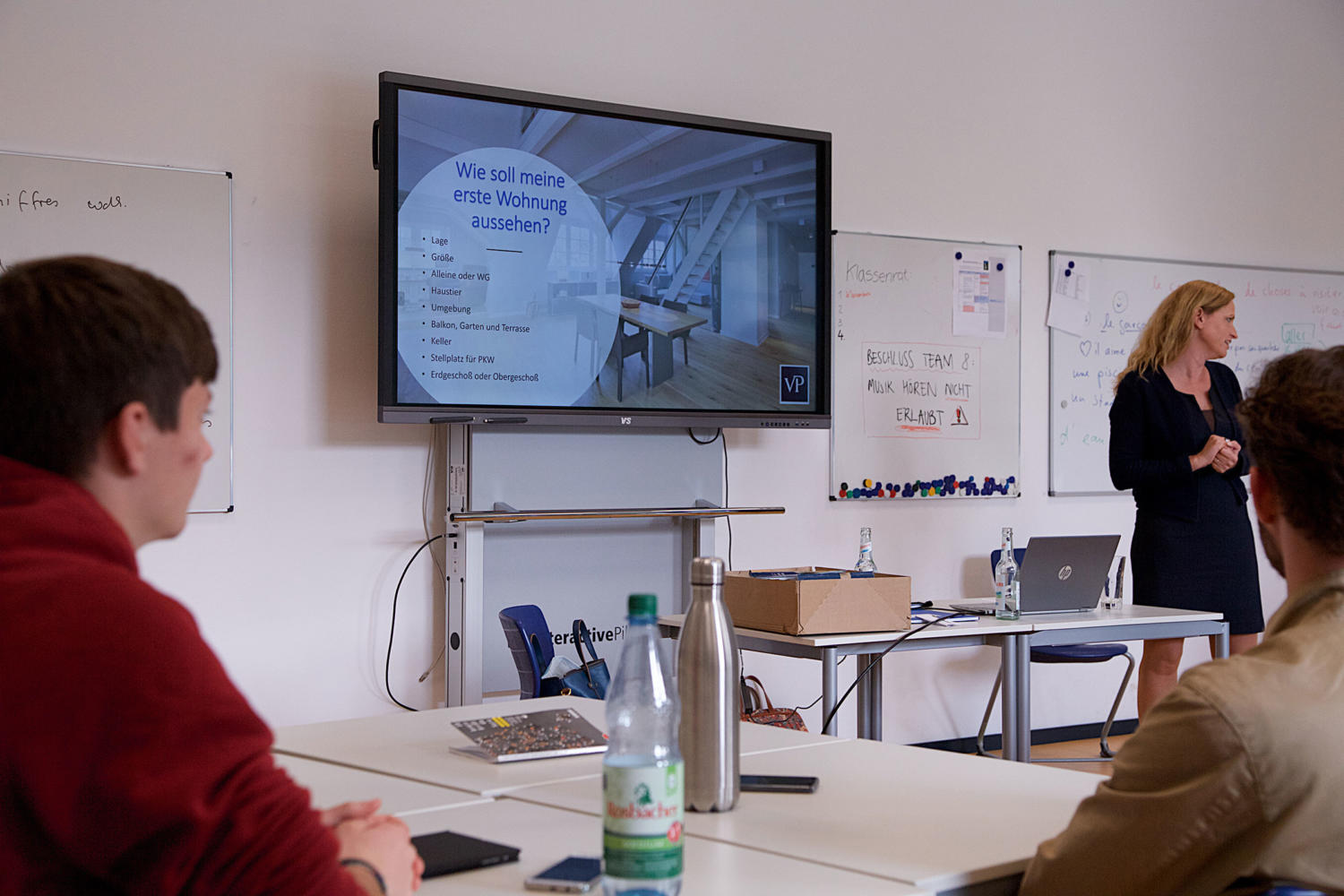
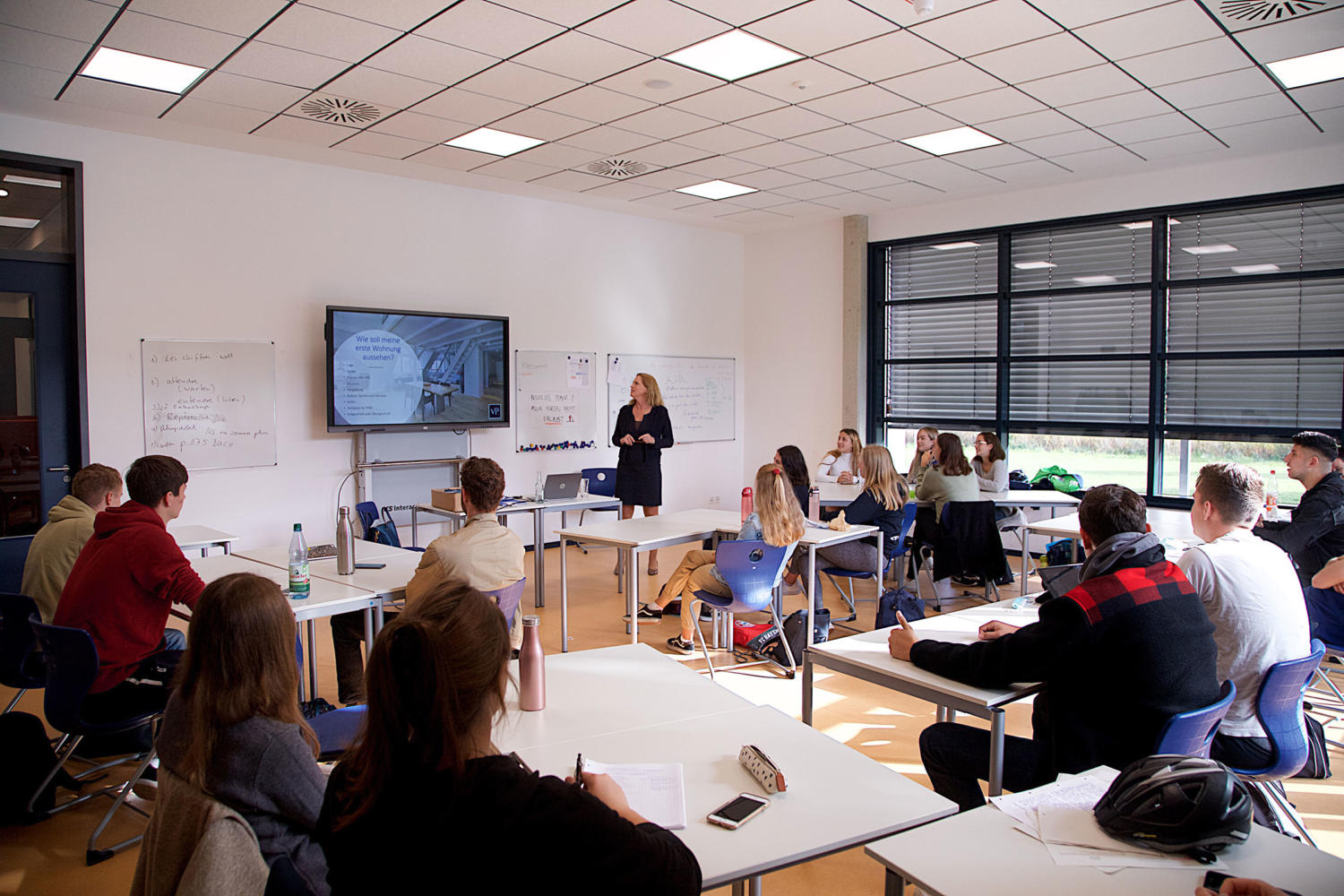
At the Steinmühle, representatives from a financial institution, a real estate agency, a health insurance company, and a tax advisor spoke. After the event, feedback forms were distributed to the student body. They provided an overview of the areas that the experts had explained particularly well.
The initiative comes from Kassel
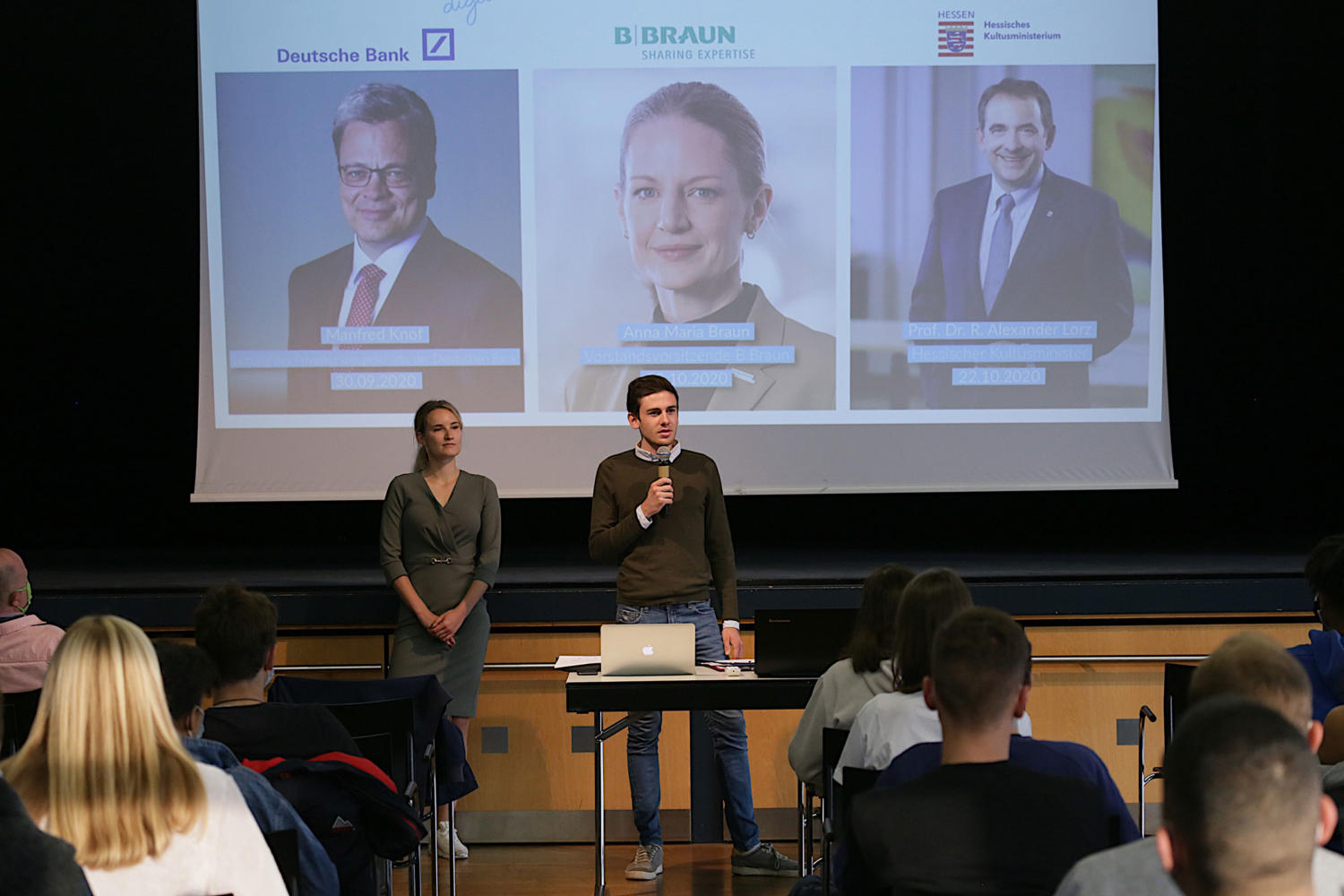
Ben Göbel is an economics student in Kassel and organized the Future Day event at the Steinmühle together with Anna Proetel. She studies sociology and political science and, like Ben, is a member of the organizing association. Together with six other colleagues and a network of volunteers, they work on a volunteer basis; they were initially in Marburg and, shortly thereafter, practically simultaneously in Munich, Berlin, and Giessen. The organization and logistics are financially supported by foundations. The Hessian Ministry of Education and Cultural Affairs is also among the sponsors. It views the initiative not as competition for schools, but as a complement to them.



Investments and Tenant Responsibilities: Future Day Complements What Students Learn in School
News, Politics, Business & ResponsibilityThe Steinmühle was the first high school in Marburg to host the so-called “Future Day.” The goal of the organizer, the “Initiative for Economic Education for Youth” from Kassel, is to teach high school students skills related to finance, housing, taxes, and health insurance.
These four areas are not covered in depth in secondary school curricula—much to the chagrin of many students, who, while they leave school with a strong academic foundation, are unfamiliar with rental agreements or financial investments. The Kassel Initiative, a nonprofit organization whose members themselves have not been out of school for very long, addresses this very issue. Since January 2019, these young people have held their “Future Day” event dozens of times at various schools throughout Germany. Ever since the Handelsblatt reported on it, the event has practically become a runaway success.
Speakers from the region
In all cases, experts from the region provide information on finance, housing, taxes, and health insurance. The speakers are hired by the association and are required to refrain from promoting their employers. To ensure this, the association works with the respective experts in advance to develop the content.
At the Steinmühle, representatives from a financial institution, a real estate agency, a health insurance company, and a tax advisor spoke. After the event, feedback forms were distributed to the student body. They provided an overview of the areas that the experts had explained particularly well.
The initiative comes from Kassel
Ben Göbel is an economics student in Kassel and organized the Future Day event at the Steinmühle together with Anna Proetel. She studies sociology and political science and, like Ben, is a member of the organizing association. Together with six other colleagues and a network of volunteers, they work on a volunteer basis; they were initially in Marburg and, shortly thereafter, practically simultaneously in Munich, Berlin, and Giessen. The organization and logistics are financially supported by foundations. The Hessian Ministry of Education and Cultural Affairs is also among the sponsors. It views the initiative not as competition for schools, but as a complement to them.